

English Blue White Pottery
English blue white pottery spans centuries of domestic and decorative tableware, offering collectors rich historical narratives through enduring cobalt designs.
English Blue White Pottery
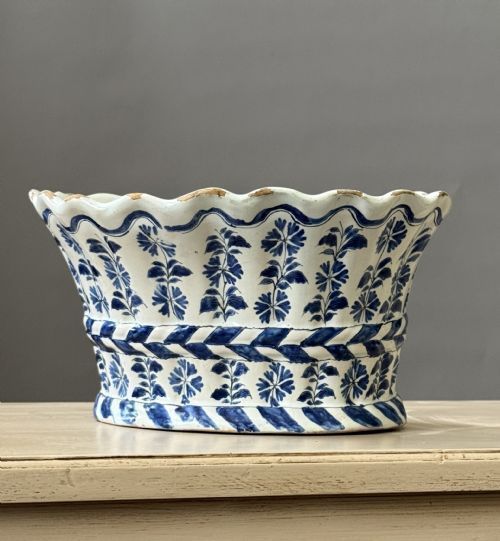
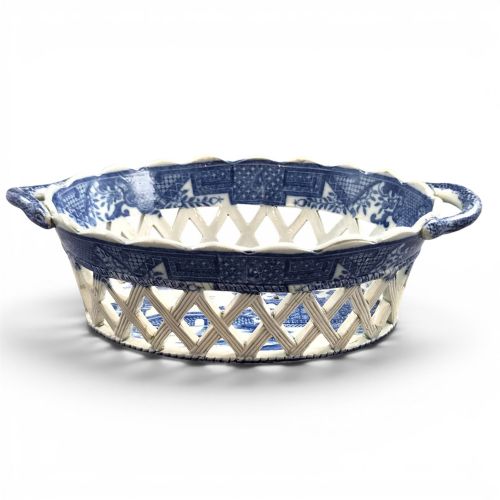
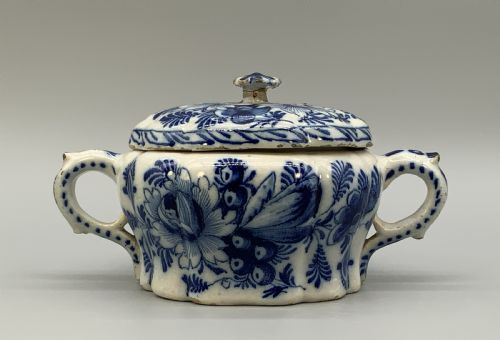
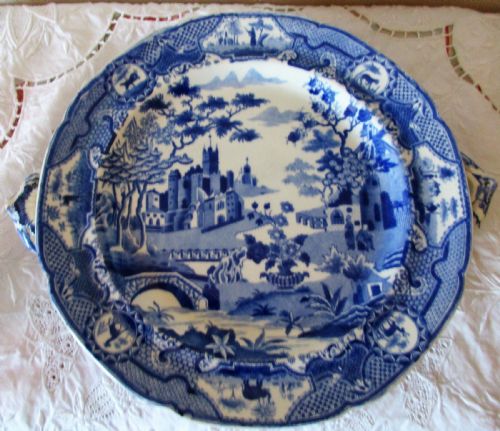
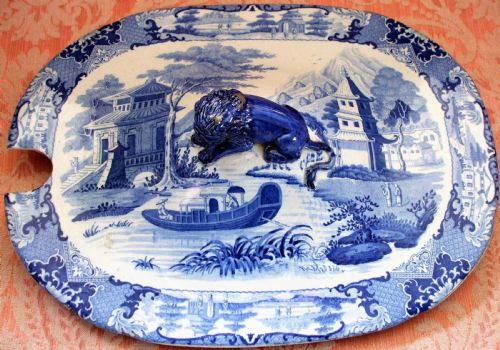
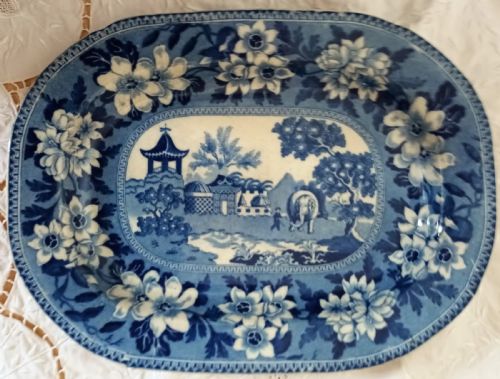
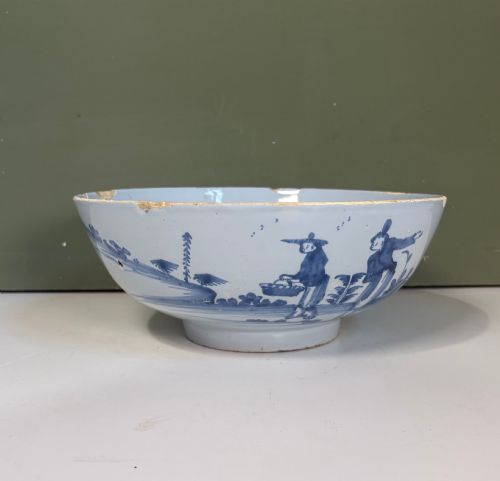
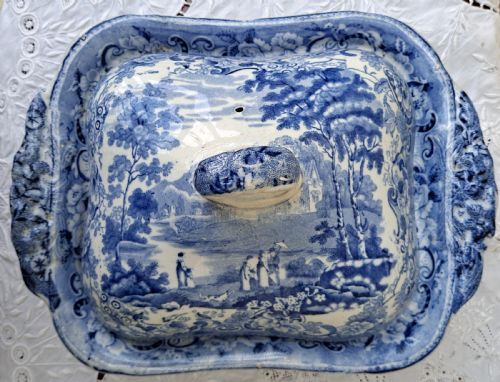
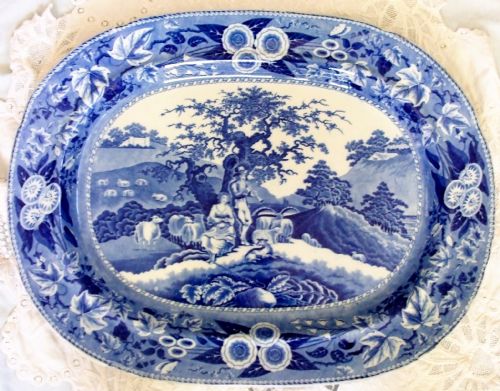
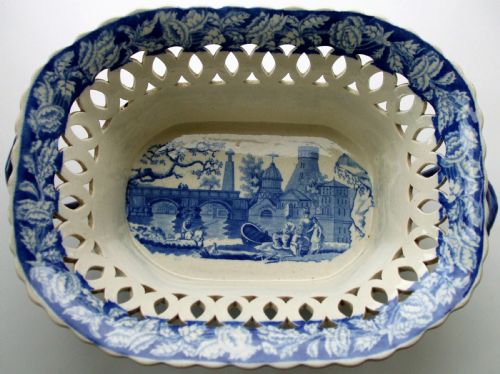
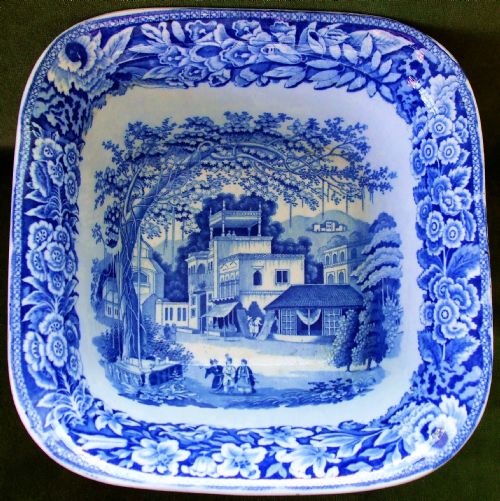
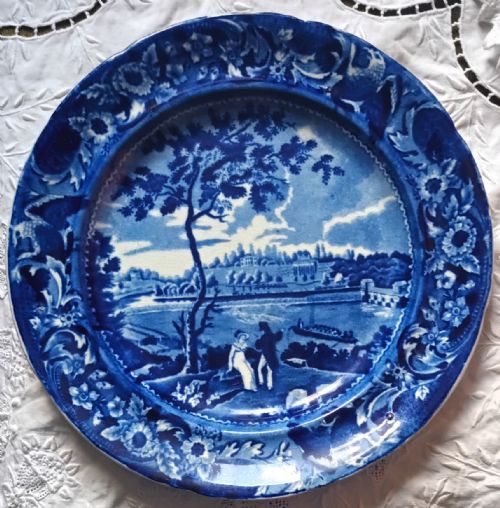
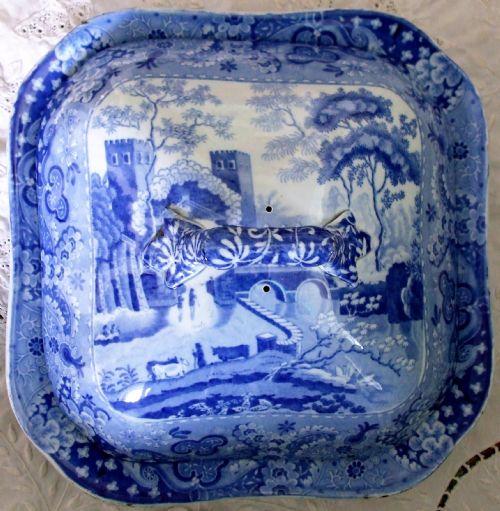
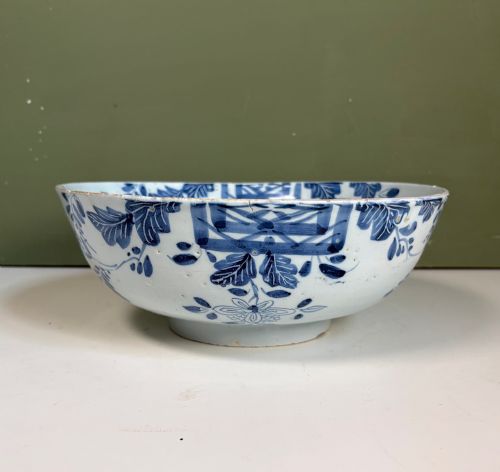
Collectors examining English blue white pottery encounter a diverse range of functional and ornamental vessels, spanning from seventeenth-century delftware chargers to nineteenth-century transfer-printed platters. The pieces on this page primarily showcase Georgian and Victorian examples, including tureens, bowls, chestnut baskets, and plates decorated with pastoral, architectural, or exotic scenes.
Early iterations lean toward hand-painted tin-glazed earthenware originating from London or Lambeth potteries, while later nineteenth-century pieces frequently display intricate transfer-printed patterns from notable factories. Buyers will also find utilitarian objects such as apothecary jars, knife rests, and draining dishes alongside grander serving vessels.
Materials and Manufacturing Techniques
The creation of these ceramics relies primarily on earthenware, pearlware, or ironstone bodies shaped into plates, bowls, and hollowware. Artisans applied tin glaze, lead glaze, or salt glaze to seal the porous clay before firing.
Decoration was achieved through two main methods: freehand painting using cobalt pigment or cobalt oxide, and transfer printing, which pressed engraved paper designs onto the biscuit or glazed surface. This chemical pigment reacted with the kiln heat to produce the characteristic deep blue tones.
Listings feature items spanning the seventeenth, eighteenth, nineteenth, and twentieth centuries, utilising earthenware, pearlware, and cobalt pigment.
Assessing Craftsmanship and Condition
Quality in these ceramics depends on the crispness of the cobalt transfer or the hand-painted brushwork, where finer lines and deeper saturation indicate superior production. The complexity of the moulded form, such as reticulated chestnut baskets or pierced serving dishes, also elevates the standing of an individual piece.
Preservation of the original glaze and the clarity of the printed or painted motif without excessive blurring distinguish the higher tiers of the range. Additionally, marked pieces from documented potteries retain stronger historical interest than unmarked equivalents.
Spode·John Rogers and Son·J. and R. Clews·Mintons·John and Richard Riley
The English Blue White Pottery Glossary
- Delftware
- Tin-glazed earthenware produced in England from the seventeenth century onward, typically featuring hand-painted blue decoration on an opaque white background. It represents some of the earliest forms found in these collections.
- Transfer printing
- A mechanical method developed in the eighteenth century to apply complex, detailed patterns onto pottery using an engraved copper plate and thin tissue paper. This technique revolutionised mass production.
- Pearlware
- A refined earthenware developed by Josiah Wedgwood in the late eighteenth century, featuring a subtle bluish glaze that pooled slightly in recesses to mask the underlying cream-coloured body.
- Tureen
- A large, deep serving bowl with a lid, designed for serving soups, stews, or vegetables at the dining table. They frequently appear in matching sets with fitted stands or ladles.
- Posset pot
- A spouted vessel used historically for serving posset, a hot drink made of curdled milk mixed with wine or ale and spices. These date predominantly to the seventeenth and eighteenth centuries.
English Blue White Pottery: Frequently Asked Questions
What is English blue white pottery?
English blue white pottery encompasses ceramic tableware and decorative objects produced across multiple centuries, utilising cobalt blue pigment against a white or pale ground. The category spans early hand-painted delftware through to mass-produced nineteenth-century transfer-printed ironstone and earthenware.
These pieces reflect changing domestic habits and global trade influences, incorporating scenes ranging from traditional British countryside views to imagined exotic landscapes.
How were these pieces used?
Many items served practical dining functions, such as serving platters, tureens for vegetables or soup, plates, and teapots. Others fulfilled specific domestic roles like apothecary storage jars, knife rests, and draining stands for cheese or fruit.
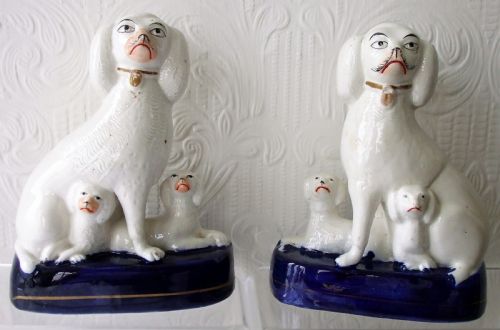
Display pieces, including decorative bowls, bough pots, and figures, were intended to adorn mantelpieces and sideboards in prosperous households.
How do I date an antique piece?
Dating relies on identifying the underlying ceramic body, such as tin-glazed earthenware for seventeenth and eighteenth-century items versus pearlware or ironstone for the nineteenth century. Maker's marks, pattern names printed on the base, and stylistic cues within the transfer print provide further chronological markers.
Hand-painted execution generally points toward earlier delftware periods, while complex copper-plate transfer printing signals nineteenth-century industrial production.
How do I care for antique ceramics?
These items require gentle handling and should be washed by hand in warm water using mild soap, avoiding harsh scrubbing or dishwashers that can damage historic glazes. Sudden temperature changes must be avoided to prevent thermal shock and crazing in the ceramic body.
Displaying pieces away from direct, strong sunlight helps preserve the stability of the glaze and prevents any associated mounting materials from degrading.