

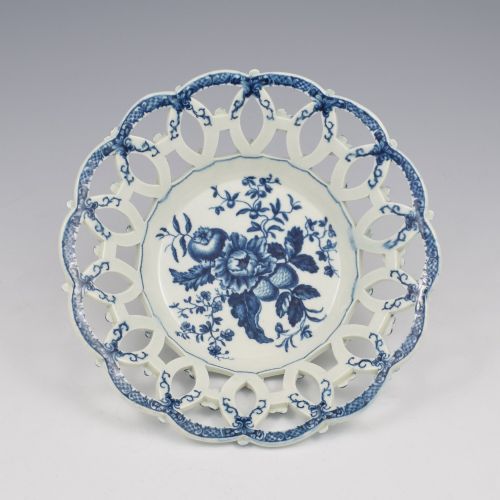


Blue White Ceramic Basket
A blue white ceramic basket brings cobalt painted depth to a table, combining utility with eighteenth and nineteenth century artistry.
Blue White Ceramic Basket
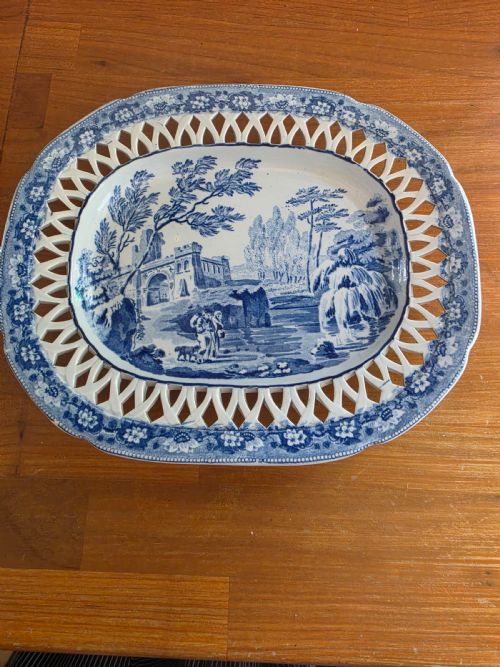
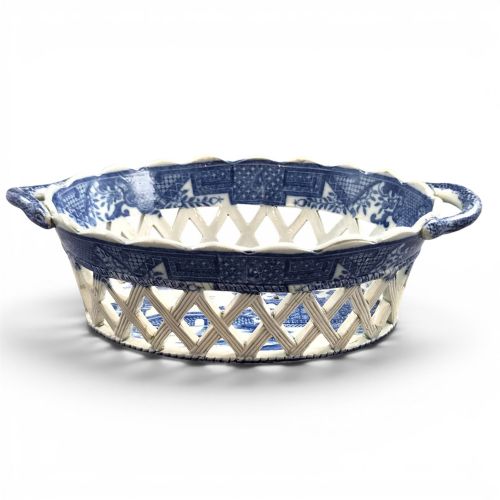
A blue white ceramic basket represents a specific intersection of domestic utility and decorative ambition from the eighteenth and nineteenth centuries, spanning Georgian, Regency, and Victorian periods. Buyers seeking a blue white ceramic basket generally encounter reticulated or pierced earthenware, porcelain, and pearlware vessels designed for serving fruit, chestnuts, or simply for display.
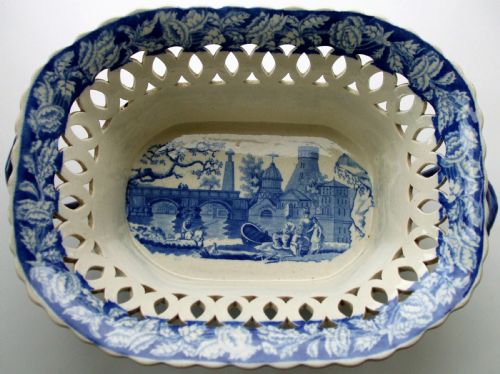
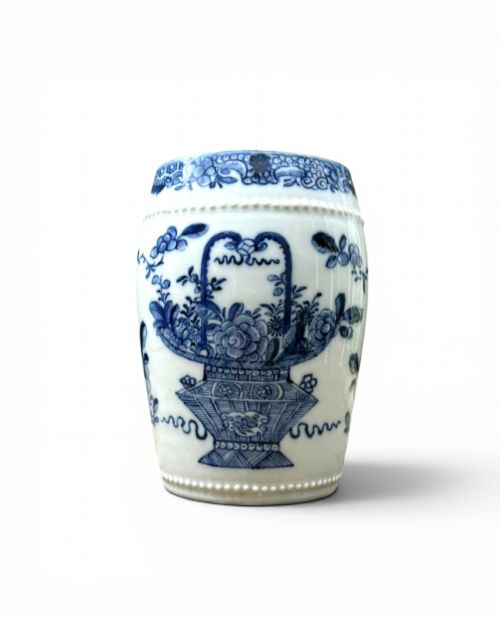
The forms originate from English potteries like Spode, Worcester, and Clews, alongside Chinese Export wares made for the Western market. Most examples rely on traditional transfer printing or hand-painted cobalt underglaze motifs such as the Willow pattern or river scenes with forts.
Chestnut baskets and pierced fruit bowls dominate the selection, often accompanied by matching under-trays or stands. These pieces range from refined First Period Worcester porcelain to robust Staffordshire and earthenware productions.
Materials and production methods
Potters shaped these vessels using earthenware, pearlware, or porcelain pastes, often piercing the wet clay walls by hand to create intricate reticulated lattices before firing. Cobalt underglaze was applied directly to the porous body to absorb the fluid pigment prior to glazing.
Transfer printing revolutionized the application of complex landscapes, transferring ink from a copperplate onto tissue paper and thence onto the ceramic surface. Transparent lead glazes or pearl glazes were subsequently applied and vitrified in the kiln to seal the decoration with a glossy finish.
Blue White Ceramic Basket Retail Price Guide 2026
Typical asking prices for blue white ceramic basket among the pieces listed under this phrase on Sellingantiques today, from the lower quarter to the upper quarter. They describe what is for sale here now, not the wider market.
A Staffordshire dog holds a basket in its mouth as a quill holder, proving the Victorians found a use for pottery baskets everywhere.
Quality distinctions in ceramic baskets
Quality rests heavily on the crispness of the pierced reticulation and the stability of the fired paste, as finer porcelain bodies permit thinner, more delicate walls than heavier earthenware. Precision in the transfer printing or hand-painted cobalt brushwork dictates the aesthetic value, with blurred edges and runny glaze marking less disciplined kiln work.
The presence of matching original stands or under-trays significantly elevates a piece, as does the clarity of factory marks or distinct pattern names. Well-preserved glaze surfaces with minimal firing blemishes separate ordinary utilitarian vessels from high collector-grade examples.
Spode·J. & R. Clews·Mason’s Ironstone China·Vion & Baury
The Blue White Ceramic Basket Glossary
- Reticulated
- Pierced or openwork decoration forming a net-like pattern. Potters cut these geometric or floral openings into the clay before firing to lighten the vessel and showcase technical skill.
- Transfer printed
- A decoration method utilising an engraved copper plate to pull an impression on tissue paper. This paper was pressed onto the biscuit ceramic to transfer the intricate design before glazing.
- Cobalt underglaze
- A blue pigment applied to the raw ceramic body before the glaze and high-temperature firing. It sinks into the paste, ensuring the colour remains permanent and protected beneath the glassy surface.
- Chestnut basket
- A specialised serving vessel with pierced sides designed to hold roasted chestnuts at the table. They frequently include a fitted tray to catch debris and moisture.
Blue White Ceramic Basket: Frequently Asked Questions
How were blue white ceramic baskets used?
These vessels primarily served affluent dining tables for presenting seasonal fruit or roasted chestnuts during dessert courses. The pierced sides allowed air circulation around the food while offering an ornate centrepiece for the room.
Over time, many transitioned into pure decorative objects displayed on sideboards or mantelpieces. Their robust yet refined construction meant they moved easily from formal dining rooms to everyday domestic settings.
What is the First Period Worcester?
First Period Worcester denotes porcelain manufactured at the Worcester factory between 1751 and 1783 under the direction of Dr John Wall. These pieces are celebrated for their fine paste, delicate proportions, and careful cobalt painting.
Baskets from this era command attention for their meticulous floral or pine cone motifs and fine hand-cut openwork. They represent an early pinnacle of English porcelain production.
Are these baskets safe to use today?
While structurally sound, antique ceramic baskets are best reserved for display or gentle decorative use rather than active food service. Historic glazes and fragile reticulated walls can be vulnerable to modern detergents and thermal shock.
Handling them with care ensures the delicate openwork and eighteenth-century cobalt decoration remain undamaged for future enjoyment. Displaying them away from high-traffic edges protects their historical integrity.