
English Bookcase
An english antique bookcase brings functional dignity to a room, offering sturdy shelves and glazed displays crafted to house generations of collected volumes.
What They Are
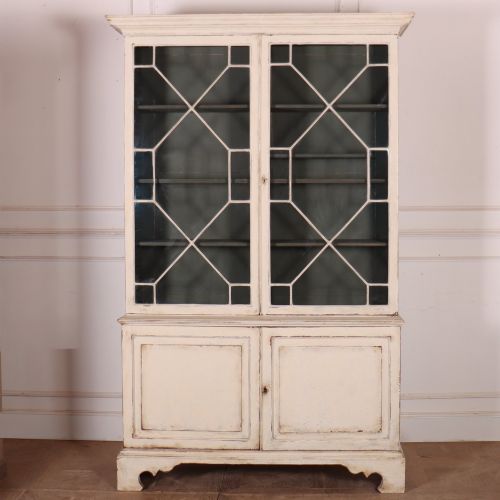
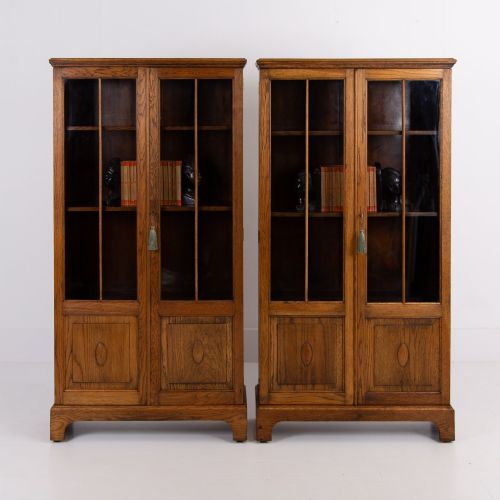
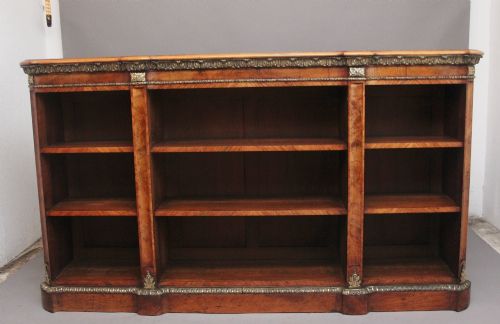
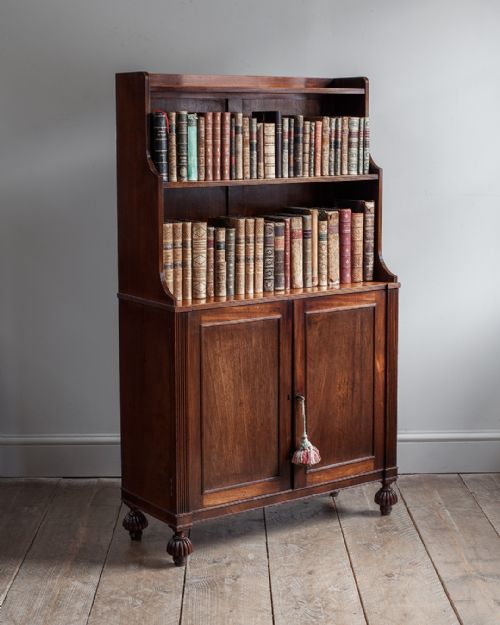
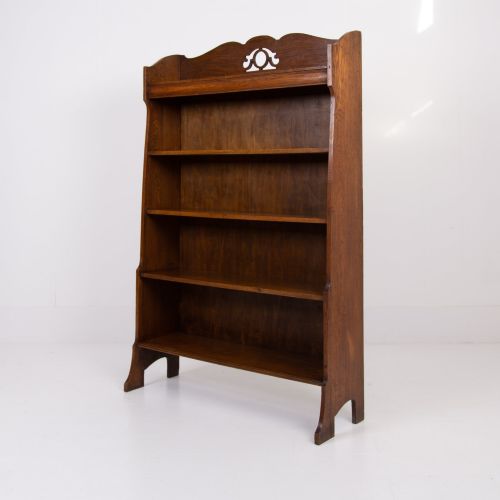
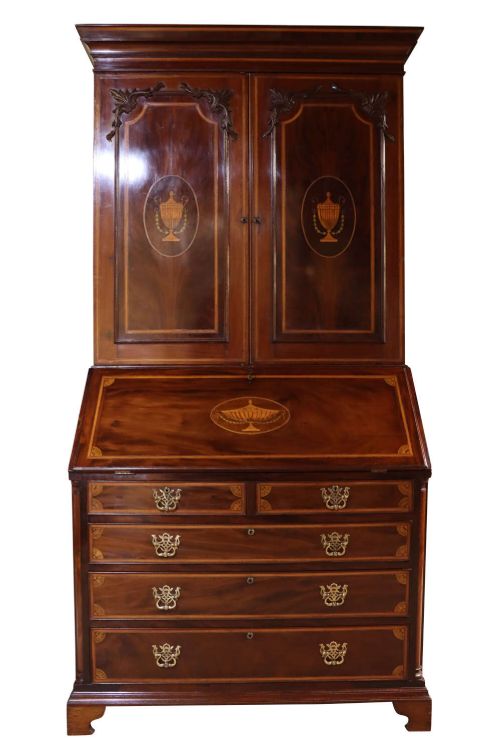
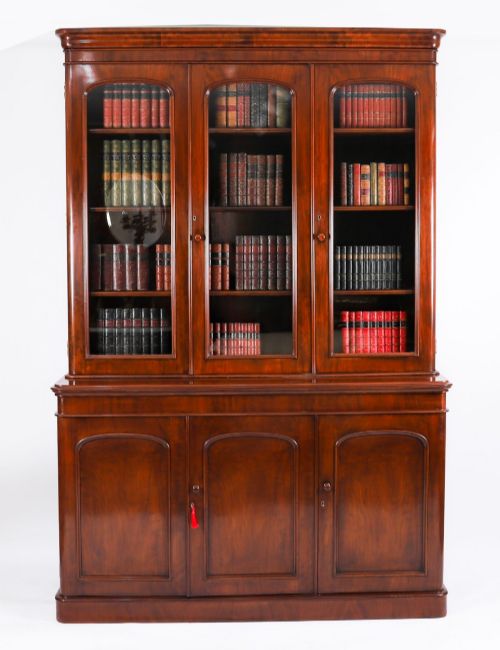
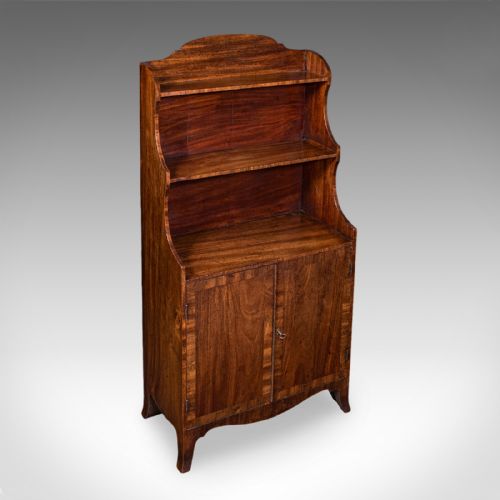
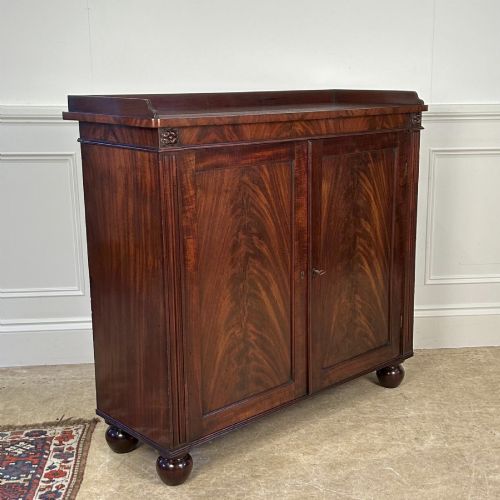
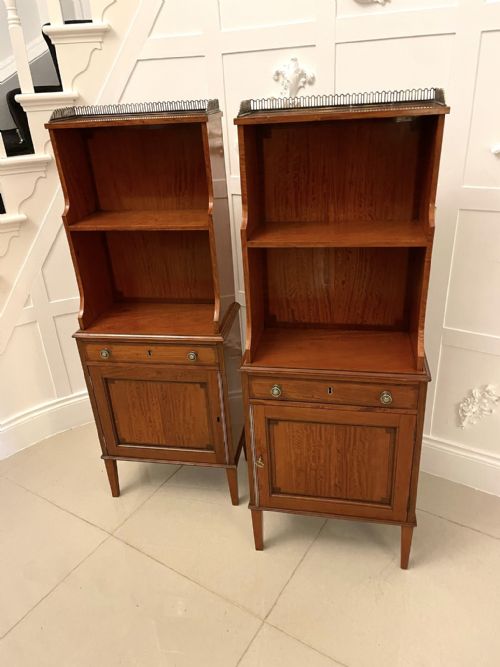
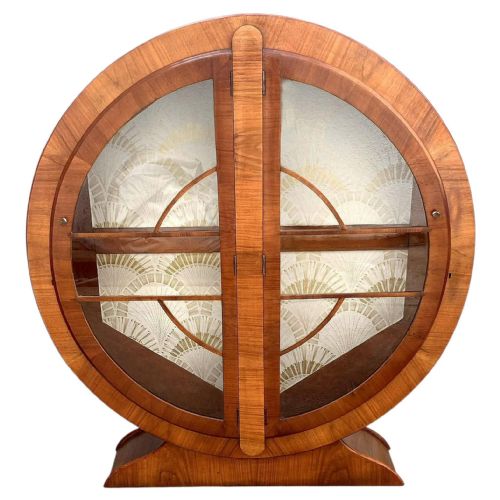
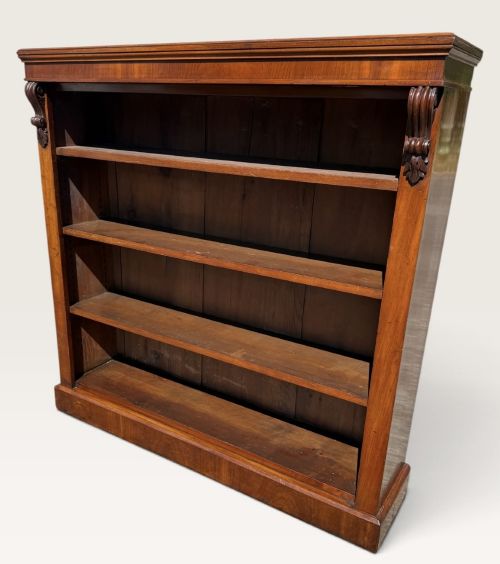
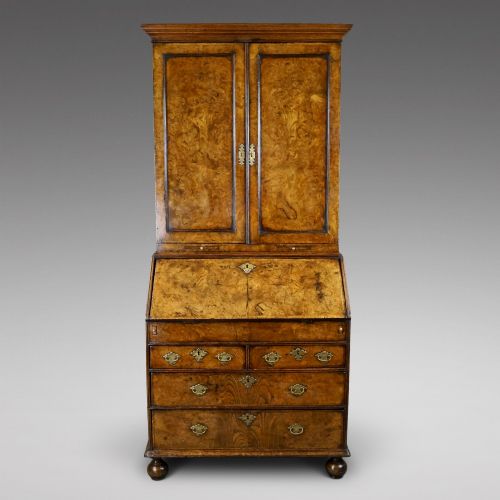
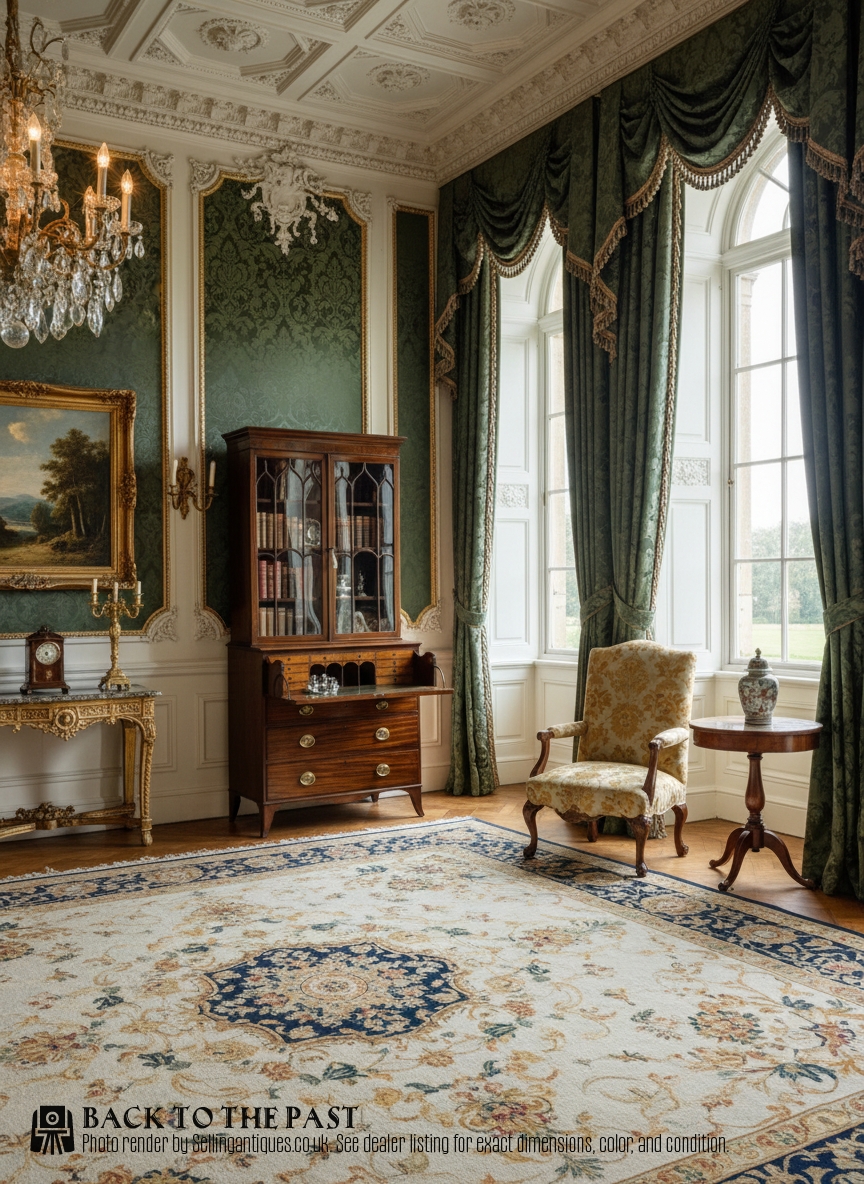
An english antique bookcase encompasses a wide array of forms, from tall breakfront library cabinets and glazed display units to compact revolving stands and open shelf configurations. Buyers searching this phrase most frequently encounter 19th-century mahogany and oak examples featuring adjustable shelving, glazed doors, or secretaire fitted desks.
The historical record spans simpler pine and oak pieces intended for utilitarian use alongside grander walnut, birdseye maple, and satinwood formats built for formal drawing rooms and private libraries. Specialised variations include captain's campaign pieces, rotating desktop troughs, and sectional barrister designs.
Periods represented across these pieces extend from the 18th century through the Georgian, Regency, William IV, and Victorian eras up to early 20th-century Edwardian and George V productions. Formats range from modest open bookshelves to massive multi-bay architectural breakfronts.
How They Were Made
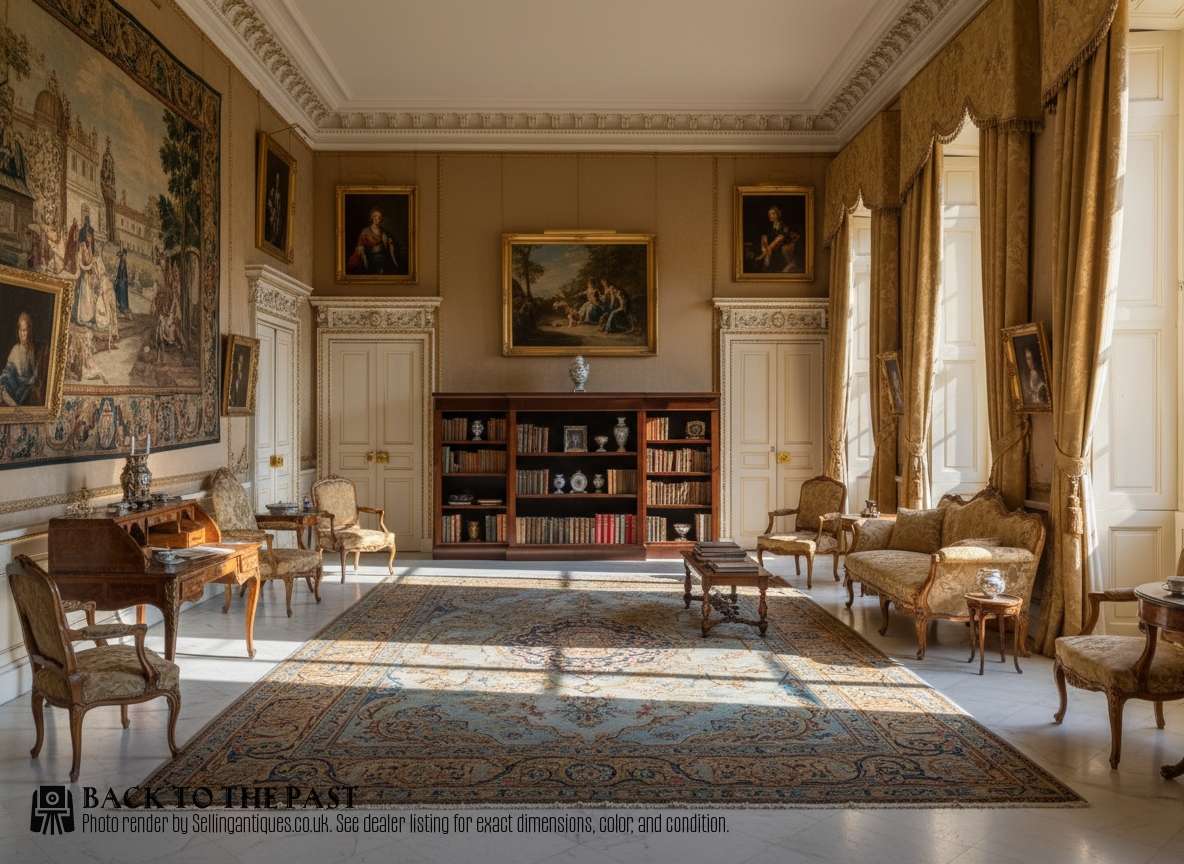
Cabinet makers utilised dense native and imported timbers, predominantly mahogany, oak, and walnut, frequently accented with flame mahogany veneers, satinwood, birdseye maple, boxwood stringing, and brass hardware. Glass was hand-glazed into wooden astragal bars forming geometric or Gothic-inspired window patterns.
Construction techniques relied upon traditional joinery including dovetail drawers and mortise and tenon frames, complemented by hand-carving in styles reflecting Tudor revival, Gothic, or classical tastes. Leather inserts appeared within pull-out secretaire drawers designed for writing.
Surface finishes involved hand-applied polishes that enhanced the natural grain of flame veneers and burr walnut, while utilitarian pieces received simpler painted or waxed treatments.
Retail Price Guide 2026
Typical UK retail prices for english bookcase, calculated from the Sellingantiques database of over a million retail prices indexed since 2003. This retail price guide relies exclusively on Sellingantiques data; no external sources or auction records are used, so the figures do not describe the wider market.
The documented pieces span the 18th century through the Victorian and Edwardian eras, utilising mahogany, oak, walnut, pine, satinwood, and birdseye maple.
What Varies in Quality
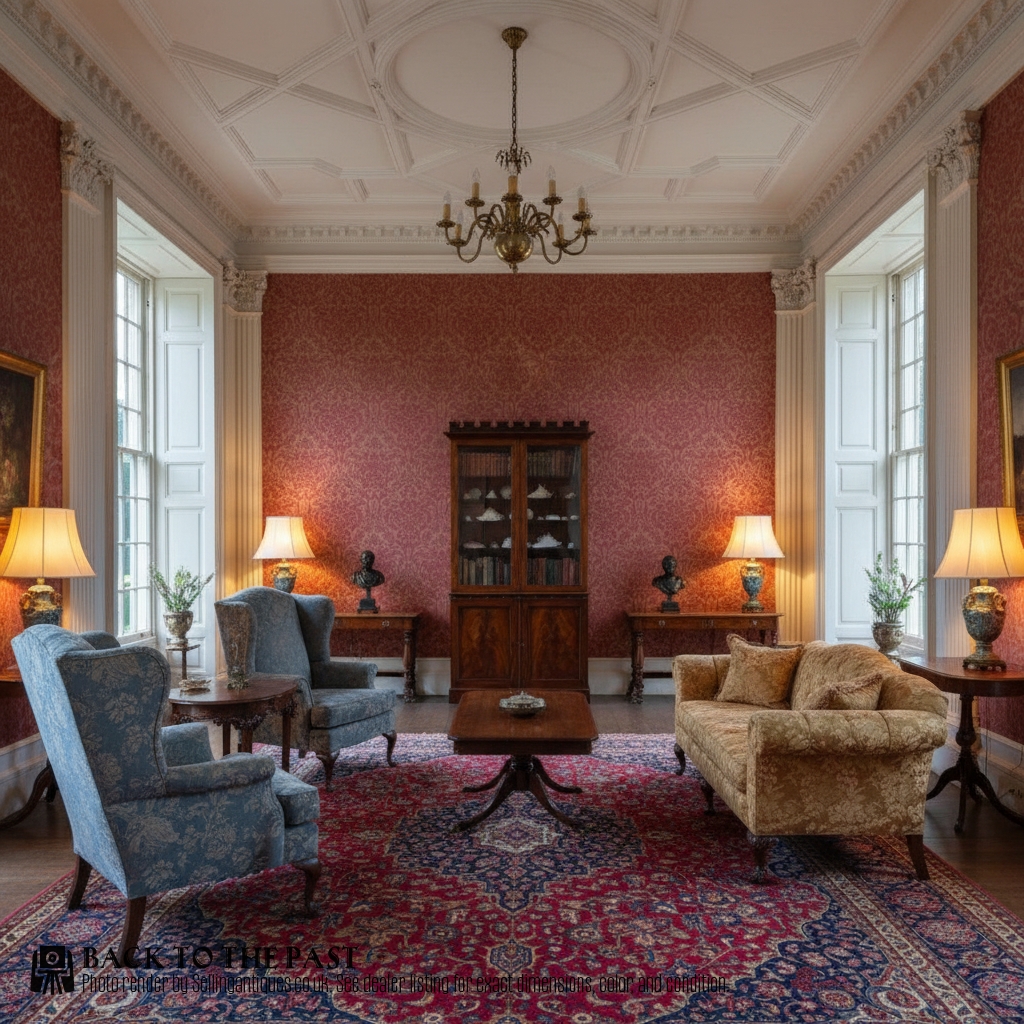
Execution of internal fittings distinguishes finer pieces, evidenced by smoothly operating secretaire drawers with fitted pigeonholes, finely cut brass hardware, and precise adjustable shelf mechanisms. The architectural ambition of the design, from a simple open pine shelf to a multi-bay breakfront library cabinet, dictates the inherent grade of craftsmanship.
Sir Charles Barry·James Winter And Sons·Minty
The English Bookcase Glossary
- Astragal glazed
- Glass doors divided into smaller panes by narrow wooden mouldings called glazing bars. These create traditional geometric or Gothic patterns across the front of the cabinet.
- Breakfront
- A piece of furniture where the central section projects forward from the flanking outer sections. This architectural arrangement adds depth and formal presence to large library cabinets.
- Secretaire
- A cabinet incorporating a pull-out drawer with a hinged front that drops down to form a writing surface. It typically conceals a series of small drawers and pigeonholes inside.
- Globe Wernicke
- A brand name that became synonymous with sectional barrister bookcases. These units consist of stacking glass-fronted shelves that operate independently.
- Revolving bookcase
- A compact shelving unit mounted on a rotating base designed to sit on the floor or a desktop. It allows easy access to a circle of books from a stationary seat.
- Flame mahogany
- Timber cut from the fork of the mahogany tree where the branches join the trunk. This cutting method produces a distinctive rippled, flame-like grain pattern.
Frequently Asked Questions
How do I identify a Regency period bookcase?
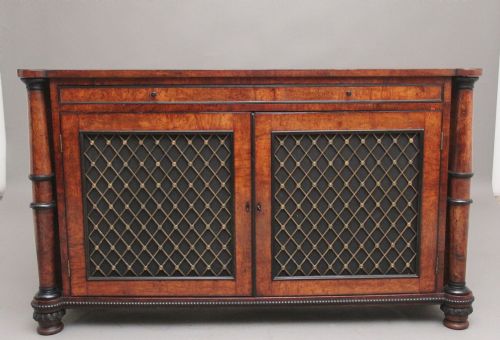
Regency examples typically exhibit classical architectural restraint, featuring clean lines, brass inlay, and refined mahogany or rosewood timbers dating from the early 19th century.
They often incorporate delicate astragal glazed doors and brass grille work rather than the heavier carvings found in later Victorian iterations.
What is a sectional bookcase?
A sectional bookcase consists of independent modular tiers with upward-lifting glass doors that stack vertically. This design allowed libraries and offices to expand their shelving incrementally.
Popularised in the early 20th century by makers like Globe Wernicke, individual sections can be separated for ease of transport.
Are the shelves adjustable?
Many fine antique bookcases feature adjustable shelving systems utilising wooden ratchets, brass studs, or notched interior pilasters. This allowed owners to alter shelf heights for varying folio sizes.
Simpler open bookshelves from the period often feature fixed shelves secured directly into the outer gable sides.
How do I care for antique wood finishes?
Maintain timber surfaces by applying traditional beeswax polish sparingly and buffing with a soft cloth to preserve the natural lustre. Avoid placing wooden furniture near direct heat sources or strong sunlight.
Keep leather writing inserts conditioned with appropriate balms if the piece includes a secretaire drawer.