
Enamel Chinese Vase
An enamel chinese vase brings vibrant colour and meticulous detail into a room, spanning delicate porcelain and heavy metal vessels from Qing times onward.
Enamel Chinese Vase
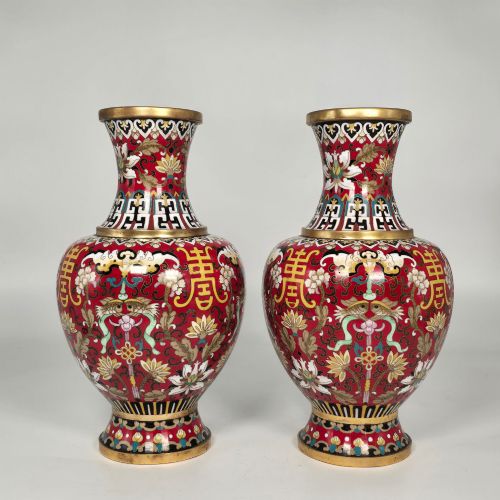
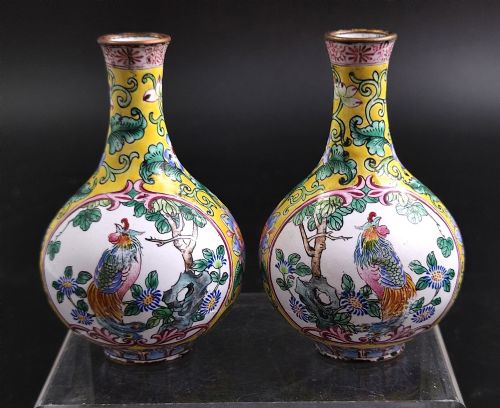
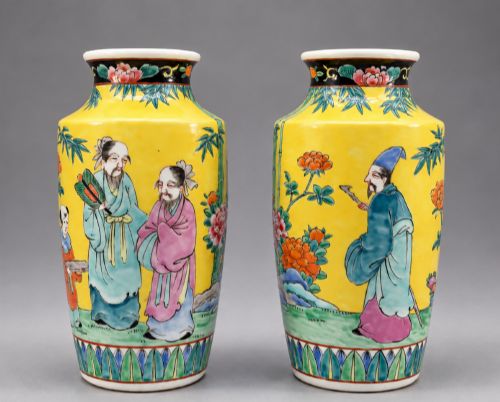
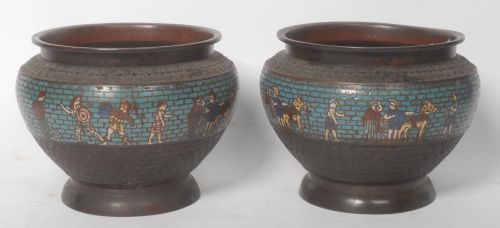
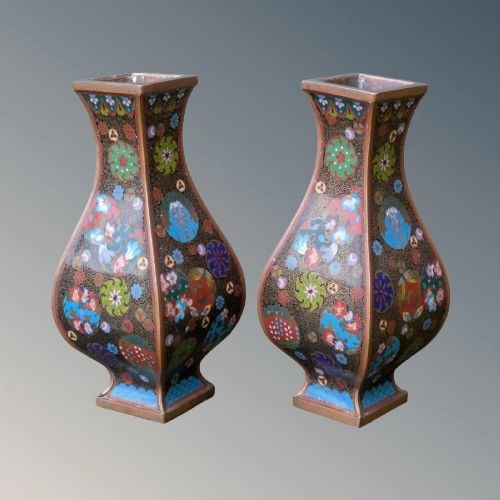
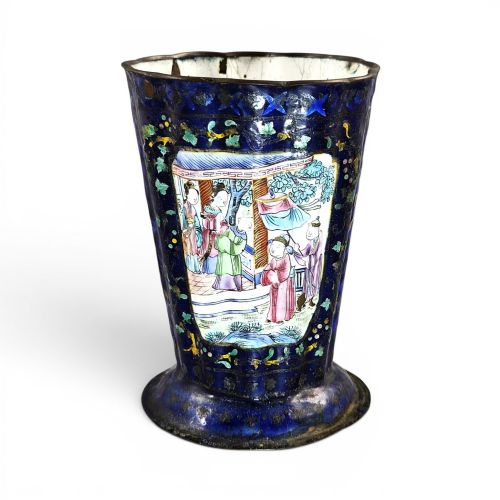
When you search for an enamel chinese vase, you encounter a diverse group of vessels spanning porcelain, copper, and bronze bodies decorated with vibrant mineral colours. These objects range from miniature cabinet pieces to monumental floor vases and table lamps created for both export markets and domestic use.
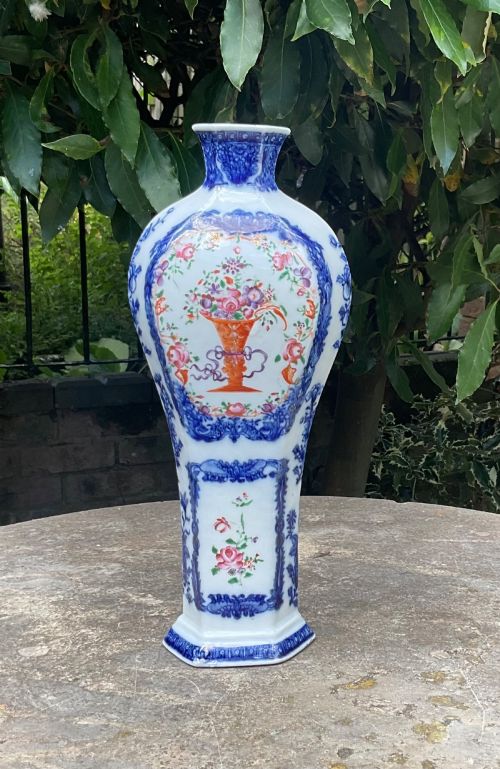
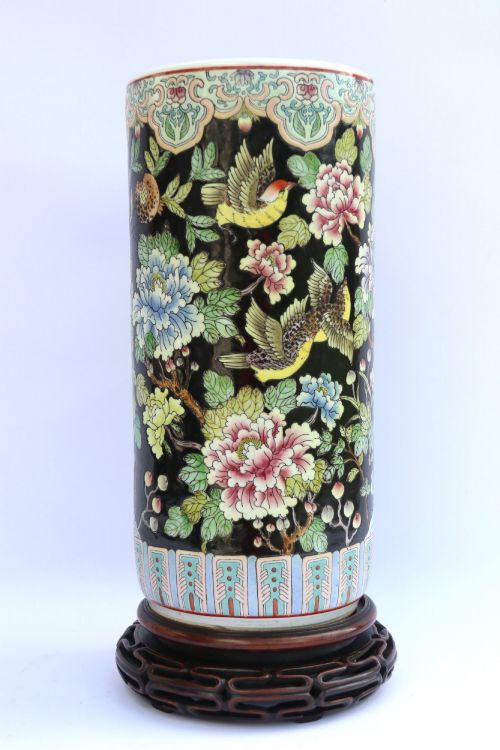
The pieces on this page originate predominantly from the nineteenth century and the Qing Dynasty, alongside eighteenth-century examples and later twentieth-century republic period works. Forms include baluster vases, garlic-head vessels, moon flasks, and lidded jars painted with figures, birds, flowers, and geometric motifs.
How they were made
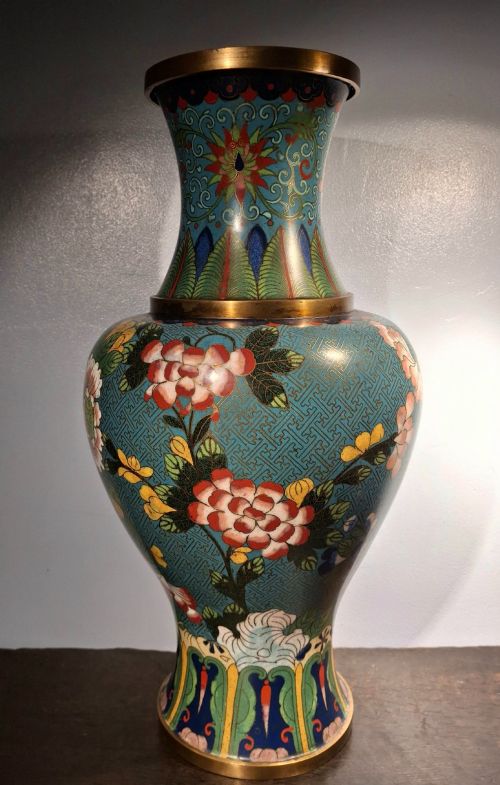
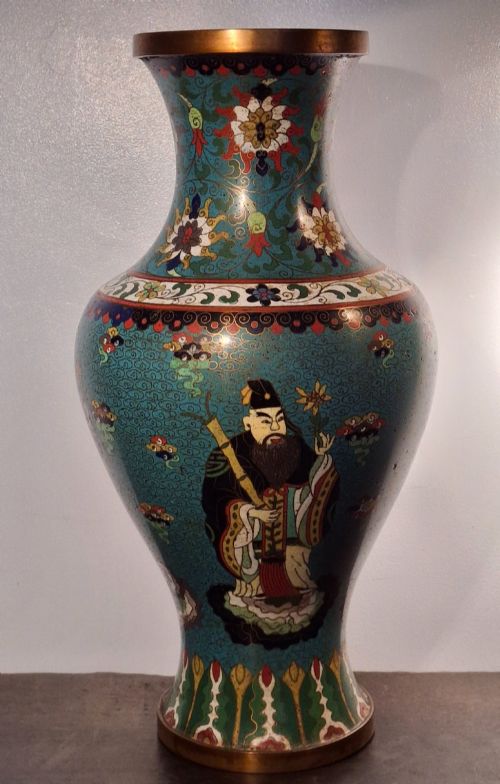
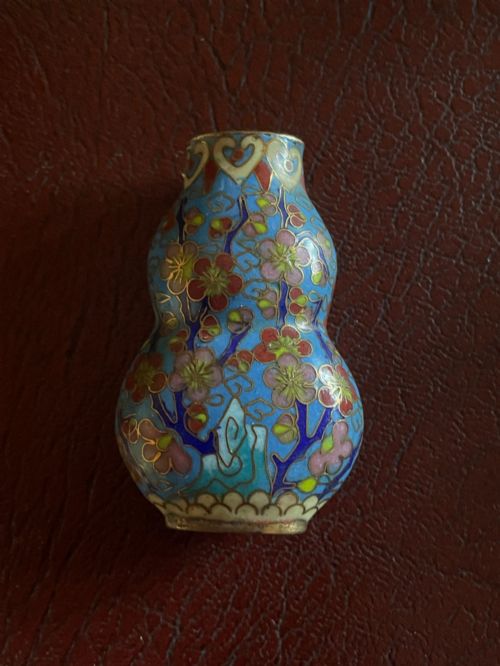
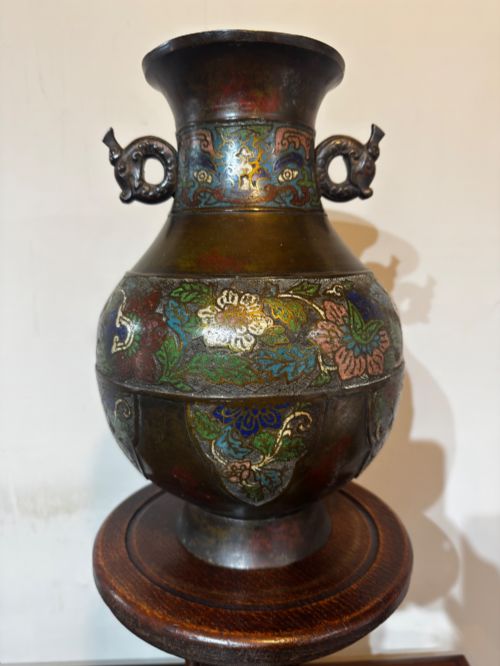
Cloisonné pieces utilise thin copper or bronze wires soldered to a metal base to form compartments, which artisans then fill with coloured glass paste before firing and polishing. Champlevé technique involves carving troughs directly into the bronze surface to receive the enamel pigment.
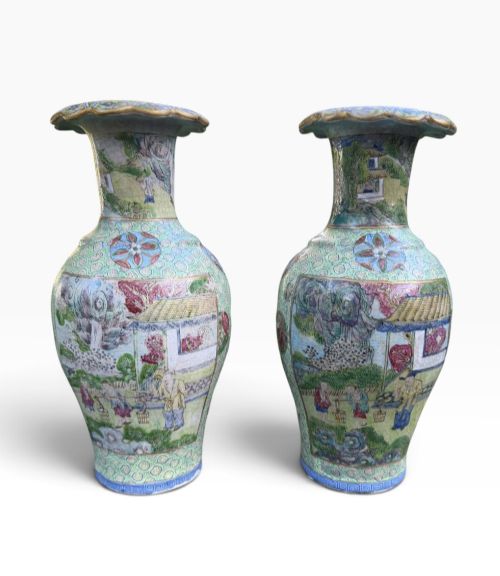
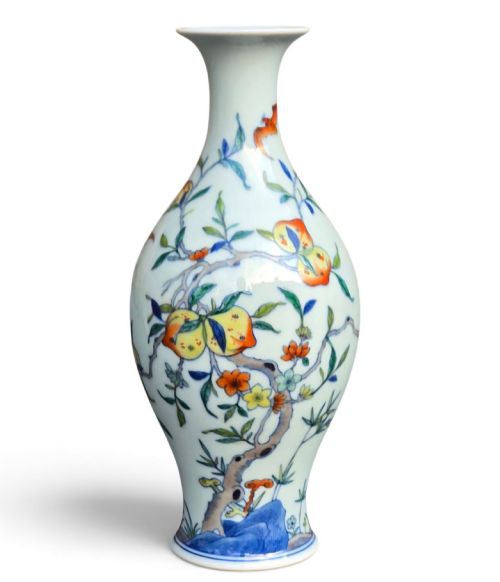
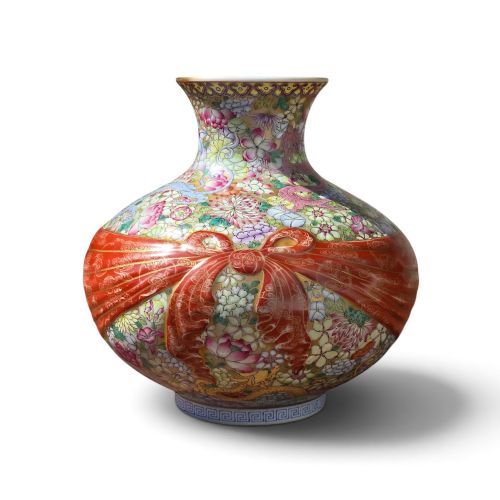
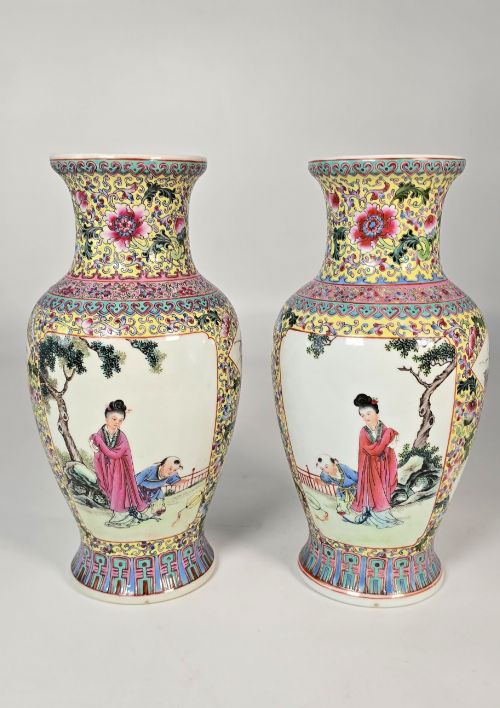
Porcelain bodies rely on hand-painted overglaze enamels such as famille rose and famille noire palettes, sometimes combined with gold leaf, iron-red ribbons, or Yixing stoneware foundations.
Roosters, bats, and Buddhistic lions frequently peer out from the floral enamel grounds, guarding these vessels through centuries of changing interiors.
What varies in quality
The distinction between standard export wares and exceptional pieces lies in the precision of the hand-painting and the crispness of the wirework or casting. Superior examples display dense, finely rendered motifs like millefleurs or intricate scholars' scenes with well-defined facial expressions and controlled colour layering.
Materials also dictate the tier of a piece, with heavy bronze foundations, original hardwood stands, or unmarked imperial-style Qianlong and Guangxu period marks indicating elevated craftsmanship.
The Enamel Chinese Vase Glossary
- Cloisonne Enamel
- A metalwork technique where flat wire is soldered to a base to create cells for enamel paste. The surface is subsequently fired and ground smooth.
- Famille Rose
- A palette of opaque rose-pink and other soft enamel colours introduced in the eighteenth century. It replaced earlier green-dominant palettes on Chinese porcelain.
- Champleve
- A technique where depressions are carved into a metal surface and filled with enamel before firing. It differs from cloisonné by sinking the design into the metal rather than soldering wires on top.
- Baluster Vase
- A vessel form characterised by a swelling lower body, narrow neck, and flared rim. This shape provides a stable base and ample surface area for intricate enamel painting.
- Garniture
- A set of matching vases and jars designed for decorative display on a mantelpiece or cabinet. These sets often combine different heights and lidded configurations.
- Millefleurs
- A dense pattern covering the entire surface with a multitude of painted flowers. Translating to a thousand flowers, it requires immense skill to execute without visual crowding.
Enamel Chinese Vase: Frequently Asked Questions
How do I clean an antique enamel vase?
Dust gently with a soft, dry brush to protect fragile overglaze enamels and aged metal surfaces.
Avoid using water, chemical cleaners, or abrasive cloths that can strip gold leaf or damage delicate cloisonné wires.
Were these vases made for export?
Many nineteenth-century Canton pieces and nineteenth to twentieth-century cloisonné works were specifically produced for Western markets, blending traditional motifs with popular Victorian tastes.
Other examples stem from domestic Chinese production for scholarly use or court display during the Qing dynasty.
How can I tell the period of a vase?
Examine the base for reign marks, though apocryphal marks are common on later copies.
Consider the weight of the bronze or porcelain body, the vibrancy of the enamel colours, and the style of hand-painted figures or flora.
Can I use these vases as table lamps?
Conversion into lamps is a common practice found across many nineteenth-century and early twentieth-century pieces.
Ensure any electrical fitting preserves the structural integrity of the ceramic or bronze vessel without causing permanent damage.