


Empire Chest of Drawers
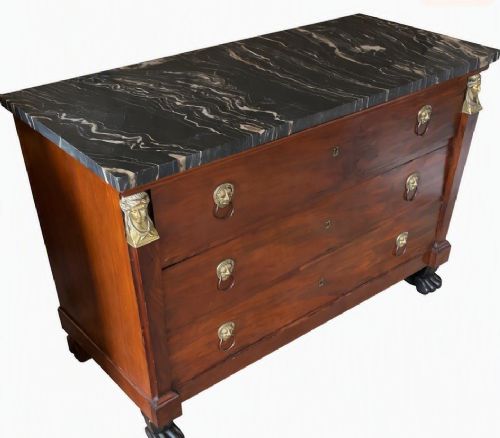
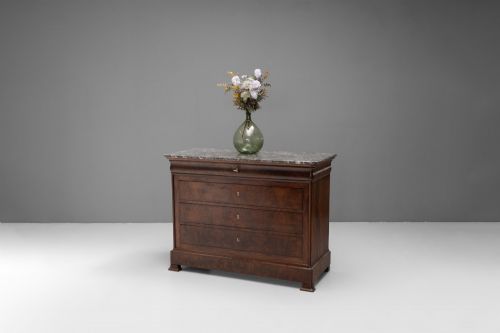
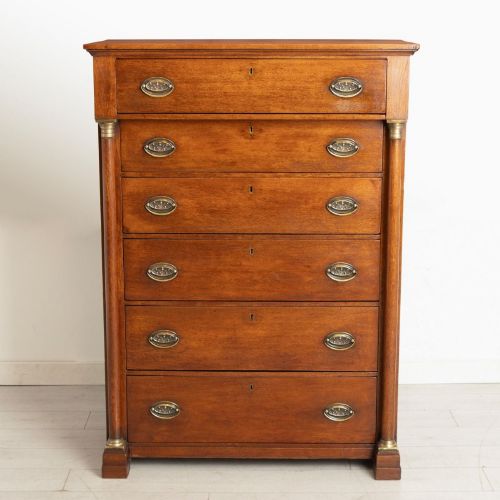
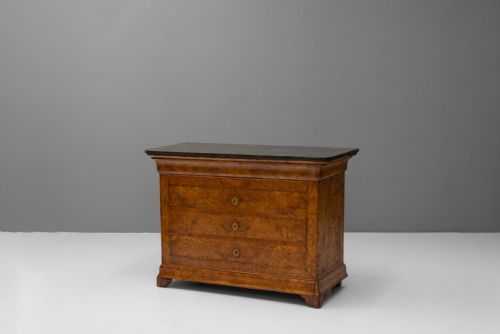
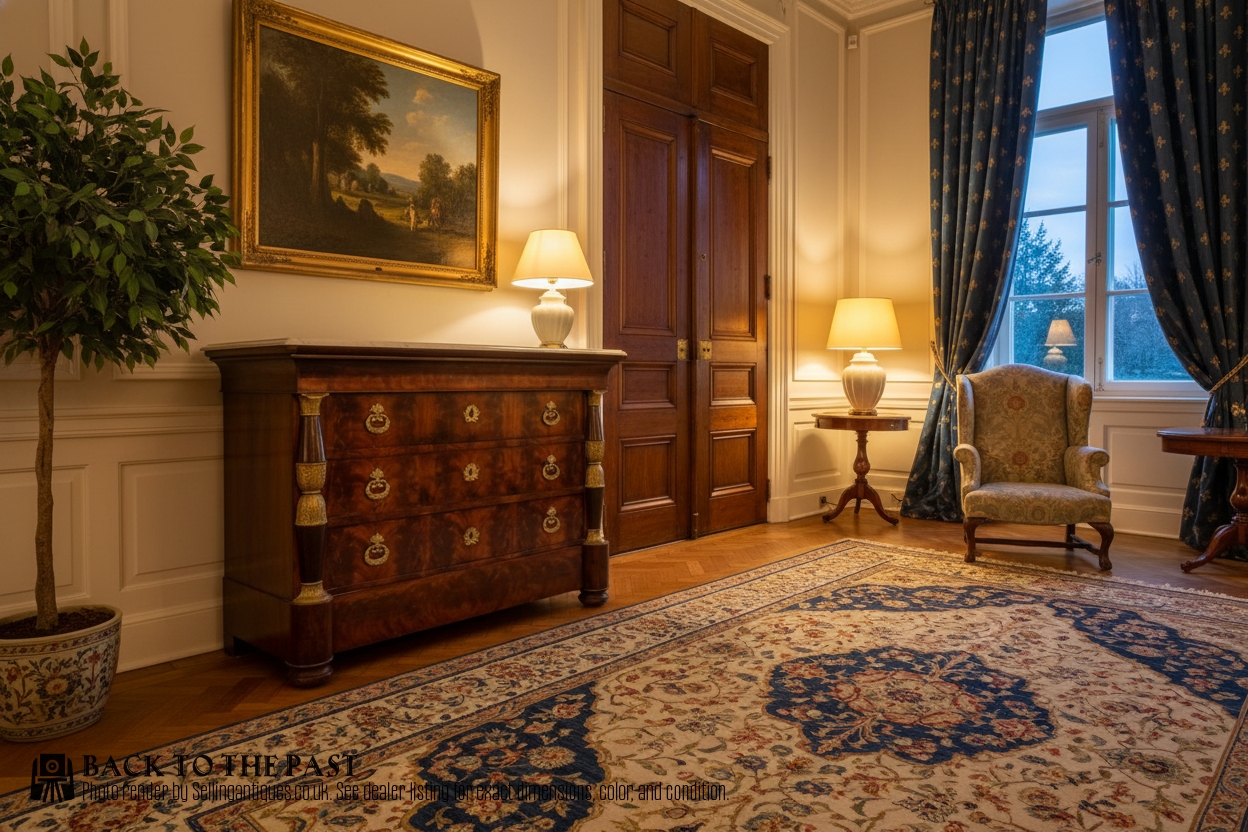
When you select an empire chest of drawers, you choose a monumental form defined by architectural proportion, rich timber veneers, and striking metal mounts.
Empire Chest of Drawers
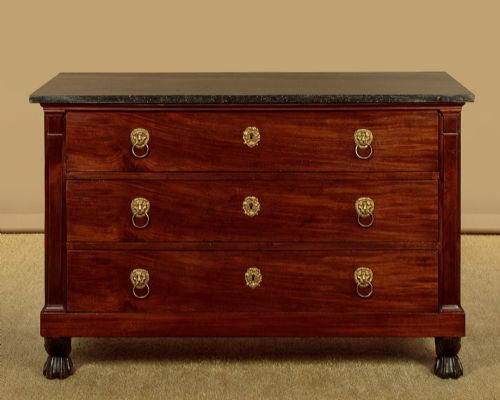
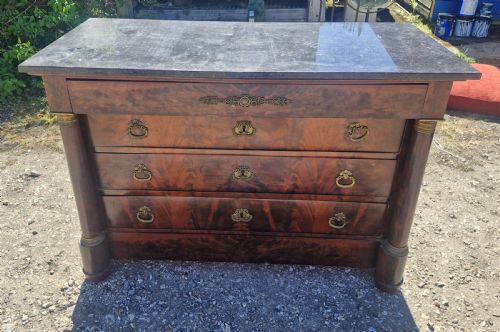
An empire chest of drawers provides substantial storage through a formal, symmetrical arrangement of drawers, often topped with marble. When searching this phrase, buyers encounter prominent French, Swedish, and Dutch examples spanning the early nineteenth century and subsequent revival periods.
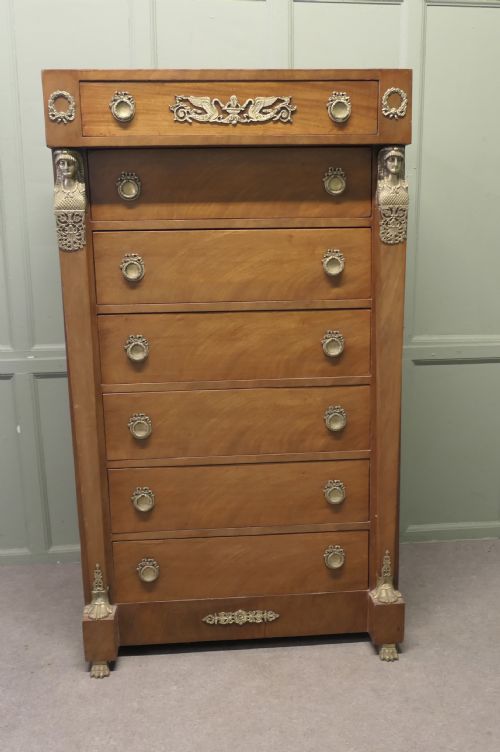
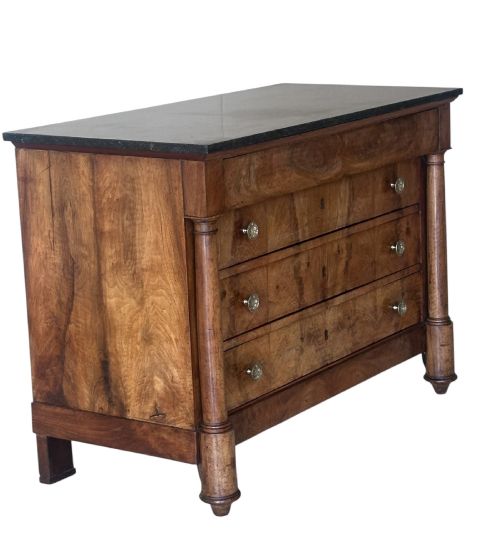
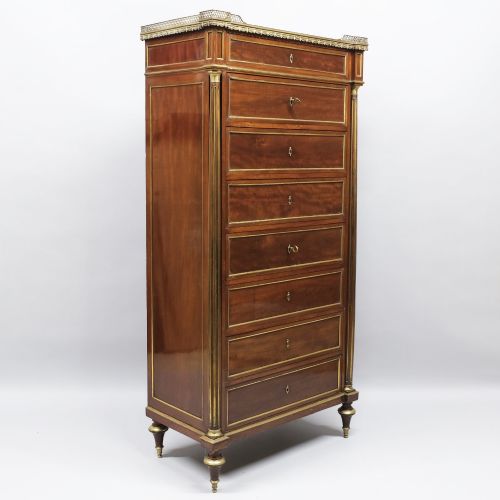
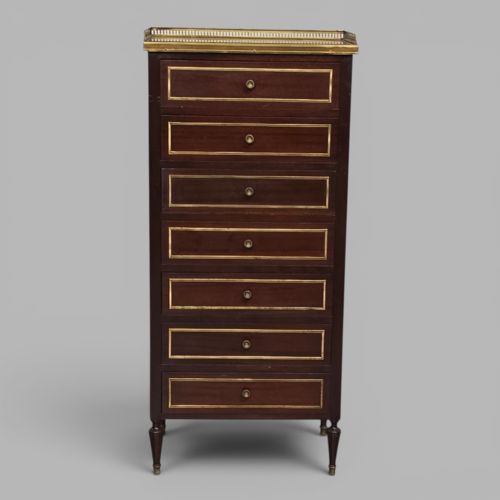
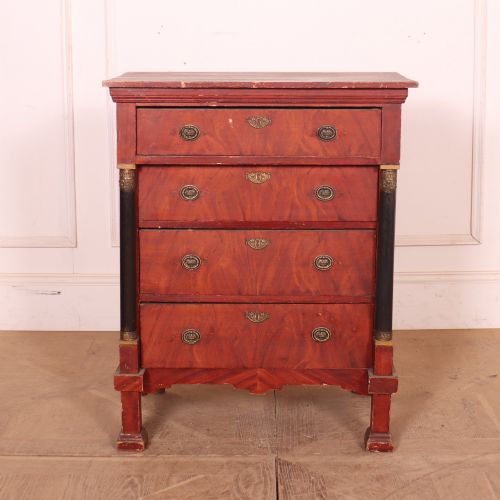
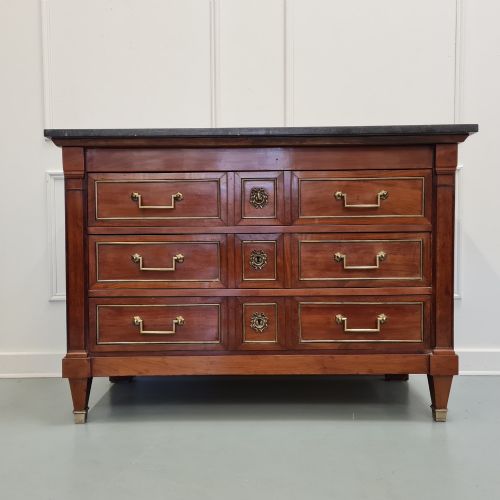
The inventory ranges from grand commodes and tall semainiers to bedside chests and secretaire cabinets. Mahogany, walnut, and birch predominate, frequently enhanced by contrasting column supports and bronze or ormolu hardware.
How they were made
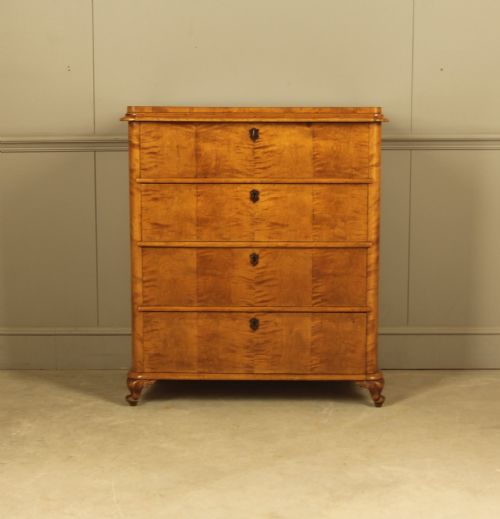
Cabinetmakers constructed these carcases using dense timbers such as mahogany, oak, and pine, applying bookmatched flame veneers, burr walnut, and birch to create dramatic grain patterns on the drawer fronts. Heavy use of mahogany and walnut provides structural stability beneath elaborate surface decoration.
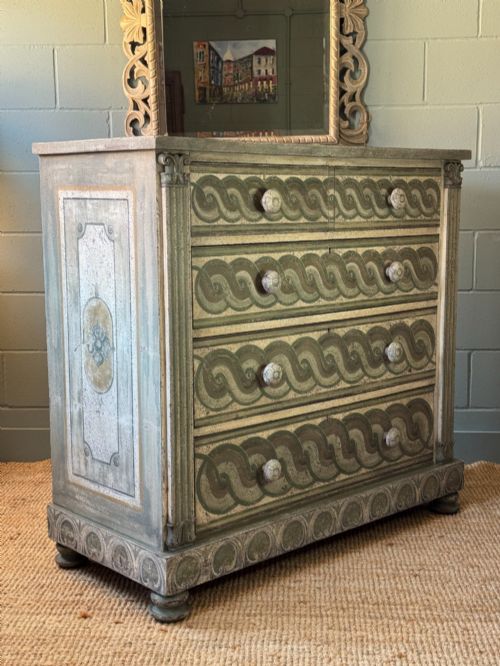
Surfaces frequently integrate white or fossil marble slabs fitted to the top, while cast brass and ormolu mounts accent key architectural points like pilasters and escutcheons. Ebonised wood, marquetry inlay, and painted finishes also appear across continental workshops.
Listings feature periods spanning from the eighteenth century through the 1920s revival, executed in mahogany, walnut, birch, and oak.
What varies in quality
The standard of a piece depends on the precision of the veneer matching and the depth of the timber figuring, where carefully selected flame mahogany or tiger birch elevates the visual impact. Superior examples display crisp, finely chased ormolu or brass mounts rather than simplified cast metal replacements.
Structural integrity of the drawer runners and the thickness of the original marble top further distinguish finer workshops. Pieces retaining integrated locks, original hardware, and uncompromised secondary timbers command greater appreciation.
The Empire Chest of Drawers Glossary
- Commode
- A low French chest of drawers designed with wide proportions and frequently fitted with a marble top. These pieces typically feature multiple full-width drawers behind an imposing facade.
- Semainier
- A tall, slender seven-drawer chest traditionally utilised for holding a week's worth of linen or clothing. This vertical format maximises storage while occupying a minimal floor footprint.
- Ormolu
- Gilded bronze applied as decorative mounts, feet, and handles across the architectural corners of the furniture. The technique involves creating a mercury and gold amalgam fired onto cast bronze.
- Bookmatched
- A method of arranging veneer sheets cut from the same flitch to mirror one another, creating symmetrical patterns across large drawer fronts. This grain alignment is characteristic of finer cabinetmaking.
- Secretaire
- A cabinet incorporating a drop-front writing surface that conceals small internal compartments and drawers. Such dual-purpose furniture combines the storage of a chest with a compact desk.
Empire Chest of Drawers: Frequently Asked Questions
What is an empire chest of drawers?
An empire chest of drawers is a heavy, neoclassical storage unit characterised by symmetrical rectangular proportions, prominent columns, and rich timber veneers. These pieces emerged from nineteenth-century continental design traditions, favouring monumental dignity over ornate carving.
Most examples utilise dense woods like mahogany, walnut, or birch, frequently capped with marble slabs and fitted with cast metal hardware. They serve as both functional bedroom storage and architectural focal points within a room.
How do I identify a semainier?
A semainier is a notably tall and narrow chest featuring seven distinct drawers, designed to hold a week of clothing. This vertical configuration distinguishes it from the wider, lower proportions of standard commodes.
Originating primarily in France, these pieces are exceptionally practical for smaller spaces where floor area is restricted. They often include a locking mechanism that secures all seven drawers simultaneously through a hinged side stile.
Are marble tops original to these chests?
Marble tops are a characteristic feature found on many continental commodes and chests from the nineteenth century. These heavy stone slabs, ranging from white to fossil varieties, provided a durable, cool surface for daily use.
When evaluating a piece, check how the marble sits within the wooden framing and whether the edges show appropriate period bevelling. Original slabs fit the proportions of the carcase precisely without overhang or awkward gaps.
How do Swedish empire pieces differ?
Swedish empire and Biedermeier chests generally showcase lighter timbers such as birch, flame birch, and tiger birch. These regional interpretations often embrace a brighter, cleaner aesthetic compared to darker French mahogany variants.
Cabinetmakers in Sweden balanced neoclassical architectural restraint with warm, highly figured veneers. The resulting pieces maintain the formal columns and hardware of the style while introducing a distinct Scandinavian lightness.