


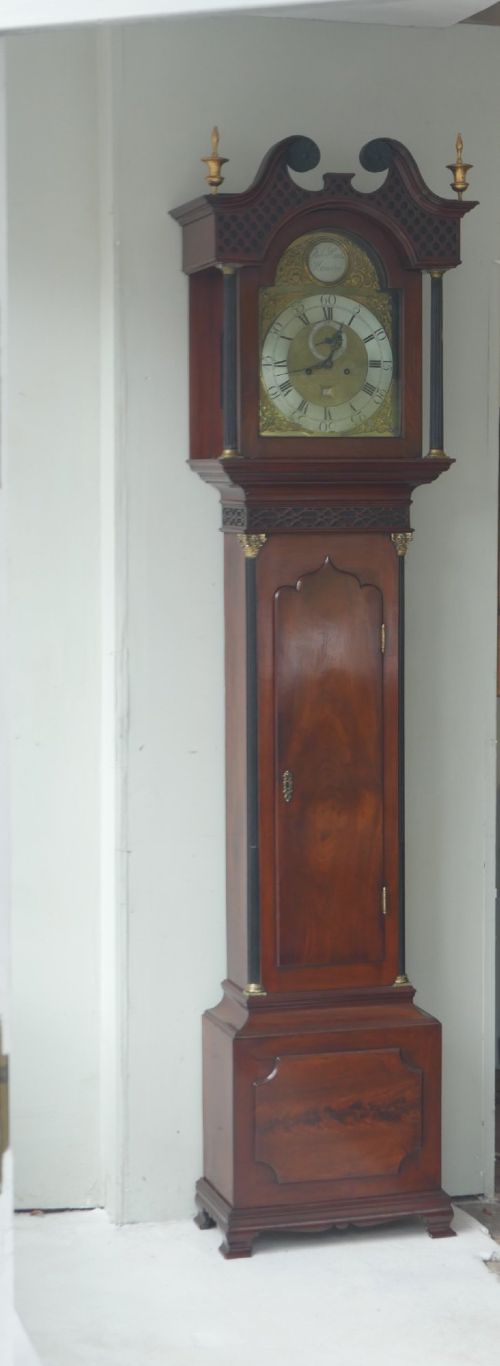
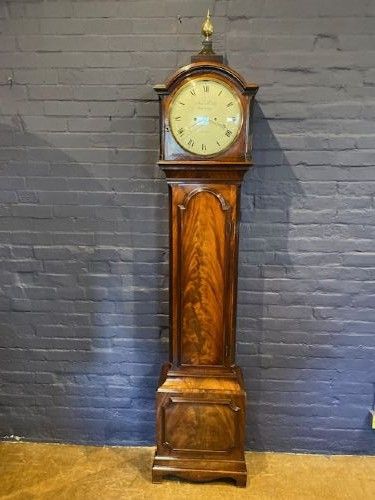
Eight Day Clock Case
An eight day clock case houses the weight-driven mechanism of a tallcase clock, protecting the movement while anchoring the room with architectural presence.
Eight Day Clock Case
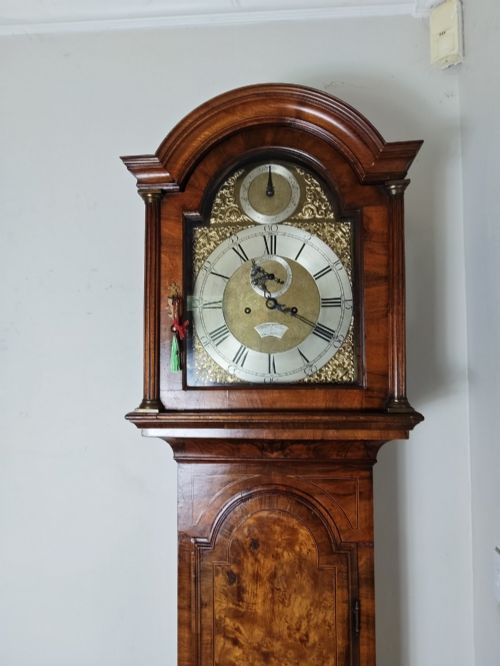
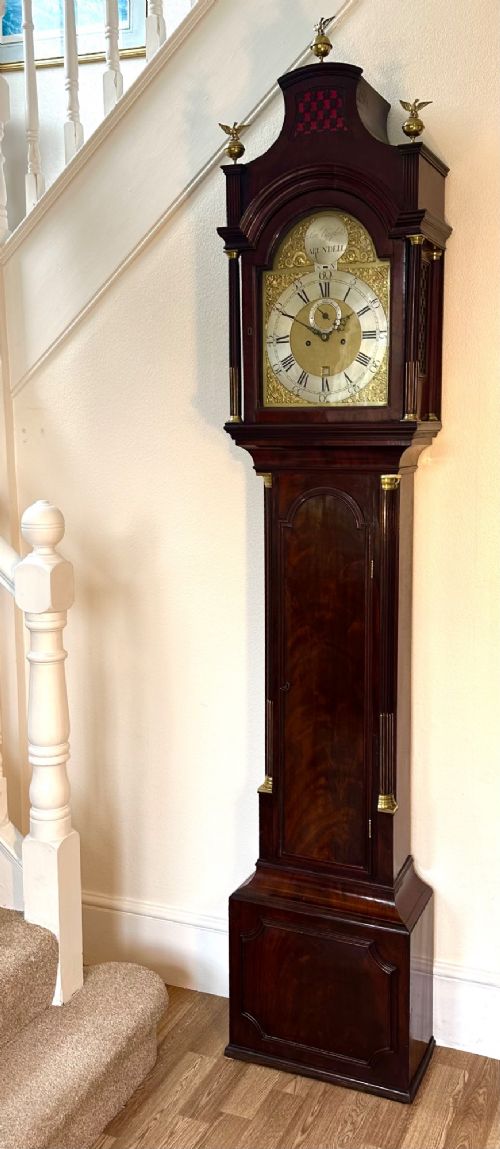
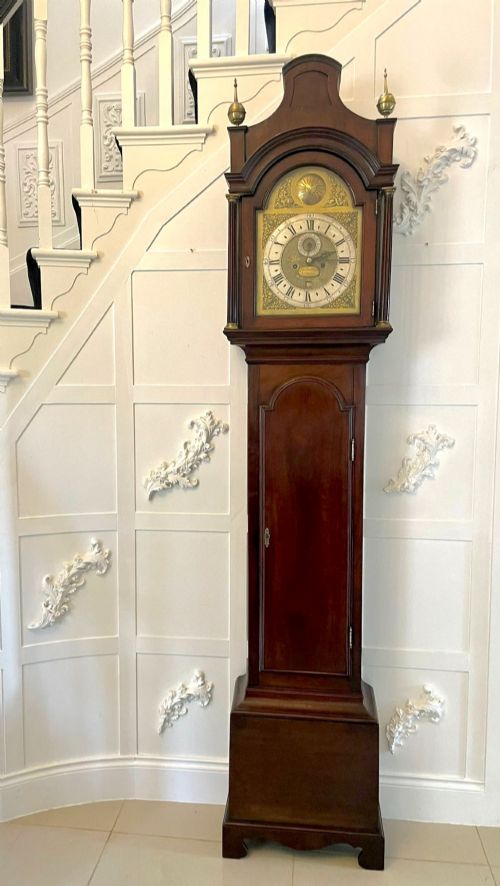
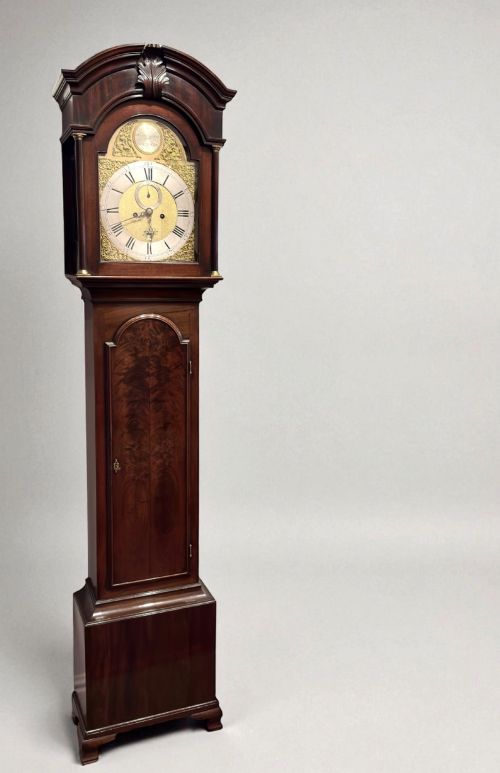
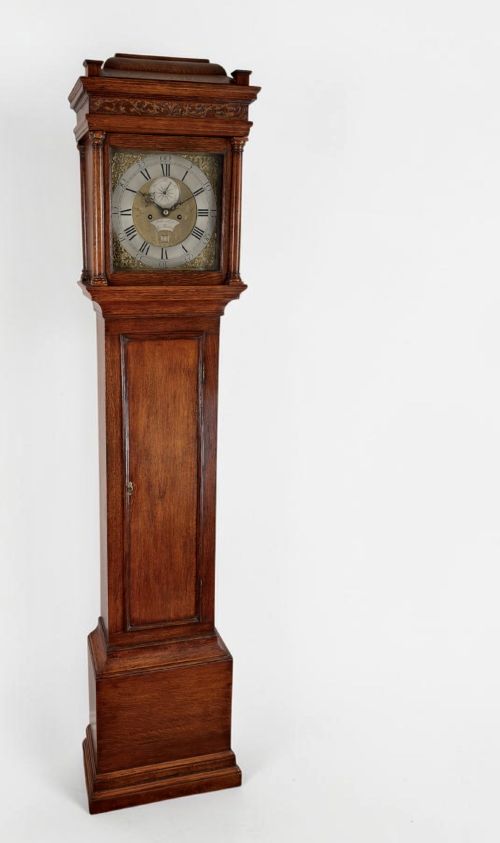
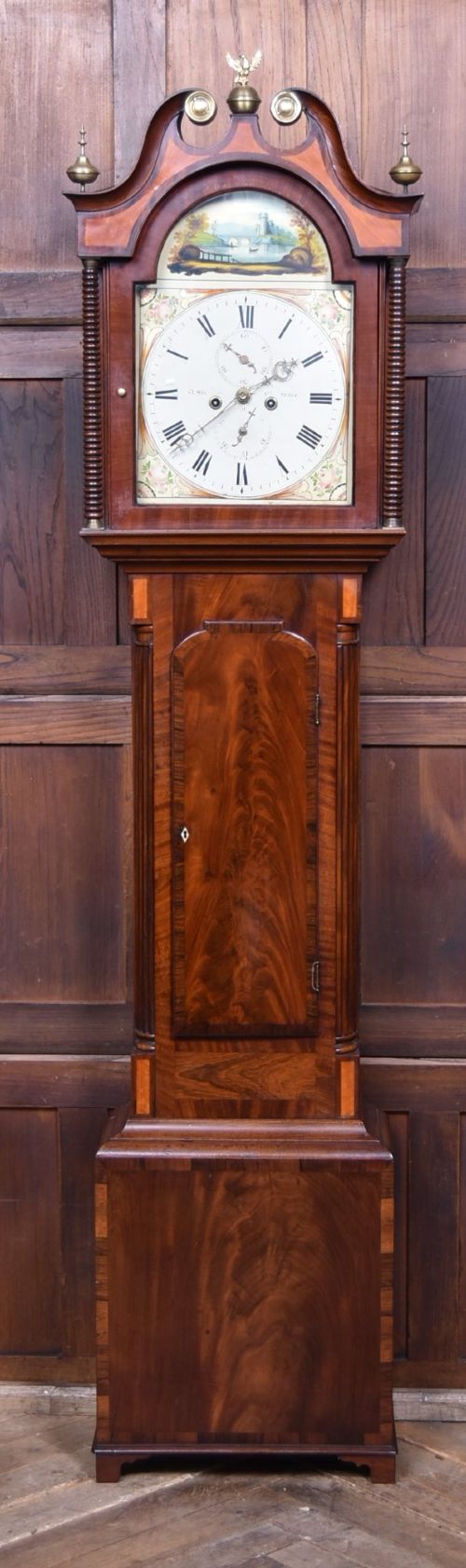
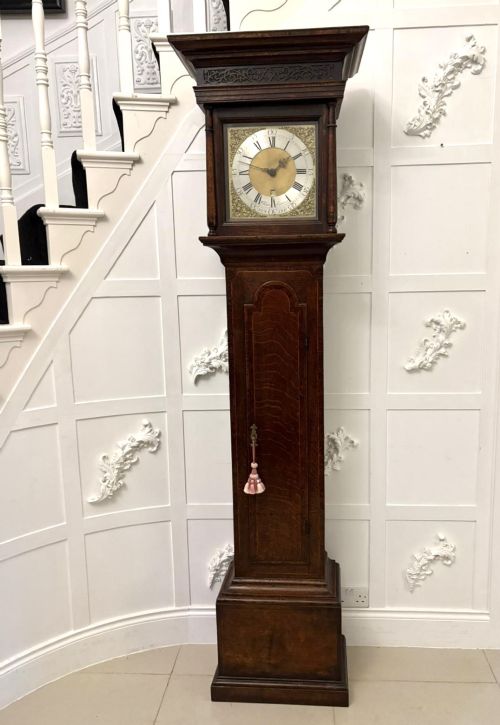
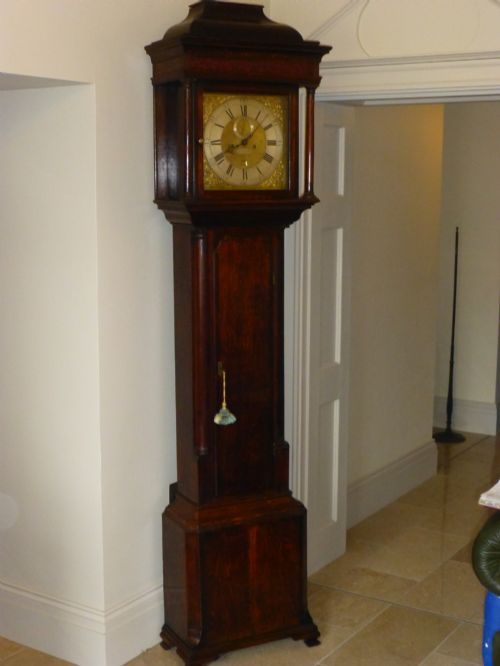
An eight day clock case represents the protective housing built to enclose a precision longcase or grandfather clock mechanism requiring winding once a week. These tall wooden enclosures date primarily from the Georgian, Victorian and 18th-century periods, with regional examples originating from English, Scottish and Welsh workshops.
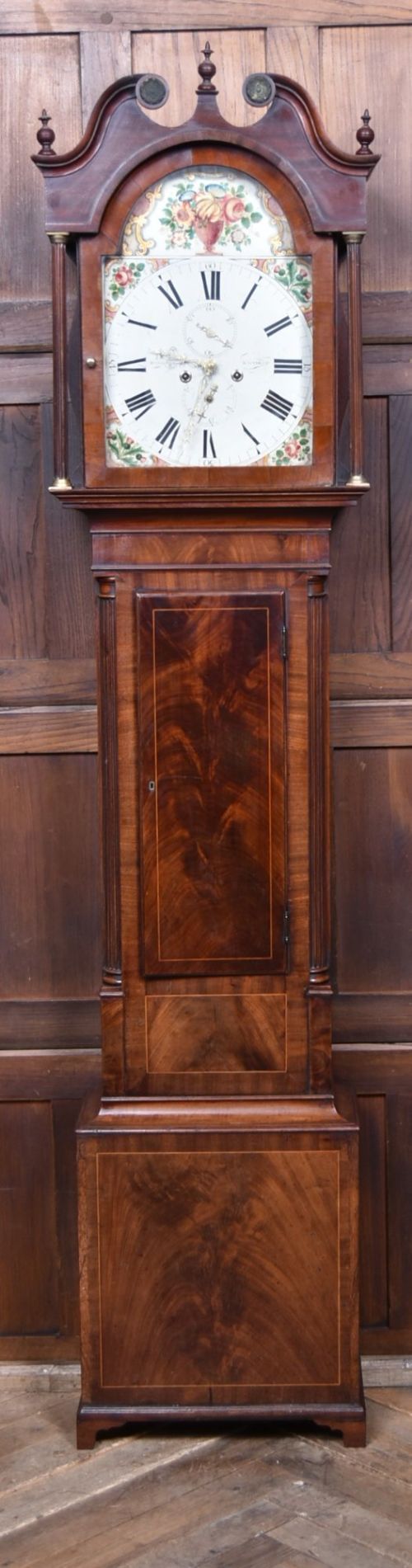
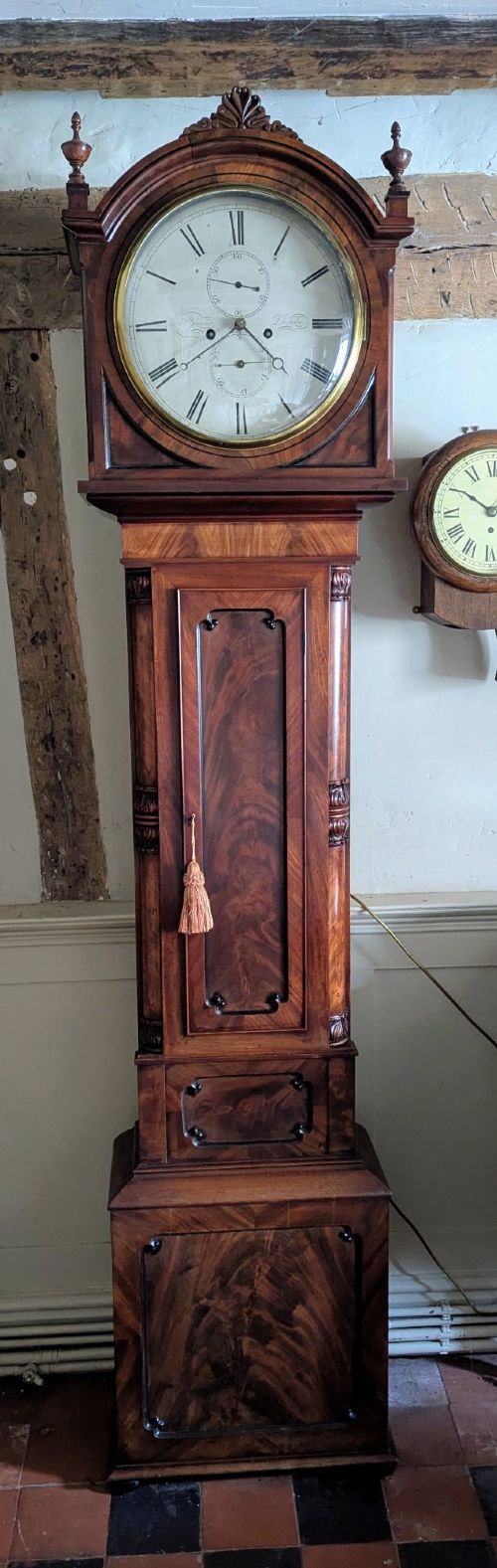
The version most frequently met on this page is the tall mahogany or oak longcase enclosure, often standing over six feet in height with a trunk door, hood and dial face. Buyers search for these items to house functional antique movements or to display traditional cabinet work within a domestic setting.
How they were made
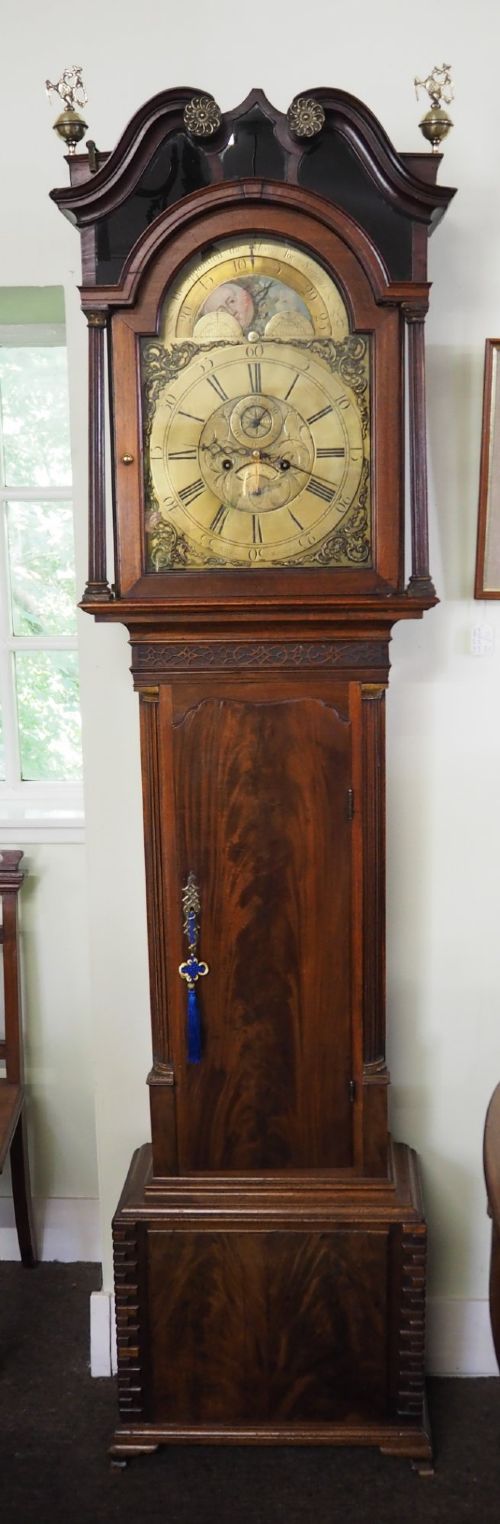
Cabinetmakers constructed these vertical housings predominantly using native oak, walnut and imported mahogany, frequently selecting flame mahogany veneers or burr walnut for decorative grain patterns on the trunk door and hood. Selected examples incorporate brass dial faces, glass panels, painted iron dials and steel components.
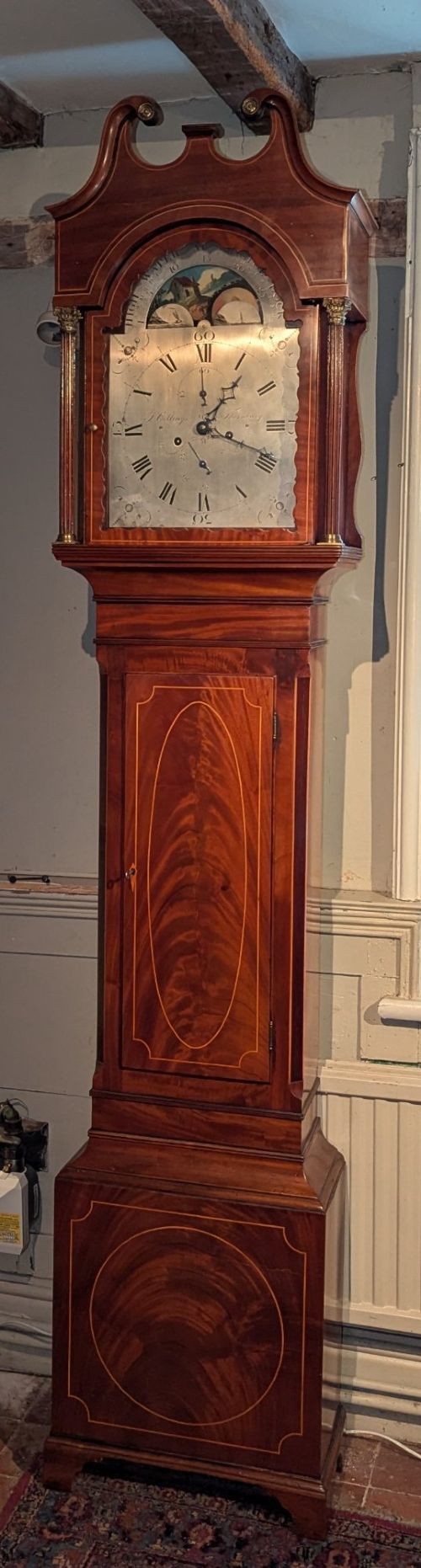
Joinery techniques relied on traditional frame-and-panel construction for the base and trunk, alongside glazed hinged doors on the hood to permit viewing of the dial. Cabinetmakers integrated moulded cornices, fretwork friezes and inlaid stringing to elevate the visual weight of the tall pine or oak carcases.
Listings span the 17th, 18th, 19th, and 20th centuries, utilising oak, mahogany, walnut, brass, and painted iron materials.
What varies in quality
The caliber of the timber selection dictates much of the distinction between standard and superior enclosures, separating plain domestic carcases from those utilising figured flame mahogany, burr oak or matched walnut veneers. The crispness of carved mouldings, applied fretwork and architectural pillars on the hood similarly separates competent provincial joinery from accomplished metropolitan workshop output.
Proportion and architectural balance define the overall success of the piece, where properly scaled hoods, well-balanced trunk doors and undisturbed original patination elevate the standing of the enclosure. The integration of brass dial work and secondary woods matching the primary exterior carcase indicates higher original commission standards.
Charles Shuckburgh·Hendrie Ogg·Gordon of Aberdeen·Lee of Great Marlow·D. Straiton·James Field·Richard Corless·Handley & Moore·Henry Weedon·Edward Shepley·Matt Wylie·Henri Jacot·Charles Dowsett·John Denbigh·Thomas Cartwright·R Biggs·J Collier·John Stokes·Thomas Sandon·Philip Beard·Henry Cross·Thomas Bawden·Massey Newcastle·Ganz of Swansea·Camerer Cuss
The Eight Day Clock Case Glossary
- Longcase clock
- A tall, weight-driven timekeeper housed in a vertical wooden case standing directly on the floor. These pieces are frequently referred to as grandfather clocks.
- Hood
- The upper glazed section of the case that encloses the dial and movement. This part lifts off or opens forward to allow access to the clock face.
- Trunk
- The long central body of the case that protects the hanging driving weights and pendulums. It is accessed via a lockable wooden door.
- Dial face
- The visible circular or square plate displaying the hours, minutes and subsidiary hands. Materials range from engraved brass to painted iron.
- Quarter chiming
- A mechanical capability that sounds auxiliary bells or gongs at the quarter-hour intervals. This system requires multiple driving weights within the trunk.
Eight Day Clock Case: Frequently Asked Questions
How do I wind an eight day clock?
Winding requires inserting a crank key into the winding holes on the dial face to draw the weights back up toward the hood. This action should be performed steadily every seven days to maintain tension on the movement.
Ensure you do not over-wind the mechanism once the weights reach their upper limit near the dial plate. Regular weekly winding keeps the beat consistent and prevents the clock from stopping.
Where should I place a longcase clock?
Position the enclosure against a solid interior wall away from direct sunlight, heating vents and damp exterior surfaces. Fluctuating temperatures and humidity can alter the wooden carcase and affect the movement.
Secure the back of the tall case to the wall using discreet brackets to prevent tipping during daily operation or household movement. A stable floor surface ensures the pendulum swings evenly without catching.
How do I tell an oak case from a mahogany case?
Oak displays a prominent open grain with distinct medullary rays, often showing a warm brown tone with visible growth rings. Mahogany presents a tighter, smoother grain structure that deepens to a rich reddish-brown hue over centuries.
Examining the interior secondary woods and the underside of the base will confirm the primary timber used by the cabinetmaker. Flame mahogany and burr walnut varieties exhibit highly figured, swirling patterns across the main trunk door.
What is a moon dial?
A moon dial is a painted or engraved secondary disc located above the main clock face that tracks the lunar cycle over twenty-nine and a half days. This mechanism rotates behind a shaped arch to show the phases of the moon.
Cabinetmakers integrated these complicated displays into taller hoods during the Georgian period for maritime and agricultural utility. They add visual complexity to the upper dial arch of the clock.