

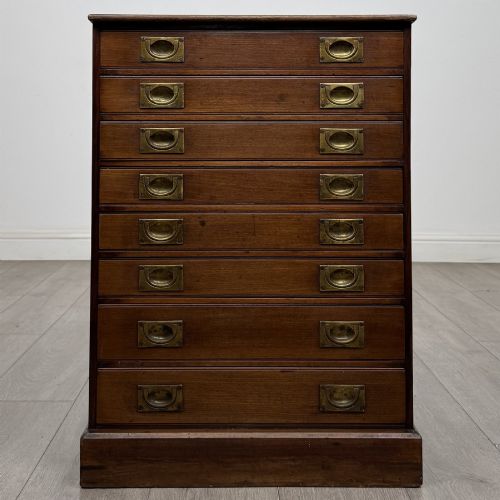
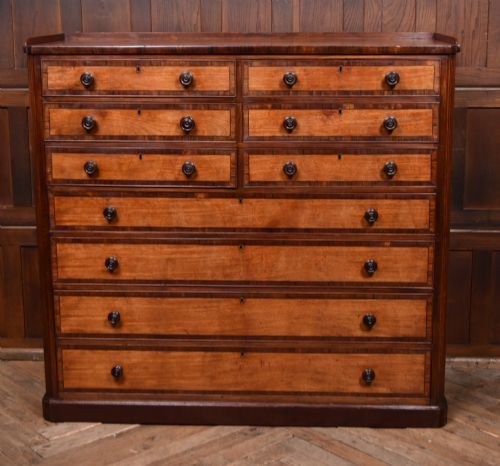
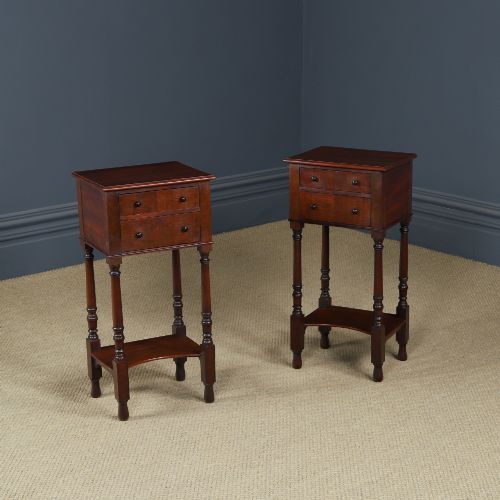
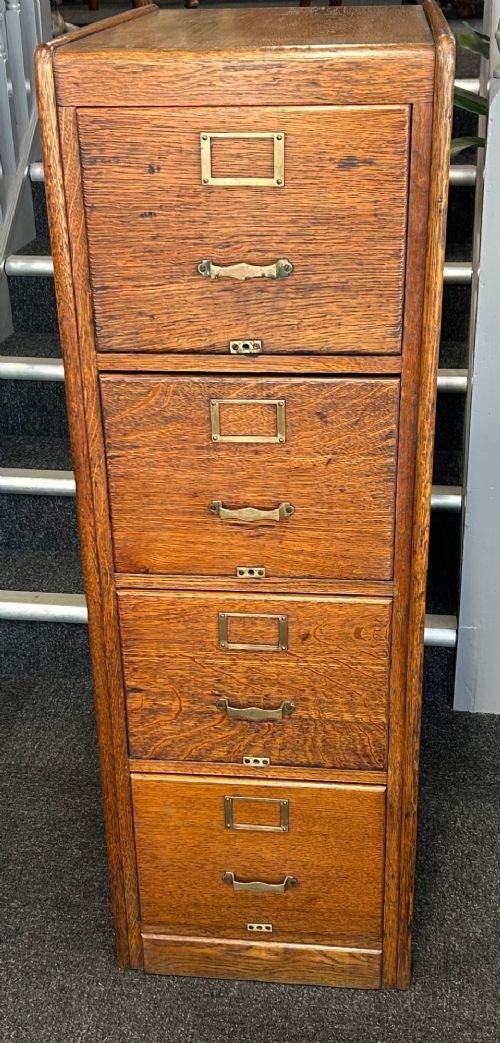
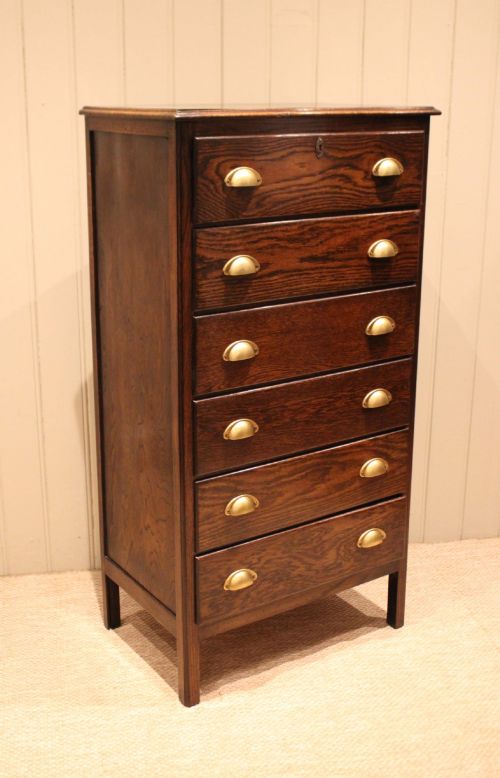
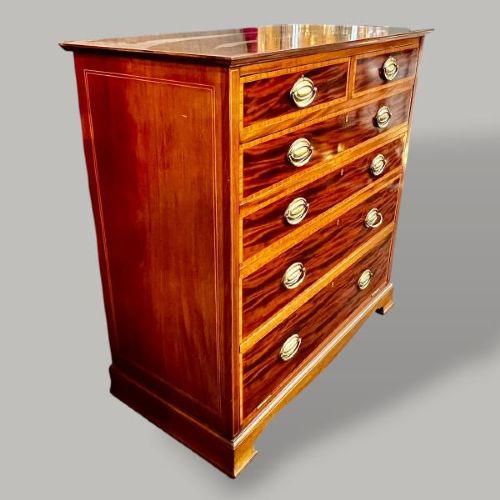
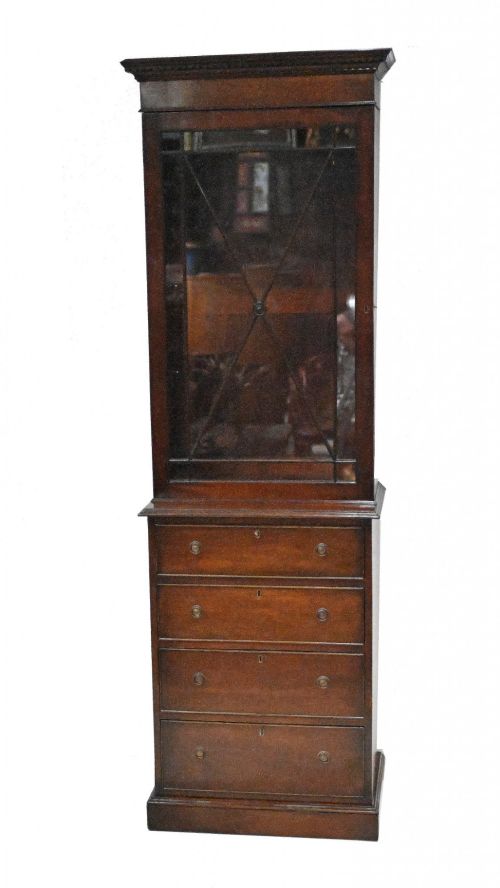
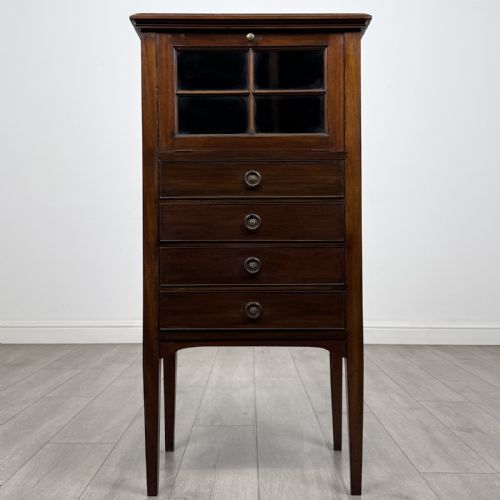
Edwardian Tall Chest Drawers
When choosing an edwardian tall chest drawers, you select vertical storage pieces designed to maximise floor space while offering deep drawer capacity.
Edwardian Tall Chest Drawers
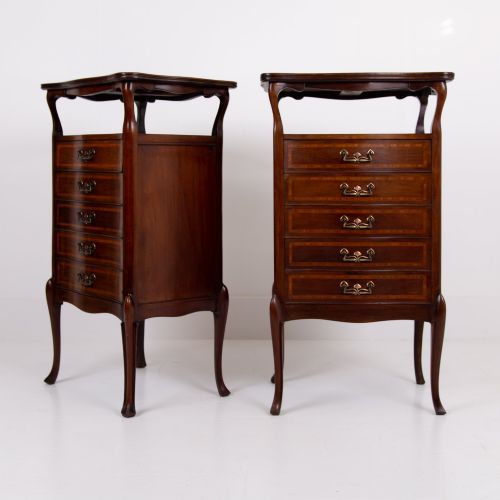
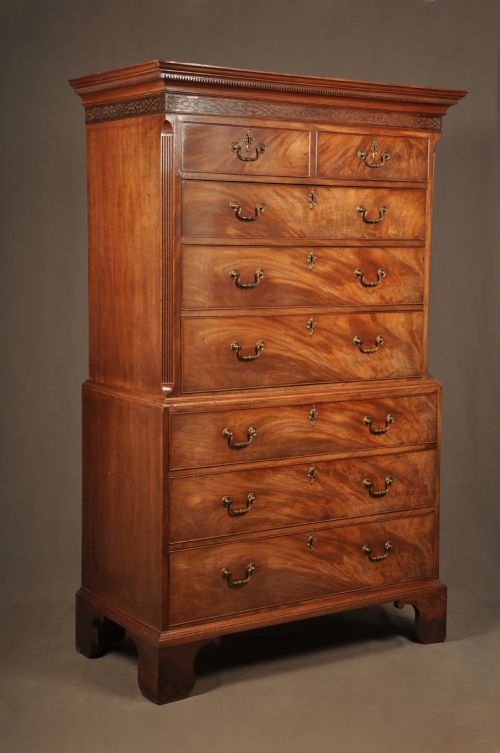
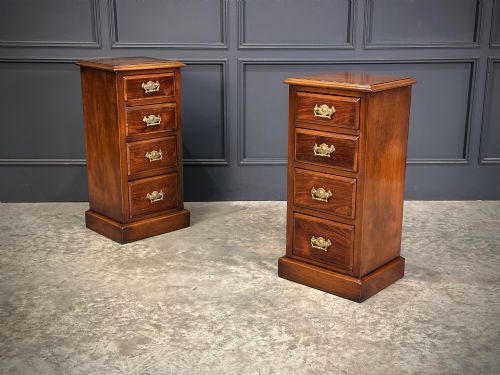
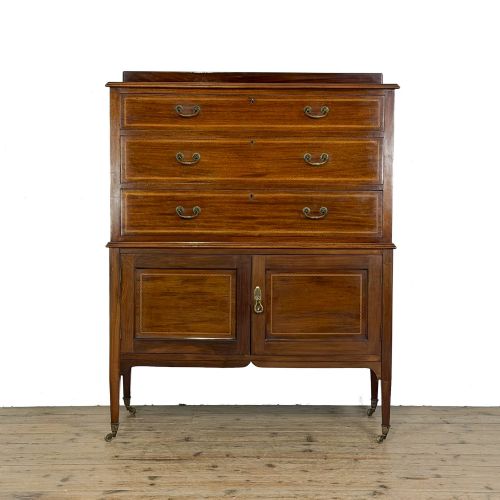
When searching for an edwardian tall chest drawers, buyers examine upright storage furniture designed for bedrooms and dressing rooms. These pieces provide multiple tiers of drawers within a narrow footprint, making them suitable for tighter spaces.
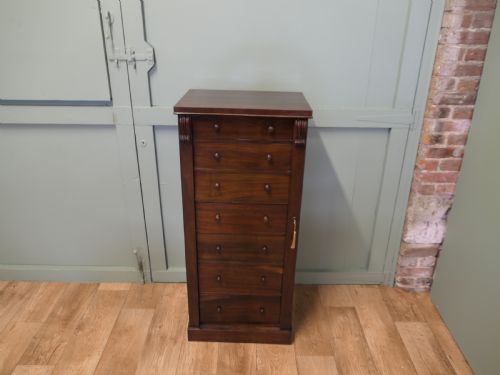
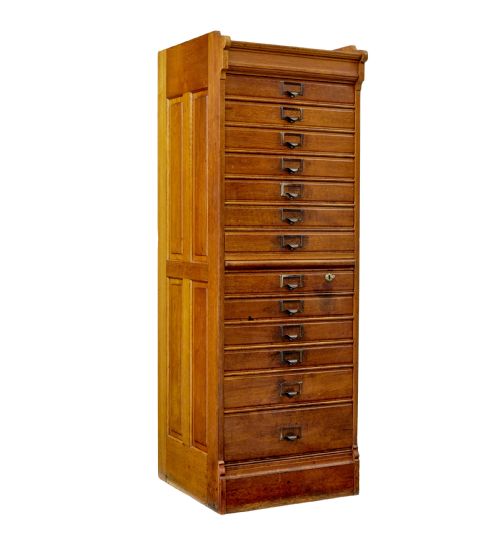
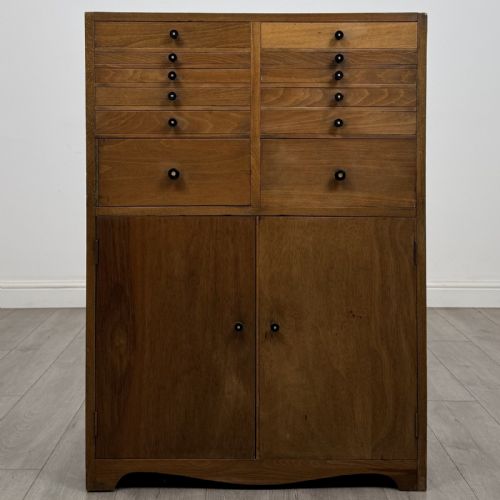
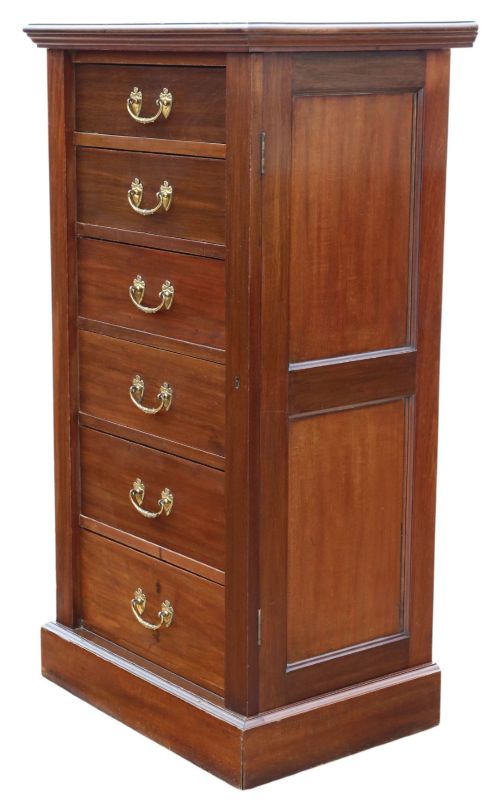
The selection includes dedicated tallboys, pillar chests, and Wellington chests dating primarily from the early twentieth century. Variations in height and width accommodate different storage needs while maintaining a slender profile.
Makers of the period drew upon earlier Georgian, Sheraton, and Regency design principles. This historical influence appears in proportions, bracket feet, and classical stringing across the drawer fronts.
How They Were Made
Cabinet makers utilised dense timbers such as mahogany, walnut, satinwood, and oak for structural integrity and visual depth. Selected drawer fronts frequently feature flamed or figured veneer arrangements to highlight natural grain patterns.
Inlay work incorporating contrasting woods defines many pieces from this era, alongside hand-cut dovetail joints securing the drawer boxes. Brass handles, escutcheons, and occasional metal locking mechanisms complete the construction of Wellington chests.
Edwardian Tall Chest Drawers Retail Price Guide 2026
Typical asking prices for edwardian tall chest drawers among the pieces listed under this phrase on Sellingantiques today, from the lower quarter to the upper quarter. They describe what is for sale here now, not the wider market.
Selected storage units incorporate secret side-locking bars, allowing owners to lock all drawers simultaneously with a single key.
What Varies in Quality
Graduation of drawer depths and the continuity of timber figure across the facade distinguish finer workshops from standard production. Superior examples display careful matching of veneers and meticulous inlay work that remains intact.
Original hardware, sound internal framing, and smooth drawer action indicate careful initial manufacture. Maker signatures or paper labels inside drawers confirm attribution to prominent retail houses.
J Shoolbred·Maple and Co·Waring and Gillows·Gillows of Lancaster·Heals
The Edwardian Tall Chest Drawers Glossary
- Wellington chest
- A tall, narrow chest of drawers secured by a hinged locking side flap that fastens over the drawer edges. This mechanism allowed owners to secure valuable textiles or papers.
- Tallboy
- A tall chest of drawers traditionally built in two sections, often featuring a smaller chest stacked upon a larger base. Edwardian variations frequently integrate this silhouette into a single unified carcase.
- Veneer
- A thin layer of figured timber applied to a secondary wood base to provide decorative patterns. Flame mahogany and satinwood veneers typify refined Edwardian cabinet making.
- Inlay
- The technique of inserting contrasting strips of light and dark wood into the primary surface to form geometric or floral borders. Sheraton revival pieces rely heavily on this decorative method.
- Dovetail joint
- An interlocking wood joint utilised at the corners of drawer boxes to ensure structural rigidity. Hand-cut dovetails indicate traditional craftsmanship before mass production methods predominated.
Edwardian Tall Chest Drawers: Frequently Asked Questions
Where should I place a tall chest?
These upright chests suit bedrooms, hallways, or dressing rooms where floor space is limited. Their vertical proportions provide significant storage without dominating the room.
Ensure adequate clearance for drawers to open fully, particularly in narrower corridors or beside larger items of furniture.
How do I secure tall furniture safely?
Tall furniture benefits from attachment to wall anchors to prevent tipping, especially when upper drawers are fully loaded. Proper placement on level flooring maintains stability.
Distributing heavier items in the lower drawers also helps keep the centre of gravity low.
What distinguishes Edwardian from Victorian styles?
Edwardian designs generally favour lighter proportions, brighter mahogany tones, and restrained classical revival inlay. Victorian counterparts often appear heavier, with darker timber finishes and deep moulded cornices.
Graduated drawers and refined bracket feet are more typical of the Edwardian aesthetic.
How do I care for antique mahogany surfaces?
Maintain timber surfaces by dusting with a dry lint-free cloth and avoiding silicone polishes. Periodic application of quality beeswax preserves the lustre of the wood.
Keep pieces away from direct heat sources and strong sunlight to prevent timber shrinkage and fading.