
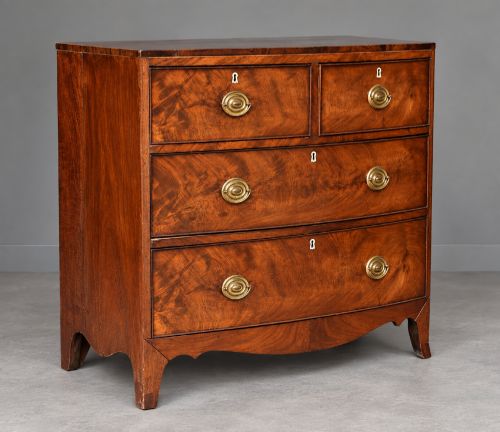
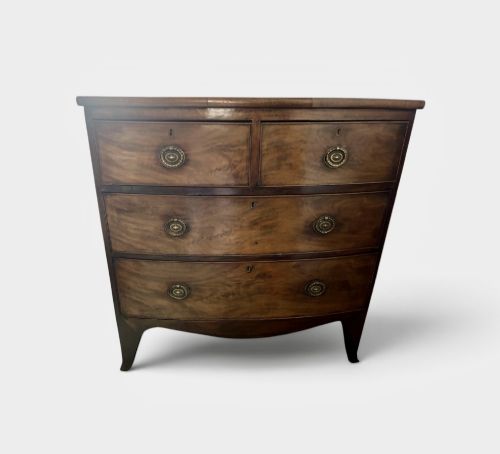
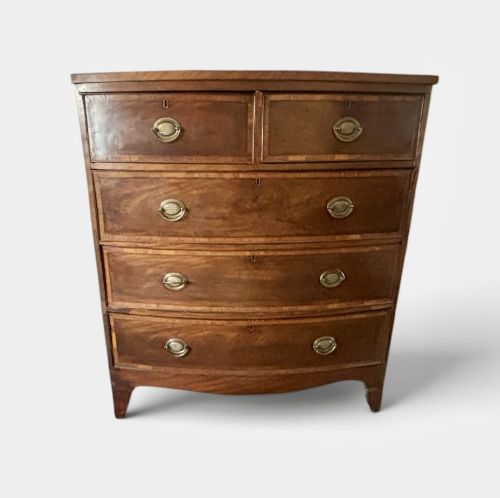


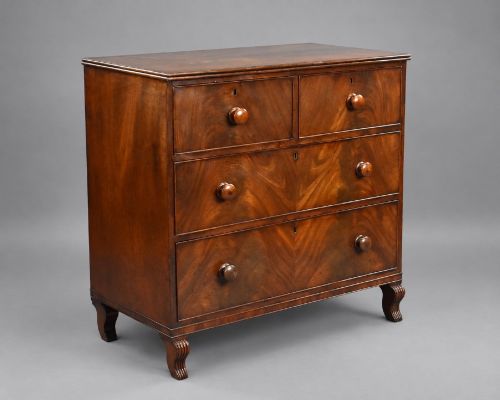
Brown Mahogany Storage Chest
A brown mahogany storage chest offers practical storage combined with rich wood grain and traditional craftsmanship.
Brown Mahogany Storage Chest
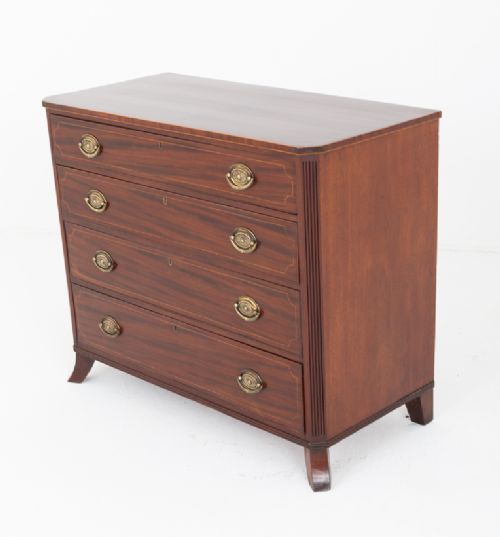
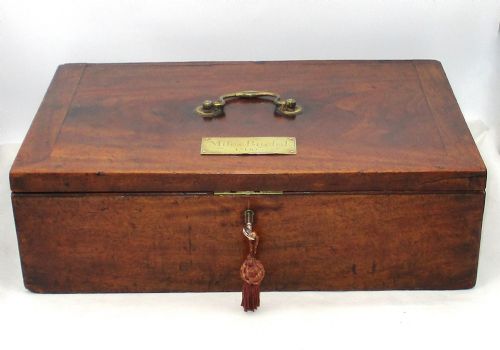
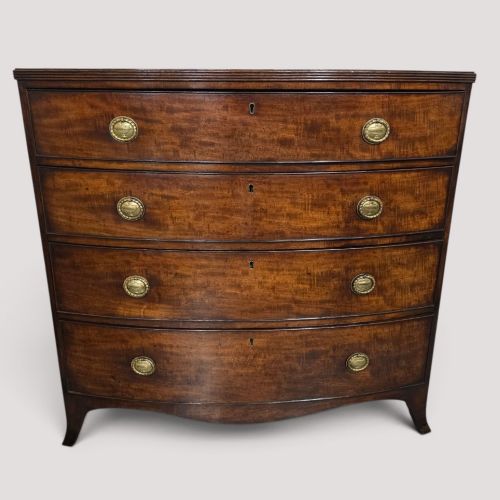
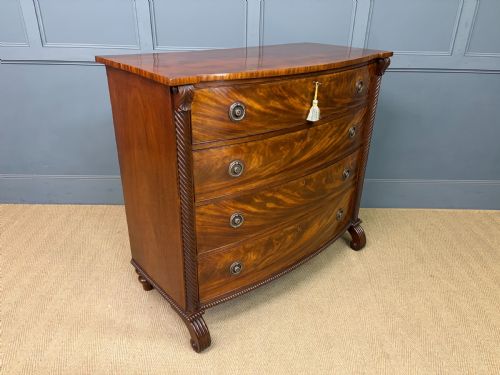
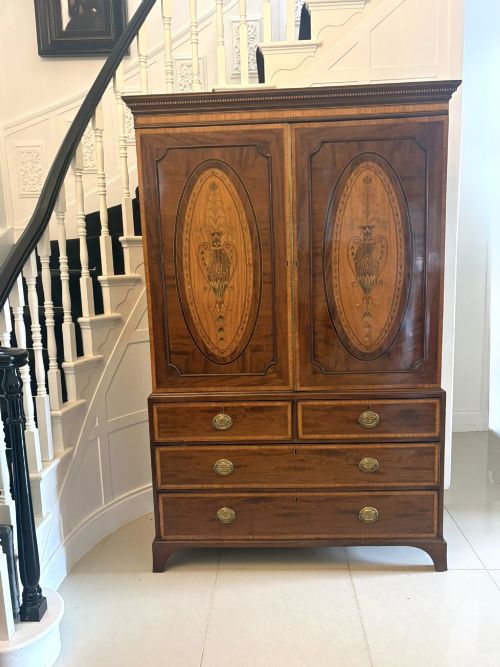
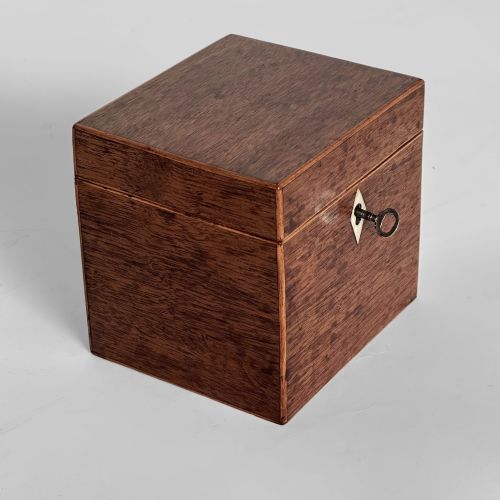
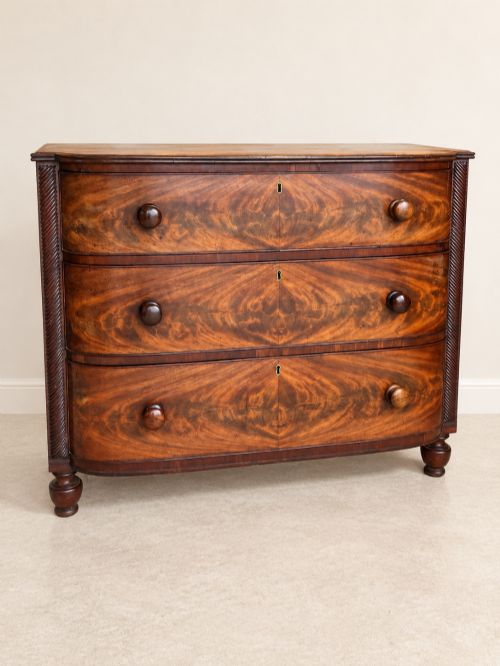
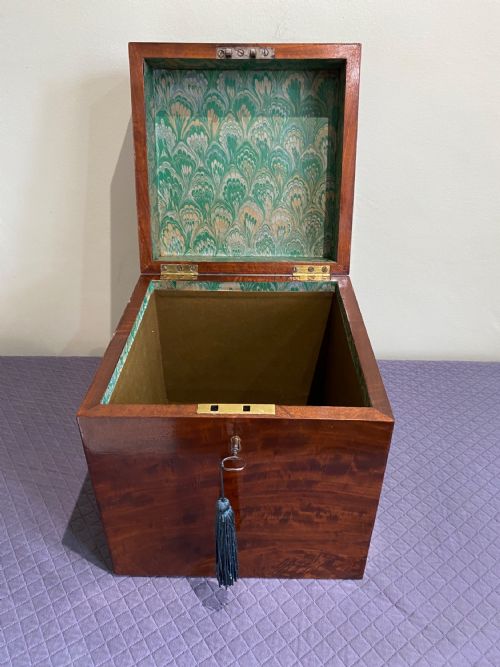
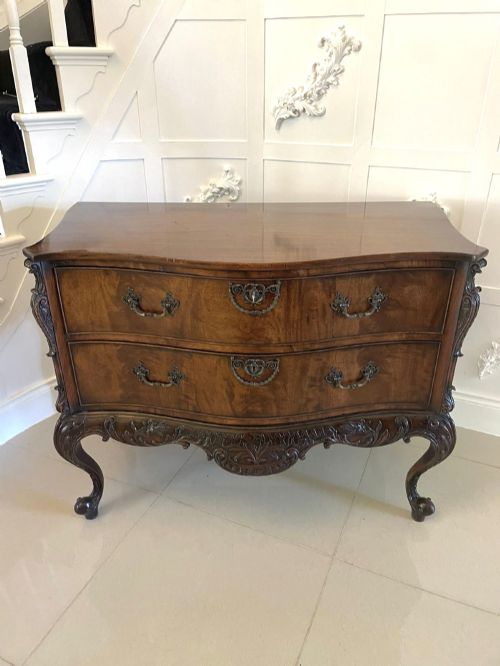
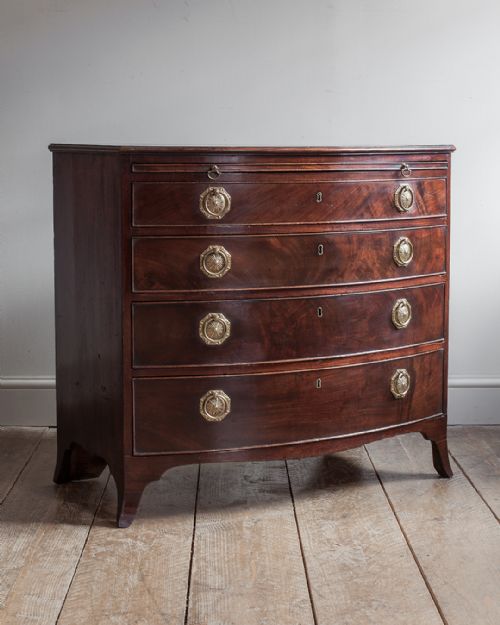
When searching for a brown mahogany storage chest, buyers encounter a variety of forms designed for domestic storage across multiple historical periods. The most common examples meeting this description on this page are chests of drawers, alongside linen presses and smaller document boxes.
These items originate from periods spanning the eighteenth, nineteenth, and early twentieth centuries, encompassing Georgian, Regency, Victorian, and Edwardian eras. Formats range from bow-front and serpentine shapes to tallboys and campaign chests.
The primary function remains storage, whether for clothing, documents, or household linens. The enduring appeal lies in the combination of solid timber construction and functional compartment layouts.
How they were made
Cabinetmakers utilised solid mahogany and flame mahogany veneer applied to secondary timbers, often incorporating satinwood banding or crossbanding for decorative contrast. Surfaces were finished to highlight the natural grain and deep brown colour of the wood.
Metal hardware such as brass handles and escutcheons were fitted to drawers and compartments, while occasional details like bone inlay or leather top surfaces appeared on specific forms like campaign chests.
One exceptional piece includes a secret compartment designed for stashing midnight snacks away from the household staff.
What varies in quality
The grade of timber used for the visible surfaces dictates much of the visual appeal, with figured mahogany and flame veneers setting apart superior examples from plain ones. Finer pieces demonstrate careful book-matching of veneers and precise timber selection across drawer fronts.
Construction methods and secondary details also distinguish better pieces, such as the inclusion of sliding shelves, complex serpentine or bow fronts, and well-executed satinwood inlay work. The crispness of drawer dovetailing and the retention of original brass hardware further separate standard production from high workshop output.
The Brown Mahogany Storage Chest Glossary
- Bow front
- A convex, curved front profile popular on chests of drawers during the Georgian and Regency periods. This shape softens the room's geometry while providing slightly more internal storage capacity.
- Serpentine
- A gently undulating front shape featuring a convex centre flanked by concave curves. This complex cabinetmaking technique indicates a piece of higher status and ambition.
- Crossbanding
- A border technique where thin strips of veneer are laid perpendicular to the grain of the primary surface. Satinwood is frequently utilised for this contrasting border detail.
- Linen press
- A tall storage piece combining sliding trays in the upper section with lower drawers. Originally designed for storing household linens flat before the widespread use of hanging wardrobes.
- Brushing slide
- A pull-out shelf integrated above the top drawers of a chest, historically used for folding clothes or brushing garments. It slides flush into the carcass when not in use.
Brown Mahogany Storage Chest: Frequently Asked Questions
How do I date a mahogany chest?
Dating a mahogany chest involves examining the construction techniques, hardware, and overall stylistic proportions. Georgian and Regency pieces often feature distinct foot forms, hand-cut dovetails, and specific drawer configurations like two short drawers over three long ones.
Later Victorian and Edwardian examples may show machine-sawn elements, different handle styles, or lighter mahogany veneers. Comparing the secondary woods inside the drawers also helps establish the period of manufacture.
Where were these chests used?
These chests were primarily designed for domestic bedrooms, dressing rooms, and hallways to store garments and personal belongings. Campaign versions were built specifically for travel, featuring recessed handles and reinforced corners for military officers.
Smaller boxes and tea caddies served tabletop or desktop storage needs in parlours and studies. Their robust construction allowed them to withstand daily household use over generations.
How do I care for mahogany furniture?
Caring for mahogany involves keeping the furniture away from direct sunlight and heat sources to prevent the wood from drying out or fading. Regular dusting with a soft, dry cloth maintains the surface without the buildup of heavy polishes.
Applying a traditional beeswax occasionally helps nourish the timber and preserve the depth of the brown finish. Maintaining a stable room humidity prevents the solid wood and veneers from warping.