
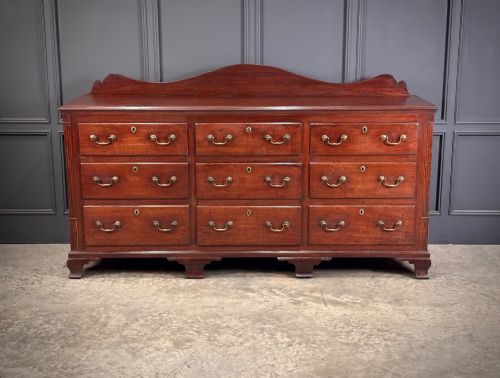
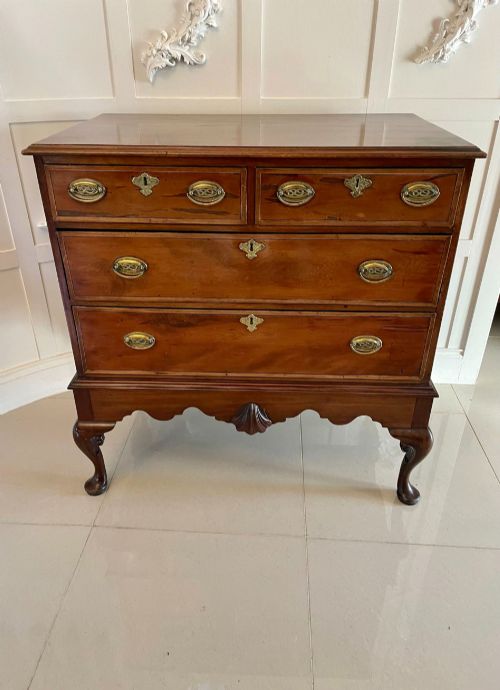
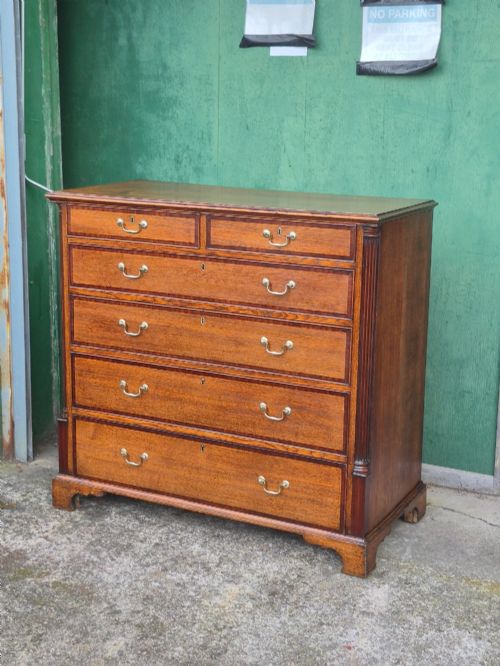
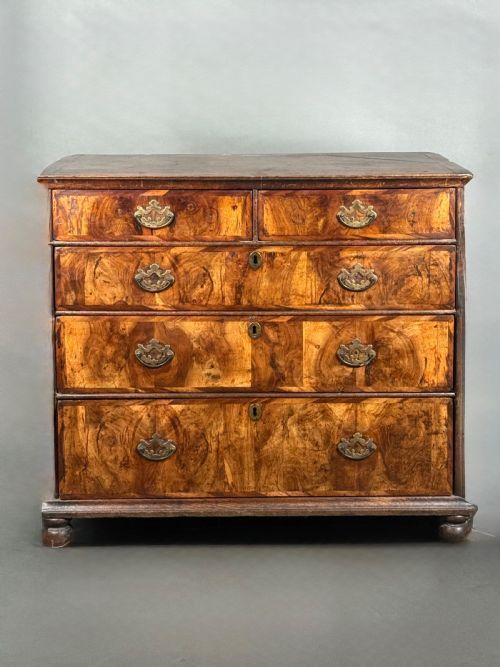

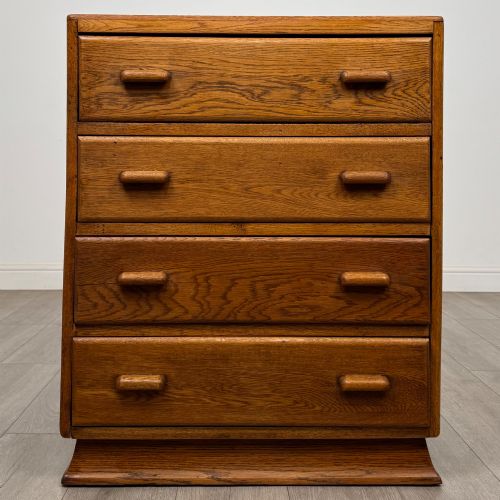
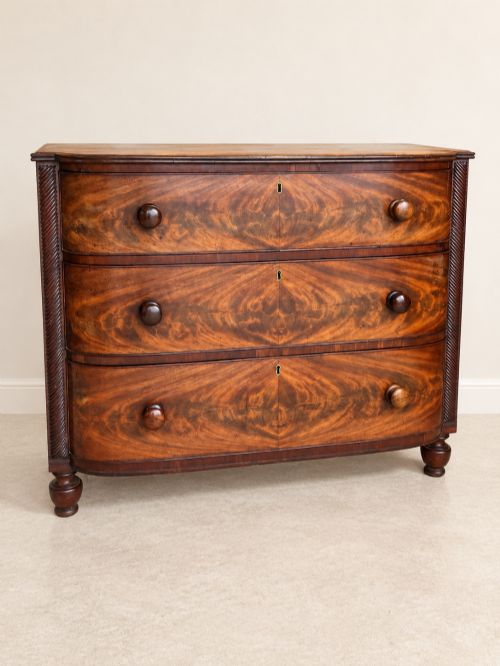
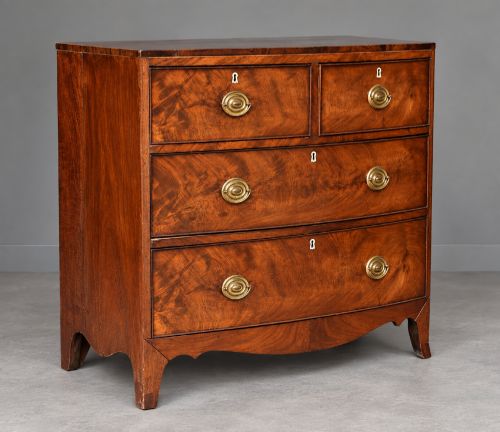
Antique Wooden Dresser Chest
An antique wooden dresser chest anchors a room with substantial storage and timber warmth.
Antique Wooden Dresser Chest
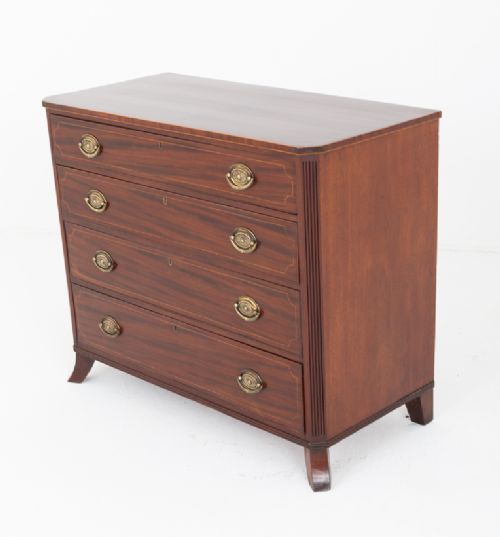
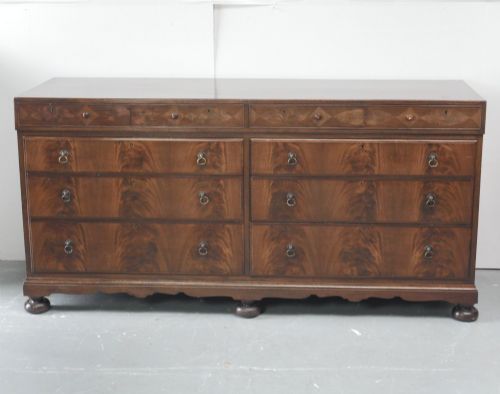
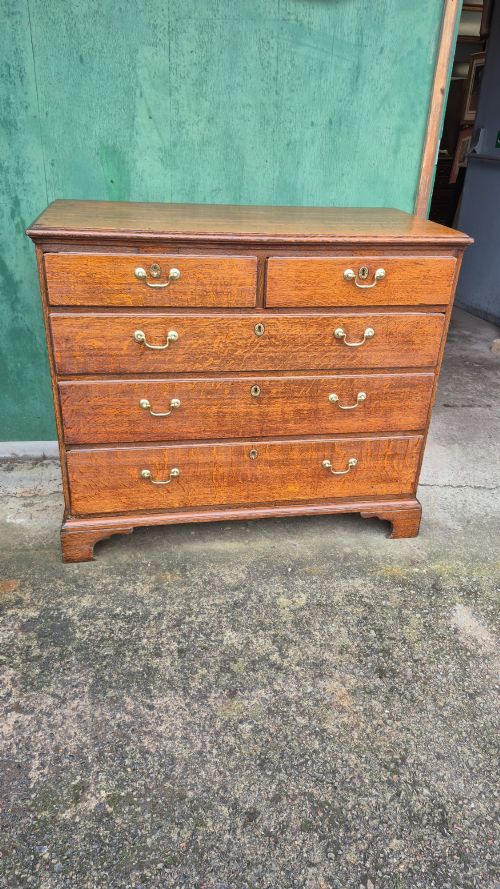
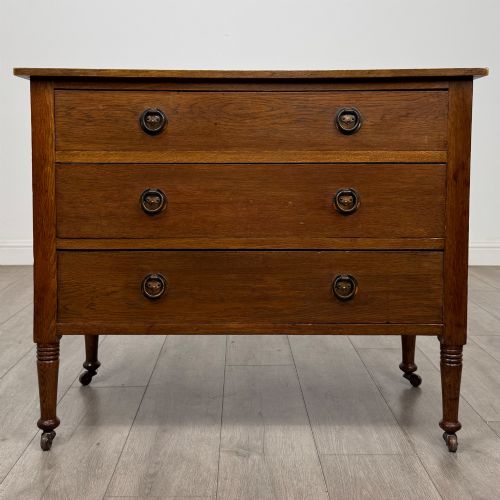
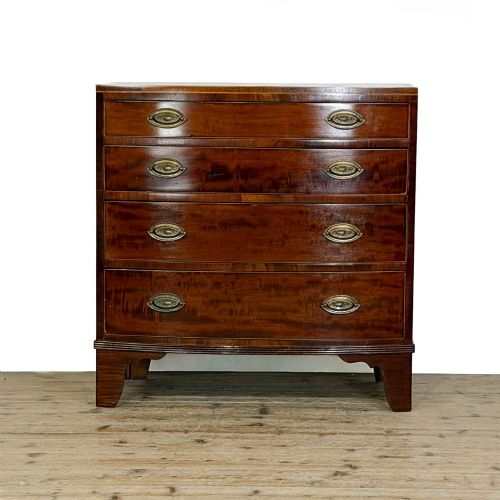
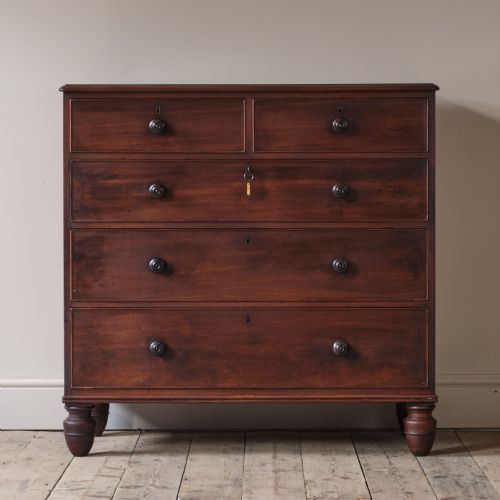
An antique wooden dresser chest serves as a practical storage unit with stacked drawers, appearing frequently in mahogany, oak, walnut, and pine. These pieces span periods from the 18th century through the Georgian, Victorian, Regency, and Edwardian eras.
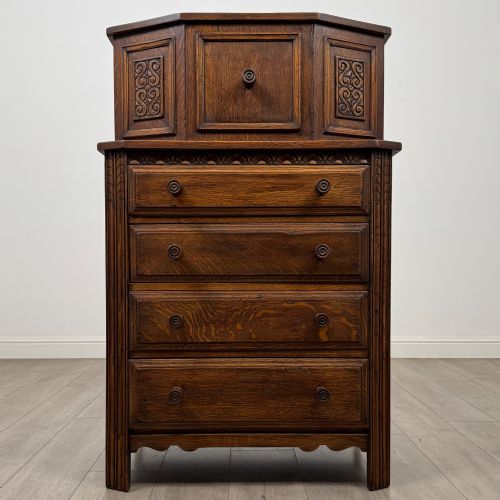
Makers and workshops produce forms ranging from straightforward upright chests to bow front, serpentine, and tallboy designs. Miniature pieces and apprentice chests also appear alongside standard household scales.
Buyers encounter regional variations including Scottish, Dutch, and French provincial examples. Details like brushing slides and brass hardware distinguish individual pieces.
What varies in quality
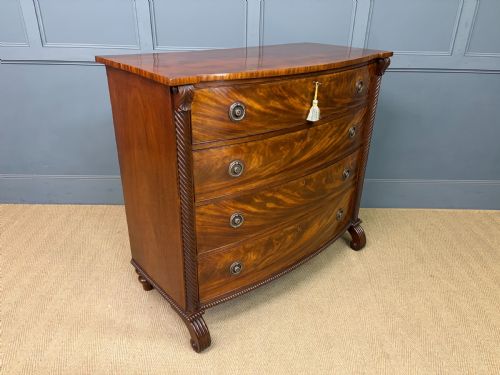
Timber selection dictates visual appeal, with figured walnut, burr elm, and flame mahogany veneer representing the upper tier. Plain pine and standard oak utility pieces occupy a more functional category.
Carcase proportions and the crispness of serpentine or bow front shaping separate standard workshop output from exceptional cabinet work. Surface finish and grain matching across drawer fronts further define the grade.
Listings feature woods including mahogany, oak, walnut, pine, and flame mahogany veneer across 18th, 19th, and 20th century periods.
Whytock and Reid·T and G Seddon·Sir Clough Williams-Ellis·J Moorcroft
The Antique Wooden Dresser Chest Glossary
- Bow front
- A convex curved front profile popular on Georgian and Regency chests. This shape softens the rectangular geometry of the piece.
- Serpentine front
- A cabinet front featuring a concave centre flanked by convex curves, or the reverse. It requires advanced woodworking skill to execute properly.
- Brushing slide
- A pull-out shelf integrated above the top drawer for folding clothes or writing. This feature is common on Georgian mahogany examples.
- Tallboy
- A tall chest of drawers built in two stacked sections. This form maximises vertical storage space.
- Apprentice chest
- A small scale chest created to demonstrate a woodworker's proficiency. These diminutive pieces duplicate full size proportions.
Antique Wooden Dresser Chest: Frequently Asked Questions
How do I date an old chest?
Examine the timber species, construction methods, and drawer dovetailing to determine the period. Secondary woods inside the carcase often reveal regional origin and age.
Style indicators like Regency curves or Georgian proportions help narrow the decade of manufacture.
Where should I place a chest?
These chests suit bedrooms, hallways, and living spaces where surface area and drawer storage are useful. Ensure the room humidity remains stable to protect solid timber and veneers.
Allow sufficient clearance for drawers to open fully without obstruction from nearby furniture.
What is the difference between oak and mahogany?
Oak provides a heavy, visible grain structure associated with earlier 18th century and Arts and Crafts pieces. Mahogany offers a finer, darker grain that takes a high polish.
Both woods provide durability, but mahogany became the dominant choice for formal Georgian and Regency cabinet work.
How do I clean wooden surfaces?
Dust regularly with a dry cloth and apply a quality beeswax periodically to nourish the timber. Avoid silicone sprays that can damage historic polish.
Keep pieces away from direct heat sources and strong sunlight to prevent warping and fading.