





Chippendale Style Chest Drawers
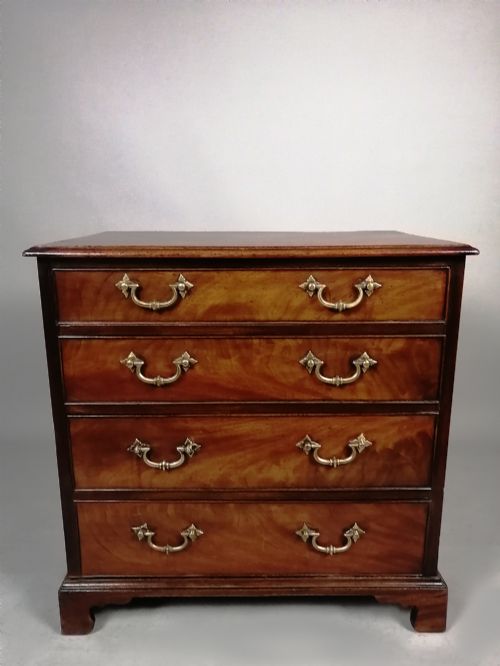
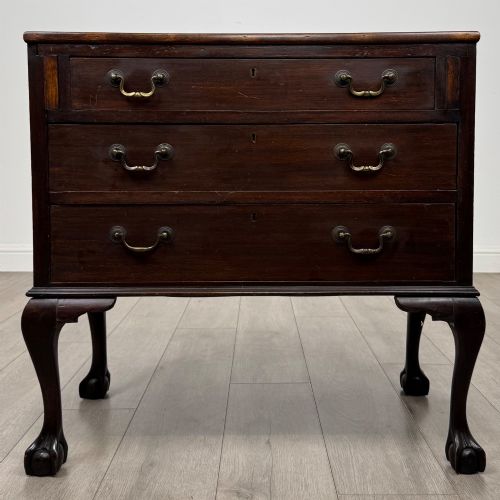
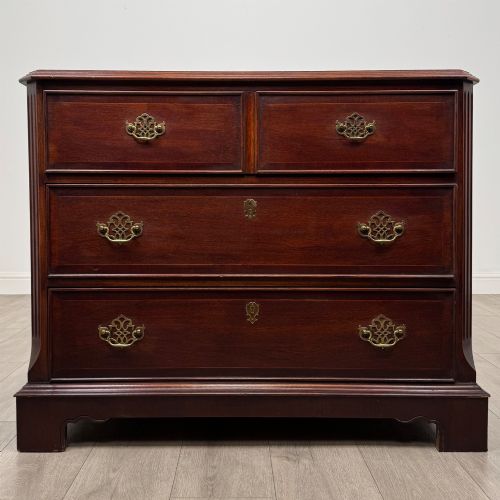
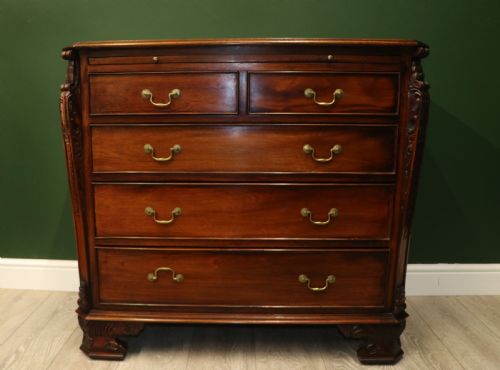
These chippendale style chest drawers bring the bold lines and rich timbers of the eighteenth century into any room.
Chippendale Style Chest Drawers
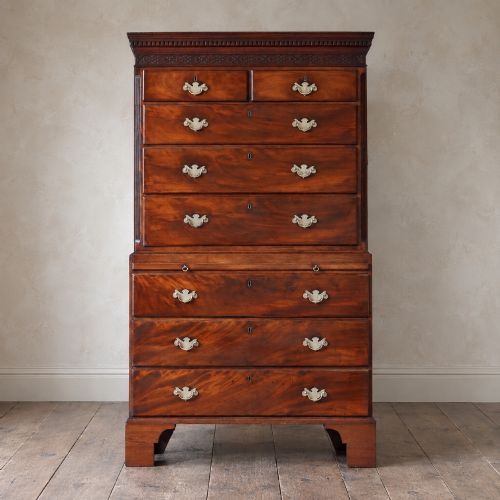
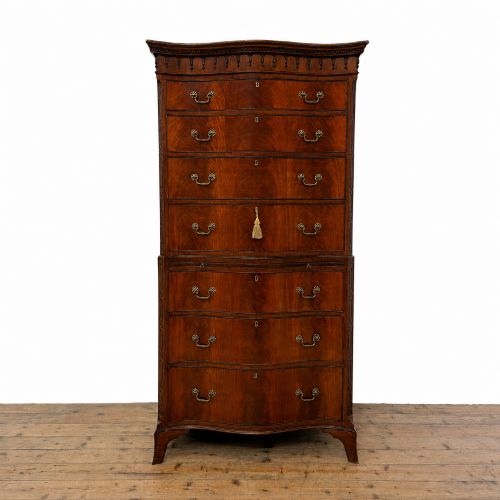
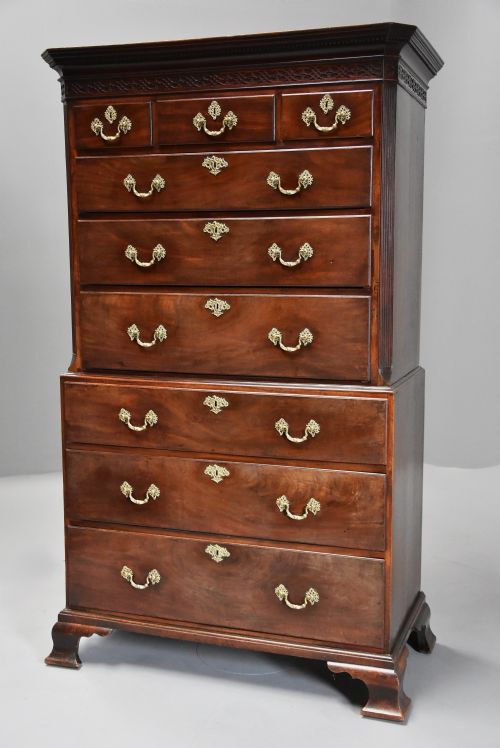
When searching for a chippendale style chest drawers, buyers encounter pieces ranging from eighteenth-century Georgian originals to later revivals from the nineteenth and twentieth centuries. The primary forms include standard chests of drawers, taller chest on chest variants, dressing chests, and bachelors' chests equipped with brushing slides or writing drawers.
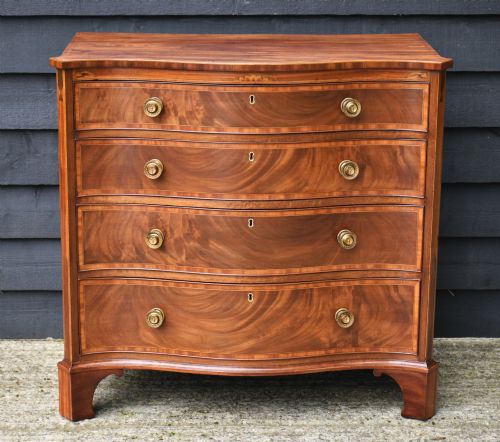
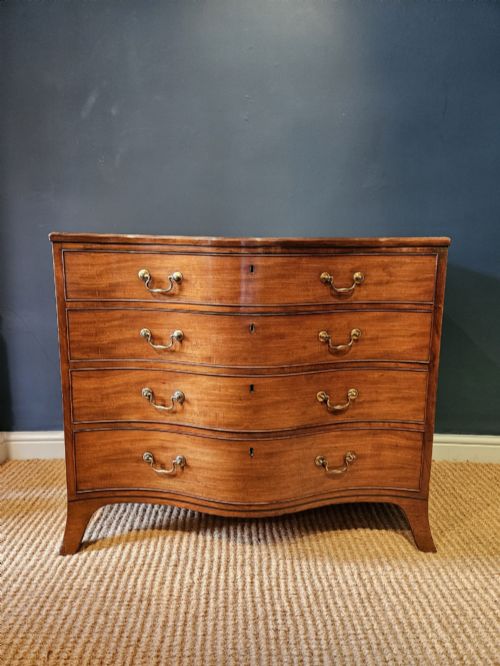
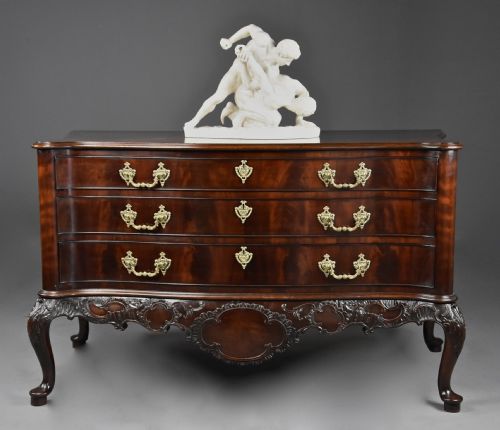
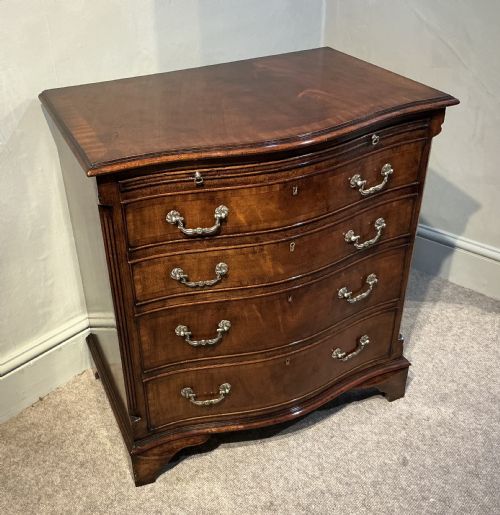
The material palette centres firmly on mahogany, including figured, flame, and Cuban varieties, alongside occasional examples in oak and satinwood. Many items feature serpentine fronts and elaborate proportions that mark them out from simpler utilitarian storage furniture of the period.
Materials and construction methods
Cabinet makers relied predominantly on solid and veneered mahogany, often selecting Cuban timber for its density and deep grain. Drawer linings frequently incorporated secondary timbers, while structural detailing involved precise dovetailing and brass hardware.
Surface finish depended on hand-applied polishing that built up a deep patina over decades of use. Decorative elements such as boxwood inlay or carved serpentine profiles required steady hand woodworking skills.
Chippendale Style Chest Drawers Retail Price Guide 2026
Typical asking prices for chippendale style chest drawers among the pieces listed under this phrase on Sellingantiques today, from the lower quarter to the upper quarter. They describe what is for sale here now, not the wider market.
Several chests hide pull-out slides originally meant for brushing velvet coats free of dust.
Distinguishing quality across the range
Quality rests upon the choice of timber figure, such as flame mahogany, and the crispness of carved mouldings along the drawer edges and bracket feet. Superior examples display balanced proportions, original brass handles, and seamless drawer movement.
Waring & Gillows·Muirhead Moffat & Co
The Chippendale Style Chest Drawers Glossary
- Serpentine front
- A convex central section flanked by two concave curves, creating a fluid, undulating facade on a chest of drawers.
- Chest on chest
- A tall storage unit comprising a smaller chest stacked directly upon a larger lower base, also known as a tallboy.
- Brushing slide
- A pull-out shelf located just beneath the top surface, traditionally used for folding clothes or writing.
- Bachelors chest
- A compact drawer unit designed for personal use, often featuring an integrated sliding surface or writing drawer.
Chippendale Style Chest Drawers: Frequently Asked Questions
How do I date a chippendale style chest drawers?
Examine the secondary timbers inside the drawers, the style of the dovetails, and the overall construction methods. Eighteenth-century pieces display hand-cut joinery and mature timber patination, whereas later revival items often show nineteenth or twentieth-century manufacturing signatures.
Hardware styles and secondary wood choices also provide clues. Oak or deal linings point towards specific regional British workshops, while machine-cut elements indicate a later nineteenth or twentieth-century revival date.
What is the difference between a tallboy and a standard chest?
A standard chest consists of a single tier of drawers rising to waist height. A tallboy, or chest on chest, stacks two cabinets vertically to achieve greater storage capacity while maintaining a narrow footprint.
This stacked construction allows for grander proportions and often incorporates specialised upper compartments such as secretaire drawers. Both forms share the prominent serpentine fronts and mahogany construction seen across this selection.
How were brushing slides used originally?
Brushing slides served as auxiliary horizontal surfaces pulled out from beneath the top board. Owners used them for brushing garments or as temporary writing ledges before full desks became standard in every bedchamber.
These retractable boards slide smoothly within dedicated slots in the upper carcass. Their presence generally indicates a piece intended for a bedchamber or dressing room.
Are these chests suitable for modern bedrooms?
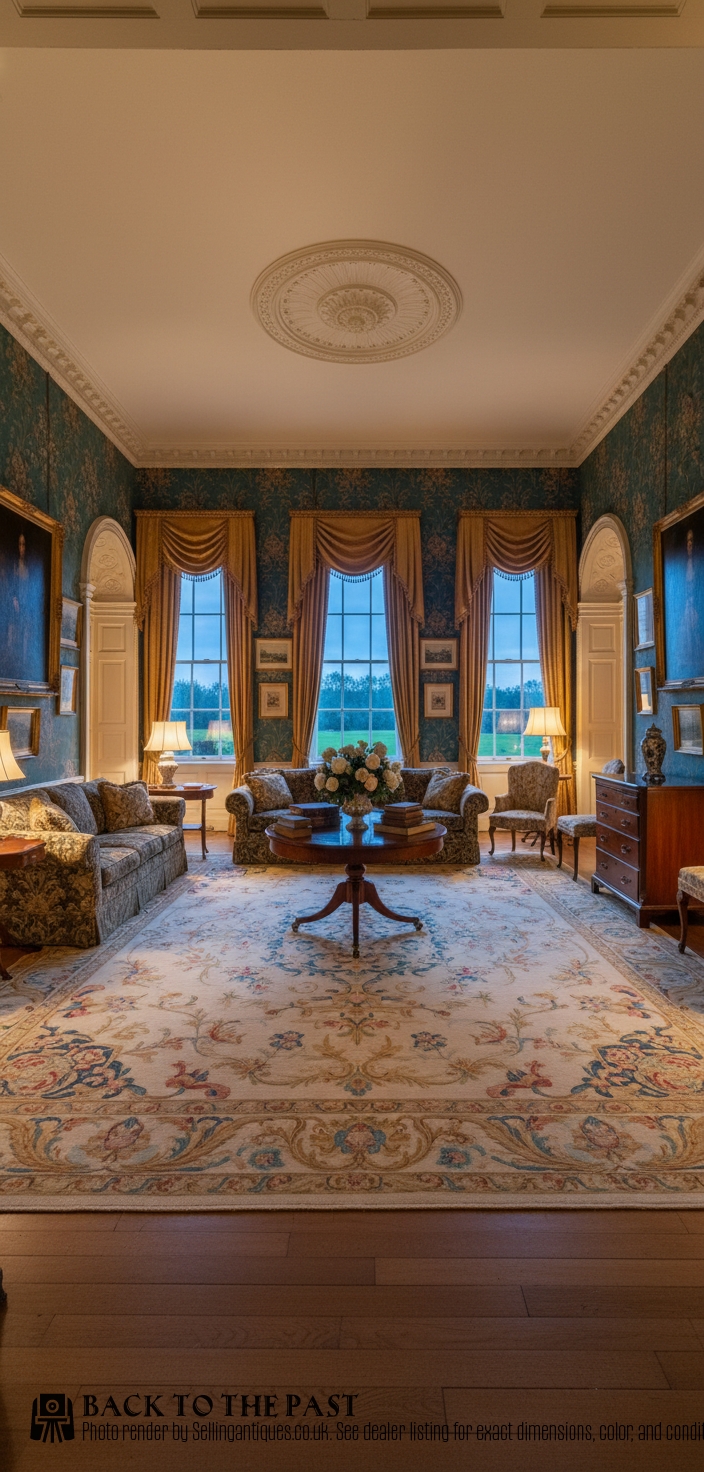
These pieces offer deep, practical drawer storage that suits contemporary bedroom layouts. Their traditional proportions function well as focal storage furniture while adding warmth through figured mahogany timber.
Care should be taken to measure ceiling heights and floor space, particularly when considering tallboys or larger serpentine chests. Regular maintenance involves simple waxing to protect the aged mahogany surfaces.