
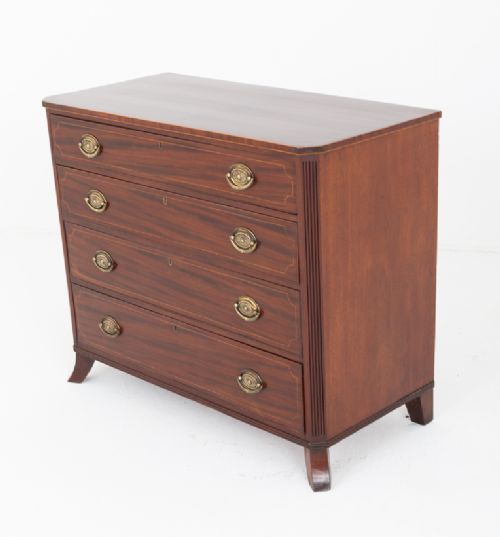
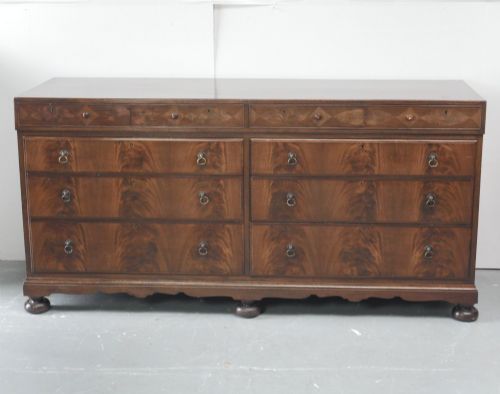
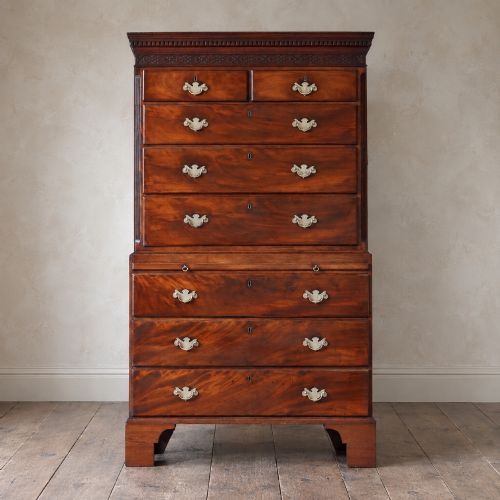
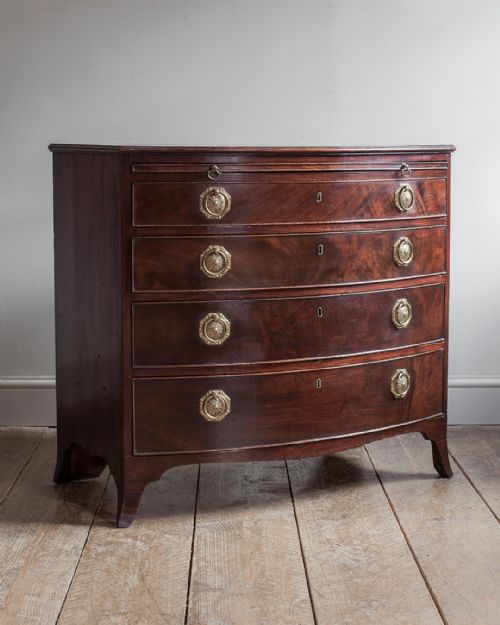



Antique Wood Chest Drawers
An antique wood chest drawers serves as a sturdy storage piece, bringing warmth and historical character to a bedroom or hallway.
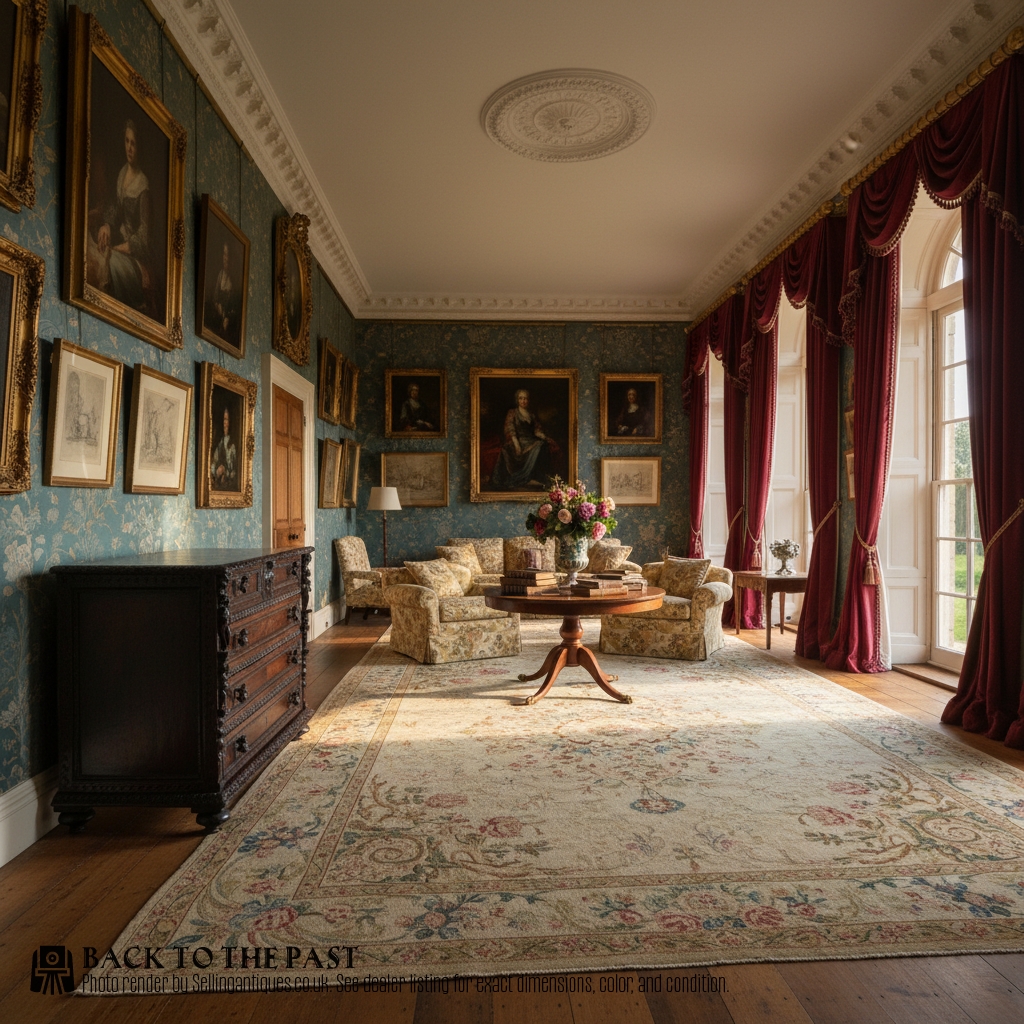
What They Are
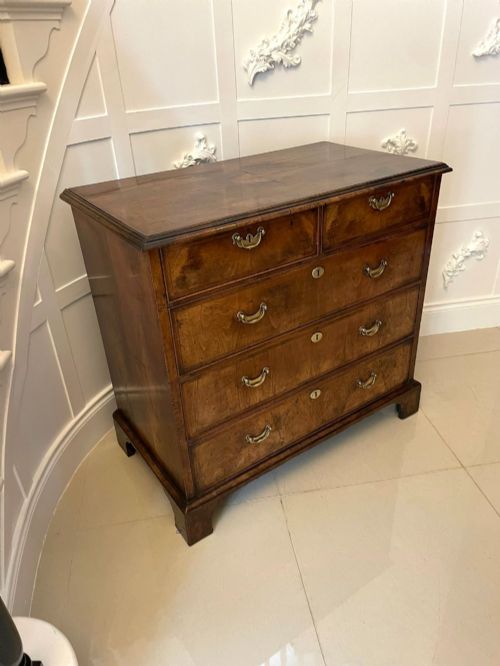
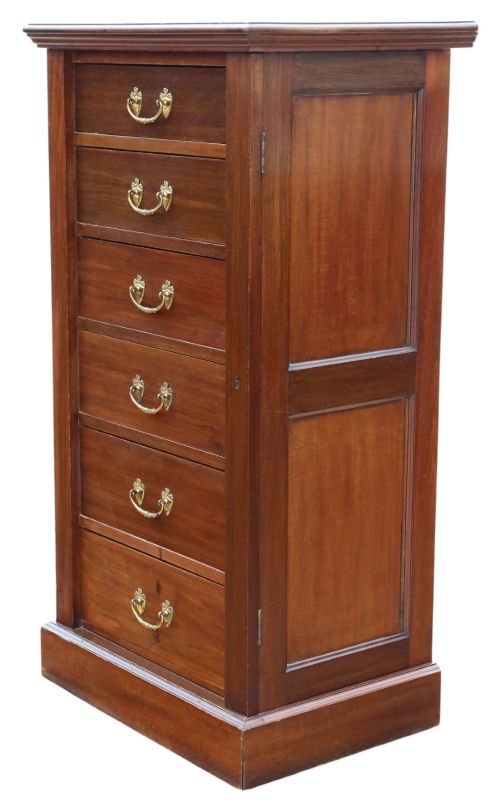
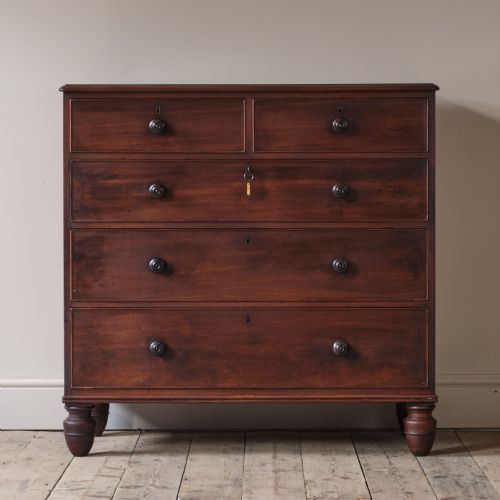
An antique wood chest drawers is a domestic storage item designed with multiple stacked compartments for clothing and household goods. These pieces range from substantial mahogany and walnut examples to simpler pine and fruitwood country versions.
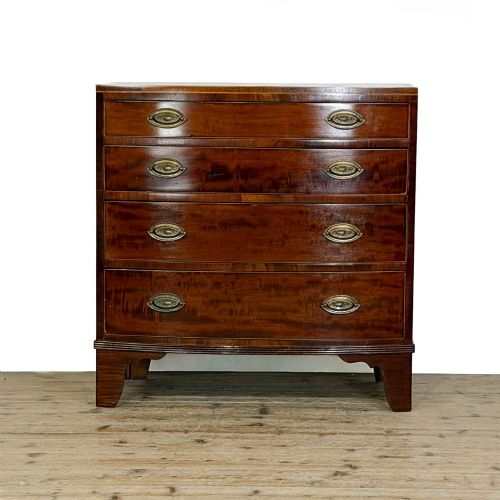
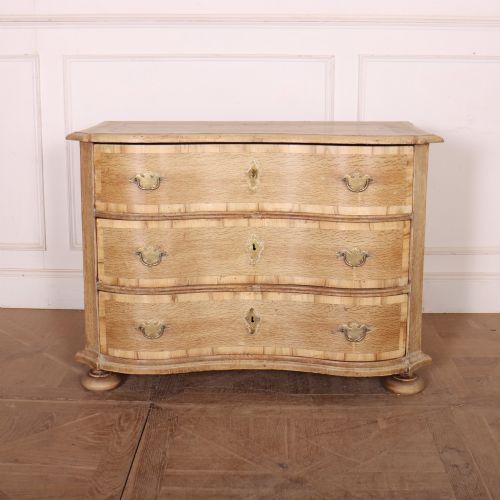
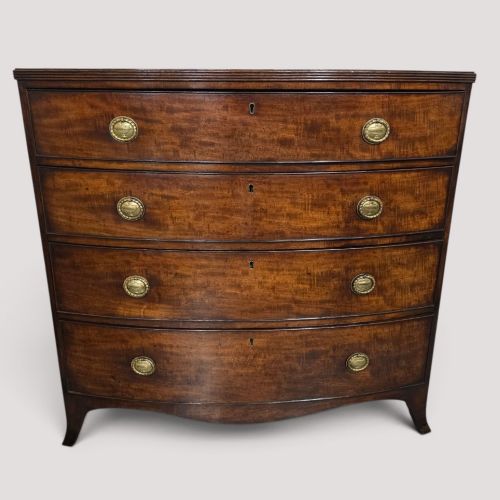
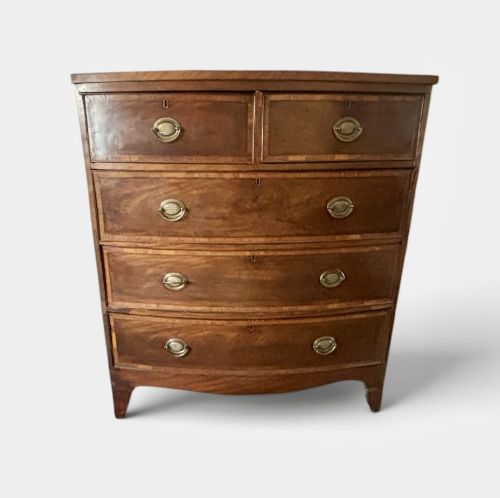
Buyers frequently encounter nineteenth-century mahogany and Victorian pieces on this page, alongside earlier Georgian and seventeenth-century forms. Regional variations include Scottish flame mahogany designs and Italian Renaissance walnut commodes.
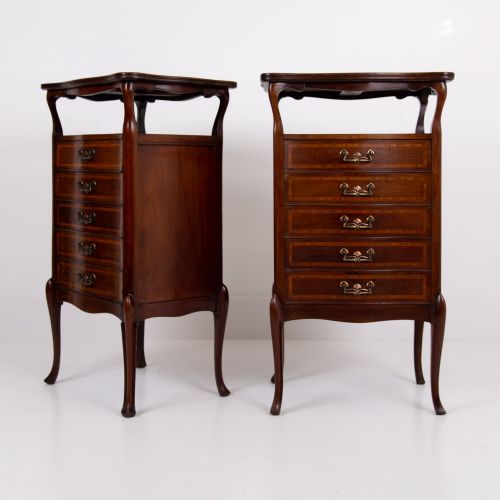
The selection extends to specialised forms such as campaign chests in rosewood, yew wood bachelors chests, and compact bedside nightstands. Each type reflects the specific domestic requirements and cabinetmaking standards of its period.
How They Were Made
Cabinetmakers utilised a variety of timbers including mahogany, oak, pine, walnut, satinwood, and yew wood, often applying marquetry inlay or marble tops on continental commodes. Drawer construction typically involved traditional techniques with solid timber linings and matching wooden or brass handles.
Surface finishes relied on natural waxes and polishes that enhanced the grain patterns of flame mahogany, tiger wood, and fruitwood. Structural elements combined pegged or dovetailed joints to ensure durability across centuries of daily use.
Some chests hide secret drawers behind the top moulding, originally designed to keep family letters and coinage out of sight.
What Varies in Quality
Quality rests upon the selection of timber figures, such as flame mahogany or figured satinwood, and the precision of the marquetry inlay. Superior examples demonstrate careful grain matching across the drawer fronts and refined proportions in cornices and feet.
The integration of brass hardware, secret compartments, or specialised campaign brass corners distinguishes standard utility furniture from high-status cabinetwork. Original surfaces and untouched patination further elevate the standing of a piece.
The Antique Wood Chest Drawers Glossary
- Bow front
- A cabinet front curved in a convex sweep outward, commonly seen on nineteenth-century mahogany chests.
- Marquetry
- Decorative patterns formed by fitting together thin veneers of various wood types on a surface.
- Commode
- A low cabinet or chest of drawers, often referencing continental European designs with marble tops.
- Campaign chest
- A sectional storage chest built with brass corners and recessed handles for military transport.
- Bachelors chest
- A compact chest of drawers featuring a fold-over top used as a writing surface.
Frequently Asked Questions
How do I date an antique wood chest drawers?
Dating relies on identifying the primary timber, construction methods, and hardware styles associated with specific eras like the Georgian or Victorian periods.
Secondary woods inside the drawers and the presence of hand-cut dovetails provide further clues to the decade of manufacture.
What is the difference between a commode and a chest of drawers?
A commode generally refers to low continental European drawer units, frequently topped with marble and detailed with intricate marquetry.
Standard chests of drawers tend to be taller British pieces constructed entirely from native or imported timbers like mahogany and oak.
Can I use an antique chest in a modern bedroom?
These pieces provide deep, practical storage capacity that suits contemporary clothing sizes while adding architectural warmth to a modern interior.
Their robust timber construction ensures they function reliably as bedside tables, hallway surfaces, or primary bedroom storage.
How should I maintain the wood surface?
Routine maintenance requires dusting with a dry cloth and occasionally applying natural beeswax to nourish the antique timber.
Keeping the piece away from direct heat sources and strong sunlight preserves the original polish and prevents the wood from drying.