




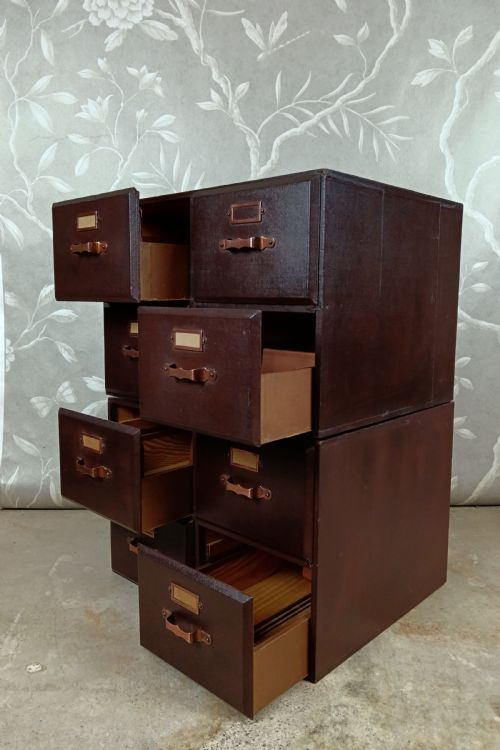


Edwardian Haberdashery Cabinet
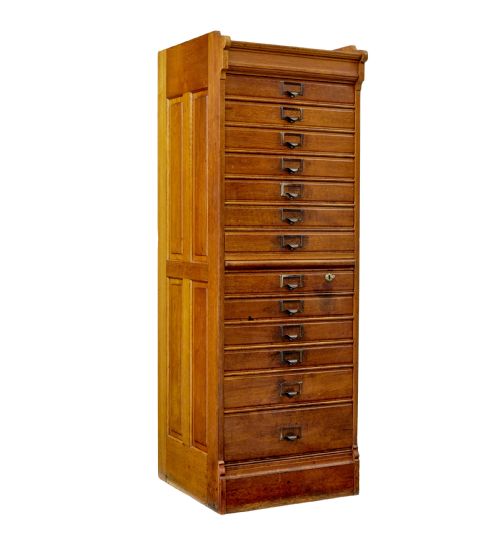
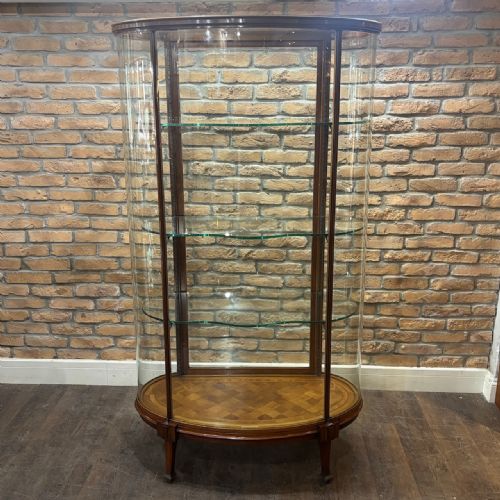
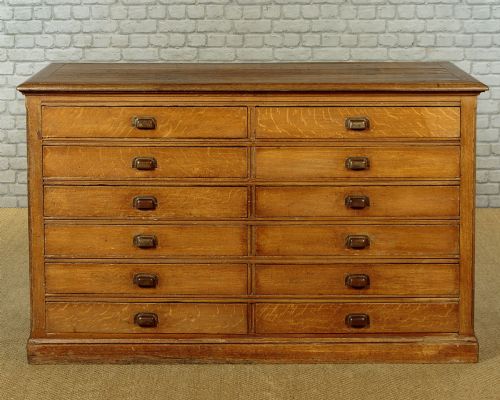
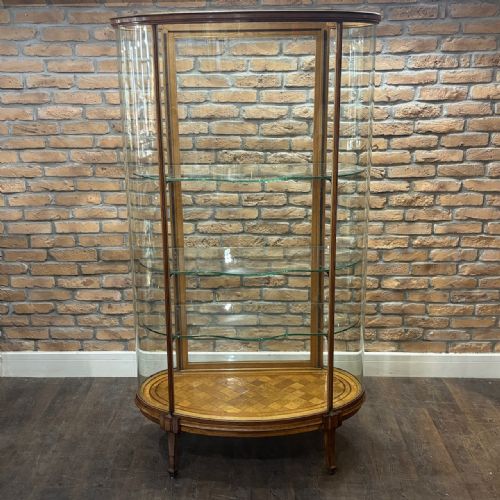
An edwardian haberdashery cabinet is a functional piece of commercial furniture built for retail display and storage, prized for its generous glass and multiple drawers.
Edwardian Haberdashery Cabinet
When searching for an edwardian haberdashery cabinet, a buyer is looking at commercial storage furniture originating from the late nineteenth and early twentieth centuries. These pieces were built for trade use in shops, pharmacies, and offices to display or organise stock efficiently.
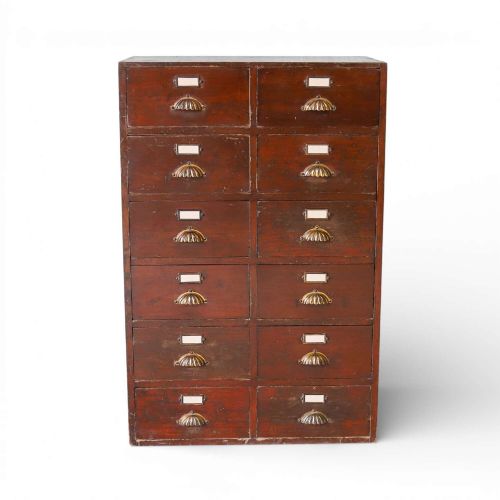
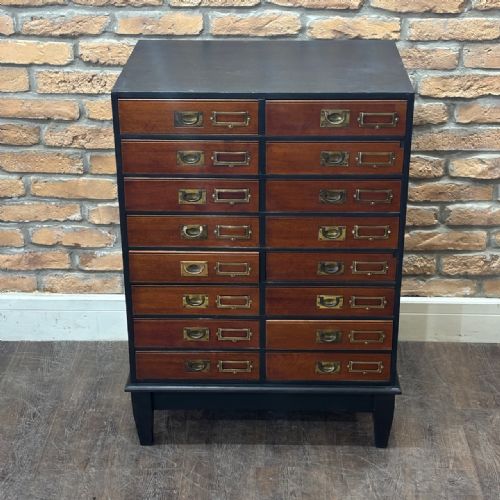
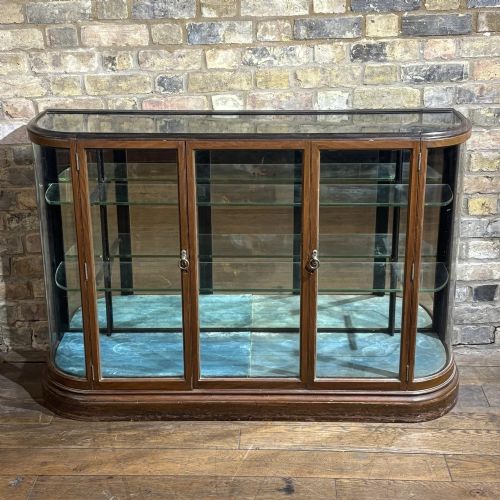
The version most commonly met on this page is constructed from mahogany or oak, featuring glazed panels and banks of small drawers. They range from countertop display cases to large floor-standing units designed for everyday mercantile service.
Materials and Technique
Cabinet makers utilised dense timbers such as mahogany, oak, and walnut alongside pine and deal for internal framework. Glass and brass hardware provide the transparent panels and pulls necessary for retail display.
Joinery techniques focus on sturdy construction capable of withstanding heavy commercial use. Original shell pulls, label holders, and mirrored interiors often accompany the glazed cabinetry.
Edwardian Haberdashery Cabinet Retail Price Guide 2026
Typical asking prices for edwardian haberdashery cabinet among the pieces listed under this phrase on Sellingantiques today, from the lower quarter to the upper quarter. They describe what is for sale here now, not the wider market.
The inventory records pieces spanning the Victorian era through the Edwardian period and into the nineteen twenties and thirties.
What Varies in Quality
The division between standard commercial furniture and superior examples rests upon timber selection and maker provenance. Pieces bearing maker signatures or specialised patent designs command greater attention from collectors.
Hardware integrity and original glass panels also determine the grade of a piece. Retaining original label holders, brass pulls, and sign-written branding elevates the standing of an item within the range.
F Sage And Co·Siegel·Amberg
The Edwardian Haberdashery Cabinet Glossary
- Haberdashery Cabinet
- A multi-drawer storage unit originally utilised by outfitters and cloth merchants to sort small items of drapery and sewing goods. These often incorporate glass fronts or glazed drawer fronts for visibility.
- Bank of Drawers
- A large cabinet containing multiple smaller drawers arranged in tiers. They serve functional storage purposes in offices, pharmacies, and workshops.
- Shop Display Cabinet
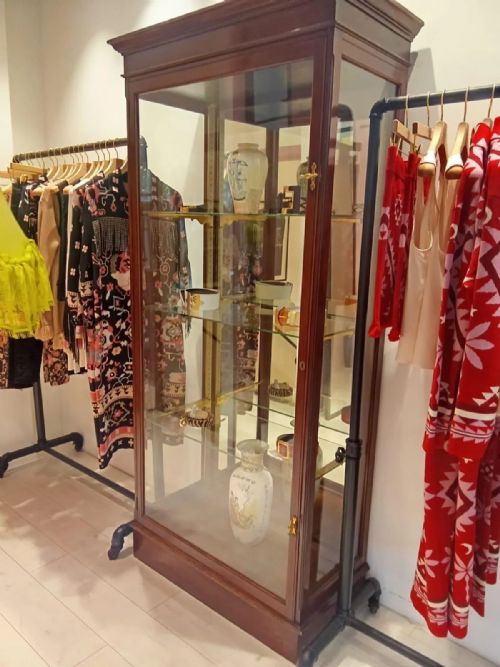
- A glazed showcase built to exhibit goods safely upon a counter or floor. They frequently feature mirrored interiors to reflect light through the displayed items.
- Shell Pull
- A pressed metal handle shaped like a scallop shell, commonly found on early twentieth-century drawer fronts. These often incorporate integrated label holders for categorisation.
- Vitrine
- A glass-sided display case designed for delicate objects or retail merchandise. They highlight the contents from multiple angles.
Edwardian Haberdashery Cabinet: Frequently Asked Questions
What were haberdashery cabinets used for?
These cabinets served merchants and outfitters as efficient storage for small retail goods like buttons, ribbons, and threads. Their compartmentalised drawers kept stock organised and easily accessible behind glass.
Later, many found purpose in domestic settings or specialised collections due to their practical drawer arrangements and display capabilities.
How do I date an edwardian haberdashery cabinet?
Dating relies on timber choices, construction methods, and hardware styles typical of the period around nineteen hundred to nineteen twenty. Oak and mahogany were standard, often paired with brass label holders and shell pulls.
Maker marks, patent stamps, and original retail sign-writing also help narrow down the manufacturing era of commercial display furniture.
Are these cabinets suitable for modern homes?
Their structured proportions and numerous drawers make them practical for organising collections, kitchenware, or study supplies in contemporary spaces. Glass-fronted models also allow for the display of items while keeping them dust-free.
Placing them requires measuring available floor or countertop space carefully, as commercial dimensions can prove surprisingly deep.
What is the difference between a display cabinet and a haberdashery cabinet?
A standard display cabinet focuses primarily on external visibility through glass panels and shelves for standing objects. A haberdashery cabinet centres on banks of numerous shallow drawers designed for sorted inventory.
Some hybrid pieces combine both formats by placing glazed display counters above or beside tiered drawer sections.