




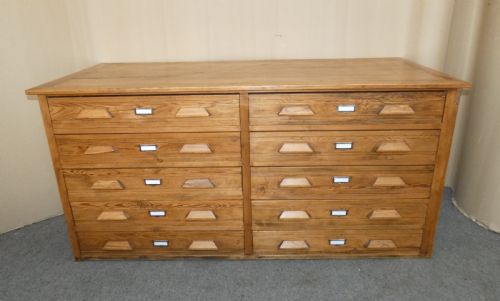


Shallow Drawer Storage Cabinet
A shallow drawer storage cabinet organises small objects or papers neatly, offering compact storage with multiple low-profile compartments for daily utility.
Shallow Drawer Storage Cabinet
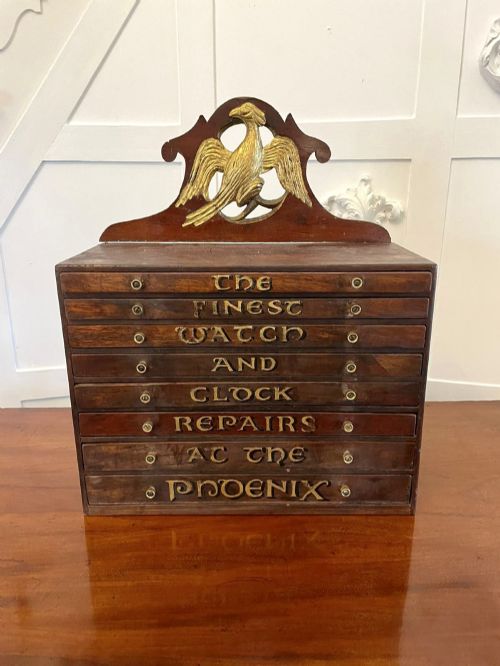
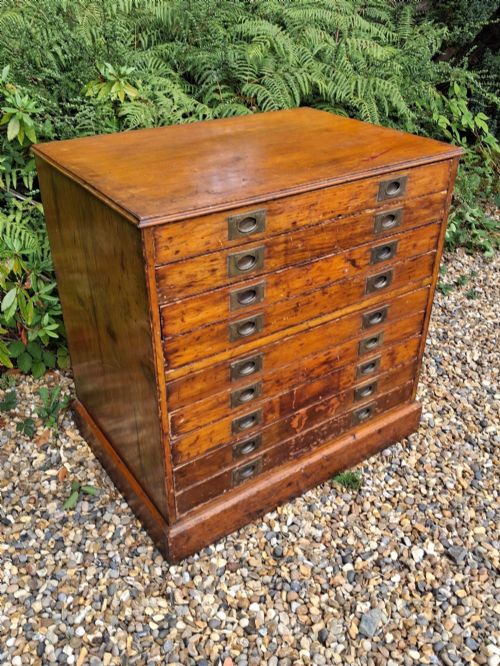
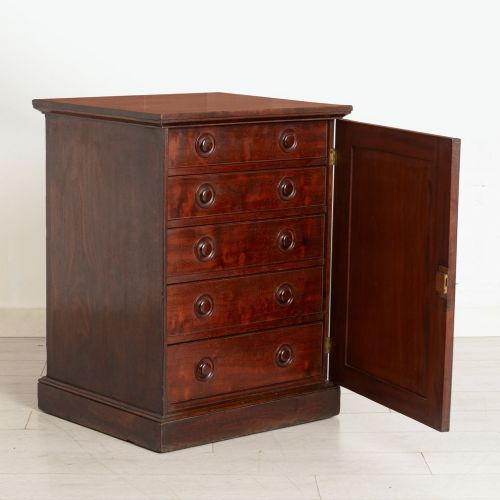
A shallow drawer storage cabinet encompasses specialised forms like collectors' cabinets, artists' chests, plan chests, and filing units built for organised sorting. These pieces appear across nineteenth-century and twentieth-century periods, spanning Victorian, Edwardian, and industrial utility styles.
How they were made
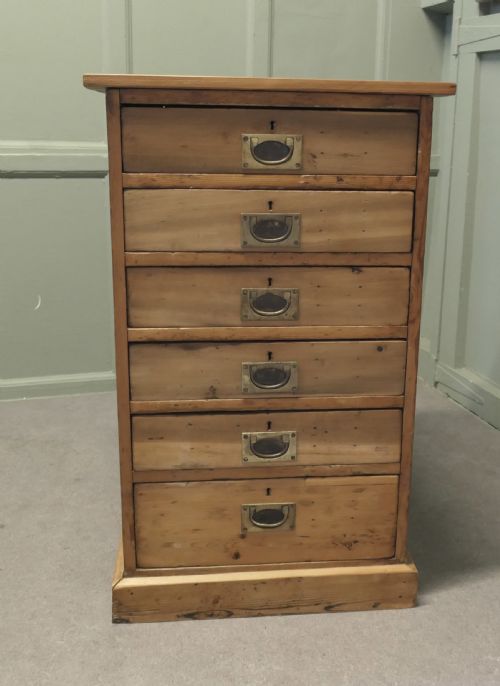
Cabinetmakers utilised hardwoods such as mahogany, oak, and walnut alongside softer timbers like pine and pitch pine to construct the carcasses and drawer boxes. Brass handles, label holders, and hinges frequently furnish the exteriors, while glass panels occasionally protect specialised display compartments.
Joinery methods rely on traditional drawer construction and solid timber framing suited to heavy daily use in offices, surgeries, and collector studies. Surfaces are finished with polished timber grains or utilitarian painted coats depending on the intended commercial or domestic function.
Shallow Drawer Storage Cabinet Retail Price Guide 2026
Typical asking prices for shallow drawer storage cabinet among the pieces listed under this phrase on Sellingantiques today, from the lower quarter to the upper quarter. They describe what is for sale here now, not the wider market.
Some nineteenth-century specimens preserve microscopic slides and egg collections inside their original fitted trays.
What varies in quality
Quality rests upon the precision of the drawer fit and the selection of figured timbers used across the primary facade. Maker attribution and original brass hardware elevate certain examples above standard workshop production.
The complexity of internal configuration, such as specialised slide racks or numerous matching shallow tiers, dictates the standing of individual cabinets within the broader range.
Brady of Edmonton·J.T.Crockett
The Shallow Drawer Storage Cabinet Glossary
- Collector cabinet
- A specialised piece featuring numerous shallow drawers designed to house botanical, geological, or entomological specimens safely. These units often include tight-fitting internal trays or glass-panelled doors.
- Plan chest
- A large piece containing very wide and shallow drawers intended for storing architectural blueprints, maps, and large artwork flat. They are typically constructed from robust timbers like oak or pine.
- Pitch pine
- A resinous softwood utilised in nineteenth-century and early twentieth-century furniture for its durability and prominent grain pattern. It provides sturdy framing for heavy-duty storage units.
- Specimen cabinet
- A small storage chest built to display natural history objects or microscopic slides in orderly rows. The internal drawers often feature velvet or paper linings to protect fragile items.
- Haberdashers drawers
- Multi-tiered storage units originally employed in retail shops to display ribbons, buttons, and textiles. They typically feature glass-fronted compartments or shallow pull-out trays for customer selection.
Shallow Drawer Storage Cabinet: Frequently Asked Questions
What fits in a shallow drawer storage cabinet?
These cabinets suit flat items, small collections, and studio supplies. Common uses involve sorting paper sheets, craft tools, and delicate specimens.
Larger versions accommodate architectural plans and sheet music, while smaller variants organise microscope slides, coins, or dry goods.
How do I date a wooden storage cabinet?
Dating relies on timber choice, construction techniques, and hardware styles observed across the piece. Victorian examples often display mahogany or pine with traditional dovetail joints.
Twentieth-century pieces introduce pitch pine, metal elements, and industrial utility forms associated with office or medical environments.
Are these cabinets suitable for modern homes?
Their compact depth allows them to sit comfortably in hallways, studies, and living rooms without blocking floor space. The numerous drawers provide practical organisation for modern stationery and accessories.
Placing a cabinet requires measuring available wall clearance to ensure the shallow drawers pull out fully without obstruction.
How do I maintain the timber finish?
Routine maintenance involves dusting with a dry cloth and occasionally applying suitable wax to nourish older wood surfaces. Avoid placing timber cabinets in direct sunlight or damp areas to prevent warping.
Brass handles and label holders benefit from gentle cleaning to preserve their original metallic lustre without harsh abrasive agents.