
Edwardian Sugar Bowl
When you handle an Edwardian sugar bowl, you hold a tangible piece of early twentieth-century domestic ritual.
Edwardian Sugar Bowl
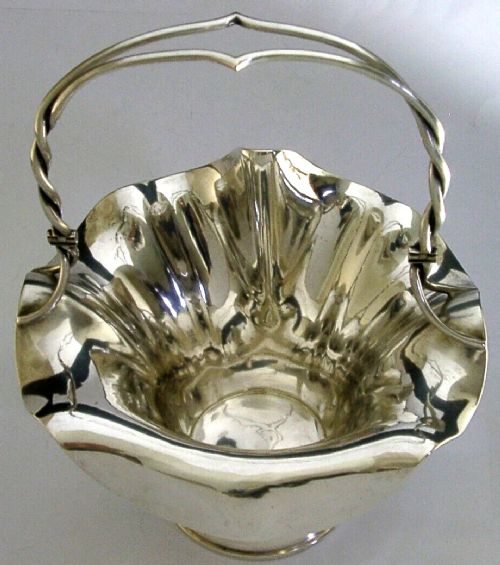
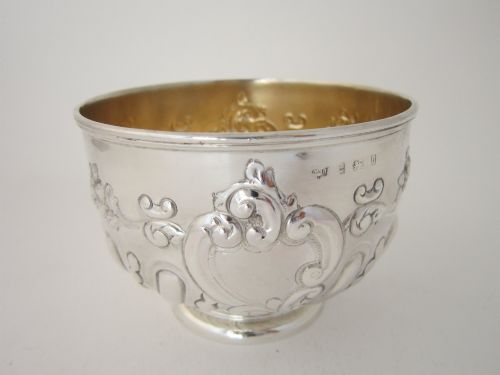
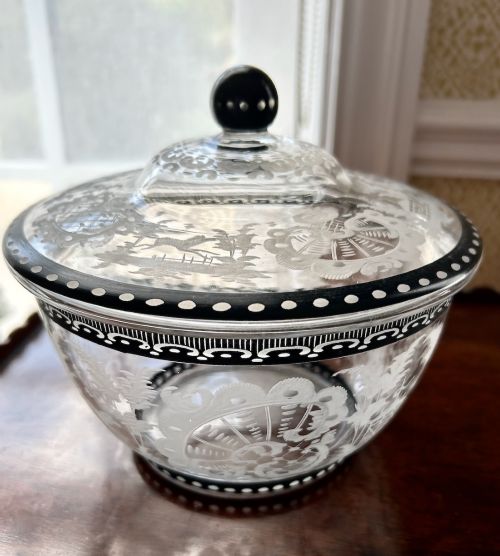
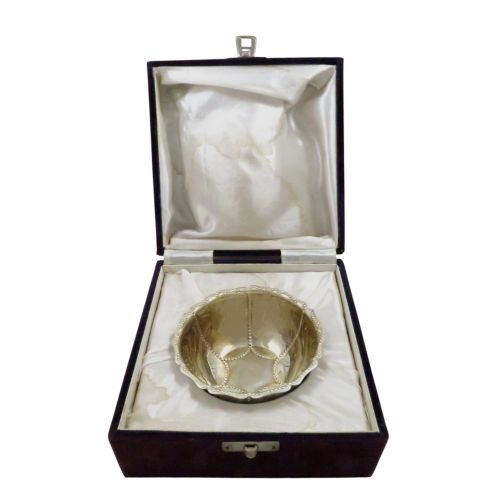
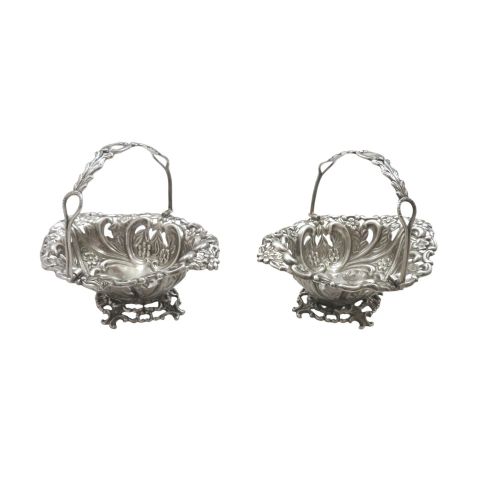
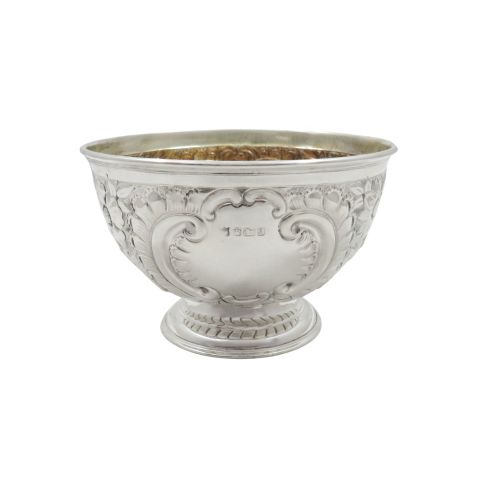
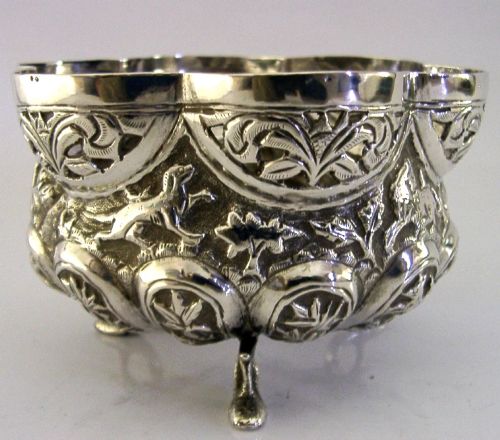
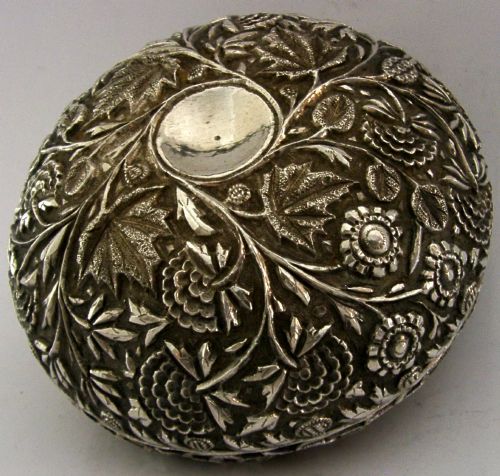
An Edwardian sugar bowl represents a refined era of formal tea service, appearing across various domestic contexts on this page. These vessels take multiple distinct forms, including open bowls, lidded urns, swing-handled baskets, and pieces paired with coloured glass liners.
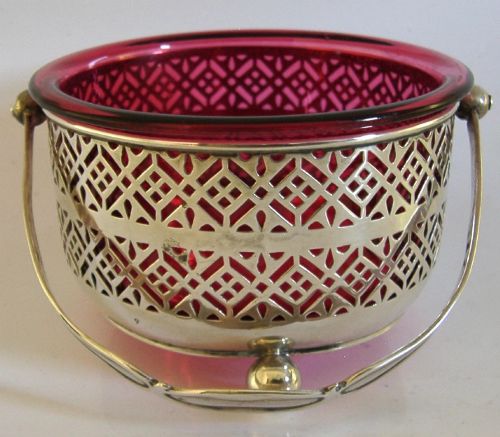
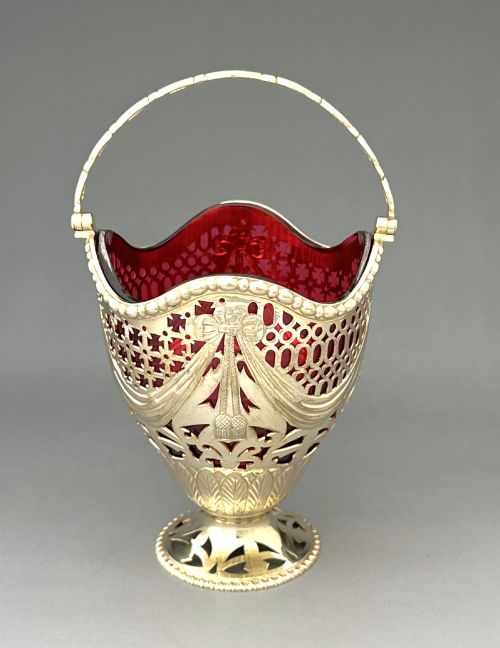
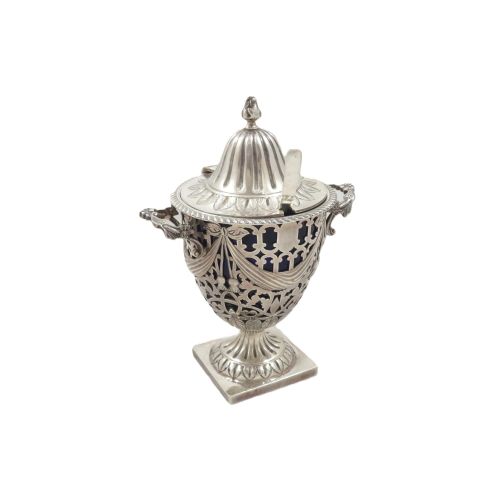
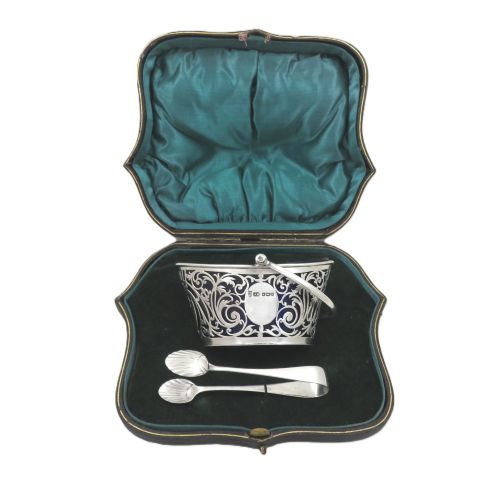
The most common version met here is the sterling silver or silver-plated sugar bowl or basket dating from the first decade of the twentieth century. Many incorporate decorative coloured glass elements such as cranberry, ruby, cobalt, or amber liners within pierced metalwork.
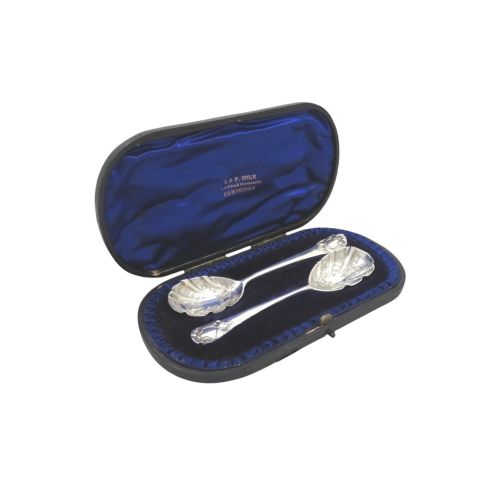
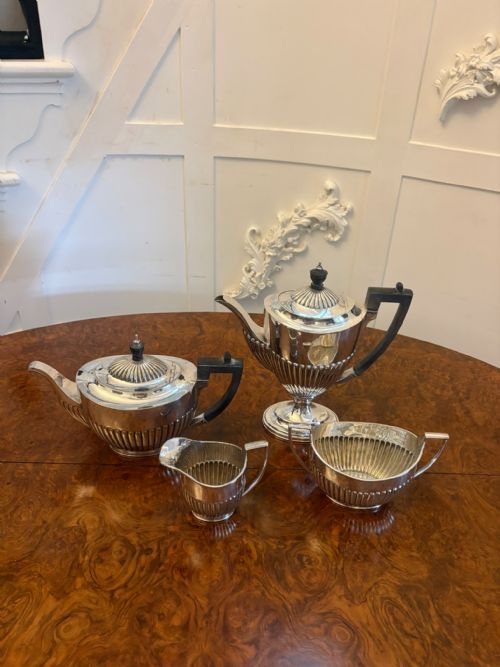
Beyond standalone forms, these items frequently emerge as components within larger matching tea and coffee sets or services. Collectors also encounter specialised novelties like sugar scuttles alongside traditional pedestal and footed bowls.
Materials and Techniques
Makers utilised sterling silver and silver plate extensively, often employing techniques like piercing, fretwork, and intricate engraving to create openwork lattice designs. These metal mounts required secure housing for fragile blown glass inserts, including cranberry and vaseline glass.
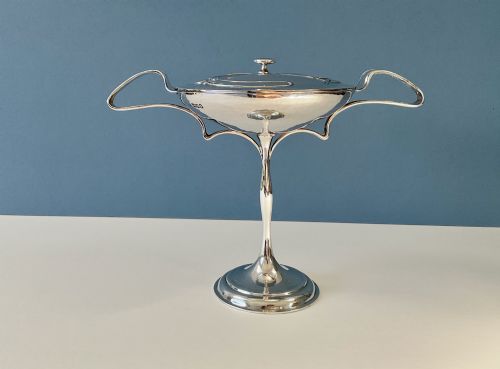
Silversmiths combined hand-hammered detailing with cast elements such as swing handles, scroll feet, and gilt interiors. The resulting objects reflect the dominant stylistic shifts of the period, moving from Victorian revivalism toward fluid Art Nouveau curves.
Assessing Quality
Quality rests upon the weight of the metal and the precision of the piercing work. Heavier gauge silver and thick silver plating endure better over decades of use.
Design execution determines distinction. Hand-chased detailing and crisp hallmarks signify higher workshop standards than mass-produced stamped components.
Walker and Hall·Hammond, Creake and Co·Elkington and Co·Edward Barnard
The Edwardian Sugar Bowl Glossary
- Sterling silver
- A standard alloy consisting of ninety-two point five percent silver and seven point five percent other metals, usually copper. This composition ensures durability while maintaining a bright metallic lustre.
- Silver plate
- A base metal substrate coated with a thin layer of pure silver through electroplating or older manufacturing methods. It offers the appearance of solid silver at a different weight.
- Pierced work
- A decorative technique involving the cutting or piercing of patterns through sheet metal. In sugar bowls, this lattice design reveals the coloured glass liner placed inside.
- Gilt interior
- A thin application of gold wash applied to the inside of a silver bowl. This layer protected the metal from the corrosive properties of moist sugar.
- Swing handle
- A movable arched metal handle attached to the rim of a basket or bowl via small pivots. This feature allowed easy access to the contents during tea service.
Edwardian Sugar Bowl: Frequently Asked Questions
How were Edwardian sugar bowls used?
These vessels held loose lump or granulated sugar during formal afternoon tea and breakfast services. Servants or hosts transferred the sugar into cups using matching tongs or sifter spoons.
Over time, the introduction of refined glass liners protected the silver body from moisture and staining. Many bowls sat centrally on tables as decorative display items when tea was not served.
What metals are most common?
Sterling silver and silver plate dominate the surviving examples from this period. Solid silver pieces bear official assay office hallmarks indicating town, maker, and date.
Silver-plated items utilise a base metal foundation coated in a layer of pure silver. Both materials frequently appear alongside coloured art glass liners.
How do I care for silver bowls?
Gentle cleaning with a soft cloth and specialised silver polish prevents the buildup of tarnish without wearing down thin plating. Avoid abrasive pads that scratch delicate metal surfaces.
Remove glass liners before washing to prevent trapped moisture from damaging the interior metal or cement fittings. Store pieces in dry environments away from direct sunlight.
Can I date a piece from hallmarks?
British silver hallmarks provide precise dating through specific town marks, lion passant symbols, and date letters corresponding to the assay year. These stamps record the exact year a piece was submitted for testing.
Unmarked silver-plated items rely on stylistic cues, manufacturer stamps, and registration numbers to establish approximate eras.