




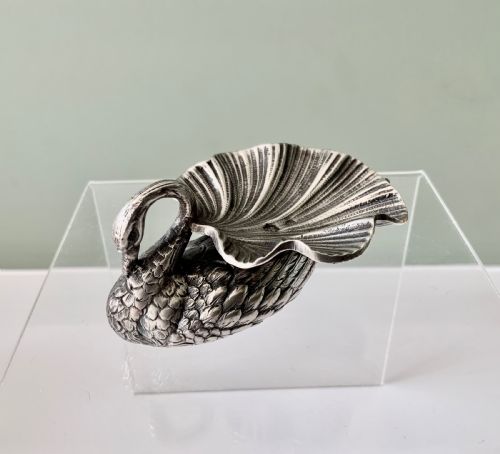
Vintage Silver Condiment Vessel
A vintage silver condiment vessel brings small, precise touches of craft to the table, usually seen as mustard pots, sugar bowls, and preserve jars.
Vintage Silver Condiment Vessel
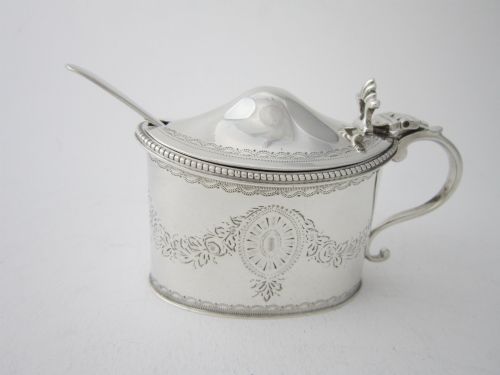
When you search for a vintage silver condiment vessel, you encounter small tablewares designed for mustard, sugar, salt, and preserves. These items appear across several decades, spanning the Georgian period, Edwardian era, and the mid-twentieth century.
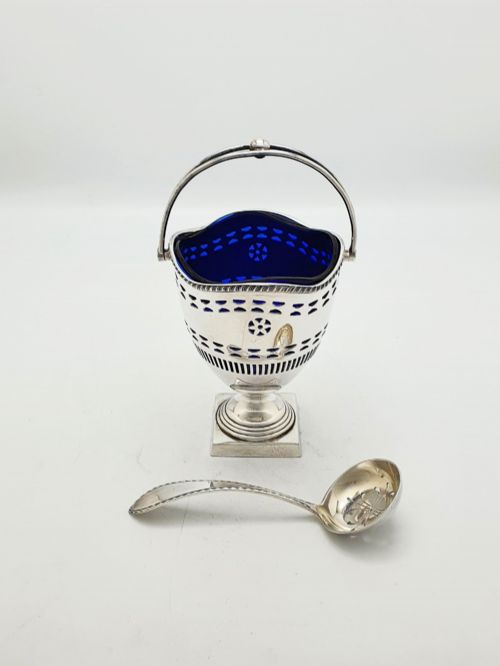
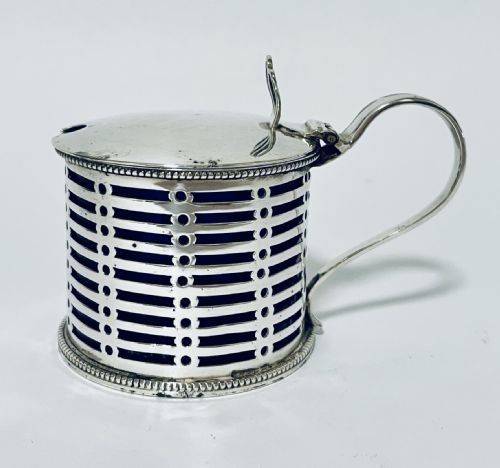
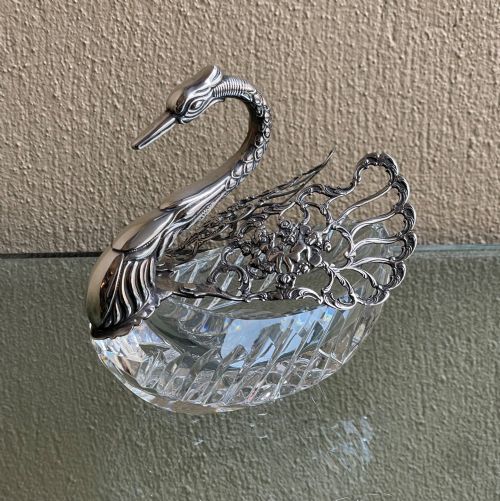
The most frequent form on this page is the mustard pot, often accompanied by sugar bowls, condiment jars, and decorative dishes. Many examples are paired with coloured glass liners.
Origins vary between English sterling silver pieces, Ottoman Islamic metalwork, Spanish salts, and silver plate items. Makers such as Roberts & Belk also appear among the twentieth-century examples.
Materials and construction
Makers shaped these vessels from solid sterling silver, silver plate, and Spanish or Ottoman silver, frequently combining the metalwork with cut glass or blown glass liners.
Interiors often feature blue glass or cobalt glass inserts, held within pierced silver frames or solid polygonal and rounded bodies. Piercing, casting, and precision glass-cutting define the manufacture.
Vintage Silver Condiment Vessel Retail Price Guide 2026
Typical asking prices for vintage silver condiment vessel among the pieces listed under this phrase on Sellingantiques today, from the lower quarter to the upper quarter. They describe what is for sale here now, not the wider market.
Listings feature items from the Georgian era through to the nineteen-sixties, utilising sterling silver, silver plate, and cut glass.
Assessing quality
Quality rests upon the weight of the metal and the clarity of the glass liner. Substantial silver gauge and clean hallmarks separate heavier utilitarian pieces from lighter wares.
The integration between the glass insert and the metal mount reveals the maker's hand. Precise fitting and crisp decorative details, whether Rococo revival scrolls or Art Deco polygons, elevate the work.
Roberts and Belk
The Vintage Silver Condiment Vessel Glossary
- Sterling silver
- A silver alloy containing 92.5 percent pure silver and 7.5 percent other metals, typically copper. This standard ensures durable yet workable tablewares.
- Cobalt glass
- A deep blue glass produced by adding cobalt oxide to the molten batch. It provides a striking contrast against bright silver frames.
- Sugar shaker
- A tall vessel with a pierced dome top for dusting sugar over food. Art Deco examples often utilise geometric polygon sides.
- Silver plate
- A base metal coated with a thin layer of silver. This technique allowed makers to produce affordable decorative tableware.
Vintage Silver Condiment Vessel: Frequently Asked Questions
How do I date these items?
Dating relies on official silver hallmarks stamped into the metal, which indicate the assay office and year of production.
Stylistic cues such as Edwardian restraint or Art Deco geometry also help assign pieces to specific decades.
Why do some pots have glass liners?
Glass liners protected the reactive silver metal from the acidic contents of mustards and preserves. Cobalt and blue glass also added decorative colour to the table.
These liners lift out easily for cleaning and replacement.
How should I clean silver condiment pots?
Wash silver gently in warm soapy water and dry it immediately with a soft cloth to prevent tarnishing. Avoid abrasive dips that can strip away fine details.
Glass liners can be washed separately and dried before returning them to the silver frame.