


Edwardian Silver Pocket Case
An edwardian silver pocket case brings together the compact utility and refined metalwork characteristic of the era, offering collectors portable history.
Edwardian Silver Pocket Case
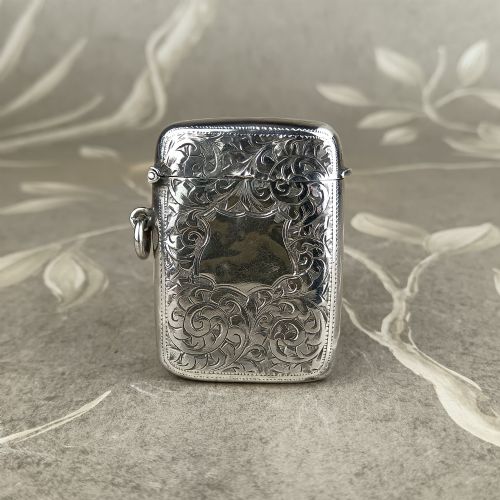
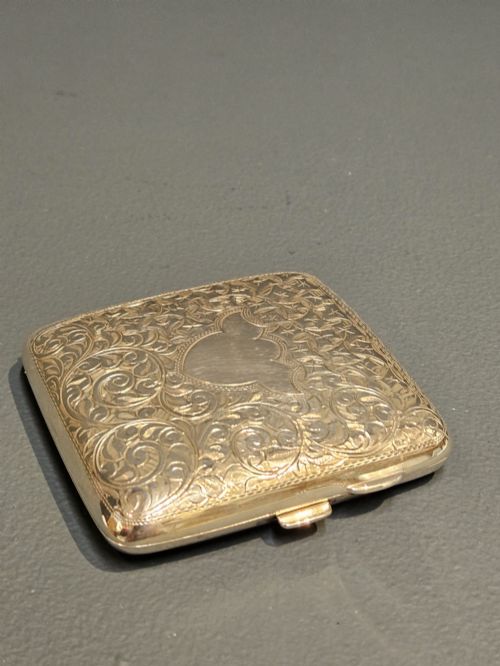
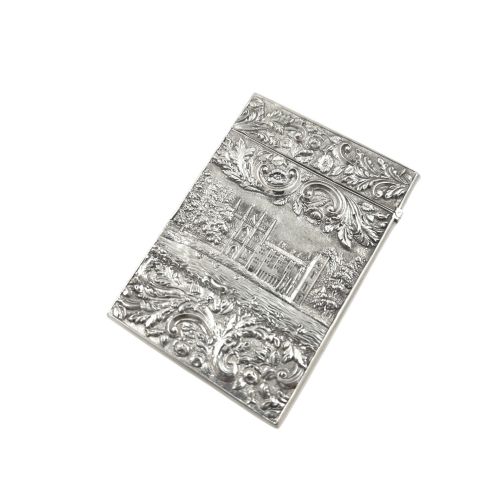
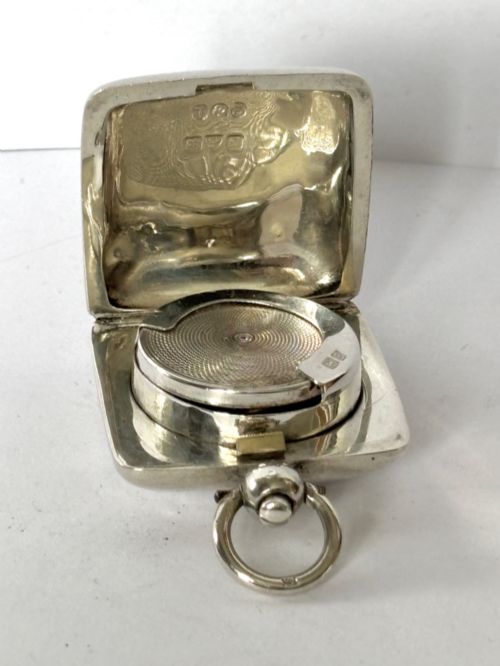
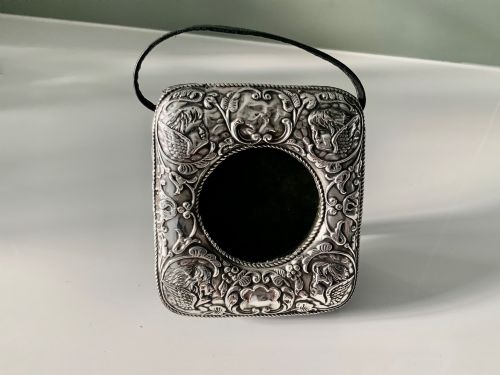
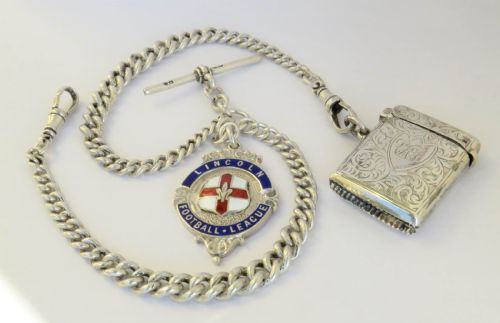
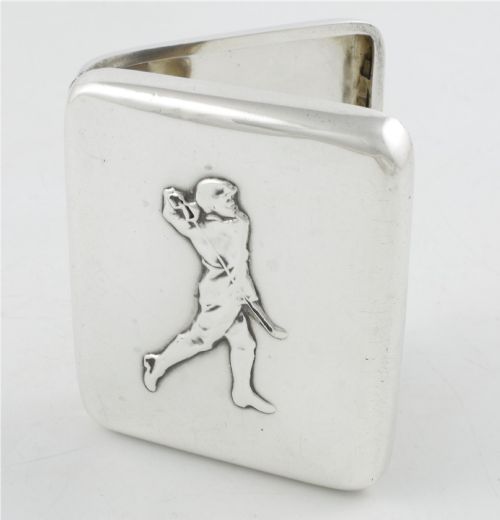
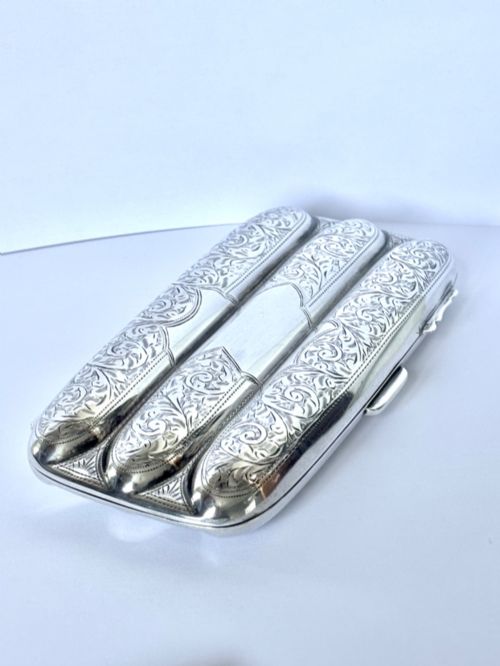
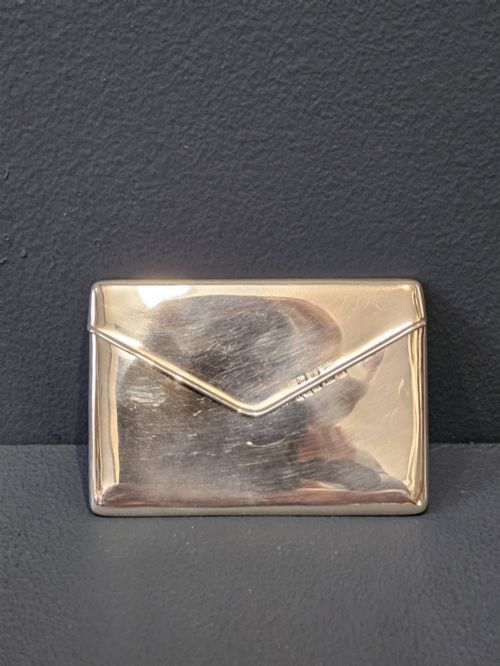
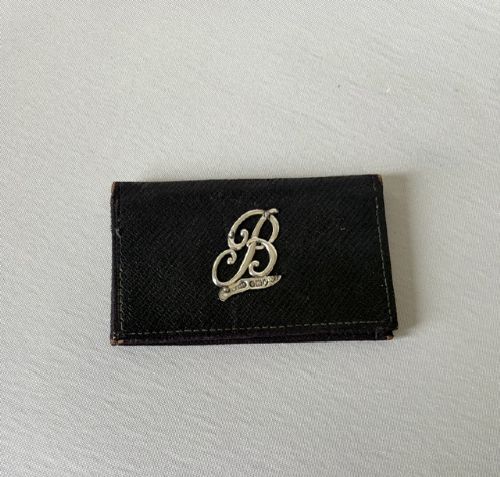
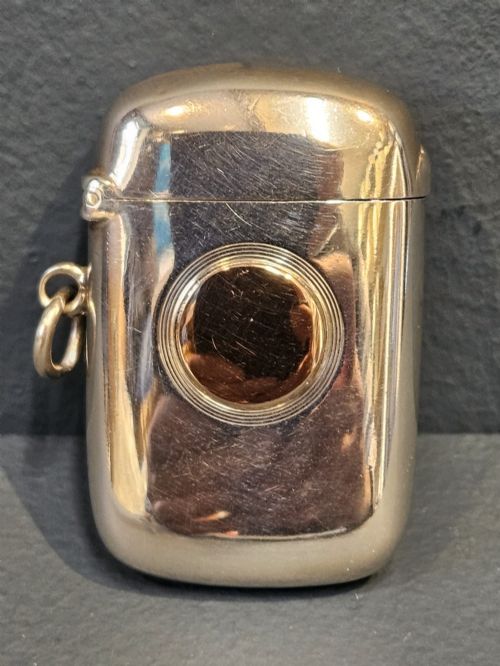
When you search for an edwardian silver pocket case, you encounter an array of functional containers designed for personal daily carry. These items include vesta cases, card cases, sovereign holders, cigarette cases, and compact stamp wallets made to fit neatly into pockets or bags.
The versions most frequently met on this page date from the Edwardian period and the early twentieth century, spanning styles from Arts and Crafts to Art Nouveau. Many pieces combine multiple functions, such as combined sovereign and vesta cases or integrated sealing wax compartments.
Makers utilised sterling silver alongside materials like crocodile leather, enamel, and glass to create durable accessories for gentlemen and ladies. The assortment reflects the specific social habits of the period, from lighting matches to carrying calling cards.
How they were made
Silversmiths constructed these pocket accessories primarily from sterling silver, shaping the metal through stamping, pressing, and hand-finishing techniques. Hinges, spring-loaded lids, and bezels required precise engineering to ensure secure closures for everyday carry.
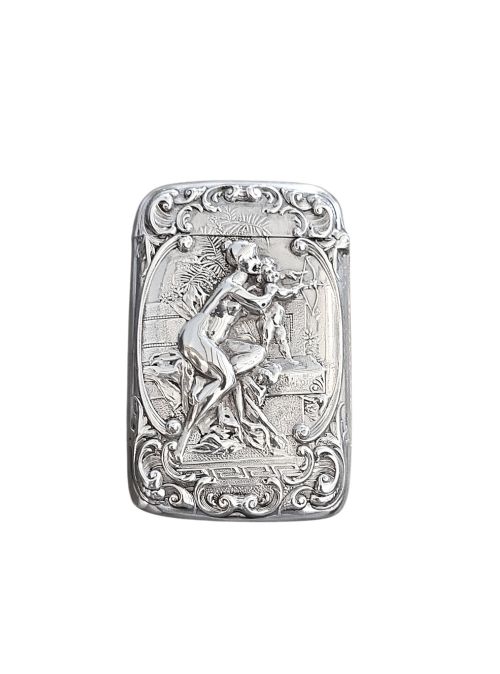
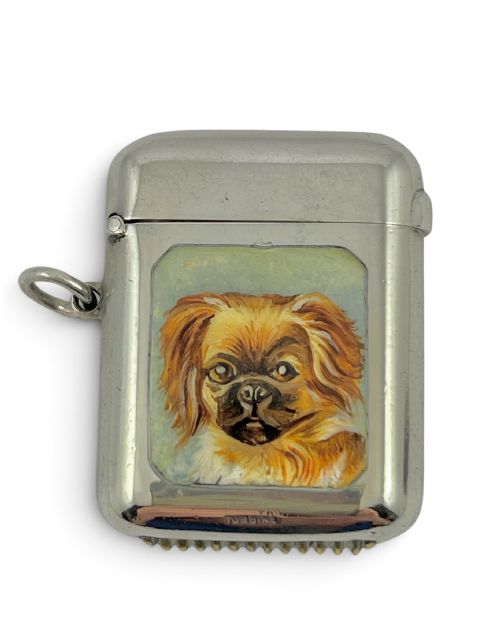
Surface decoration involved engine-turning, repoussé relief, hand-engraving, and the application of vitreous enamel or hand-painted miniature scenes. Certain containers incorporated exotic materials such as crocodile skin leather or glass sleeves fitted securely within silver frameworks.
Edwardian Silver Pocket Case Retail Price Guide 2026
Typical asking prices for edwardian silver pocket case among the pieces listed under this phrase on Sellingantiques today, from the lower quarter to the upper quarter. They describe what is for sale here now, not the wider market.
Several pocket cases were built solely to hold tiny postage stamps, proving that Victorians and Edwardians liked to write letters everywhere.
What varies in quality
Quality in an edwardian silver pocket case rests upon the crispness of the hallmarks, the weight of the sterling silver gauge, and the structural integrity of the spring mechanisms. Superior examples retain sharp relief in chased or engraved designs without softening from extensive polishing over time.
The incorporation of specialist elements such as polychrome enamel, gold gilding interiors, or signed maker marks elevates a piece above standard utility items. The precision of the fit between lids and bodies demonstrates the skill of the original workshop.
Charles Penny Brown·Aaron Lufkin Dennison·Robert Chandler·Crisford and Norris·Sampson Morden·Mappin and Webb·JW Benson
The Edwardian Silver Pocket Case Glossary
- Vesta case
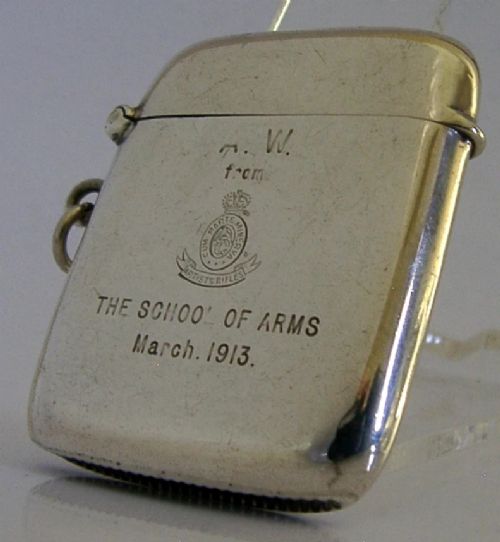
- A small portable box designed to hold matches and keep them dry. These containers typically feature a striker panel on the base.
- Sovereign case
- A circular pocket container engineered with internal spring mechanisms to securely dispense gold sovereign coins. They were essential accessories before paper currency dominated daily transactions.
- Aide memoire
- A small pocket notebook or memorandum pad fitted with a silver cover, pencil, and internal leaves for recording engagements.
- Repoussé
- A metalworking technique where the artisan hammers the design from the reverse side to form raised relief patterns on the surface.
- Vitreous enamel
- Glass powder fused to a metal base through high-temperature firing, creating durable coloured decorations on silver surfaces.
Edwardian Silver Pocket Case: Frequently Asked Questions
What is a vesta case?
A vesta case is a small pocket container specifically designed to carry matches safely while keeping the heads dry. They usually feature a serrated striking surface on the bottom.
These accessories were carried daily by both men and women during the Edwardian era, often attached to watch chains or kept in pockets.
How do I identify an Edwardian piece?
Edwardian silver items feature British hallmarks stamped directly onto the metal, indicating the assay office, standard of silver, and a specific date letter. The period spans the reign of King Edward VII from nineteen hundred and one to nineteen hundred and ten.
Stylistic cues also help, as these pieces frequently showcase Art Nouveau curves or refined classical revival motifs alongside traditional sterling construction.
Can I still use these pocket cases today?
Many of these containers remain fully functional for modern use, particularly card cases, pill boxes, and slim wallets. The hinges and spring lids on well-preserved examples continue to operate smoothly after a century.
Care should be taken with enamel panels and delicate leather components to preserve their condition during regular handling.
What are combination cases?
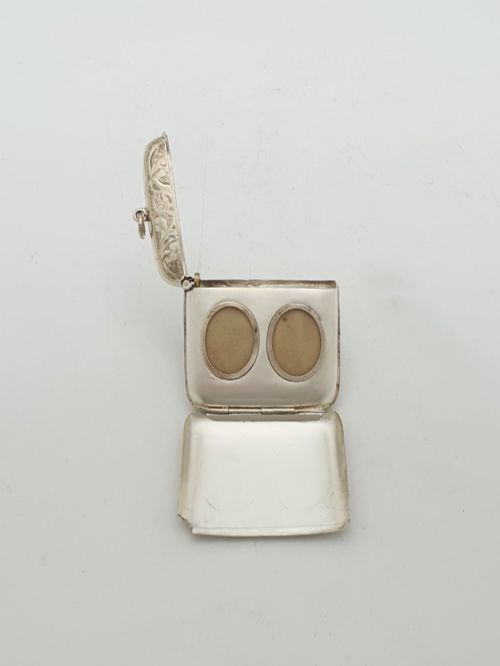
Combination cases are multi-purpose pocket accessories that housed two different items within a single unified silver housing. Common pairings included sovereign holders combined with match vestas or stamp compartments paired with writing spaces.
These dual-purpose designs offered maximum utility for travellers and gentlemen navigating turn-of-the-century social engagements.