
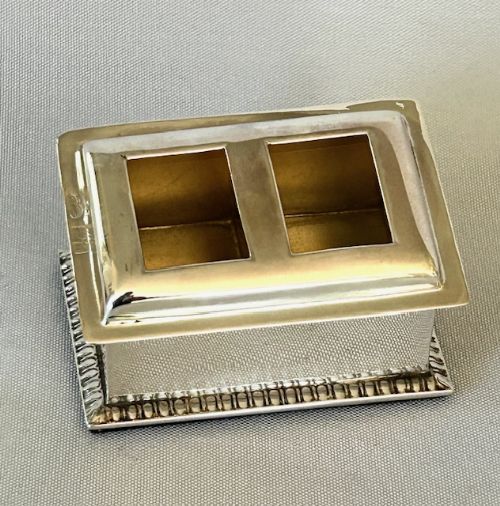


Silver Postage Stamp Case
A silver postage stamp case is a small desk accessory or pocket piece designed to keep adhesive stamps crisp, dry, and ready for use.
Silver Postage Stamp Case
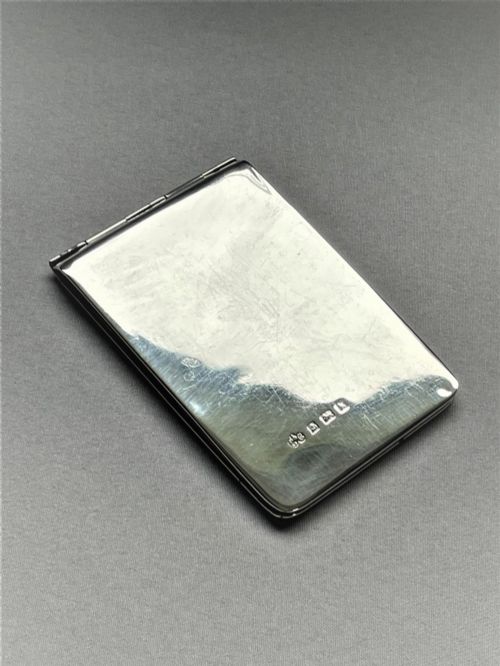
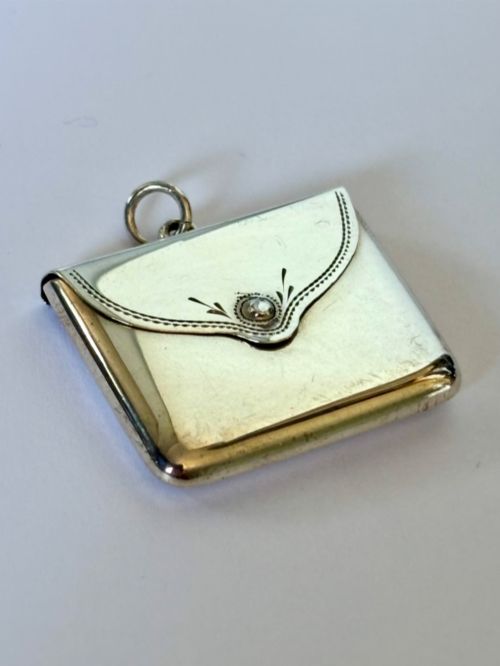
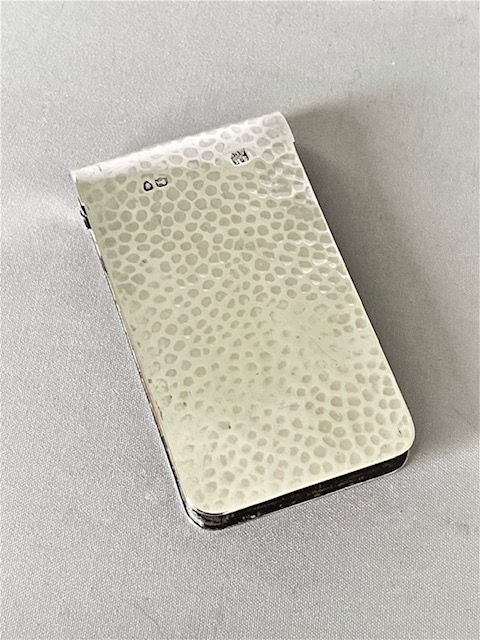
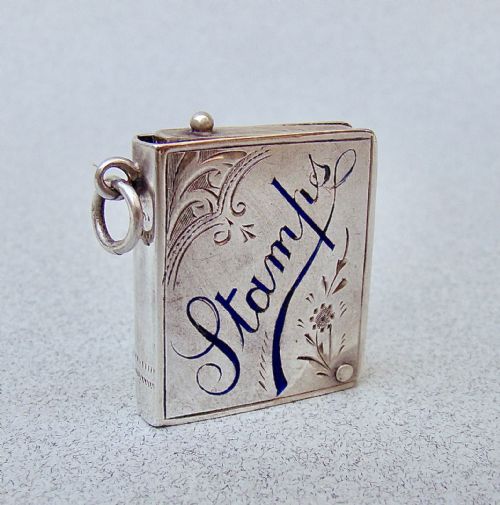
A silver postage stamp case is an accessory designed to store stamps securely for desk use or pocket carriage. The pieces seen here encompass desk boxes, pocket wallets, and novelty forms from the late nineteenth and early twentieth centuries.
Victorian and Edwardian examples dominate the selection, spanning periods from the eighteen eighties through to the reign of George V. Buyers will find both functional desk pieces with multiple troughs and portable envelope or book designs.
Novelty shapes provide some of the most engaging specimens, including miniature garden trugs, wheelbarrows, and pillar post boxes. These varied forms reflect the Victorian and Edwardian taste for whimsical yet practical silver items.
Assessing quality and craftsmanship
The distinction between standard items and superior pieces rests on the crispness of the maker's stamp, the precision of the hinge alignment, and the depth of the hand engraving. Novelty pieces achieve higher regard when the miniature form demonstrates realistic architectural or botanical detail.
Internal condition matters greatly, particularly the intact retention of gilt washes within troughs and boxes. Pieces that combine uncommon forms, such as multi-stamp capacities or working mechanical actions, display greater manufacturing ambition.
Victorian inventors even patented mechanical stamp applicators, turning the simple act of licking a stamp into a miniature engineering feat.
CRISFORD & NORRIS·SAMPSON MORDEN·ALBERT ERNEST JENKINS·LEVI & SALAMAN
The Silver Postage Stamp Case Glossary
- Sterling silver
- An alloy containing ninety-two point five percent silver by mass, with the remainder being other metals, usually copper. This standard alloy provides the durability required for pocket and desk use.
- Hallmark
- An official stamp applied by an assay office to indicate the purity of the metal, the maker, and the year of manufacture. British pieces frequently display town marks and date letters.
- Envelope form
- A popular design mimicking the paper post, complete with a triangular flap that folds over the opening. These pieces often feature engraved sealing wax details.
- Trough
- An internal channel or compartment designed to hold a roll or stack of stamps upright. Double and quadruple troughs allow for different denominations.
- Novelty piece
- An item shaped to represent an everyday object, animal, or architectural structure rather than a standard geometric box. Garden equipment and post boxes are typical examples.
Silver Postage Stamp Case: Frequently Asked Questions
How were these stamp cases used?
Owners carried them daily or kept them stationery-bound on mahogany desk surfaces to dispense stamps neatly. Slide-opening mechanisms and hinged envelope flaps allowed quick access to individual adhesive stamps.
Some specialised versions accommodated stamp rolls or separated different postal values into distinct internal troughs. Fob attachments also allowed people to suspend them from watch chains or belts.
How do I identify a Victorian piece?
Victorian examples generally date from the eighteen eighties and nineties, displaying hallmarks specific to London, Birmingham, or Chester alongside sovereign case actions or parcel rate details. Their decoration often relies on deep hand engraving, floral motifs, or simple geometric book covers.
Later Edwardian and George V pieces shift towards novelty shapes like wheelbarrows, trugs, and miniature pillar boxes. Checking the assay office date letter inside the lid provides the exact year of production.
How should I care for antique silver?
Keep silver stamp cases dry and avoid abrasive chemical polishes that can wear away crisp hallmarks and delicate hand engraving. Gentle dusting with a soft cloth maintains the natural lustre without stripping the aged patina.
Store them away from direct sunlight and damp environments to protect any interior gilt washes or glass components. Handling them carefully preserves the delicate spring-loaded hinges and sliding lids.