

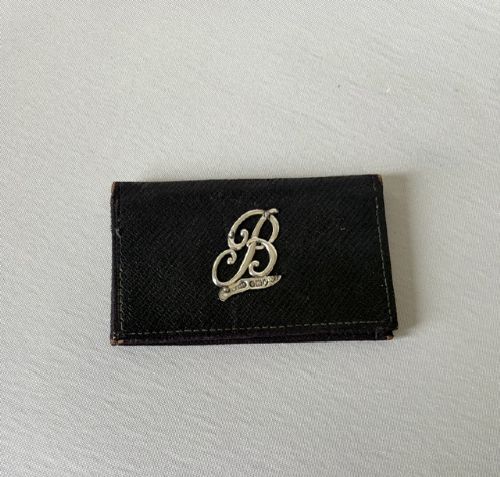
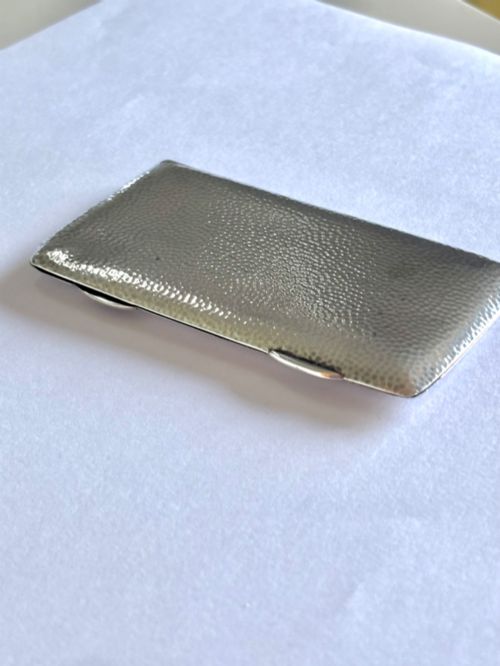
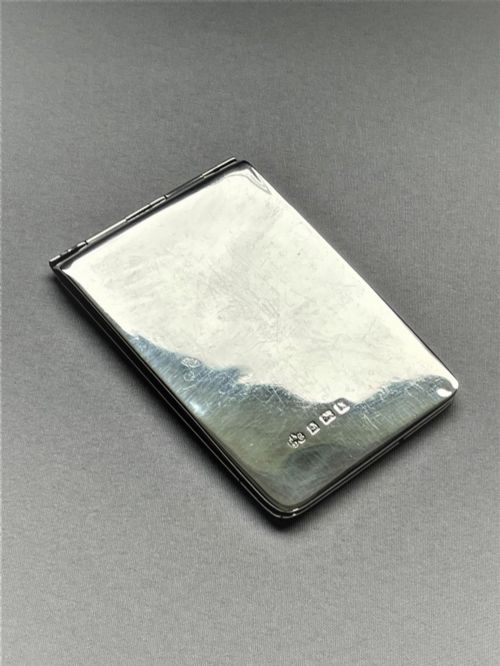
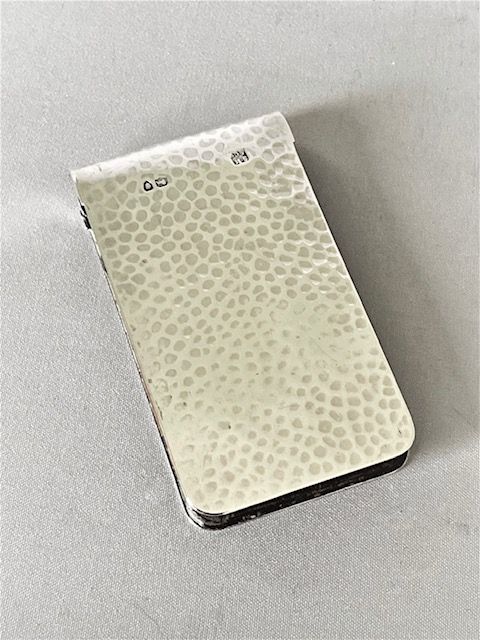


Edwardian Silver Stamp Case
An edwardian silver stamp case is a neat desktop or pocket accessory designed to keep postage ready to hand.
Edwardian Silver Stamp Case
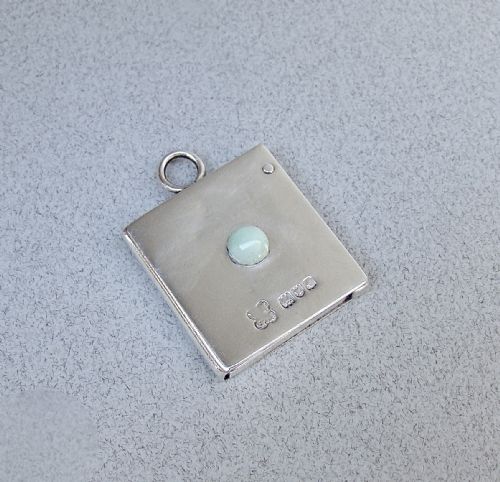
The pieces appearing most frequently date from the Edwardian era and the subsequent George V period, often featuring hallmarks from Birmingham and Chester. Makers frequently combined the primary function with card cases, wallets, or vesta cases for matches.
Materials and Technique
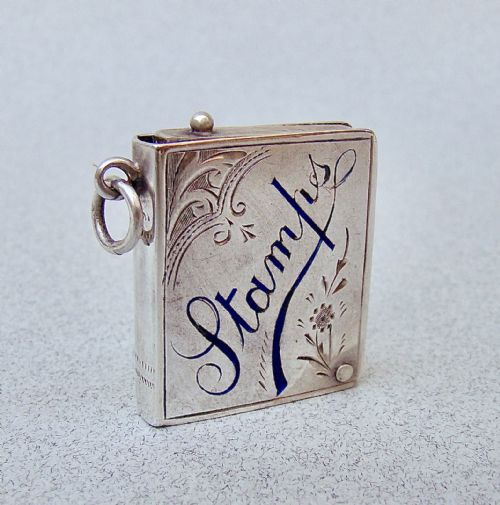
Silversmiths worked primarily in sterling silver, employing techniques such as engraving, spot-hammering, and enamelling to decorate the exterior surfaces. Many examples incorporate interior glass partitions, leather linings, or turquoise stone accents.
Novelty items rely on precise articulation and miniature construction, replicating everyday objects like pillar boxes, books, and garden trugs with hinged lids and secure fastenings.
Edwardian Silver Stamp Case Retail Price Guide 2026
Typical asking prices for edwardian silver stamp case among the pieces listed under this phrase on Sellingantiques today, from the lower quarter to the upper quarter. They describe what is for sale here now, not the wider market.
Listings feature sterling silver combined with glass, leather, enamel, and stone across the Edwardian and George V periods.
Craftsmanship and Detail
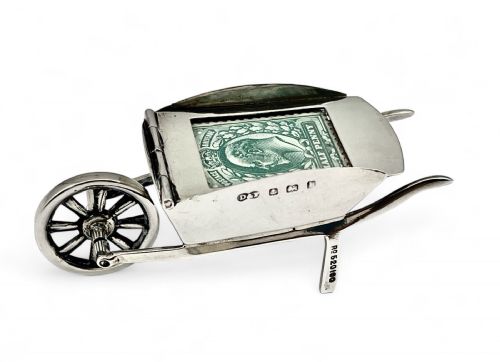
Quality rests in the crispness of the chasing, the precision of the hinges, and the clarity of the hallmarks stamped into the silver. Standard stamped boxes differ significantly from specialist novelty forms like miniature wheelbarrows or book designs produced by known makers.
The presence of supplementary materials like enamel, glass, or leather inserts elevates a standard container into a more ambitious desktop or pocket piece.
Willian Aitken·Crisford and Norris·Sampson Morden·W and G Neal·Albert Ernest Jenkins·Levi and Salaman·Sydney and Co·William Light·Gourdel Vales and Co
The Edwardian Silver Stamp Case Glossary
- Sterling Silver
- A silver alloy containing 92.5 percent pure silver and 7.5 percent other metals, usually copper. This standard composition is confirmed by the lion passant hallmark on British pieces.
- Vesta Case
- A small pocket box designed to hold matches and strike them on an integrated serrated base. These are frequently combined with stamp compartments in Edwardian accessories.
- Hallmark
- An official mark stamped onto precious metals to indicate the standard of purity, the assay office, and the year of manufacture. Birmingham and Chester offices feature prominently on these items.
- Novelty
- An object shaped to resemble something entirely unrelated to its actual function. Examples in this category mimic books, envelopes, satchels, and garden wheelbarrows.
Edwardian Silver Stamp Case: Frequently Asked Questions
What is an edwardian silver stamp case?
It is a small container made from sterling silver during the early twentieth century to hold postage stamps securely. These items were manufactured for both desk use and pocket carriage.
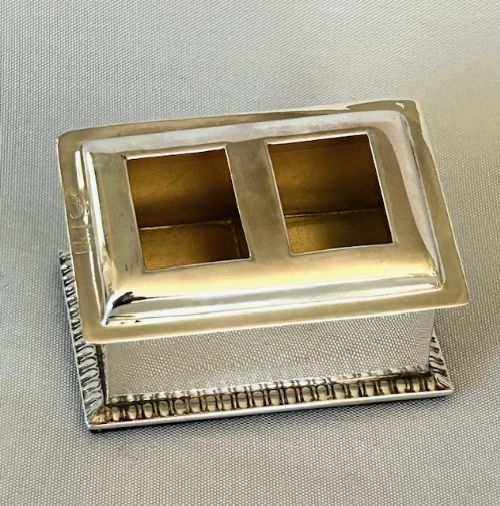
Designs range from plain rectangular boxes to whimsical novelty shapes reflecting objects like books, envelopes, and postal pillars.
How were these stamp cases used?
Owners kept small adhesive postage stamps inside them to prevent the gummed edges from sticking together in damp weather. They sat on writing desks or accompanied callers in pockets and handbags.
Many incorporated multiple internal compartments to organise different stamp denominations for domestic and foreign postage.
How do I date an edwardian silver stamp case?
Dating relies on reading the assay office marks, date letters, and maker's stamps struck directly into the silver. Edwardian examples typically date from the reign of Edward VII up to the First World War and George V periods.
Stylistic cues such as spot-hammered finishes or enamel work also point towards specific manufacturing decades.
What styles are common in these pieces?
The Arts and Crafts movement influenced some of the simpler, hand-beaten or spot-hammered surfaces seen on desk accessories. Novelty designs mimicking everyday items remain a prominent stylistic category.
Standard envelope and book forms also appear frequently, often engraved with initials or floral motifs.