
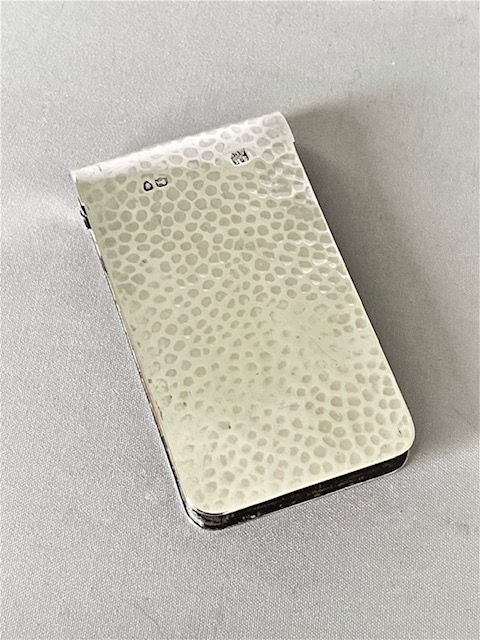
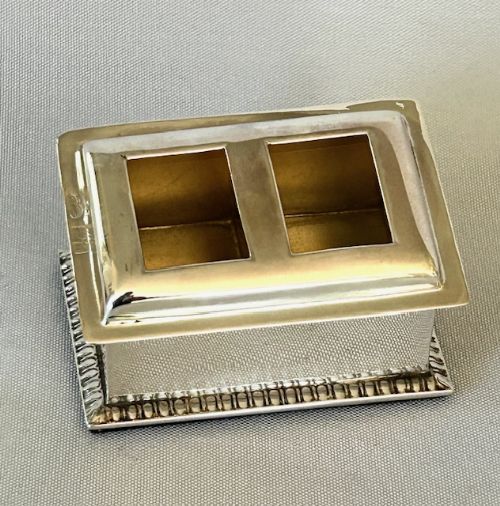


Postage Stamp Dispenser
These postage stamp dispensers are practical desktop accessories that keep small gummed papers tidy and ready for use.
Postage Stamp Dispenser
A postage stamp dispenser is a desk accessory designed to hold and organise adhesive postal stamps for convenient use. The pieces appearing on this page span the Victorian and Edwardian periods, including specific years from the 1870s up to 1910.
Collectors encounter several distinct forms within this category, ranging from simple slide opening stamp cases to double stamp boxes and novelty miniatures shaped like garden wheelbarrows and trugs. Materials vary from sterling silver and silver plate to brass, glass, metal, and leather.
The styles represented reflect the dominant aesthetic movements of their times, encompassing Victorian, Edwardian, Arts and Crafts, and George V designs. Many examples function as multi-compartment holders or specific parcel rates fobs, whilst others incorporate patented mechanisms such as MacNeills patent stamp applicators.
How they were made
Makers utilised sterling silver and silver plate for the primary bodies of these boxes and cases, frequently pairing precious metals with glass inserts or leather elements. Hallmarks stamped into the metal surfaces record assay office locations and manufacturing dates.
Brass and mixed metals provided sturdy alternatives for four-section holders and mechanical dispensers designed for heavier daily use. Novelty forms demanded skilled silversmithing to shape flat sheets of metal into recognisable miniature objects like garden wheelbarrows and trugs with opening lids.
The listings on this page span the Victorian and Edwardian eras, incorporating materials such as sterling silver, brass, glass, and leather.
What varies in quality
The standard of workmanship separates standard commercial pieces from exceptional silversmith output, particularly in the crispness of detailing on novelty items like garden trugs and wheelbarrows. The precision of sliding mechanisms and the integrity of hinges dictate how well a box functions over time.
The presence of clear hallmarks and identifiable maker marks elevates the standing of a piece, especially when associated with notable firms such as Sampson Morden or specific patents like MacNeills. The choice of materials, such as heavy gauge sterling silver versus thin silver plate over base metal, marks the distinction between grades.
Sampson Morden·MacNeills Patent
The Postage Stamp Dispenser Glossary
- Sterling silver
- A silver alloy containing 92.5 percent pure silver by mass and 7.5 percent other metals, usually copper. This standard alloy provides the durability required for functional desk accessories.
- Hallmark
- An official mark struck on items made of precious metals, certifying their purity and origin. These marks typically include a maker's mark, assay office mark, and date letter.
- Stamp box
- A small container specifically designed to store adhesive postage stamps away from moisture. They often feature multiple internal sections for different stamp denominations.
- Stamp case
- A flat holder or wallet, sometimes with a slide opening, used to carry a small reserve of stamps. These portable versions often attached to watch chains or fobs.
- Silver plate
- A layer of silver applied to a base metal core such as brass or copper. This technique offered the appearance of solid silver at a lower cost.
Postage Stamp Dispenser: Frequently Asked Questions
What is a postage stamp dispenser?
A postage stamp dispenser is a small container or mechanical device created to hold adhesive stamps neatly on a desk or for personal carriage. These items became necessary following the introduction of the uniform penny post.
They range from simple leather or metal sleeves to compartmented silver boxes and patented applicators designed to dispense single stamps rapidly.
How were these stamp boxes used?
Victorian and Edwardian writers used these accessories to keep gummed stamps flat and dry in humid rooms. Desktop boxes sat alongside inkwells and letter racks for daily correspondence.
Portable cases and fobs allowed individuals to carry stamps in pockets or attached to watch chains while travelling away from home.
How do I date a silver stamp box?
Dating relies primarily on official hallmarks stamped into the metal, which indicate the assay office and the exact year of manufacture. Stylistic clues, such as Arts and Crafts motifs or Edwardian proportions, also narrow down the production period.
Patent names and registry numbers stamped on the base provide further documentary evidence for specific manufacturing years.