


Vintage Silver Stamp Holder
A vintage silver stamp holder brings miniature architectural forms and fine desk utility to a collection.
Vintage Silver Stamp Holder
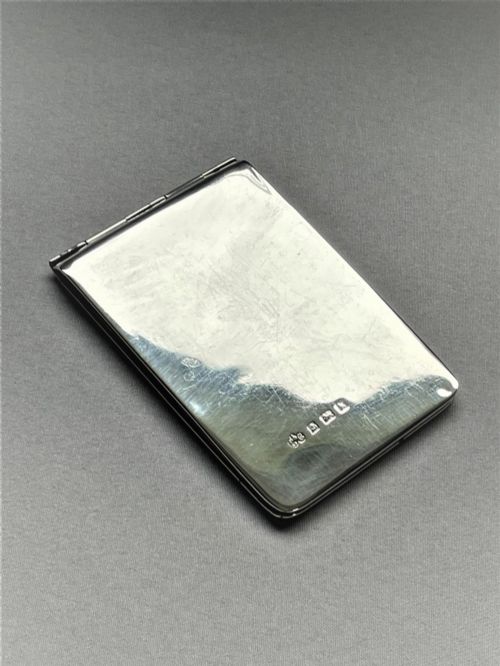
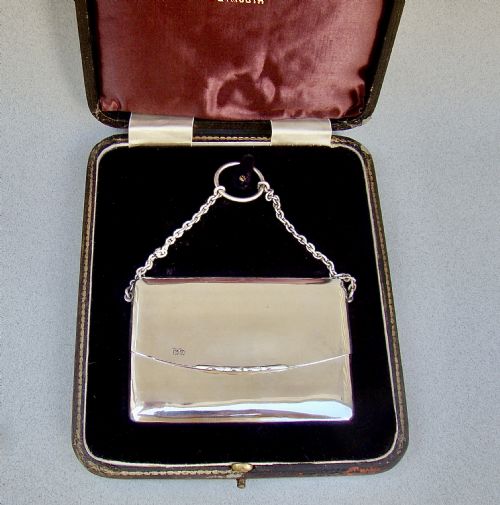
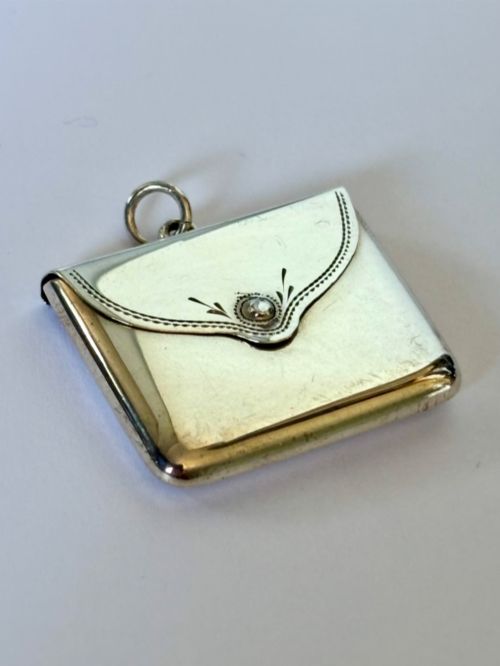
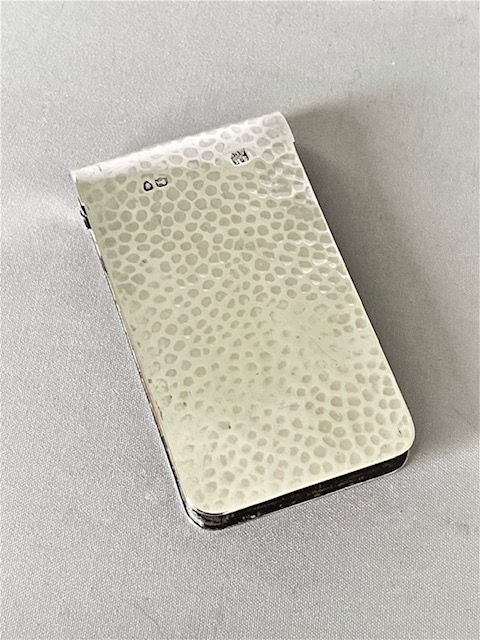
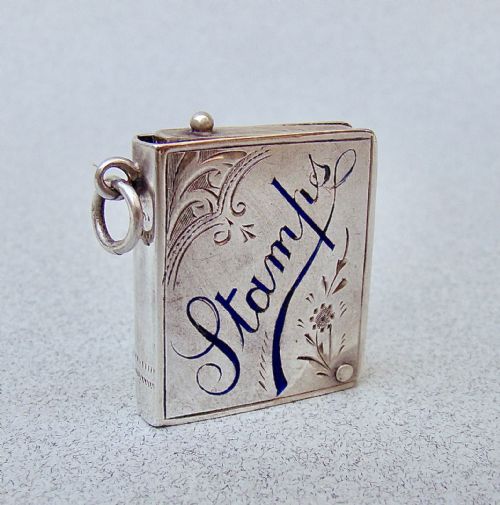
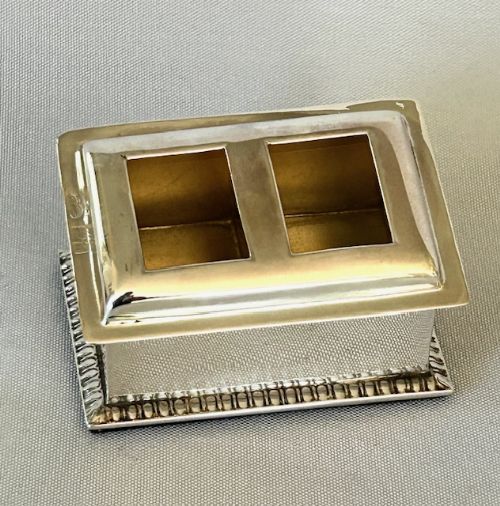
When you search for a vintage silver stamp holder, you encounter a specialised desk accessory designed to keep postage organised in the Edwardian and George V periods. These pieces take forms such as miniature envelopes, books, wallets, double boxes, and novelty garden wheelbarrows, reflecting the Victorian and Edwardian taste for decorative tabletop items.
How they were made
Silversmiths constructed these pieces primarily using sterling silver and silver plate, often employing techniques such as engine turning, embossing, and engraving to decorate the metal surfaces. Cases shaped like envelopes or books relied on precise folding and hinge work to mimic the real objects in miniature.
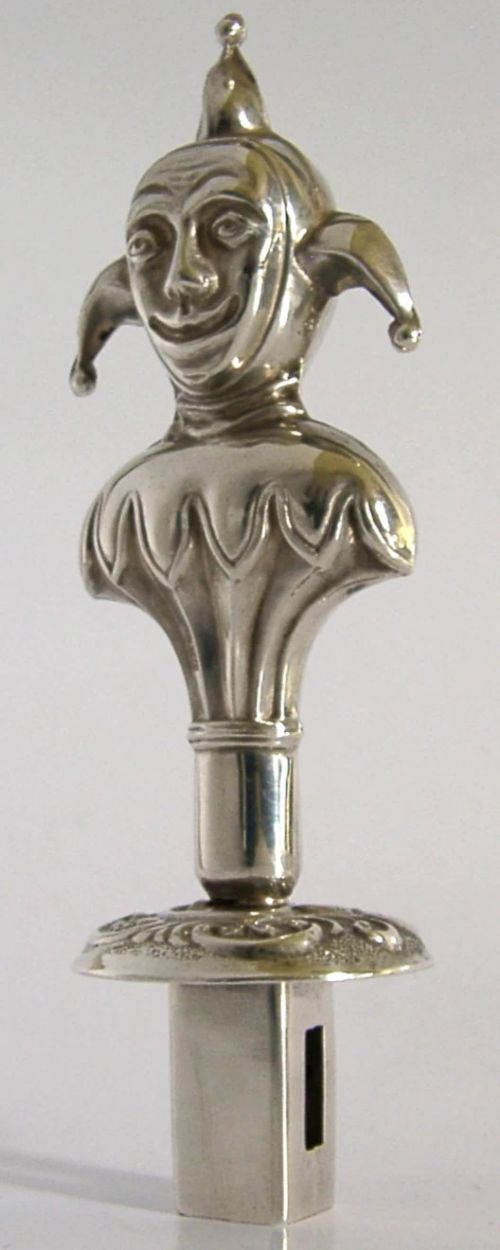
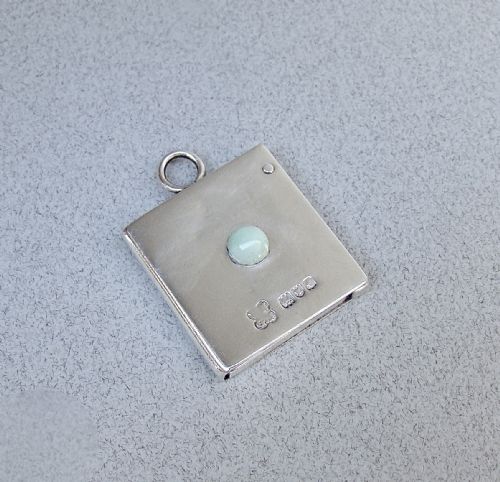
Makers integrated materials like glass, leather, enamel, and stone into the silver framework, particularly for desk boxes and novelty items like the wheelbarrow or the jester wax sealing holder. Hallmarks stamped directly into the metal record the assay office, maker, and year of production.
Listings span the Edwardian and George V periods, featuring materials such as sterling silver, glass, leather, enamel, and stone.
What varies in quality
The distinction between ordinary and superior pieces rests on the crispness of the engraving, the integrity of the hinges, and the clarity of the hallmarks stamped by makers such as Crisford & Norris or Sampson Morden. Novelty forms that execute detailed subjects like wheelbarrows or jesters with sculptural precision command greater attention.
Materials also separate the range, as pieces combining sterling silver with enamel, glass, or fitted leather interiors demonstrate a higher level of workshop execution than plain silver plate.
Willian Aitken·Crisford & Norris·Sampson Morden·W & G Neal·Albert Ernest Jenkins
The Vintage Silver Stamp Holder Glossary
- Hallmark
- An official mark stamped into precious metal indicating the standard of purity, the assay office, and the date letter. These marks provide definitive historical context for the piece.
- Sterling silver
- A silver alloy containing 92.5 percent pure silver and 7.5 percent other metals, usually copper. This standard composition forms the basis of most quality desk accessories.
- Novelty
- An object shaped whimsically to resemble an everyday item, animal, or character, such as a wheelbarrow or a jester. These playful designs were popular for desk ornaments.
- Assay office
- A body responsible for testing the purity of precious metal items and applying official hallmarks. Offices in cities like London, Birmingham, and Chester appear frequently on these pieces.
- Silver plate
- A base metal coated with a thin layer of silver. This technique offered a more accessible alternative to solid sterling items.
Vintage Silver Stamp Holder: Frequently Asked Questions
What are these stamp cases?
These pieces are small desk accessories created to hold postage stamps neatly on a writing table or in a pocket.
They emerged in various forms, including miniature envelopes, books, and novelty shapes, during the Victorian, Edwardian, and George V eras.
How were they used?
Victorian and Edwardian writers used them to keep gummed stamps clean and flat before affixing them to correspondence.
Desk boxes and pocket wallets provided a portable or stationary method for organising different stamp denominations.
How do I date a piece?
You date a piece by reading the hallmarks stamped onto the silver, which reveal the assay office and the specific year letter.
Makers' marks alongside these stamps also help identify the silversmith and the active period of production.
What materials are used?
The primary material is sterling silver, though silver plate also appears on certain dispensers like patent applicators.
Makers frequently combined the silver with glass, leather, enamel, and stone to create varied textures and visual interest.
How do I care for silver?
Care involves gentle cleaning with a soft cloth to preserve the engraved details and the historical patina accumulated over the decades.
Avoid abrasive polishes that can wear away crisp hallmarks and delicate surface decoration.