


Antique Sterling Stamp Box
An antique sterling stamp box is a functional desk accessory designed to hold postage stamps, highly sought after for its intricate craftsmanship and period charm.
Antique Sterling Stamp Box
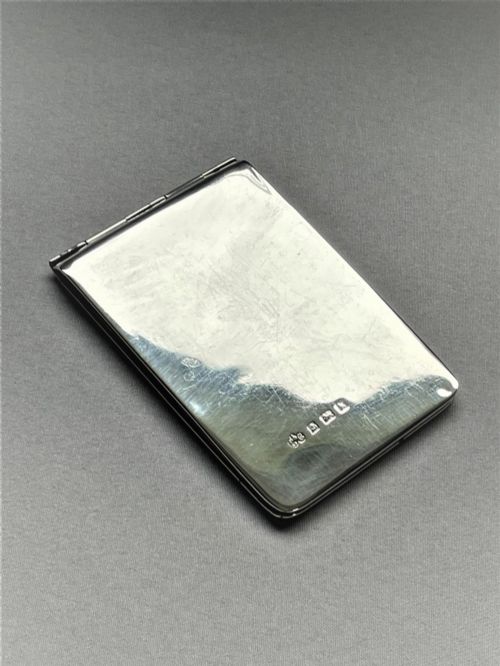
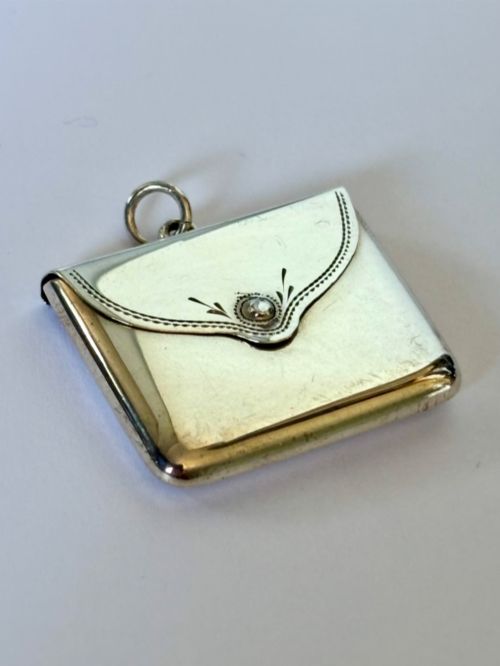
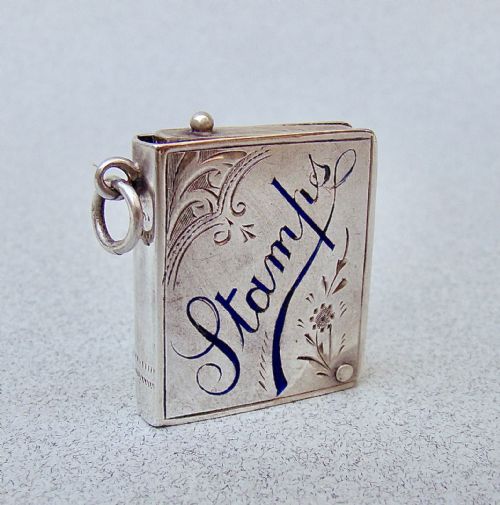
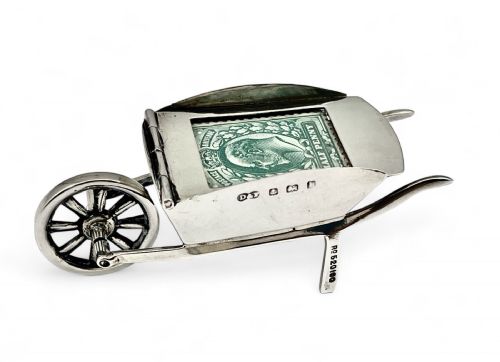
The objects range from simple trough-shaped receptacles to novelty forms shaped like envelopes, books, wallets, garden trugs, and miniature wheelbarrows. Many combine sterling silver with other materials such as glass, cut crystal, enamel, leather, or stone to create decorative desktop items.
How they were made
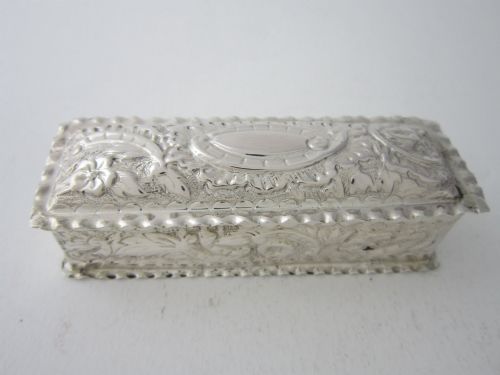
Silversmiths utilised sterling silver alongside materials like cut glass and leather, forming the metal through pressing, casting, and hand engraving. Birmingham and London makers often applied detailed repoussé work, hinged lids, and gilt interiors to elevate the functional design.
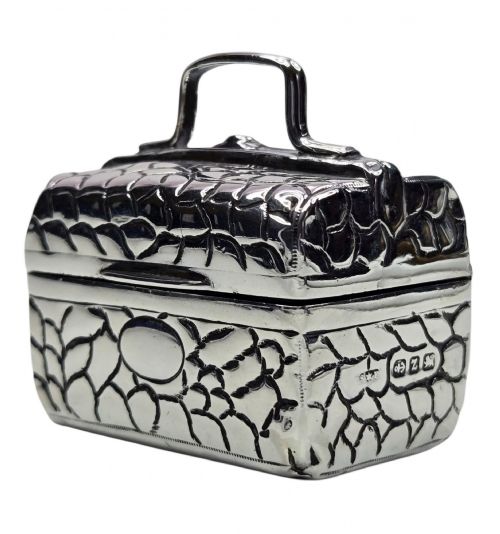
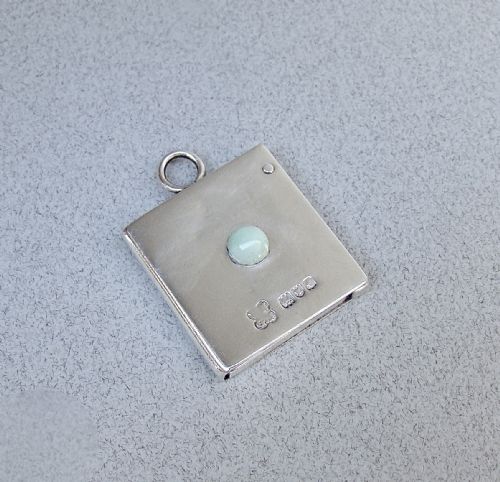
Novelty pieces required precise articulation in metal, replicating textures such as crocodile skin or miniature wickerwork on garden trugs. Hallmarking stamps were routinely punched into the sterling silver to denote the assay office, year, and maker.
Listings for antique sterling stamp box pieces span the Victorian, Edwardian, and George V periods, incorporating materials such as cut glass, leather, and enamel alongside solid silver.
What varies in quality
The distinction between standard pieces and finer examples rests on the crispness of the chasing, the precision of the hinge mechanism, and the presence of unusual novelty forms. Plain desk boxes rely on heavy gauge sterling silver and clean proportions, whereas superior novelty items display realistic textural detail like animal skin or botanical motifs.
Makers known for exceptional output, such as Crisford & Norris or Levi & Salaman, often command attention through the inventive design of their envelope, book, or swivel cases. The integration of contrasting materials, including cut crystal or polychrome enamel, further elevates the sophistication of the piece.
Crisford & Norris·W & G Neal·William Hutton·Albert Ernest Jenkins·Levi & Salaman·Grey & Co.
The Antique Sterling Stamp Box Glossary
- Sterling silver
- A silver alloy containing 92.5 percent pure silver by mass and 7.5 percent other metals, usually copper. This standard alloy provides the durability required for intricate desk accessories and stamp cases.
- Hallmark
- An official mark stamped onto precious metals by an assay office to guarantee the purity of the metal, the maker, and the year of production. British pieces typically display a leopard head, anchor, or three sheaves alongside the date letter.
- Novelty stamp box
- A stamp container shaped to resemble an unrelated everyday object, such as an envelope, book, trunk, or garden wheelbarrow. These whimsical forms were popular during the late nineteenth and early twentieth centuries.
- Repoussé
- A metalworking technique where the silversmith hammers the metal from the reverse side to create a raised design in relief on the front. This method produced the scrolling foliage and cherub motifs seen on Victorian boxes.
- Double stamp box
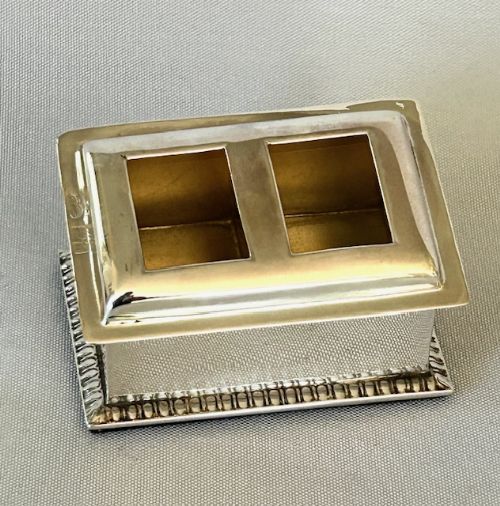
- A desk accessory partitioned internally to hold two different denominations of postage stamps simultaneously. These often feature dual-hinged lids or a shared trough design.
Antique Sterling Stamp Box: Frequently Asked Questions
How were stamp boxes used?
Stamp boxes were kept on writing desks, in libraries, or carried as pocket cases to keep adhesive postage stamps dry and organised. The invention of the postage stamp created a need for dedicated containers that prevented gummed stamps from sticking together in humid conditions.
Double and triple boxes allowed writers to separate different stamp values, such as halfpenny and penny denominations. Novelty versions added a decorative touch to Victorian and Edwardian writing stationery.
How do I date a silver stamp box?
You can date a silver stamp box by examining the hallmarks stamped into the metal, which typically include a maker's mark, a purity mark, an assay office symbol, and a date letter. British pieces carry specific letter codes corresponding to the year they were tested.
Stylistic cues also help identify the era, as Victorian pieces often feature heavy repoussé scrollwork, while Edwardian and George V examples frequently adopt cleaner lines, novelty garden themes, or envelope motifs.
Are all stamp boxes made of solid silver?
While many stamp boxes are made entirely of solid sterling silver, others incorporate contrasting materials like cut glass, leather, enamel, or stone. Silver-mounted glass boxes combine a crystal reservoir with a hallmarked silver lid.
Some portable cases pair sterling silver frames with leather bodies or internal silk linings. The presence of these mixed materials reflects the changing aesthetic preferences of the late nineteenth and early twentieth centuries.