

Edwardian Silver Pocket Accessory
These edwardian silver pocket accessory pieces are personal items carried for daily use, combining practical utility with refined metalwork.
Edwardian Silver Pocket Accessory
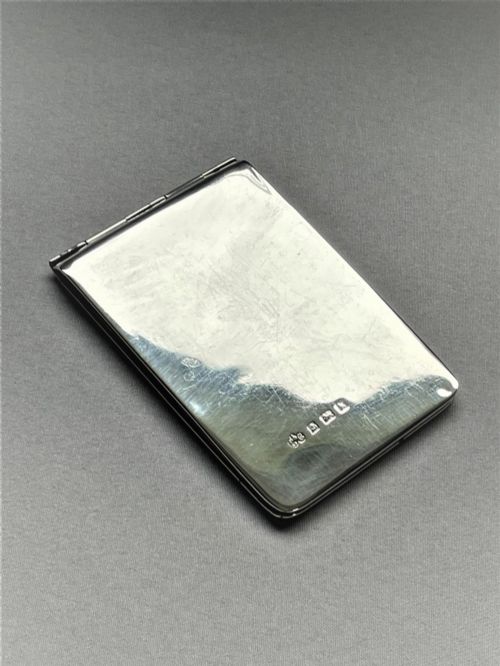
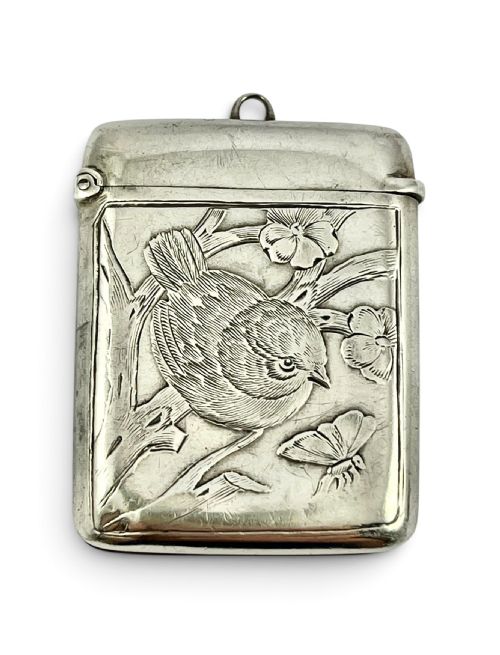
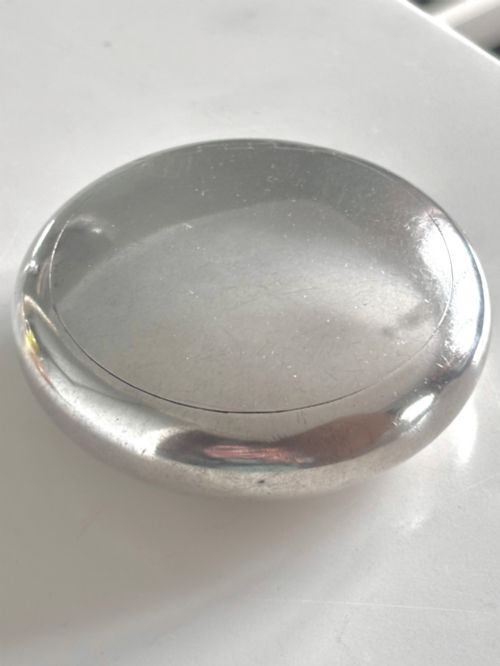
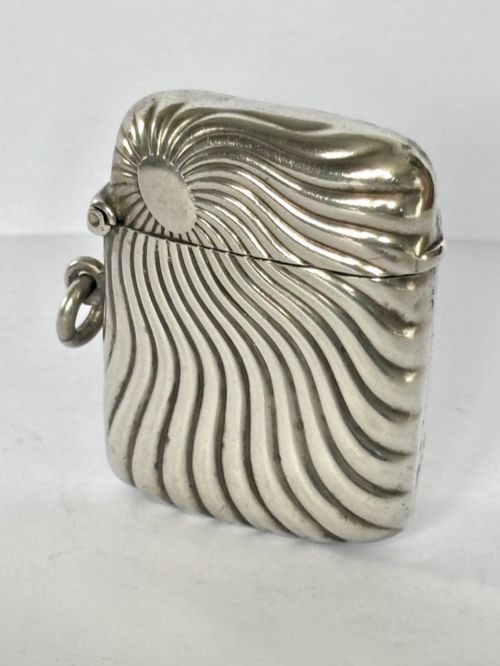
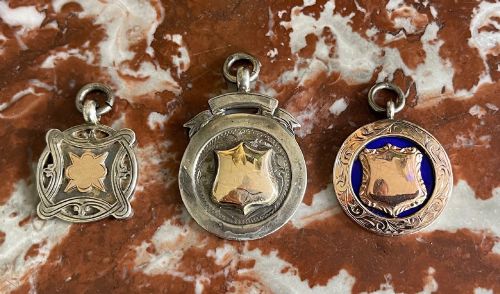
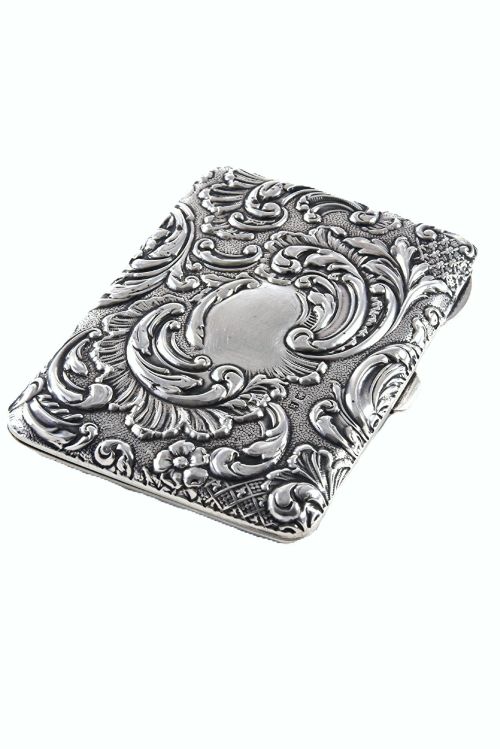
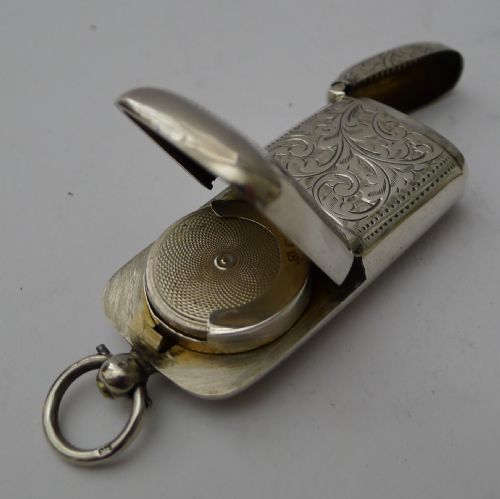
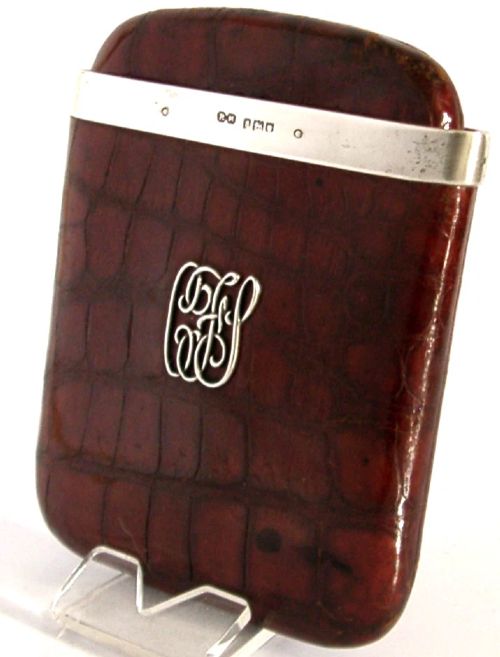
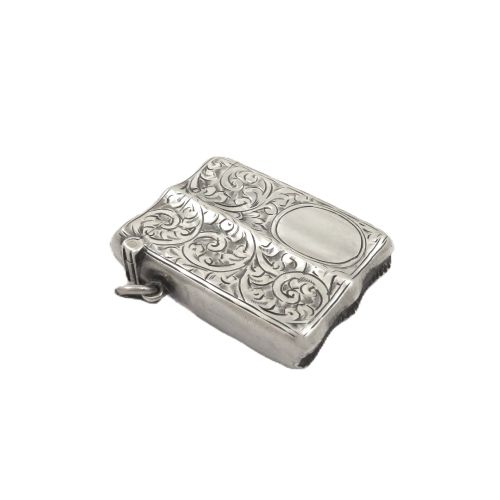
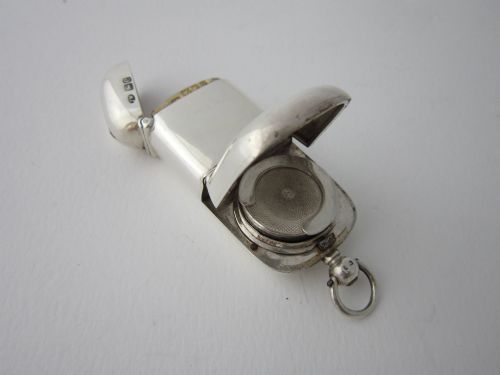
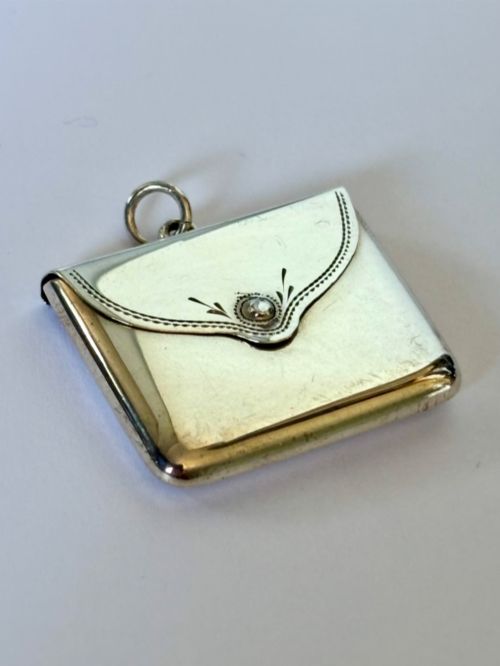
An edwardian silver pocket accessory encompasses small portable items designed for personal convenience, such as vesta cases, stamp cases, card cases, and sovereign holders. Most pieces originate from the Edwardian period and adjacent years spanning the late nineteenth to early twentieth century.
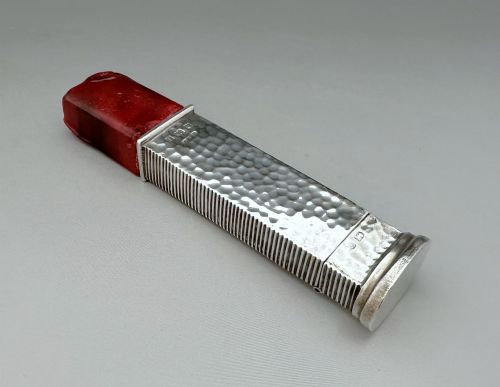
The selection ranges from simple match holders to elaborate combination pieces like a vesta and sealing wax combo or a double sovereign case. These objects reflect the formal social habits and personal grooming requirements of the era.
How they were made
Sterling silver forms the primary structural material, often paired with gold, rose gold, enamel, leather, glass, or sealing wax. Silversmiths utilised stamping, hammering, and engraving techniques to shape the metal and decorate the exterior surfaces.
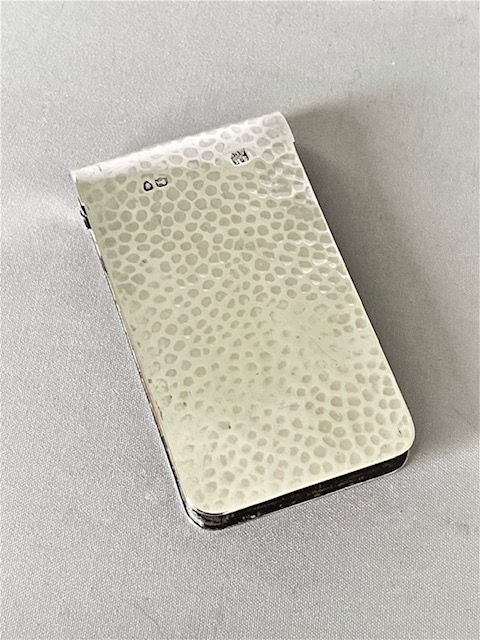
Makers incorporated internal gilding, spring-loaded lids, and hinged compartments to ensure functionality. Crocodile skin designs and textured metal finishes added tactile variety to the pocket items.
What varies in quality
The distinction between standard items and superior examples lies in the crispness of the hallmark stamping, the precision of the hinge mechanics, and the complexity of the surface engraving. Pieces bearing work from notable makers exhibit finer attention to detail in construction and decorative motifs.
The integration of multiple functions, such as combined sovereign and vesta cases or specialised stamp envelopes, demonstrates higher manufacturing ambition. The survival of original gilding and enamel work also influences the character of each piece.
Aaron Lufkin Dennison·Mappin and Webb·Robert Chandler·Crisford and Norris·Sampson Morden·Albert Ernest Jenkins·Henry Charles Freeman
The Edwardian Silver Pocket Accessory Glossary
- Vesta case
- A small portable container designed to hold matches, usually fitted with a striking surface on the base. These match safes protected paper matches from moisture in the pocket.
- Sovereign case
- A circular metal holder engineered to store gold coin currency securely in individual spring-loaded slots. Single and double versions accommodated standard British coinage.
- Hallmark
- An official stamp applied by an assay office to indicate the metal purity, origin city, and year of manufacture. British silver hallmarks provide reliable dating evidence.
- Aide memoire
- A small pocket notebook or memorandum pad fitted with a pencil and silver cover for recording notes. These items served as early personal organisers.
- Albert chain
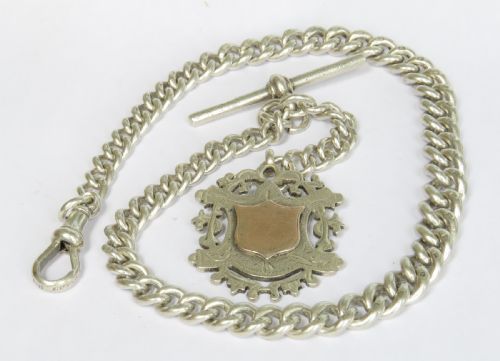
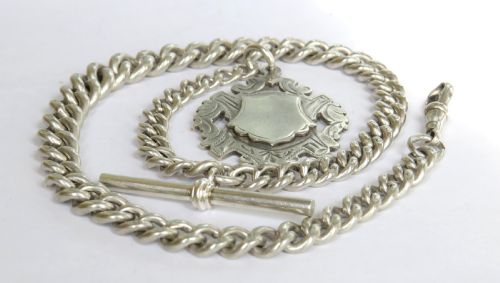
- A pocket watch chain designed to attach to a waistcoat, often adorned with charms or watch fobs. Named after Prince Albert, these chains held timepieces securely.
Edwardian Silver Pocket Accessory: Frequently Asked Questions
How do I read silver hallmarks?
Hallmarks consist of a series of stamped symbols indicating the maker, the assay office city, the metal standard, and the date letter. British pieces typically show a lion passant for sterling silver alongside specific town marks.
Matching these symbols against standard reference tables reveals the exact year and location of manufacture for each piece.
How were pocket accessories used?
Owners carried these items daily to manage small essentials like matches, postage stamps, visiting cards, and gold coins. Combination pieces allowed gentlemen and ladies to consolidate multiple items into a single pocket.
Spring-loaded mechanisms and secure clasps ensured contents remained safe while moving about.
How should I clean silver accessories?
Silver items benefit from gentle dusting with a soft cloth to preserve the natural patina accumulated over the decades. Avoid harsh chemical dips that strip away desirable surface character.
Enamel and leather elements require separate care to prevent moisture damage during cleaning.