

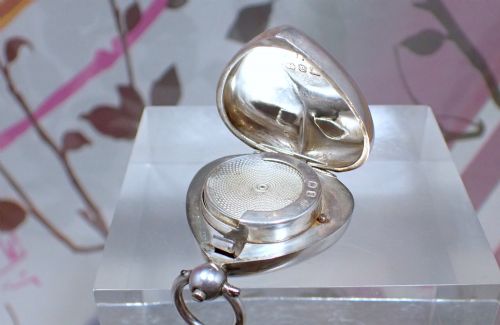

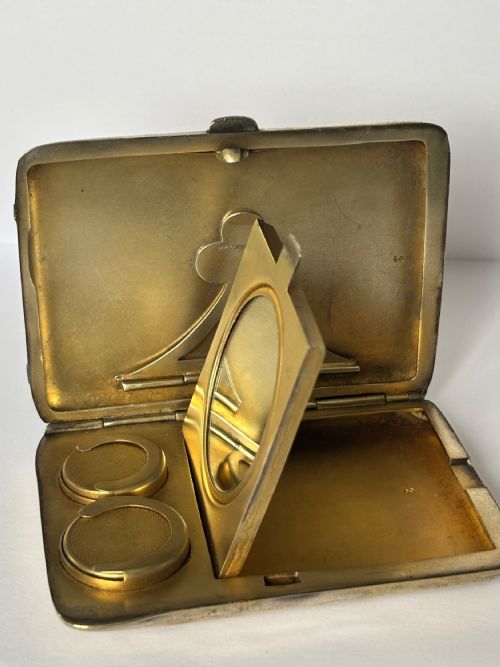


Silver Coin Holder Case
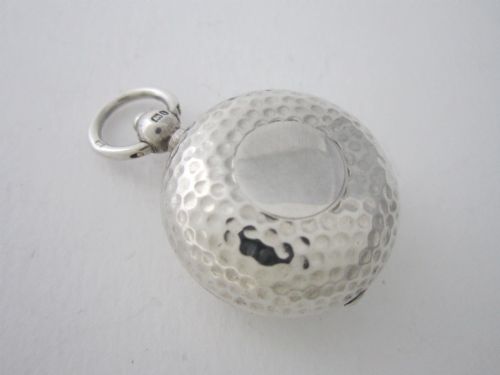
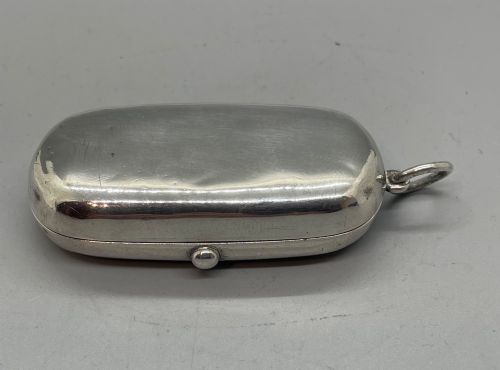
These silver coin holder case examples are pocket-sized pieces of silverware designed to carry currency securely.
Silver Coin Holder Case
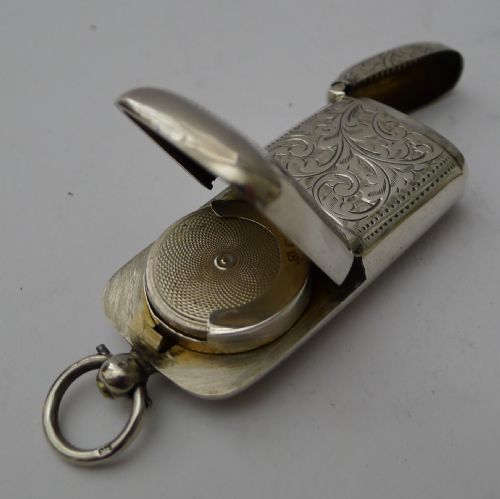
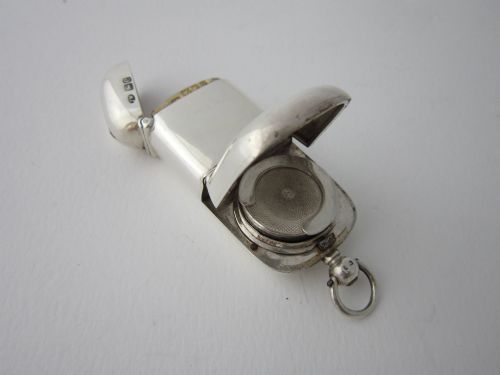
A silver coin holder case is a pocket-sized accessory designed to carry currency safely, most frequently encountered as sovereign cases and combination vesta cases from the Victorian, Edwardian, and George V periods.
Buyers will most commonly meet Edwardian and Victorian sterling silver single or double sovereign cases, alongside combination pieces that house matches or cards alongside the coins.
These items originate primarily from Birmingham and London assay offices, reflecting the heavy output of British silversmiths around the turn of the twentieth century.
How they were made
Makers constructed these pieces chiefly from sterling silver, occasionally employing silver gilt, mirror glass, silk, or leather for internal compartments and lining.
Silversmiths utilised stamping, engraving, and polishing techniques to finish the exterior surfaces, often incorporating spring-loaded mechanisms inside to secure the coins.
Some Victorian cases doubled as hiding spots for tiny love notes tucked behind the coin springs.
What varies in quality
The distinction between ordinary and superior pieces rests on the crispness of the exterior chasing and the precision with which the hinged mechanisms operate.
Weight and gauge of the sterling silver separate substantial combination cases from lighter, simpler coin holders.
Aaron Lufkin Dennison·Henry Charles Freeman·Wright & Davies
The Silver Coin Holder Case Glossary
- Sovereign case
- A small pocket container specifically sized to hold one or two gold sovereign coins securely. These cases often feature internal spring clips to prevent the coins from rattling.
- Vesta case
- A small box used for holding wax matches, frequently combined into the same body as a sovereign case. They include a striking surface usually integrated into the base.
- Sterling silver
- An alloy of silver containing ninety-two point five percent pure silver and seven point five percent other metals, usually copper. This standard is marked by the lion passant on British silver.
- Silver gilt
- Sterling silver that has been coated with a thin layer of gold on its surface. This technique provides the rich appearance of solid gold while maintaining a silver foundation.
- Assay office
- A body charged with testing the purity of precious metals and stamping them with hallmark symbols. Birmingham and London are two prominent offices seen on these items.
Silver Coin Holder Case: Frequently Asked Questions
What fits inside a sovereign case?
These containers were manufactured specifically to hold British gold sovereign and half-sovereign coins. The internal spring clips keep coins of this exact diameter firmly in place.
Some combination pieces also accommodate matches, stamps, or small cards alongside the coinage.
How do I date a silver coin holder?
British pieces carry hallmarks that include a town mark, a standard mark, and a specific date letter corresponding to the year of assay. Examining these tiny stamped symbols reveals the exact year of manufacture.
Stylistic cues such as Edwardian restraint or Art Deco geometry also assist in identifying the period.
Were these worn on a chain?
Many examples feature a small suspension loop attached to the top rim. This ring allowed the owner to secure the accessory to a watch chain or chatelaine.
Carrying the case in this manner prevented loss from deep pockets.
Are combination cases common?
Silversmiths produced combination items that paired coin storage with vesta compartments for matches or spaces for visiting cards. These multi-use items were popular for daily pocket wear.
They reflect the varied utility expected from gentleman's and lady's accessories of the era.