


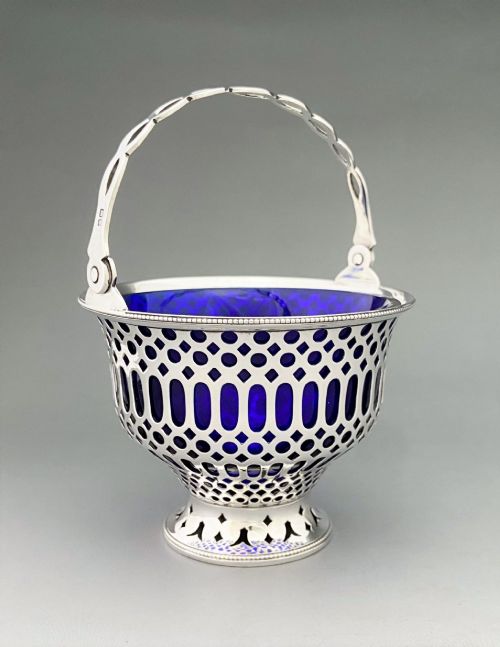

Edwardian Silver Glass Dish
An edwardian silver glass dish combines sparkling pressed or cut crystal with gleaming metalwork, offering a decorative vessel for tabletop service and display.
Edwardian Silver Glass Dish
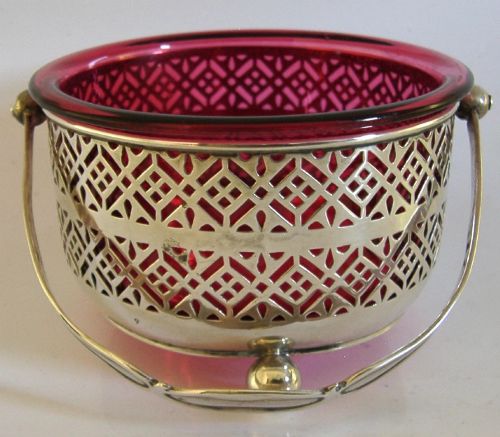
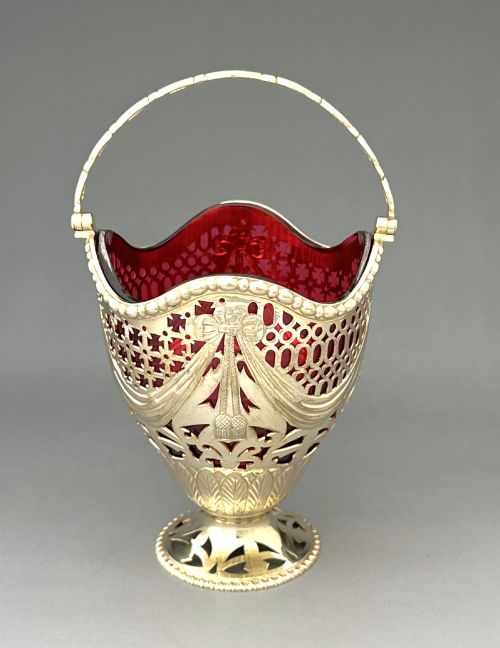
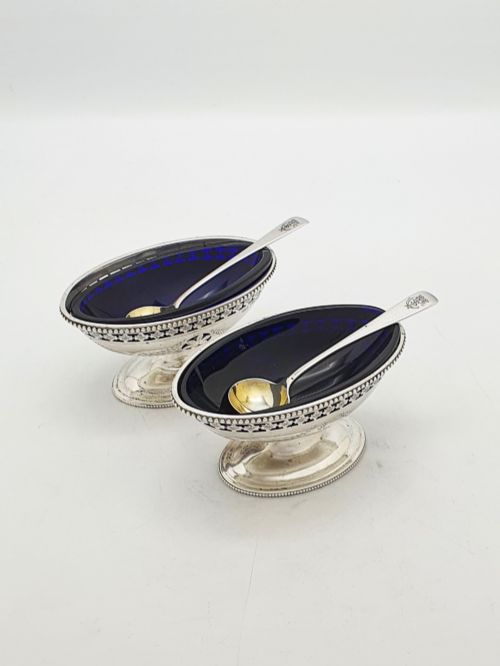
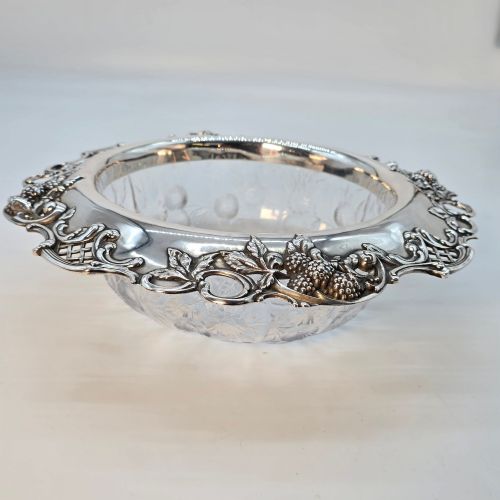
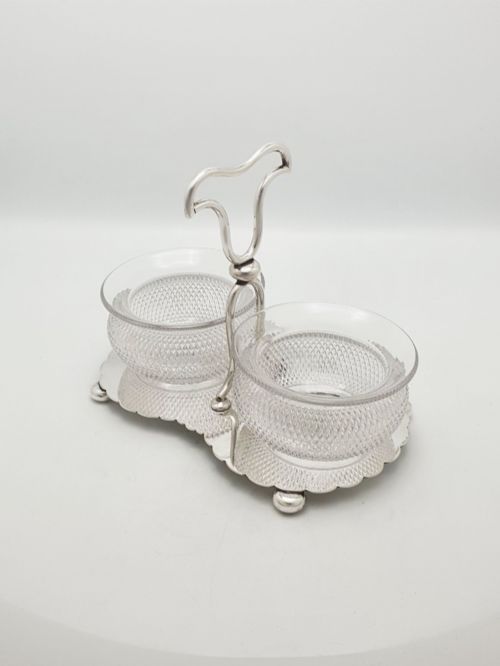
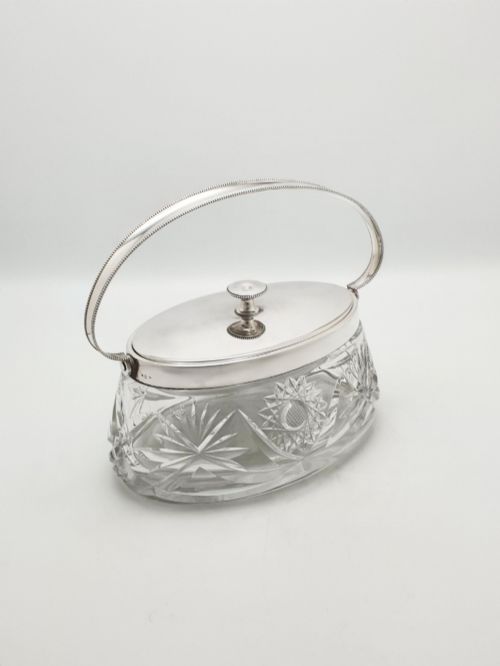
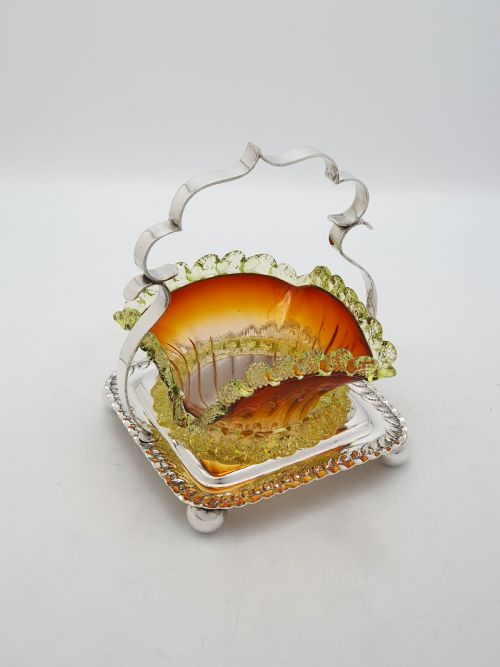
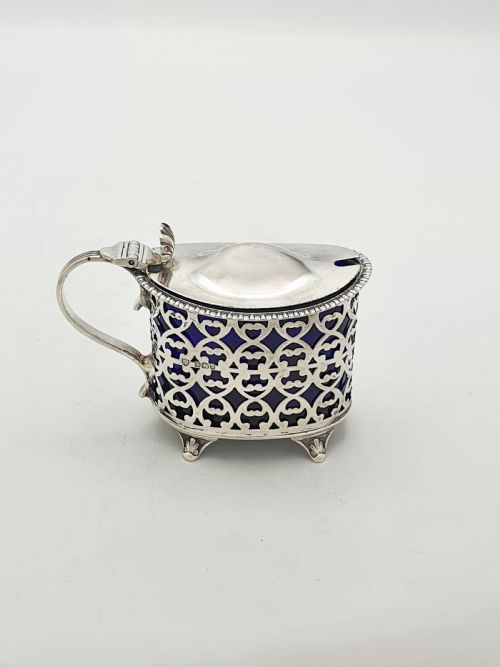
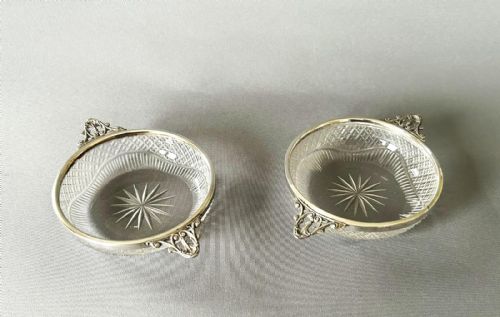
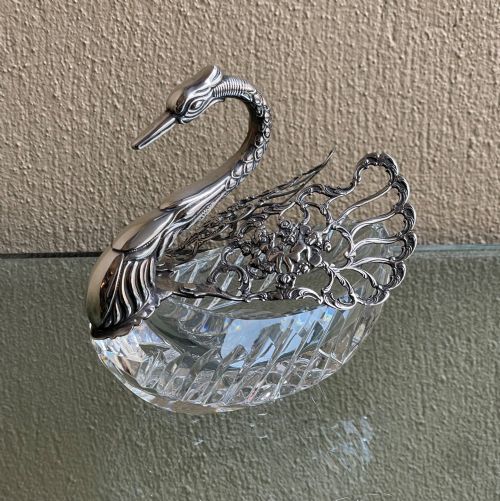
The term edwardian silver glass dish covers a varied group of tableware and decorative objects created around the start of the twentieth century. These items typically pair a transparent or coloured glass vessel, such as cranberry, cobalt, amber, or vaseline glass, with sterling silver or silver-plated mounts, frames, and swing handles.
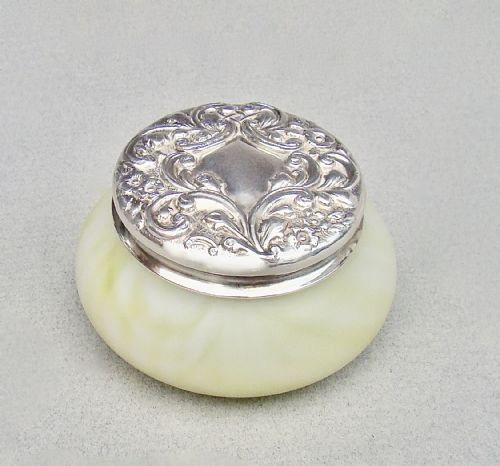
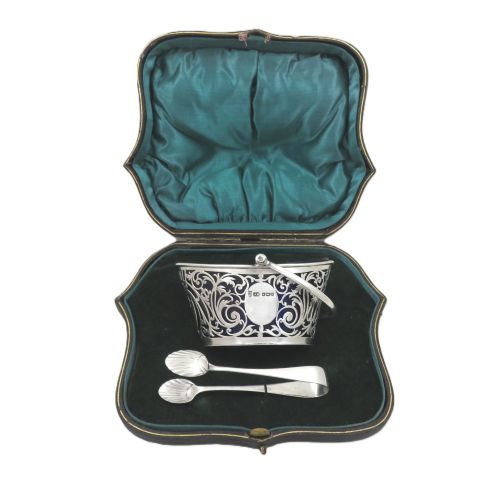
Most examples found here date from the Edwardian period and the early twentieth century, though pieces range from Victorian times through to the 1960s. Common forms include trinket boxes, sugar baskets, preserve dishes, butter dishes, salt cellars, and bonbon dishes.
Design influences span from ornate Rococo Revival and Art Nouveau styles to clean early twentieth-century shapes. Many utilise pierced metalwork frames that reveal the coloured glass liner within.
How they were made
The manufacturing process combined glassblowing and mould-cutting with traditional silversmithing techniques. Glass liners were often blown, moulded, or cut with geometric patterns, while supporting frames were cast, pierced, or chased from sterling silver or silver plate.
Makers integrated glass and metal through fitted mounts, swing handles, and hinged lids, occasionally adding enamel or gilt details. Coloured glass varieties achieved their distinct hues through mineral additives in the molten glass batch.
What varies in quality
Quality in these vessels depends largely on the weight and gauge of the metalwork and the clarity or depth of the glass. Heavier sterling silver mounts and crisp, deep hand-cutting on the crystal distinguish finer examples from lighter silver-plated pieces.
The retention of original matching liners and intact hallmarks or maker stamps adds significantly to a piece's integrity. Intricate pierced metalwork and undamaged enamelling also elevate the standard of the item.
A. Bromet & Co·Tiffany & Co·Hukin and Heath·William Comyn
The Edwardian Silver Glass Dish Glossary
- Sterling silver
- A silver alloy containing 92.5 percent pure silver and 7.5 percent other metals, usually copper, ensuring durability for tableware.
- Silver plate
- A base metal, such as copper or Britannia metal, coated with a thin layer of silver through electroplating.
- Cranberry glass
- A transparent pinkish-red glass produced by adding gold chloride to the molten batch, popular in Victorian and Edwardian tableware.
- Vaseline glass
- A transparent yellow-green glass containing uranium dioxide, which glows brightly under ultraviolet light.
- Swing handle
- A movable arched metal handle attached to the sides of a basket or dish via hinged pivots.
- Pierced work
- A decorative technique involving the piercing or cutting of patterns through sheet metal to create openwork designs.
Edwardian Silver Glass Dish: Frequently Asked Questions
How do I clean the silver and glass?
Remove the glass insert from the metal mount before cleaning to protect both materials. Wash the glass gently in warm soapy water and polish the silver with a dedicated non-abrasive cloth.
Avoid submerging cemented or weighted silver parts in water. Ensure both components are completely dry before reassembling.
Were these dishes used daily?
These vessels served dining and dressing table functions in prosperous Edwardian households. Preserves, butter, sugar, and condiments were routinely presented in glass liners set within decorative metal frames.
Smaller lidded boxes held trinkets or cosmetics on bedroom dressing tables. Many items also functioned as decorative bonbon or potpourri dishes.
How do I spot a replacement glass liner?
Original liners fit snugly into the metal frame without excessive wobbling or gaping. Look for consistent glass thickness and matching wear patterns between the glass base and the metal mount.
Colour variations and matching period characteristics also help determine if the glass belongs to the stand.
What is silver plate versus sterling?
Sterling silver is solid throughout and carries standard assay office hallmarks indicating its purity. Silver plate consists of a base metal core covered by a superficial layer of silver.
Check for maker marks and wear spots where the base metal might show through on plated items.