

Edwardian Pocket Case
When you search for an edwardian pocket case, you encounter functional items crafted for carrying personal belongings in pockets during the early twentieth century.
Edwardian Pocket Case
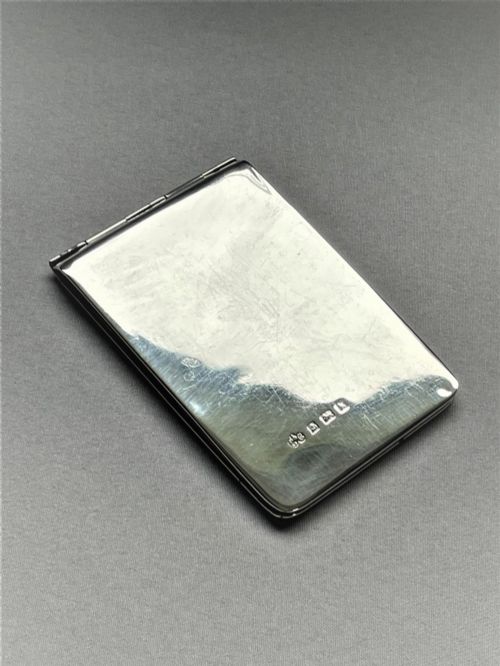
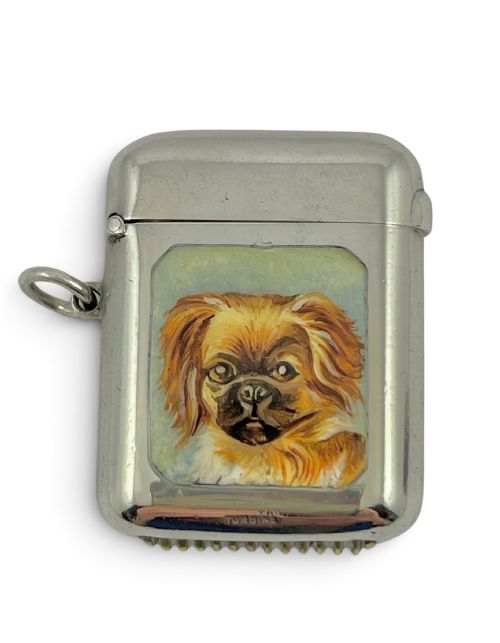
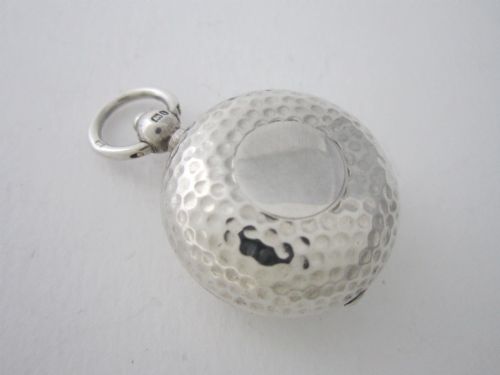
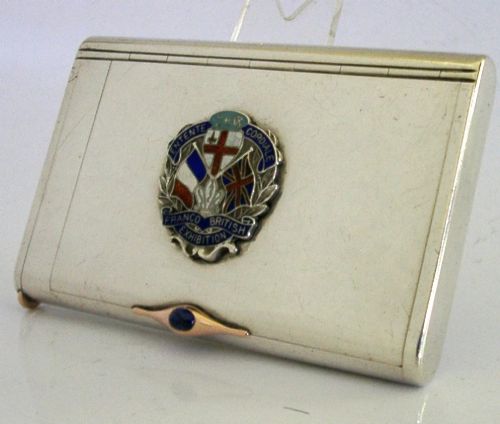
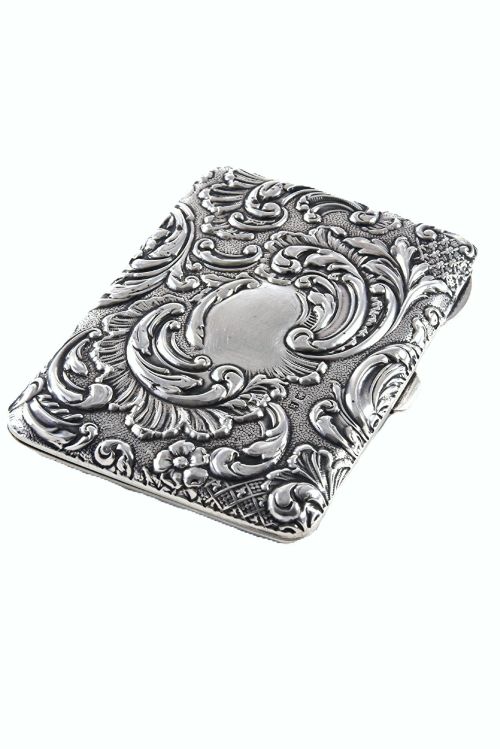
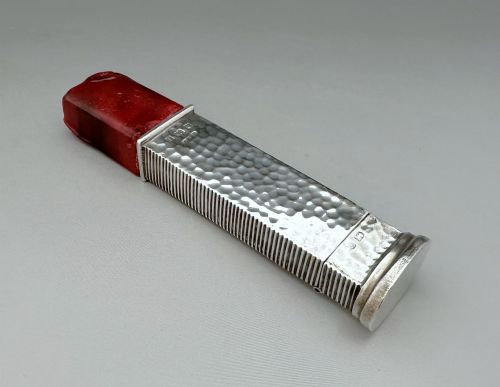
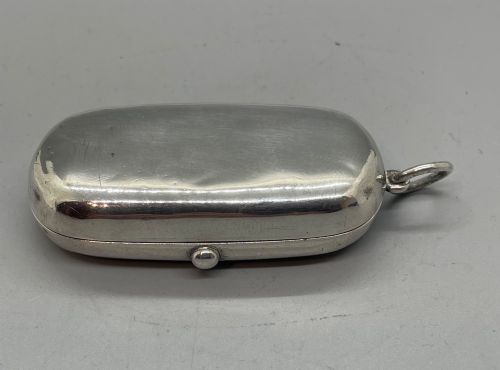
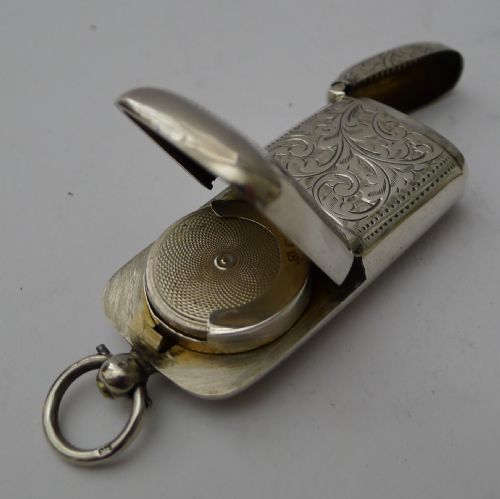
An edwardian pocket case encompasses various portable containers designed to hold coins, cards, stamps, cigarettes, or matches within a gentleman's or lady's pocket. These items span vesta cases, sovereign holders, card cases, stamp wallets, and small purses from the Edwardian era, 1900s, and 1910s. The selection on this page relies heavily on sterling silver examples alongside pieces combining leather, enamel, and glass.
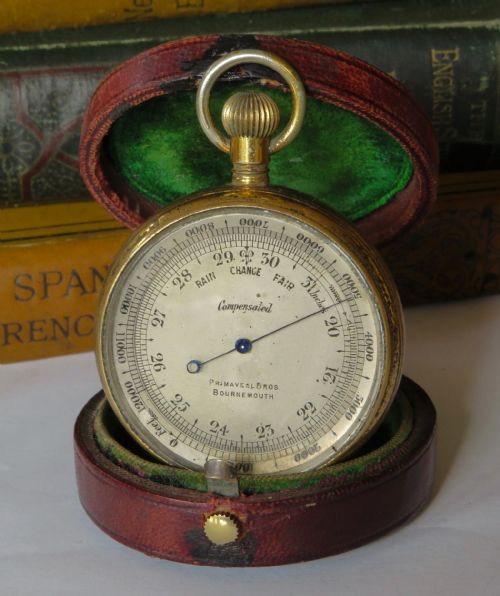
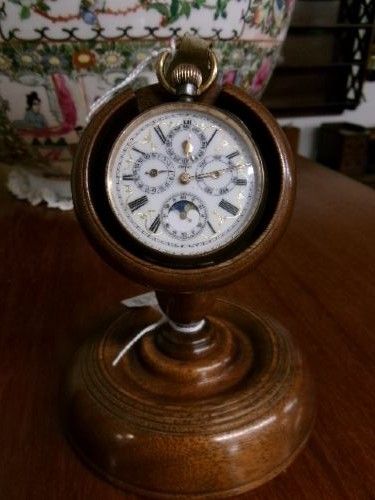
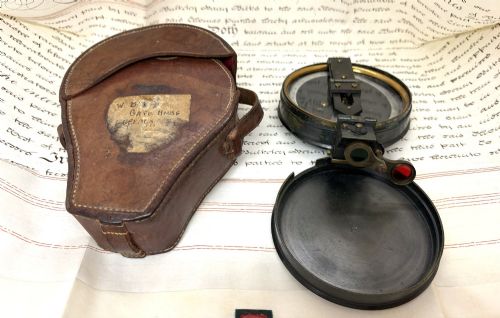
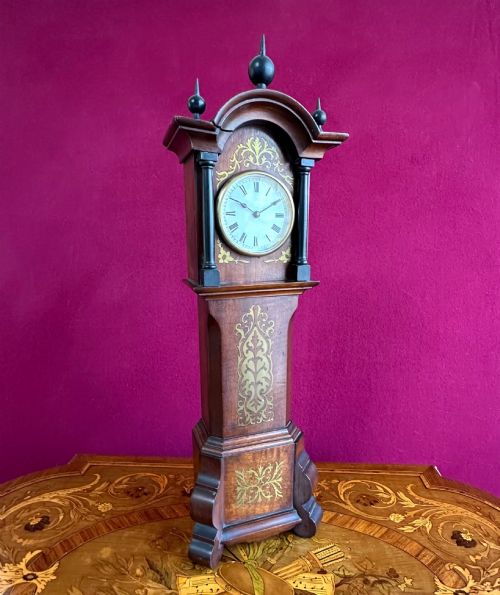
Makers and assay offices produced these objects in specific forms like kidney-shaped vestas, envelope stamp cases, and combination sovereign holders. Many pieces carry hallmarks from Birmingham and Chester alongside London assay marks. Collectors also encounter specialised pocket instruments housed in protective cases, including barometers and travel clocks.
How They Were Made
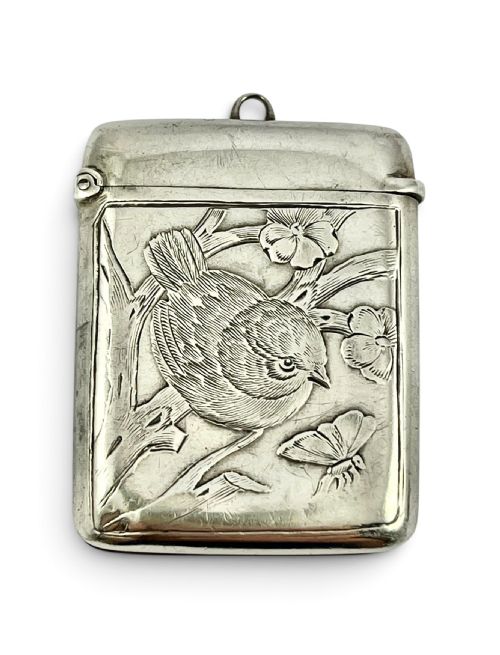
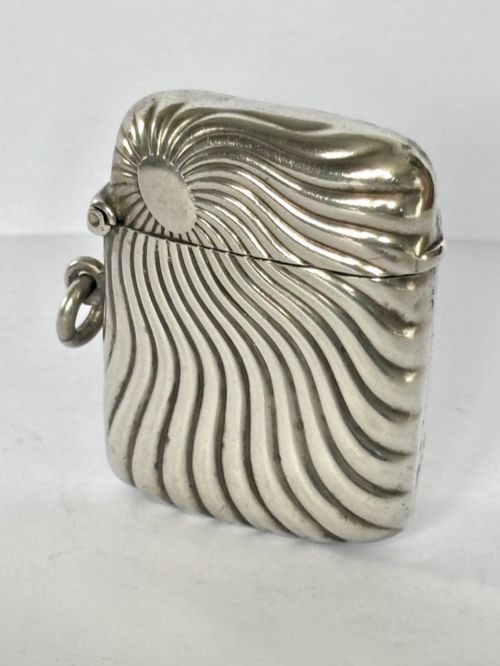
Silversmiths constructed sterling silver bodies using stamping, embossing, and engraved techniques to create raised motifs like sunbursts, scenic relief, and animal portraits. Interiors frequently featured gilt linings to protect the silver from tarnishing through contact with matches or coins. Enamel work was applied and fired to create hand-painted decorative surfaces on cigarette and vesta cases.
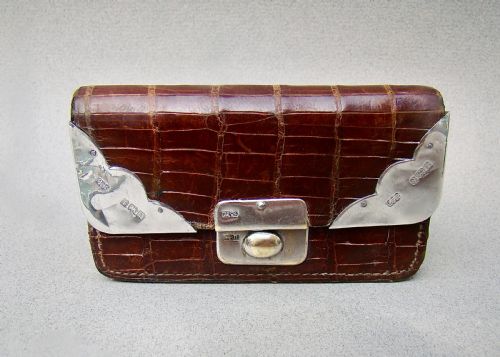
Leather workers utilised crocodile skin and traditional leather alongside silver mounts, incorporating silk or leather linings for wallets, stamp cases, and purses. Metal casters also worked in brass, gun metal, and gold, while glass and mother-of-pearl appeared in optical and knife pieces.
Listings feature sterling silver, crocodile leather, enamel, and brass across Edwardian pocket cases.
What Varies in Quality
Quality rests upon the crispness of the repoussé work, engine-turning, and hand-painted enamel details. Superior examples exhibit sharp hallmarks, intact gilt interiors, and well-fitted spring lids on vesta and sovereign cases that snap firmly shut.
The choice of materials alters the desirability of a piece, with sterling silver combined with crocodile skin, gold accents, or polychrome enamel standing apart from plain brass or simpler metal items. Maker attribution also plays a role, as pieces stamped by recognised workshops command greater attention from collectors.
Charles Penny Brown·Aaron Lufkin Dennison·Robert Chandler·P Orr Madras·H Samuel·Crisford and Norris·Sampson Morden·Waltham·Mappin and Webb·Aitchison and Co·Newton and Co
The Edwardian Pocket Case Glossary
- Vesta case
- A small pocket container designed to hold wax matches and keep them dry. These items often feature a striking striated base.
- Sovereign case
- A circular pocket container engineered to hold gold sovereign coins securely with internal spring mechanisms. Double versions accommodate two denominations.
- Aide memoire
- A small pocket notebook equipped with an ivory or bone writing tablet and a pencil, used for recording daily notes. These typically feature silver covers.
- Assay office mark
- A stamp indicating the office where a precious metal item was tested and certified for purity. Common examples include the anchor for Birmingham and the three wheatsheaves for Chester.
Edwardian Pocket Case: Frequently Asked Questions
What fits inside an Edwardian vesta case?
These small containers were built to hold short wax vestas safely in a waistcoat pocket. The textured bottom allowed the user to strike the match upon opening.
Collectors find them decorated with engraved foliage, figural animals, or polychrome enamel scenes.
What is an aide memoire used for?
An aide memoire served as a pocket memorandum book for noting appointments, addresses, or scores. They typically contained a replaceable paper booklet or a slip of ivory alongside a small pencil.
Silver covers on these items frequently showcase repoussé scrolling or engraved monograms.
How can I identify a stamp case?
Pocket stamp cases usually take the form of miniature envelopes or tiny book-shaped folders made of solid silver. Inside, small gilt partitions held postage stamps flat and separated.
Birmingham makers produced many of the envelope-style stamp cases seen in this era.