
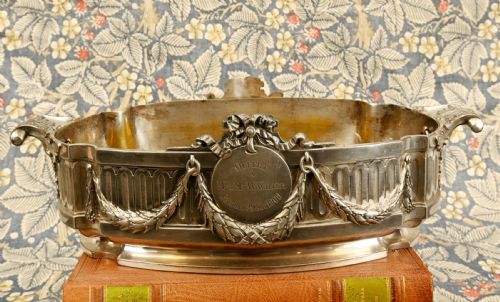


Edwardian Planter Table
An edwardian planter table brings architectural greenery indoors, combining functional plant housing with refined period furniture craftsmanship.
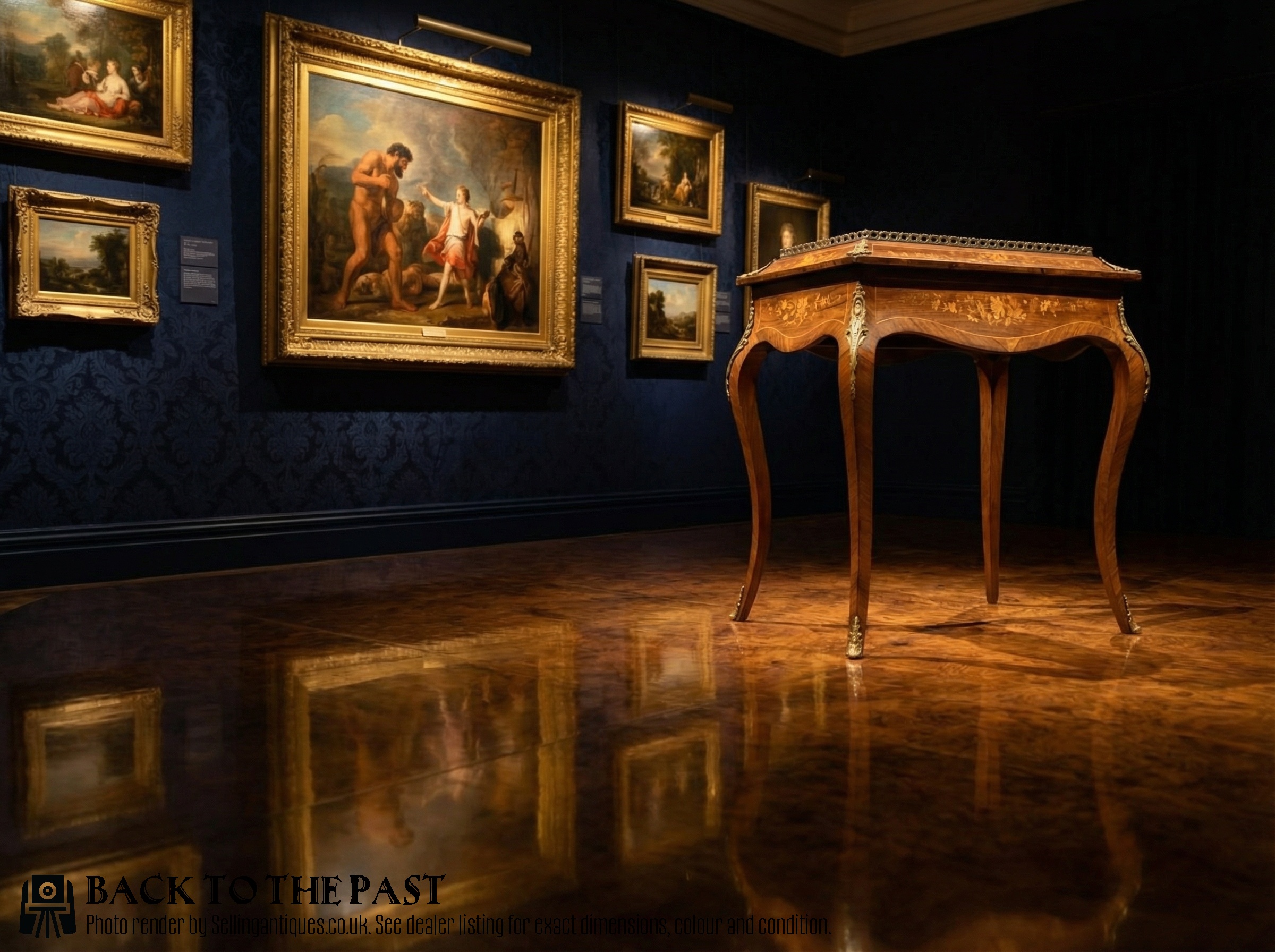
Edwardian Planter Table
An edwardian planter table serves as a dedicated furniture piece designed to display indoor foliage within domestic interiors. These items frequently appear as plant stands, jardiniere tables, and pedestals originating primarily from the Edwardian era and the late nineteenth century.
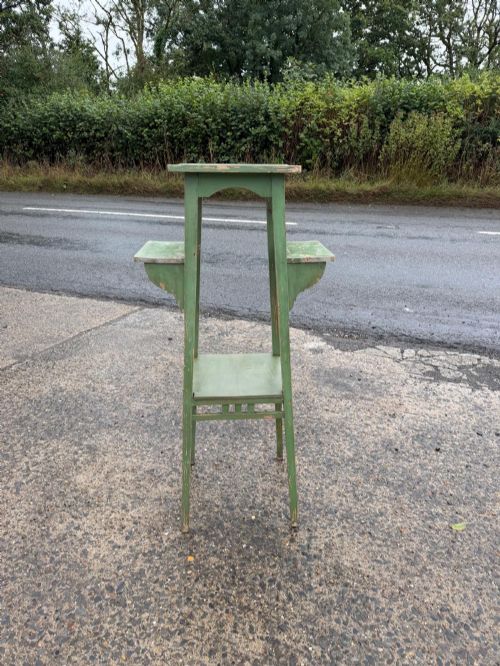
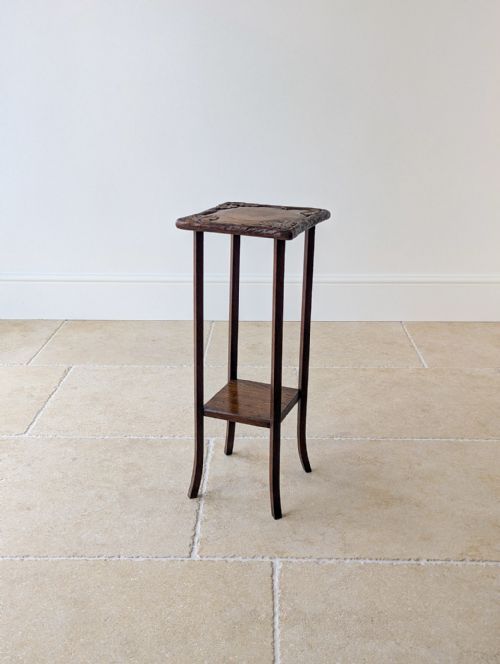
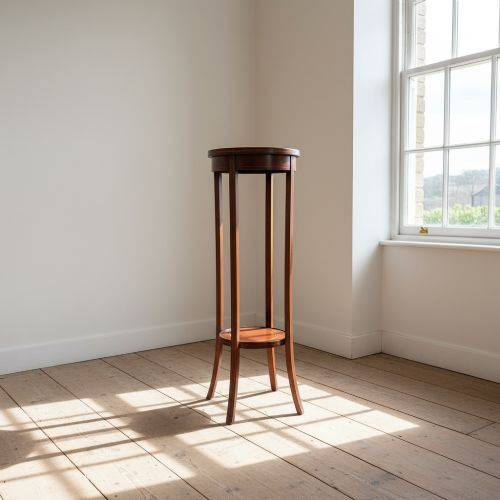
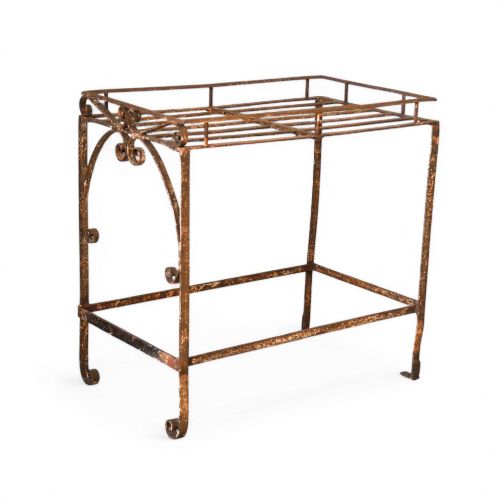
The selections available range from inlaid mahogany and satinwood display stands to robust oak two-tier plant stands and wrought iron garden racks. Buyers often encounter variations incorporating zinc liners, silver plate centrepieces, or ceramic pots designed to contain moisture.
Makers from this period utilised diverse stylistic influences, spanning Arts and Crafts movements, Neo-Classical designs, and French Louis XV styles. Such versatility allows these tables to function effectively as standalone decorative furniture or as practical plant holders in conservatories and drawing rooms.
Materials and Construction Techniques
Woodworking forms the backbone of these pieces, with cabinetmakers employing mahogany, satinwood, burr walnut, and oak. Marquetry inlay, barley twist turnings, and original painted finishes frequently enhance the timber structures.
Metalwork plays a critical structural and decorative role, featuring prominently in brass liners, ormolu mounts, silver plate, wrought iron frames, and copper bowls. These metallic elements provide both durability and contrasting visual textures against the timber frames.
The inventory spans the nineteenth and early twentieth centuries, incorporating Victorian, Edwardian, and Arts and Crafts design movements.
Evaluating Quality and Craftsmanship
The refinement of timber selection and complexity of inlay work largely distinguish superior examples from standard utility pieces. Finer items exhibit precise marquetry, choice veneers, and integrated ormolu mounts rather than plain or strictly utilitarian construction.
The integrity of original hardware, including fitted metal liners, original paint, and maker components, preserves the historical value of the piece. Craftsmanship is further evident in the stability of joinery and the harmonious balance between decorative metal elements and structural woodwork.
The Edwardian Planter Table Glossary
- Jardiniere
- An ornamental pot or stand for holding plants or flowers. These items often feature metallic liners to protect the surrounding furniture from water damage.
- Ormolu
- Gilded bronze used for decorative mounts on fine furniture. This technique adds metallic lustre and neoclassical detailing to wooden frames.
- Marquetry
- Decorative veneer work forming geometric or pictorial patterns on furniture surfaces. Craftsmen assemble thin slices of various woods to create intricate designs.
- Barley Twist
- A spiral turning technique applied to wooden table legs and upright supports. This style adds visual movement and traditional texture to furniture frames.
- Satinwood
- A durable, lustrous timber with a golden sheen used for high-end cabinetry. It provides a pale, reflective surface ideal for delicate inlay work.
Edwardian Planter Table: Frequently Asked Questions
What is an edwardian planter table used for?
These tables provide a decorative platform for displaying potted plants, ferns, and floral arrangements within domestic rooms and conservatories. They elevate greenery to eye level while protecting interior surfaces from moisture.
Historically, they allowed homeowners to bring outdoor flora into formal living spaces during the late nineteenth and early twentieth centuries. Today, they serve a similar aesthetic and practical function in contemporary home decor.
How do I care for wooden planter tables?
Protect the timber surfaces from standing water and moisture by ensuring pots utilise proper saucers or waterproof liners. Regular dusting and occasional waxing help preserve the original polish and finish.
Avoid placing these pieces in direct sunlight or near heat sources to prevent the wood from drying out or warping over time. Gentle handling maintains the integrity of delicate inlays and applied mounts.
How can I date an edwardian planter table?
Examine the construction methods, wood types, and stylistic indicators such as Arts and Crafts motifs or Neo-Classical mounts. Edwardian pieces often feature lighter timbers like satinwood alongside traditional mahogany.
Hardware components, joinery techniques, and the presence of original metal liners also offer clues regarding the manufacturing period. Comparative analysis with marked pieces helps narrow down the decade of production.
Where should I place a planter table?
Position these stands in well-lit areas such as drawing rooms, hallways, or conservatories where plants receive adequate light. Their compact footprints make them suitable for corners or beside seating areas.
Ensure the chosen spot shields the furniture from excessive humidity or water spillage that might affect the surrounding flooring and timber structure.