




Edwardian Pin Dish
When you handle an Edwardian pin dish, you hold a small, bright piece of domestic metalwork made to catch small personal items.
Edwardian Pin Dish
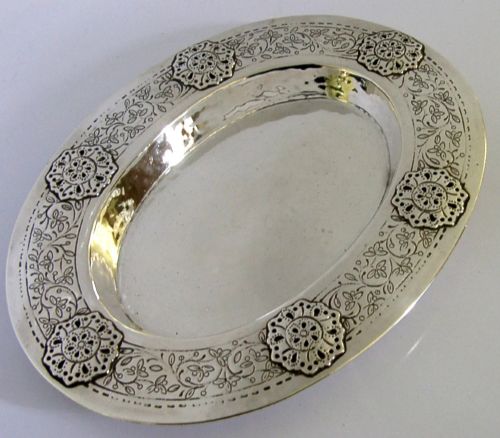
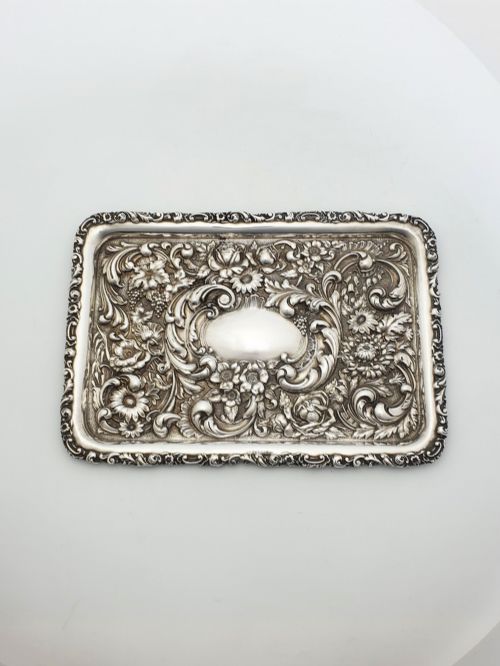
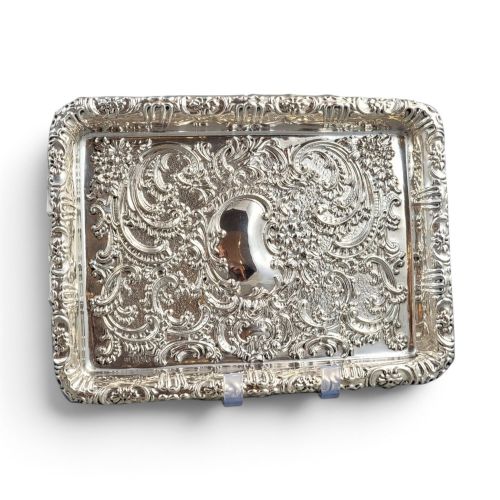
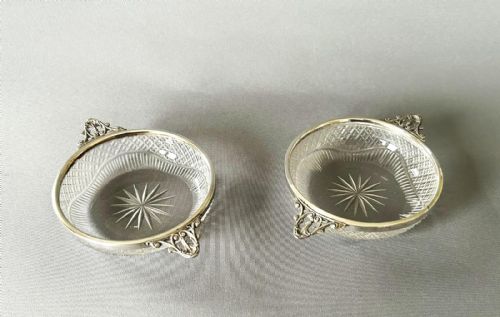
An edwardian pin dish is a small receptacle designed for dressing tables and sideboards to hold hairpins, rings, and coins. The form overlaps with trinket dishes, card trays, and small ashtrays from the period.
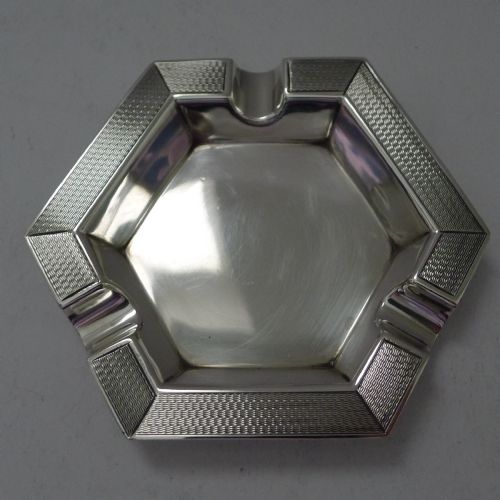
Most examples you encounter date from the early years of the twentieth century, carrying hallmarks for Birmingham and London silversmiths. Alongside solid silver, you meet porcelain and copper pieces sharing the same domestic scale.
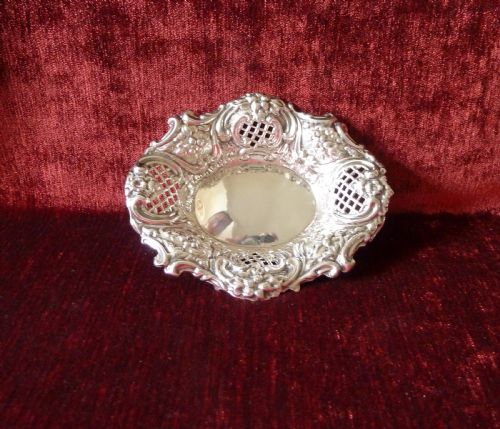
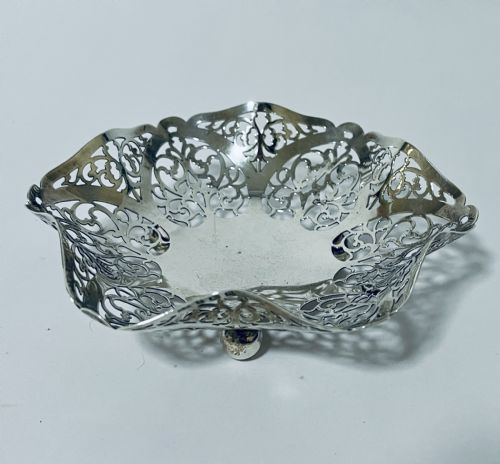
Makers shaped these small trays into rounds, hearts, shells, and leaf motifs, often mounting them on tiny ball feet or pressing them into shallow saucers.
How they were made
Silversmiths used sterling silver sheet, pressing or hammering the metal into iron dies to raise the borders. Many pieces received their decoration through repoussé work, where craftsmen pushed the metal out from the reverse to form floral scrolls and cherub faces.
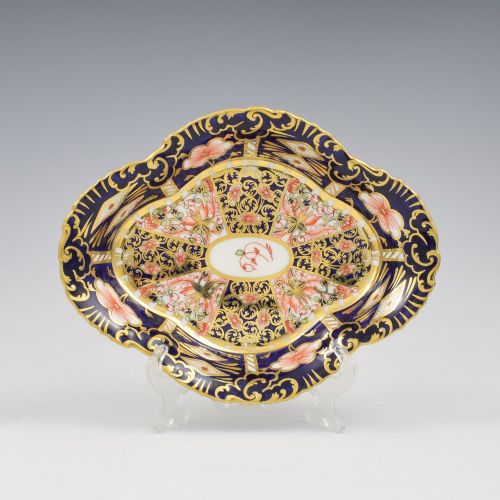
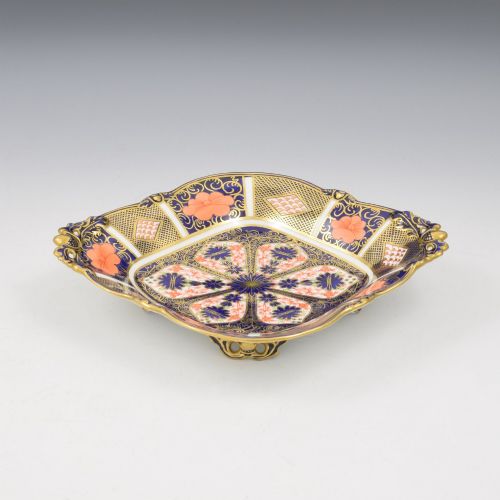
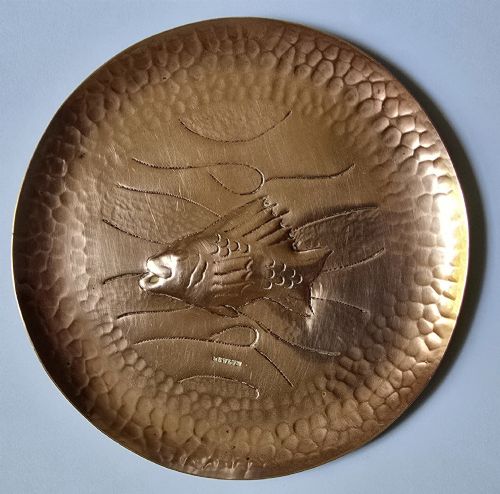
Potteries cast bone china and earthenware, finishing the surfaces with hand-painted floral sprays, gilt edges, or transfer-printed Imari patterns. Copper items from the Arts and Crafts tradition show hand-beaten textures with stylised plant motifs.
Tortoiseshell and pique work appear on select pieces, inlaying tiny silver piques into the dark organic shell beneath a glass or bezel frame.
Some silver trays feature cherub faces staring up from the metal, watching every hairpin drop.
What varies in quality
On ceramic trays, the precision of the hand-painting and the richness of the gilding set the standard. Painted fruit studies and signed artistic pieces sit far above standard transfer prints in both skill and execution.
William Neale·Robert Pringle and Sons·John Grinsell and Sons·William Comyns·Henry Matthews·Samuel M Levi·Mappin and Webb
The Edwardian Pin Dish Glossary
- Repoussé
- A metalworking technique where the artisan hammers the design from the reverse side to create raised relief patterns on the front. This method gives Edwardian silver dishes their tactile floral borders.
- Pique
- The art of inlaying tiny gold or silver pins into tortoiseshell or ivory to form geometric or floral motifs. It requires steady hands and heated pins to secure the metal into the organic base.
- Imari
- A decorative style featuring rich underglaze blue and iron-red highlights, often enriched with gold. Factories like Royal Crown Derby applied these Japanese-inspired patterns to porcelain trays.
- Blush ivory
- A matte cream ceramic body developed by Royal Worcester that mimics ivory. Painters set delicate floral sprays directly onto this warm, absorbent glaze.
- Hallmark
- An official stamp struck into precious metals indicating the standard of purity, the assay office, and the year of manufacture. These marks provide the definitive date for silver pieces.
Edwardian Pin Dish: Frequently Asked Questions
What were pin dishes used for?
Victorian and Edwardian households placed these small trays on dressing tables to catch loose pins, cufflinks, and hair ornaments at the end of the day. They also served on hallway tables for visiting cards and small coinage.
Over time, their uses multiplied to include bonbon service and ash containment, reflecting the changing habits of the parlor and boudoir.
How do I clean antique silver dishes?
Sterling silver requires gentle washing in warm, soapy water with a soft cloth to remove surface dirt and dust. Avoid abrasive dips and harsh commercial polishes that wear away thin repoussé details and remove desirable patination.
Allow the piece to dry naturally and store it away from direct sunlight and damp environments to maintain the metal's finish.
Are porcelain trays fragile?
Bone china and earthenware dishes demand careful handling due to their age and delicate painted glazes. Keep them away from high-traffic edges where a stray knock could chip the rim or scratch the hand-painted surface.
Display them flat on stable surfaces or use specialist plate stands rather than stacking them together.
How can I date silver pieces?
British silver relies on the stamped hallmarks showing the anchor, leopard head, or other assay office symbols alongside a specific date letter. Comparing these stamps against standard assay tables reveals the exact year the item passed through the hall.
Stylistic cues like Art Nouveau whiplash lines or Rococo revival scrolls also point toward specific decades of production.