


Solid Silver Trinket Dish
A solid silver trinket dish holds small valuables with quiet weight, spanning Edwardian repoussé trays and ornate German boxes.
Solid Silver Trinket Dish
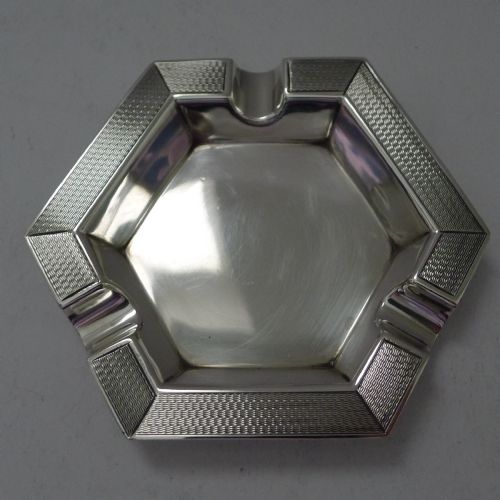
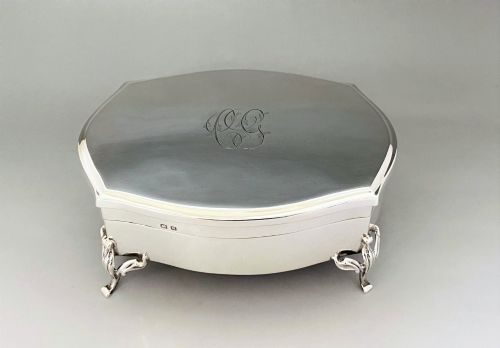
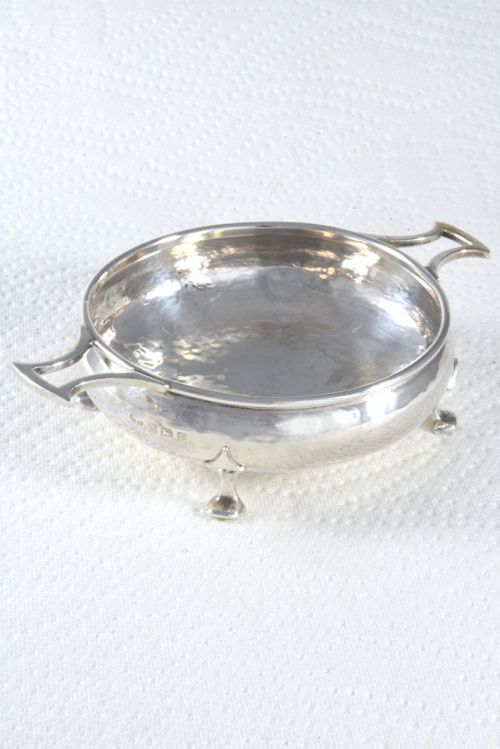
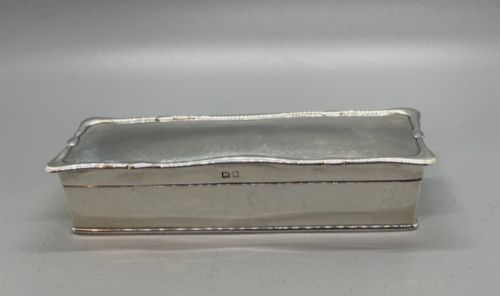
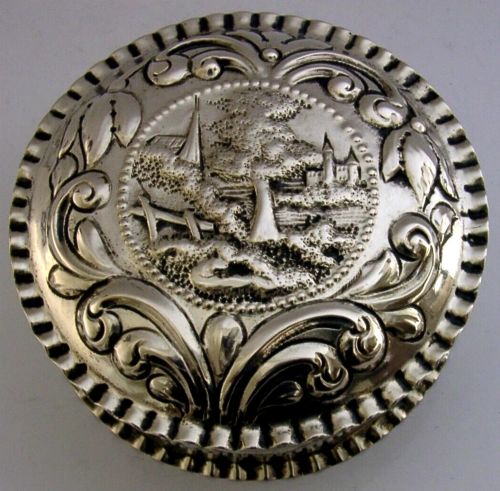
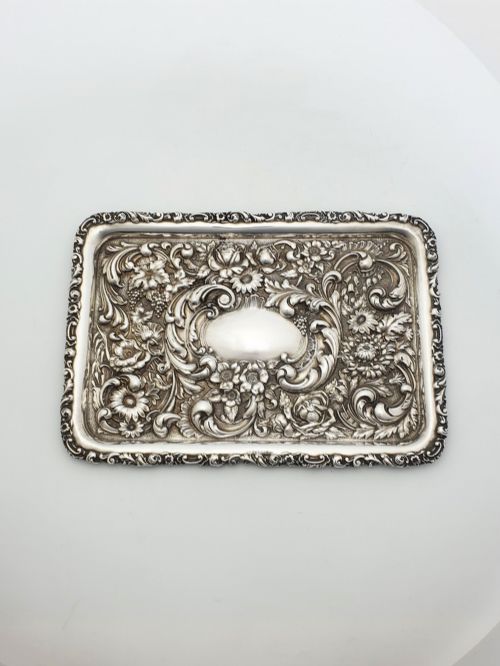
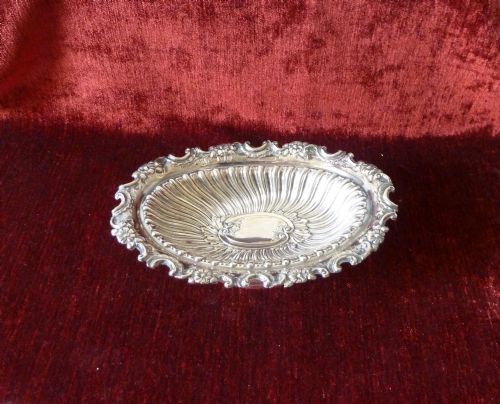
A solid silver trinket dish serves as a small receptacle for personal items, appearing alongside related forms such as trinket boxes, pill boxes, ashtrays, and small trays. When exploring a solid silver trinket dish selection, the forms span flat decorative dishes, shallow circular trays, and hinged boxes designed for dressing tables.
The objects originate across various periods, predominantly from the late nineteenth century through the 1940s, including Victorian, Edwardian, and George V eras. Pieces often arrive from English assay offices alongside continental European and export workshops.
The physical format varies from simple leaf-shaped dishes and bright-cut engraved pin trays to substantial lidded boxes meant for desks and dressing tables. Buyers encounter items functioning as decorative dishes, jewellery boxes, and ashtrays adapted for domestic organisation.
How they were made
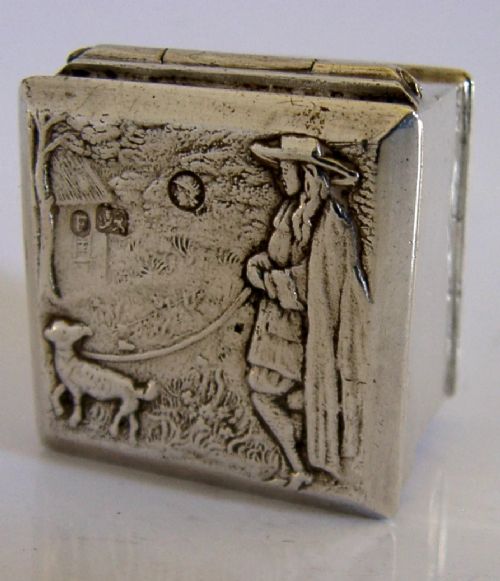
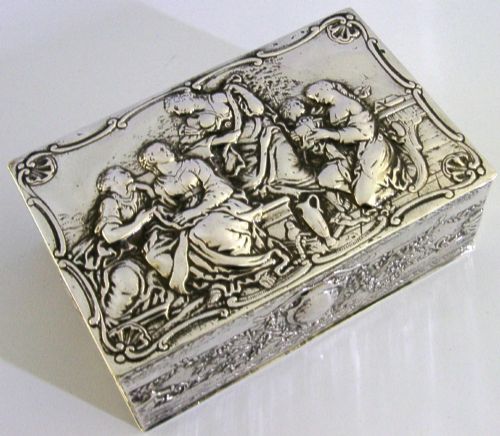
Construction relies heavily on sterling silver and solid silver, shaped through casting, hammering, and repoussé techniques. Makers also incorporate decorative elements like inset amethyst stones and figural reliefs.
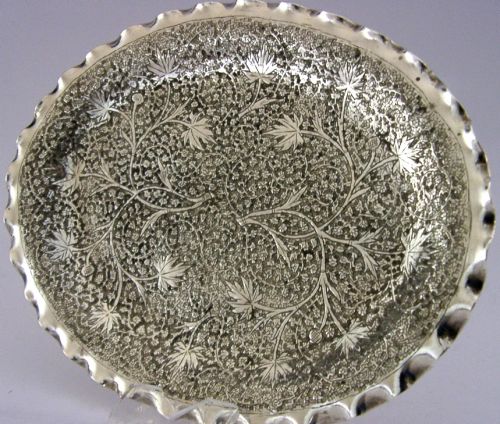
Surface ornamentation is achieved through detailed chasing, repoussé floral motifs, and bright-cut engraving. Many items bear clear hallmarks indicating city of assay and year of manufacture.
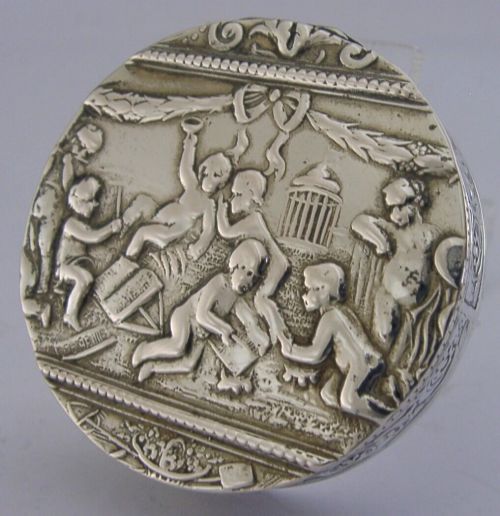
Several pieces feature lively cherub scenes, bringing cheeky mythological figures right to the dressing table.
What varies in quality
Substantial weight and metal gauge distinguish heavier table boxes and trays from lighter pin dishes. The depth of relief work in repoussé cherubs and floral scenes marks the level of artisan skill.
Complexity of design and origin drive distinction, from local English hallmarked pieces to specialised Chinese export or German Hanau figural work.
William Neale·John Grinsell And Sons·Wang Hing And Company·Henry Williamson Ltd·Henry Matthews
The Solid Silver Trinket Dish Glossary
- Repoussé
- Metalworking technique where a design is hammered into relief from the reverse side. This method creates the raised floral and figural scenes common on Edwardian trays.
- Hallmark
- Official stamp applied to precious metals indicating purity, maker, and assay office. English pieces display symbols for cities such as Birmingham and London alongside date letters.
- Sterling silver
- An alloy containing ninety-two point five percent silver by weight. This standard metal underpins the durability of these boxes and dishes.
- Bright-cut engraving
- Surface decoration cut with faceted angles that reflect light. This technique provides sharp geometric or floral patterns on pin dishes.
- Export silver
- Items produced in Asian workshops specifically for Western markets. These pieces often feature traditional local motifs like dragons executed in high-grade silver.
Solid Silver Trinket Dish: Frequently Asked Questions
What is a solid silver trinket dish used for?
These small receptacles serve to hold rings, pins, cufflinks, and other daily accessories on a dressing table or desk. They keep loose personal items organised in one designated spot.
Historically, they also functioned as calling card trays or ash receptacles depending on their depth and the era of manufacture.
How do I identify the date of a silver dish?
Dating relies primarily on the hallmarks stamped directly into the silver, which include specific letters corresponding to the year of assay. English pieces carry town marks and date ciphers that pinpoint the exact year.
Stylistic cues such as Edwardian repoussé work or Art Deco geometry further help narrow down the period of production.
Are these dishes made of solid silver?
The pieces listed are formed from solid silver or sterling silver rather than plated base metals. This ensures the material maintains its structural integrity and value over decades of handling.
Weight varies considerably between light pin trays and heavy lidded boxes, but the underlying material composition remains solid silver.
How should I care for antique silver dishes?
Regular dusting with a soft cloth prevents surface grime from accumulating in the recessed repoussé details. When cleaning is necessary, standard silver polish applied gently preserves the chased lines.
Avoiding harsh abrasive cleaners protects the original hallmarks and delicate surface engraving from premature wear.