


Sterling Silver Tray Small
These sterling silver tray small pieces are compact serving and display pieces designed to hold cards, trinkets, or small vessels.
Sterling Silver Tray Small
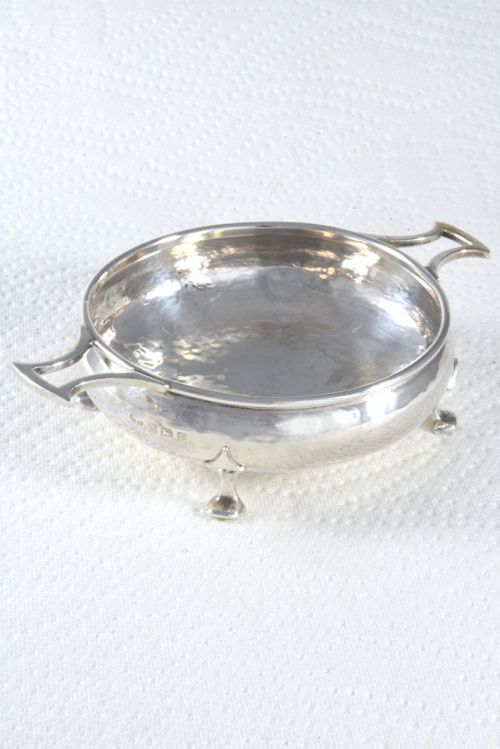
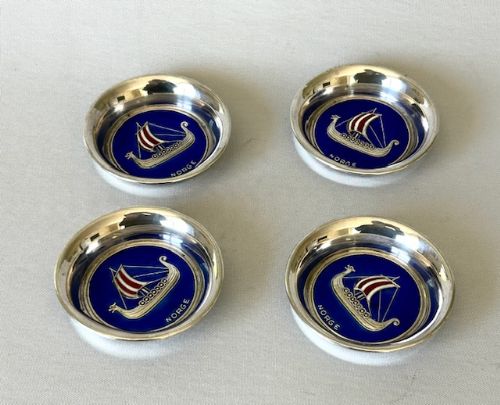
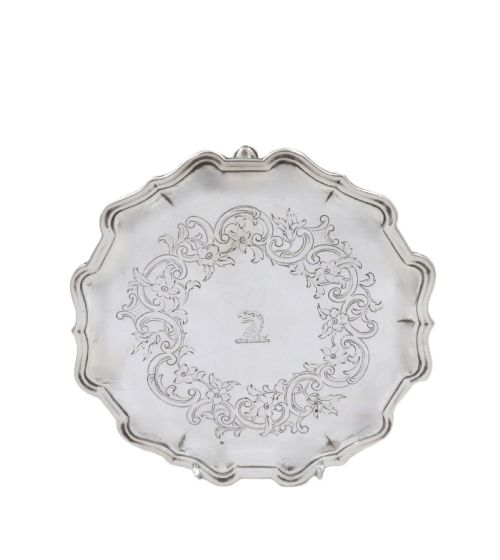
When you search for a sterling silver tray small, you find a collection of compact vessels spanning from the eighteenth century to the mid-twentieth century. The selection includes Georgian card trays, Edwardian pin dishes, and Scandinavian modern enamel pieces.
You are most likely to encounter Edwardian and George V trinket trays alongside Georgian card trays and teapot stands. These forms range from simple round dishes to oblong serving trays and footed patens.
The origins of these items stretch across British, Norwegian, and Belgian workshops. They serve as functional tabletop accessories that reflect the distinct design tastes of their respective periods.
How they were made
The pieces in this selection are formed primarily from sterling silver, with select examples incorporating vibrant enamel and guilloche work. Metalsmiths utilised traditional hammering, casting, and chasing techniques to shape the silver into dishes, trays, and stands.
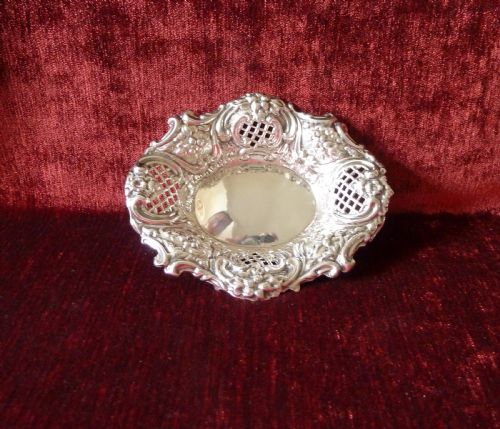
Makers applied decorative detailing through surface engraving, repoussé motifs depicting cherubs and animals, and smooth polished finishes. Enamelled variants show coloured vitreous layers fused to the silver base to create striking visual patterns.
The listings span from the eighteenth century to the mid-twentieth century, featuring materials such as sterling silver and enamel.
What varies in quality
Quality in these items is determined by the crispness of the chased or engraved detail and the structural integrity of the silver gauge. Pieces featuring finely executed figural scenes or crisp hallmarks demonstrate superior craftsmanship compared to plain or heavily worn examples.
For enamelled versions, the condition and even coverage of the glass layer distinguish finer specimens. The weight of the metal and the precision of the form separate standard production items from masterworks.
William Garrard
The Sterling Silver Tray Small Glossary
- Sterling silver
- An alloy consisting of 925 parts silver per 1000 parts by weight. This standard metal composition ensures durability for small household trays and dishes.
- Paten
- A small plate or disk typically used in ecclesiastical contexts or as a small serving dish. These footed vessels provide an elevated platform for display.
- Guilloche
- A decorative technique where a precise, intricate pattern is mechanically engraved into the underlying metal. It frequently appears beneath translucent enamel on twentieth-century pieces.
- Repoussé
- A metalworking method where the artisan hammers the design from the reverse side to form a raised relief on the front. This technique creates tactile motifs like cherubs and animals on tray borders.
- Hallmark
- An official stamp applied to precious metals indicating the standard of purity, the assay office, and the date letter. These marks allow collectors to verify the origin and period of the item.
Sterling Silver Tray Small: Frequently Asked Questions
What were small silver trays used for?
These small vessels served various domestic purposes in the home, including holding calling cards, pocket items, or serving small teapots.
Wealthy households utilised card trays in hallways to receive visitors' visiting cards, while smaller dishes kept dressing tables tidy.
How do I date an antique silver tray?
Dating relies heavily on the stamped hallmarks found on the silver surface, which indicate the exact assay office and year.
Stylistic cues such as Georgian borders or Edwardian motifs also help determine the period of manufacture.
Are enamel trays fragile?
Enamel consists of fused glass and requires careful handling to prevent chipping or cracking upon hard surfaces.
Keeping them away from drops and sudden temperature changes ensures the glass surface remains intact.
What is the difference between a tray and a salver?
Salvers generally refer to footed serving plates, whereas trays can be flat or feature raised rims without feet.
Both categories overlap significantly in smaller sizes depending on the specific maker and era.