

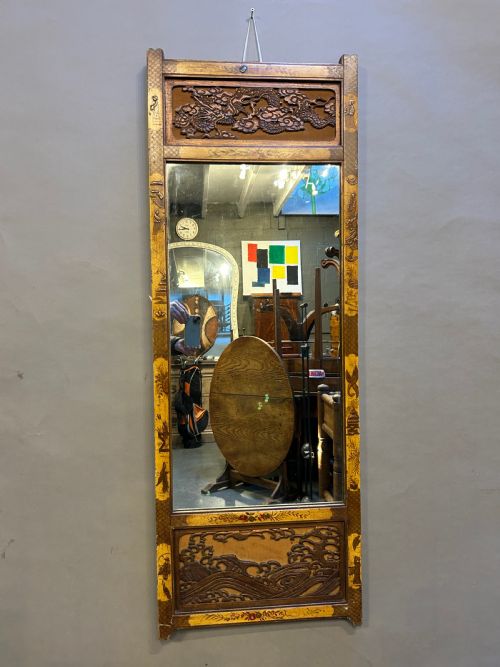


Edwardian Pier Glass
When you handle an edwardian pier glass, you touch a tradition of tall, narrow mirrors designed to hang between windows.
Edwardian Pier Glass
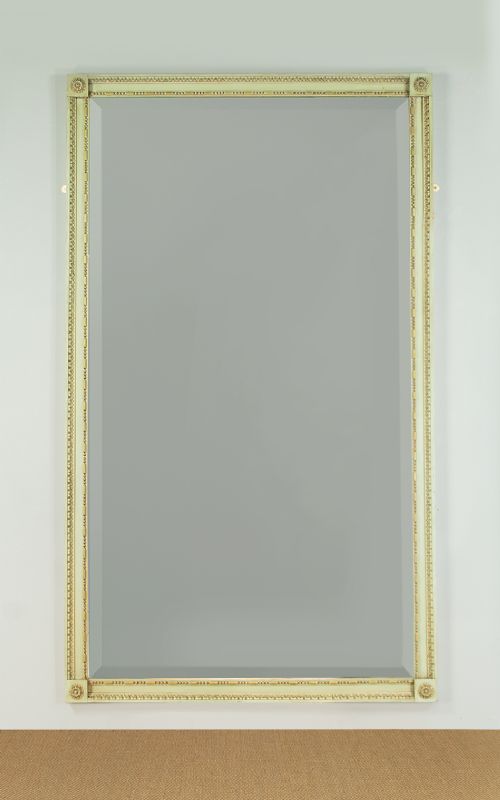
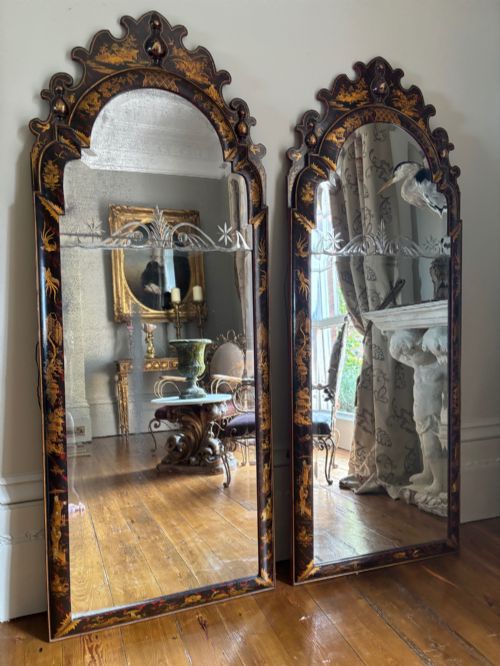
An edwardian pier glass sits tall and narrow to fit the wall space between two windows in a reception room. These mirrors reflect daylight back into the interior, making the room brighter before electricity took over.
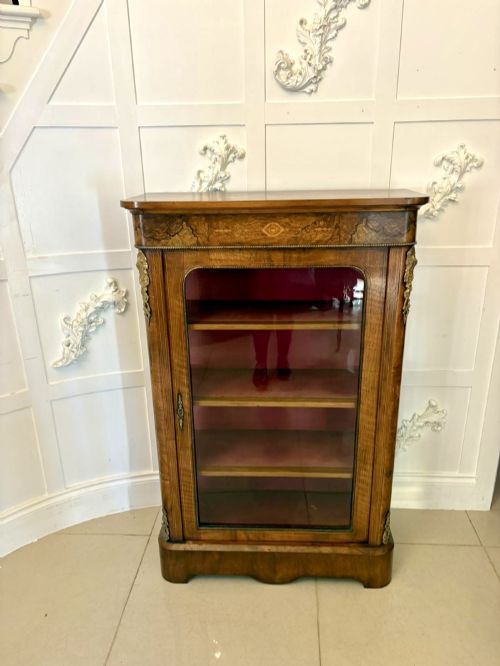
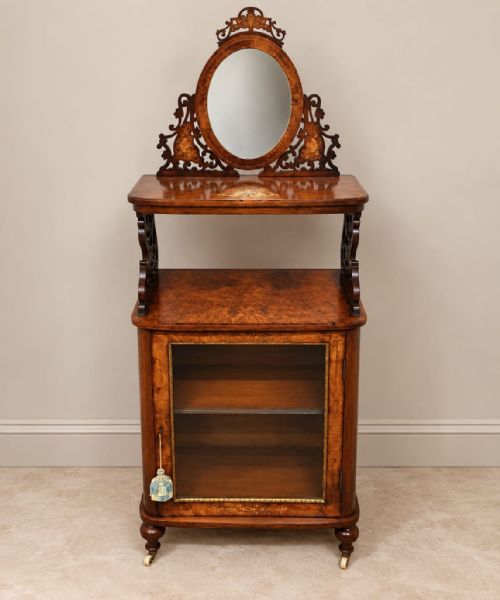
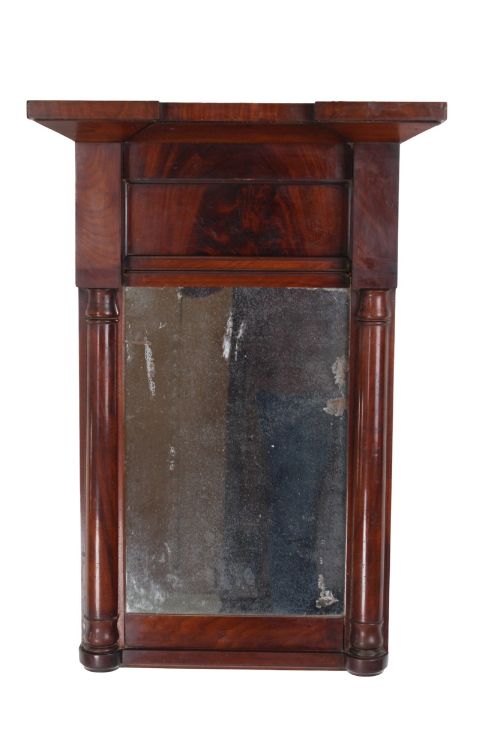
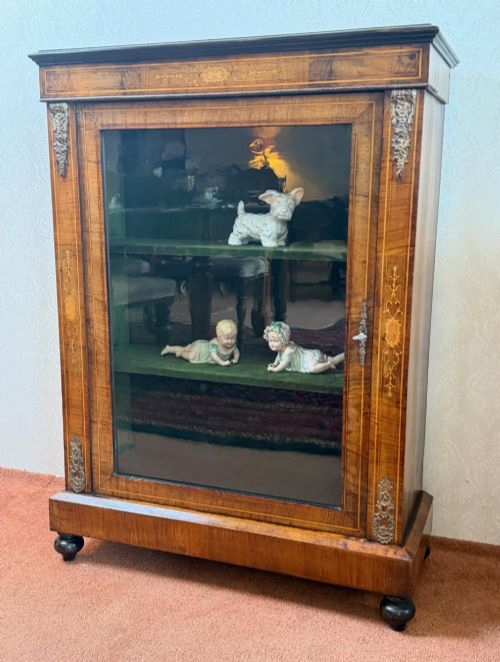
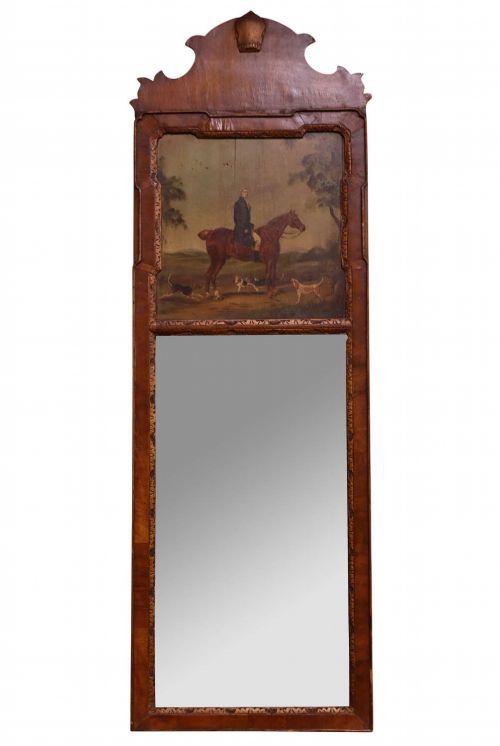
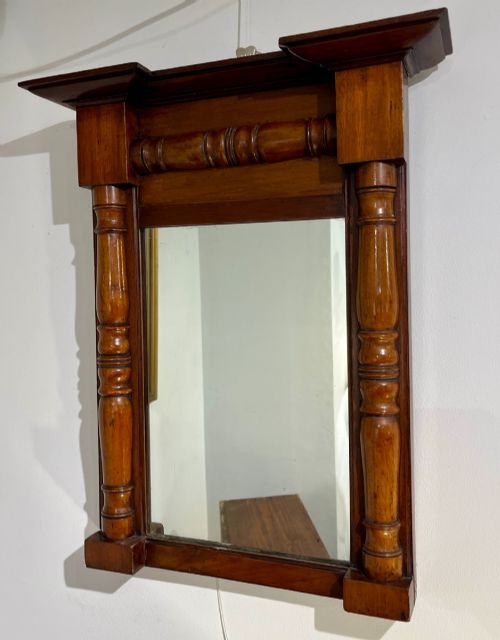
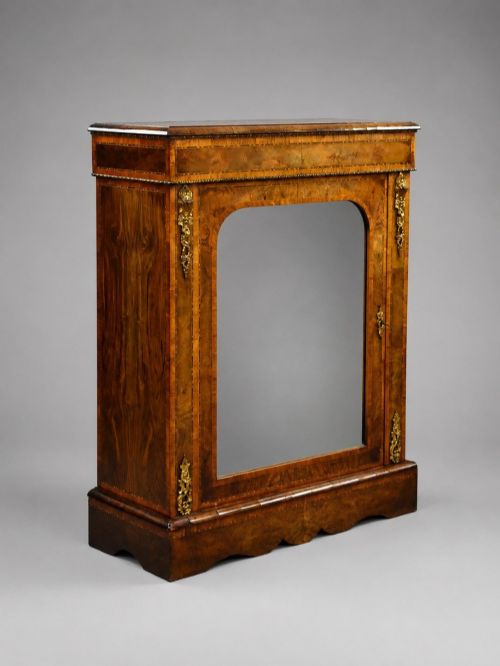
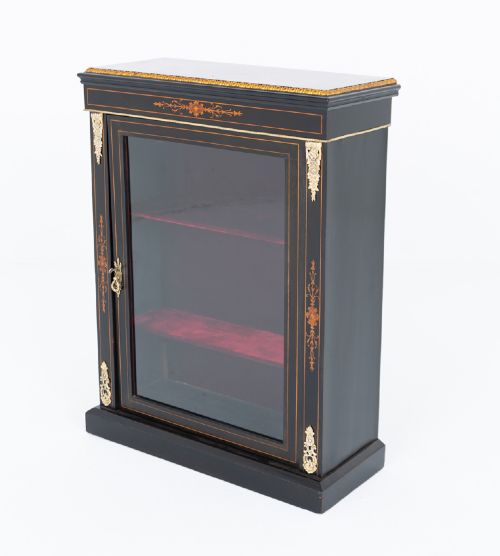
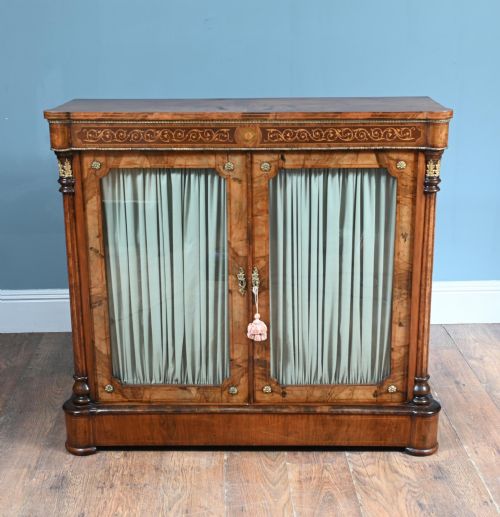
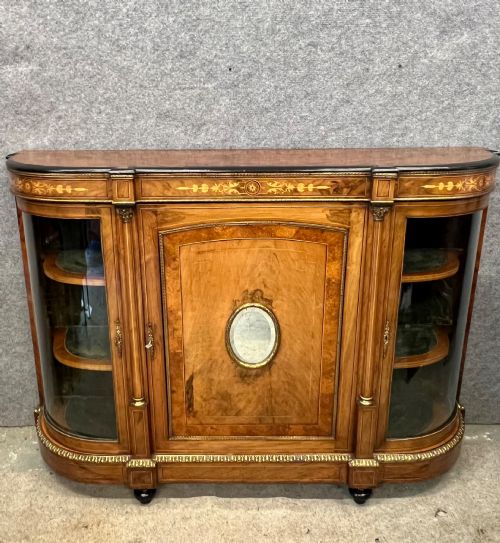
The pieces appearing here include wall mirrors, pier cabinets, and display cases spanning several periods from the nineteenth century into the twentieth. Walnut, mahogany, and ebonised wood frame the glass plates, sometimes incorporating painted details or oil paintings.
Buyers also encounter related forms such as credenzas, side cabinets, and overmantle mirrors alongside standard pier mirrors. Each version serves the domestic tradition of displaying ornaments or reflecting light in a tall vertical format.
Materials and construction
Cabinet makers utilised burr walnut, mahogany, and ebonised wood to build the frames and associated cabinetry. Marquetry inlay, ormolu mounts, and parcel gilding decorate the timber structures.
Glass plates form the central reflective surface, occasionally retaining original mercury backing. Brass hardware and glazed doors complete the construction of the cabinet variants.
Listings feature walnut, mahogany, ebonised wood, and ormolu across styles from Regency to Adam Revival.
Quality variations
The fineness of the timber veneer dictates the upper tier of the range, particularly figured burr walnut and rich mahogany. Crispness in inlaid marquetry and the casting of ormolu mounts separate superior examples from plain ones.
Originality of the glass plate and stability of the frame structure govern the integrity of each piece. Finer specimens display detailed carving, intact parcel gilding, and well-preserved painted or glazed elements.
The Edwardian Pier Glass Glossary
- Pier glass
- A tall mirror designed to fit the narrow wall space between windows.
- Ormolu
- Gilded bronze mounts applied as decorative ornaments to furniture and frames.
- Marquetry
- Decorative patterns formed by fitting together thin veneers of wood.
- Ebonised wood
- Timber treated with a dark finish to imitate expensive ebony.
- Mercury plate
- An older type of mirror backing created using a tin and mercury amalgam.
Edwardian Pier Glass: Frequently Asked Questions
Where should I hang a pier glass?
These mirrors suit narrow wall spaces, particularly between tall windows or above side cabinets.
Positioning them where they capture and reflect natural light maximises their original architectural purpose.
How do I identify a true pier glass?
Look for a tall, narrow proportion designed specifically to fit the masonry pier between windows.
Many examples also incorporate consoles or display cabinets beneath the mirror frame.
What woods were used for these mirrors?
Cabinet makers predominantly selected walnut, burr walnut, and mahogany for framing.
Ebonised finishes and parcel gilding appear frequently on pieces from the Victorian and later periods.
Are these mirrors heavy to mount?
The substantial timber frames and glass plates require secure fixings into solid wall anchors.
Professional installation is advisable to support the weight safely.