

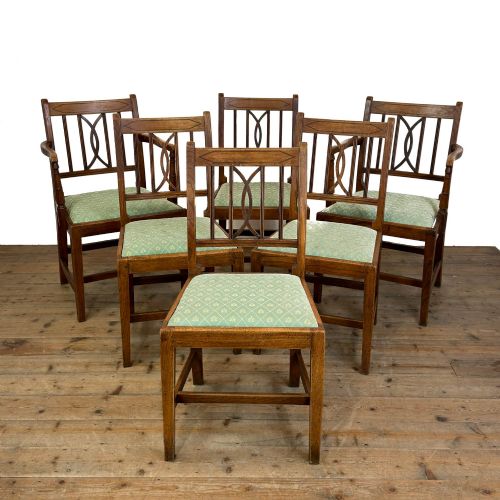
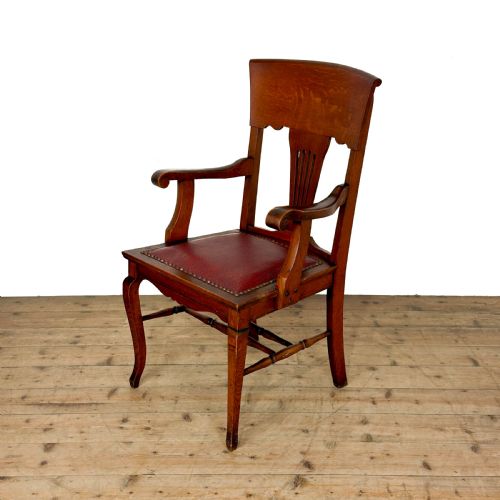


Edwardian Oak Carver Chair
When you search for an edwardian oak carver chair, you enter a world of sturdy timber and generous armrests built for comfort.
Edwardian Oak Carver Chair
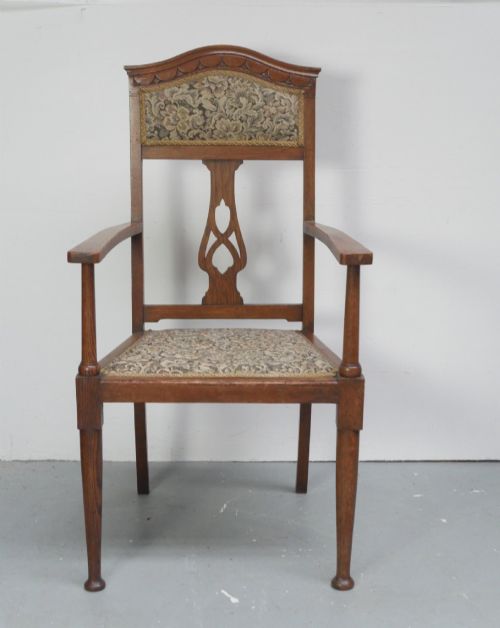
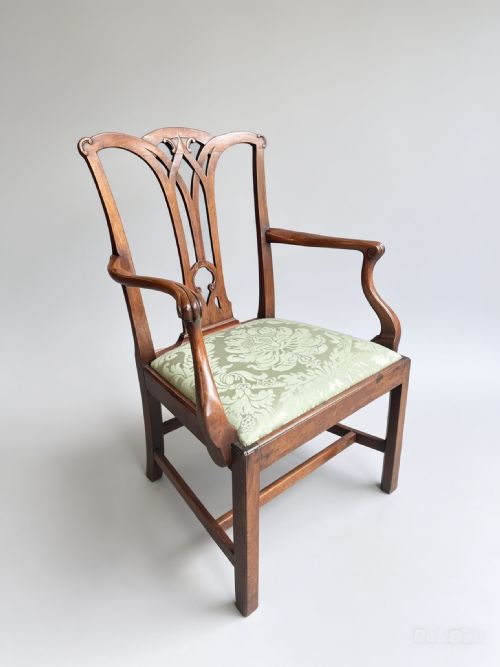
An edwardian oak carver chair is a substantial armchair intended for the head of a dining table or use in a hallway. The pieces on this page span the Edwardian period alongside related examples from the nineteenth and early twentieth centuries.
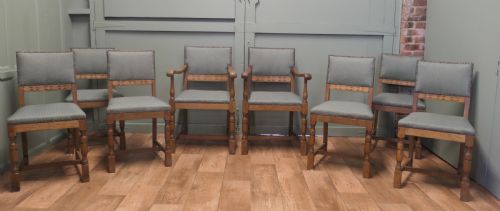
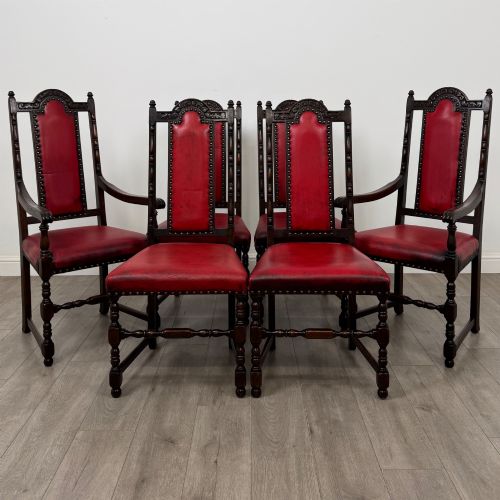
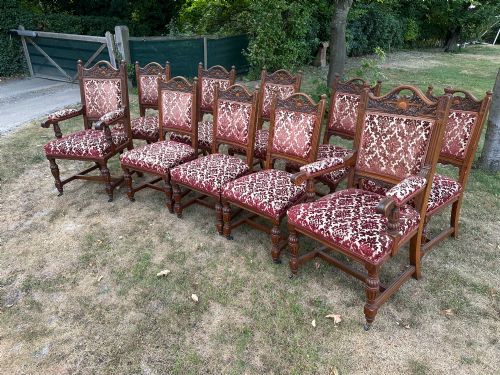
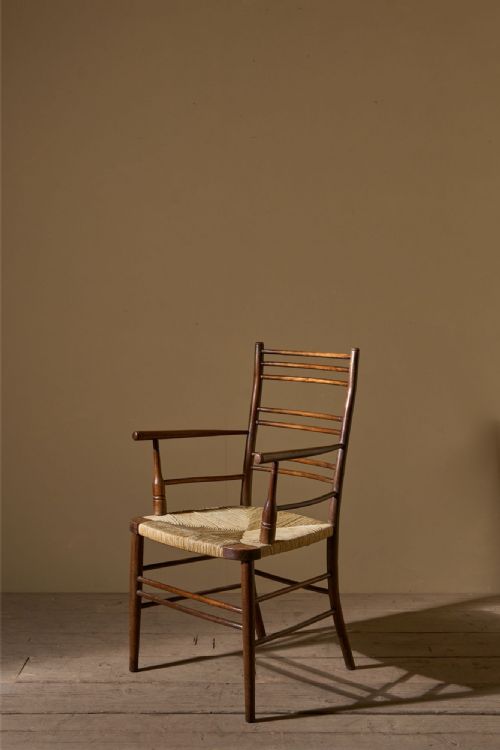
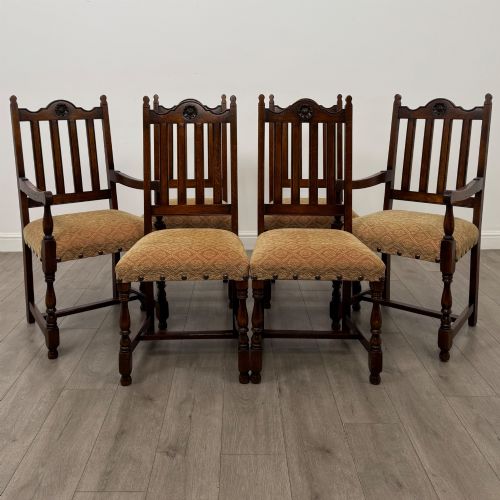
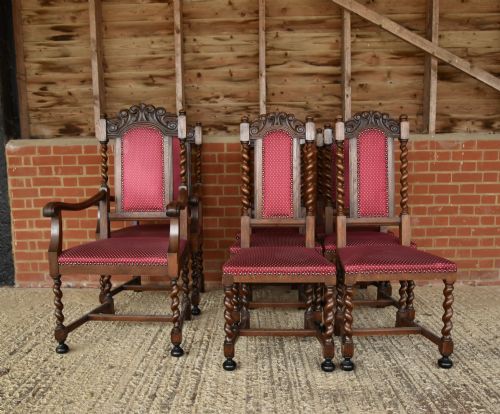
Buyers will encounter various forms here, including Arts and Crafts designs, ladder backs, and Jacobean Revival styles with carved detailing. These armchairs combine domestic utility with the robust presence characteristic of period oak seating.
Materials and construction
Makers relied primarily on solid oak, selected for its durability and rich grain, often complemented by secondary timbers. Frames were joined using traditional methods to ensure stability under daily use at the dining table.
Seats incorporated diverse materials such as woven rush, leather, upholstery fabric, and brass studwork depending on the workshop and style. Twist legs, ladder backs, and carved panels reflect the period preference for historical revival motifs.
The inventory spans the late nineteenth century through the nineteen thirties, capturing vernacular kitchen forms alongside cabinetmaker output.
Distinguishing quality across examples
The distinction between standard utility seating and finer workshop pieces lies in the crispness of the carving and the weight of the timber. Maker attribution and original seat materials elevate certain armchairs significantly above plain vernacular versions.
Structural integrity and the retention of original surface patination determine the standing of an individual piece. Thoughtful proportions and harmonious joinery separate master cabinetmaker output from simpler regional production.
Liberty Morris And Co·W Williamson And Sons·Shapland And Petter·Jas Shoolbred
The Edwardian Oak Carver Chair Glossary
- Carver chair
- An armchair, traditionally placed at the head of a dining table, distinguished by substantial armrests attached to the seat frame.
- Jacobean Revival
- A nineteenth and early twentieth century style emulating seventeenth century oak furniture through heavy carving and geometric mouldings.
- Rush seat
- A traditional seating surface woven from dried marsh grass or sedge, commonly found on country and Arts and Crafts chairs.
- Barley twist
- A decorative turning technique resembling a twisted rope, frequently utilised on the legs and stretchers of early twentieth century chairs.
Edwardian Oak Carver Chair: Frequently Asked Questions
What is an edwardian oak carver chair used for?
These armchairs served primarily as the principal seats at either end of a dining table, offering wider proportions and armrests for the head of the household.
They also functioned as occasional seating in halls, studies, or bedrooms where a sturdier chair was required.
How do I identify an edwardian oak carver chair?
Look for solid oak construction combined with design influences from the Edwardian era, Arts and Crafts movement, or Jacobean Revival styles.
Details such as twist legs, rush seating, leather pads, and carved back panels help place the piece within its historical context.
Are these chairs suitable for daily dining use?
Period oak armchairs are built with robust joinery designed for everyday utility, making them durable additions to modern dining spaces.
Ensuring the frame remains tight and the seating material is secure will preserve the chair for continued household use.
How do Arts and Crafts chairs differ from Jacobean Revival examples?
Arts and Crafts versions typically emphasise honest construction, exposed grain, and simple materials like woven rush or plain leather.
Jacobean Revival pieces lean towards ornate carved decoration, turned supports, and darker finishes inspired by seventeenth century aesthetics.