
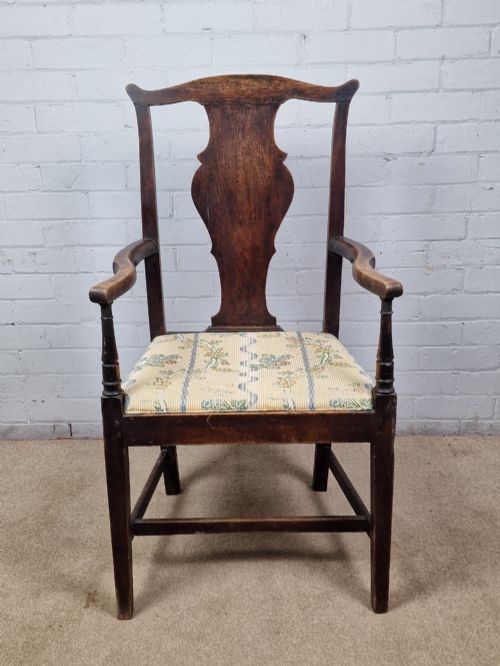

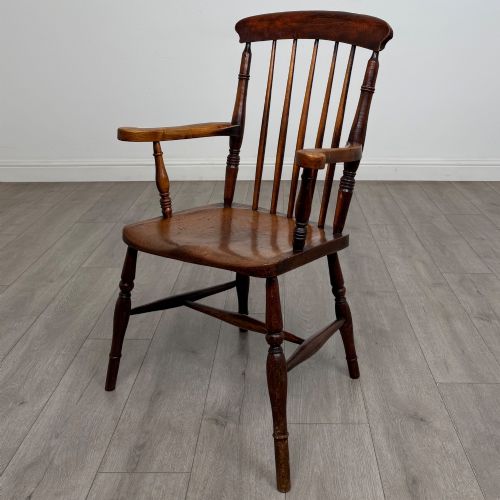
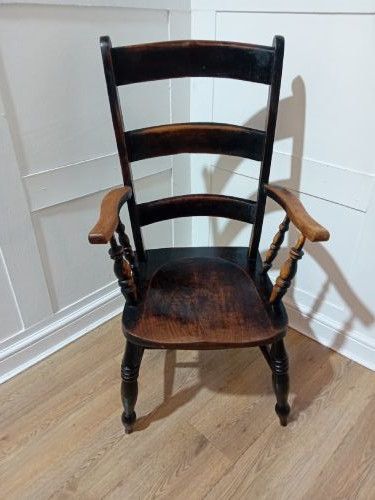
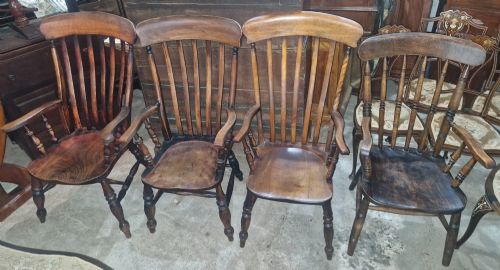

Country Oak Elbow Chair
A country oak elbow chair brings honest timber and sturdy vernacular design straight into a modern room.
Country Oak Elbow Chair
A country oak elbow chair is a sturdy vernacular seat designed for everyday use in farmhouse kitchens, studies and country houses. When you search this phrase, you encounter heavy wooden armchairs spanning from the eighteenth century through the Victorian era.
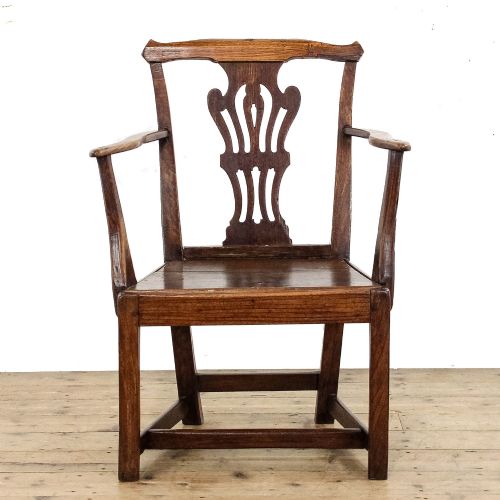
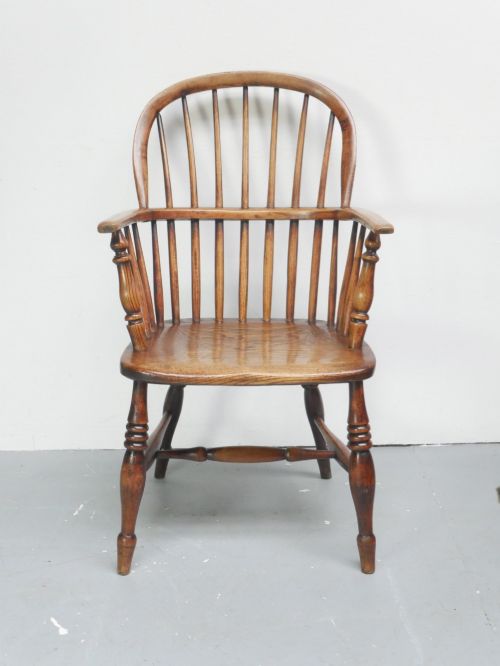
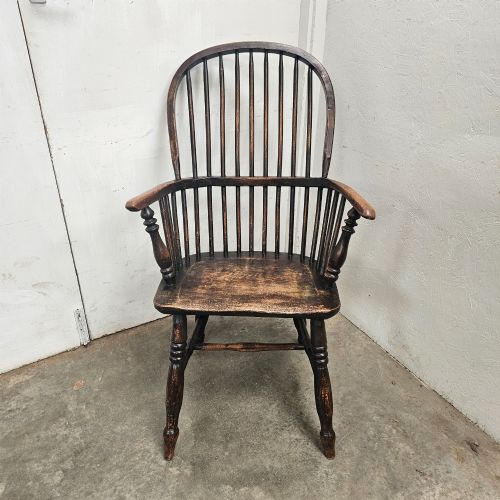
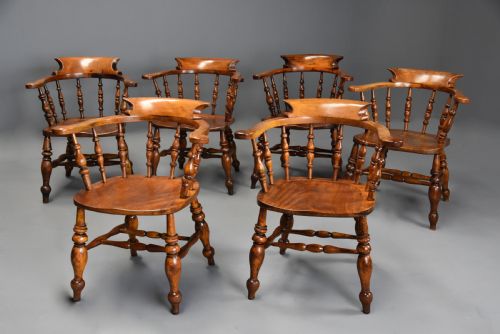
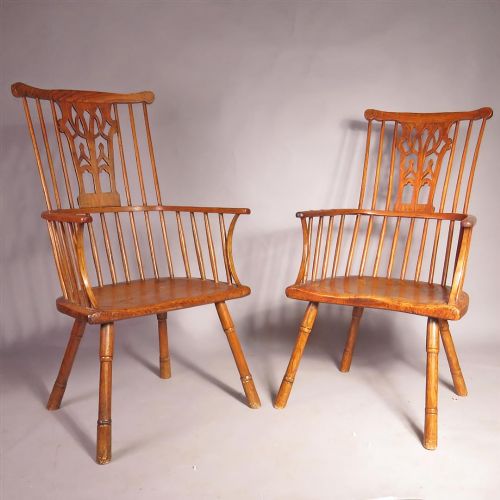
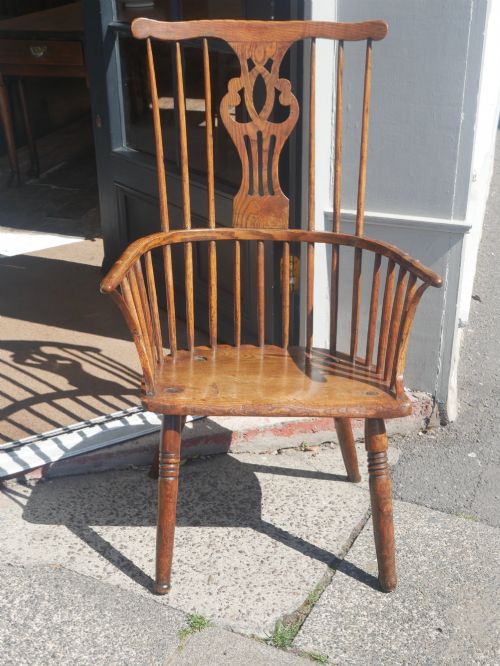
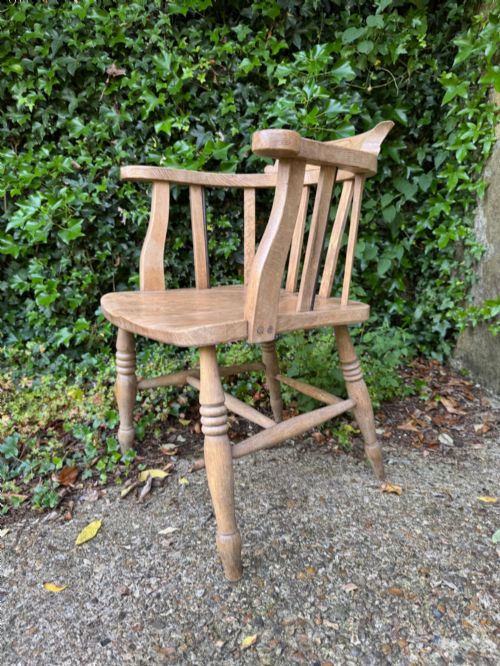
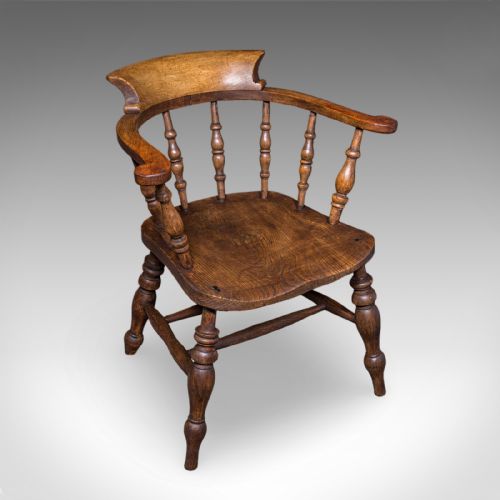
The selections on this page lean heavily toward classic English country forms, including Windsor armchairs, smokers bows, stick backs and panelled wainscot designs. Many examples combine oak frames with contrasting timbers such as elm, ash and beech for seats and spindles.
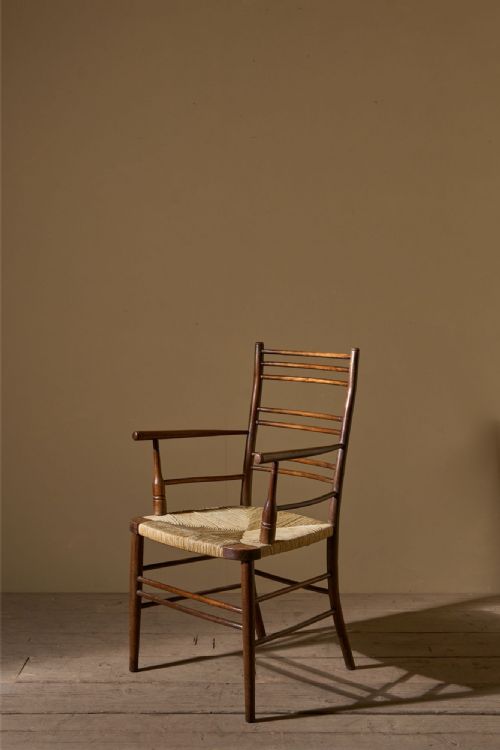
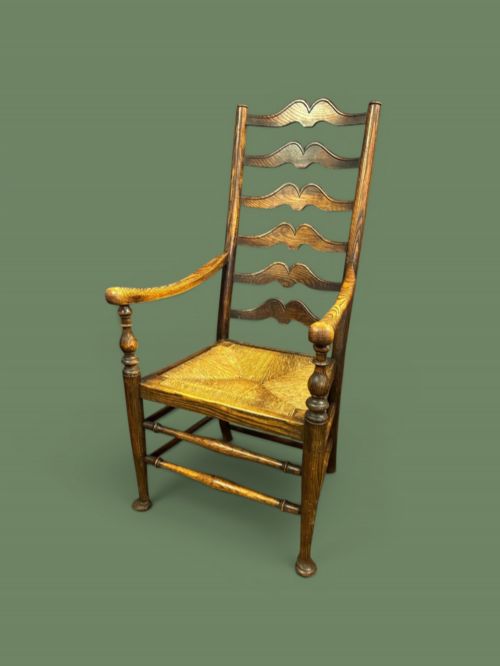
Regional variations appear frequently, from Thames Valley and Yorkshire armchairs to Scottish and Welsh pieces. These chairs range from simple spindlebacks and rush-seated ladder backs to substantial George III and Victorian master armchairs.
How they were made
Traditional country chair makers built these elbow chairs using solid regional timbers, pairing durable oak for frames with resilient woods like elm for scooped seats. Turners shaped spindles and legs on lathes, while joiners constructed rigid frameworks using mortise and tenon joints.
Many windsor and stick back designs relied on steam-bending for bows and armrests, securing uprights directly into solid timber seats with wedges. Where specified, rush seating was tightly woven around wooden rails to create flexible, supportive pads.
Several armchairs incorporate shaped dish seats designed for comfort during long evenings by the fireplace.
What varies in quality
Quality in a country oak elbow chair rests on the integrity of the timber and the honesty of the construction. Pieces retaining their original surface finishes, untouched patination and sound structural joints command greater appreciation from collectors.
Refinement in turning, well-balanced proportions and comfortable, ergonomic saddle seats distinguish finer regional workshop pieces from heavier, utilitarian variants. The harmonious integration of mixed woods, such as ash spindles set into elm seats with oak underframes, demonstrates superior vernacular craftsmanship.
Liberty & Co
The Country Oak Elbow Chair Glossary
- Windsor chair
- A chair built with a solid wooden seat into which the legs, back and arms are separately inserted. These chairs often feature bentwood hoops and turned spindles.
- Smokers bow
- A sturdy low-backed Windsor derivative with a rounded continuous rail forming the arms and back. They are frequently found in robust oak and elm.
- Wainscot chair
- An early heavy wooden armchair constructed with panelled backboards and joined frames. These formal predecessors to country elbow chairs date to the seventeenth and eighteenth centuries.
- Rush seat
- A seating surface woven from dried marsh rushes wound around a wooden frame. This technique creates a springy, durable pad seen on Arts and Crafts and vernacular chairs.
- Splatt
- A central vertical slat of wood set into the back of a chair for support and decoration. It often displays simple shaping or grain patterns in country examples.
Country Oak Elbow Chair: Frequently Asked Questions
How do I identify the age of an armchair?
Dating these chairs involves examining construction methods, tool marks, timber shrinkage and fastener types. Eighteenth-century examples often display hand- cut joinery and pegged joints.
Victorian and later nineteenth-century pieces may show standardised machine turning and different assembly techniques. Comparing the timber patination and wear patterns also helps determine age.
Were these chairs used for dining?
Many country elbow chairs served multiple purposes around the farmhouse, functioning as desk chairs, fireside seats or occasional chairs rather than strictly dining furniture. Their sturdy construction made them suitable for everyday domestic tasks.
Heavier armchairs often acted as master or reading chairs in studies and libraries. Smaller elbow chairs paired easily with farmhouse tables.
How do I care for antique oak furniture?
Maintaining antique oak involves keeping pieces away from direct heat sources and sudden humidity changes to prevent timber splitting. Regular gentle dusting preserves the natural surface.
Applying occasional appropriate wax feeds the wood without building up heavy chemical layers. This routine protects the historical patination built up over centuries.