





Traditional English Country Armchair
A traditional english country armchair brings organic grain and sturdy vernacular craftsmanship straight to the fireside.
Traditional English Country Armchair
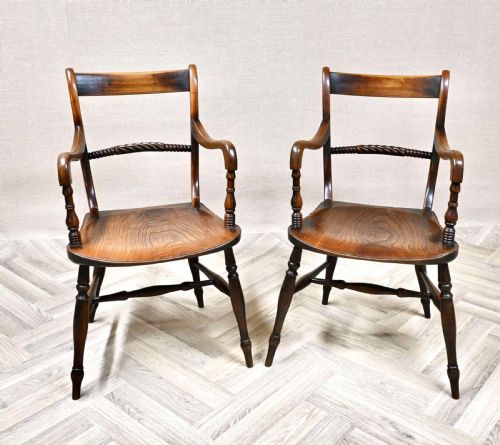
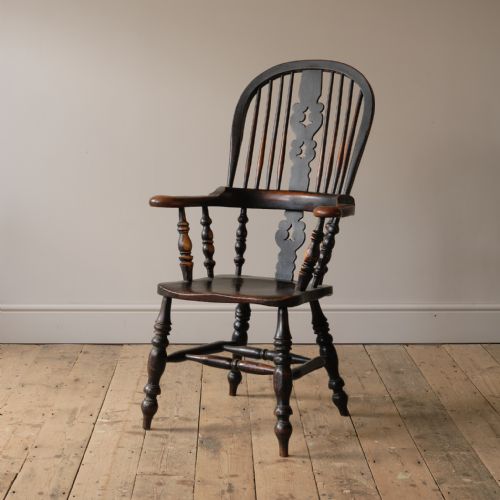
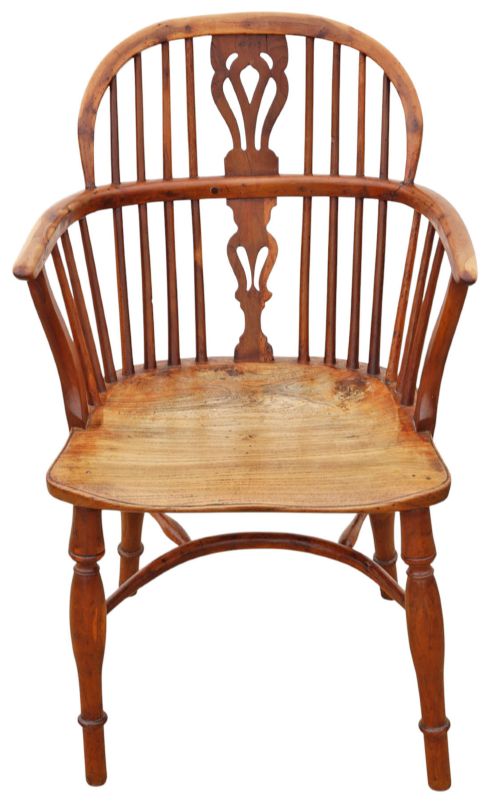
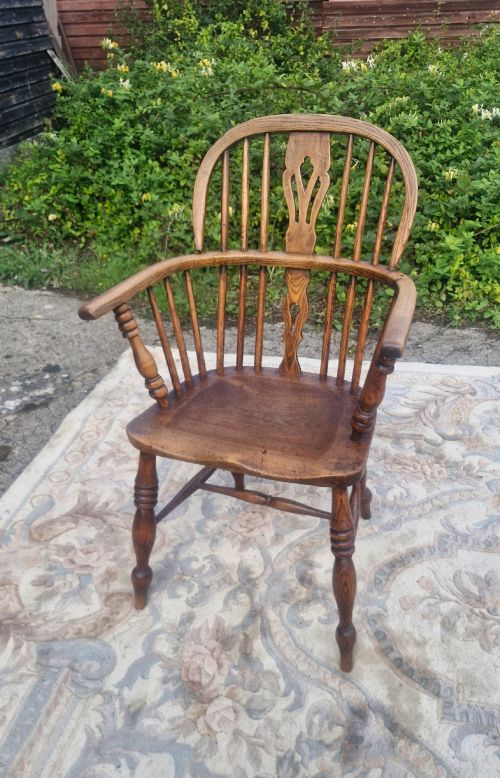
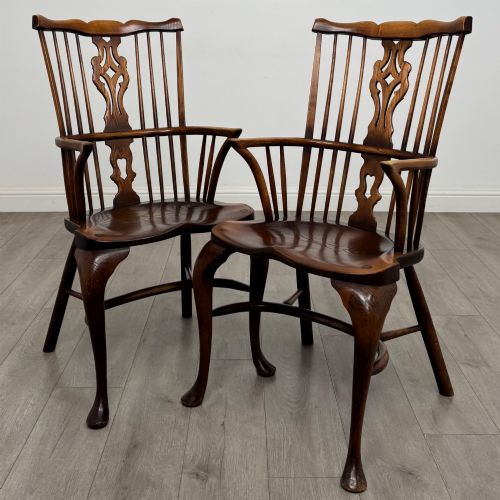
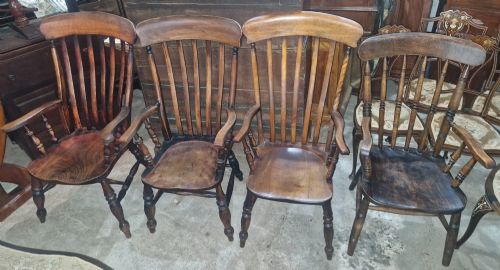
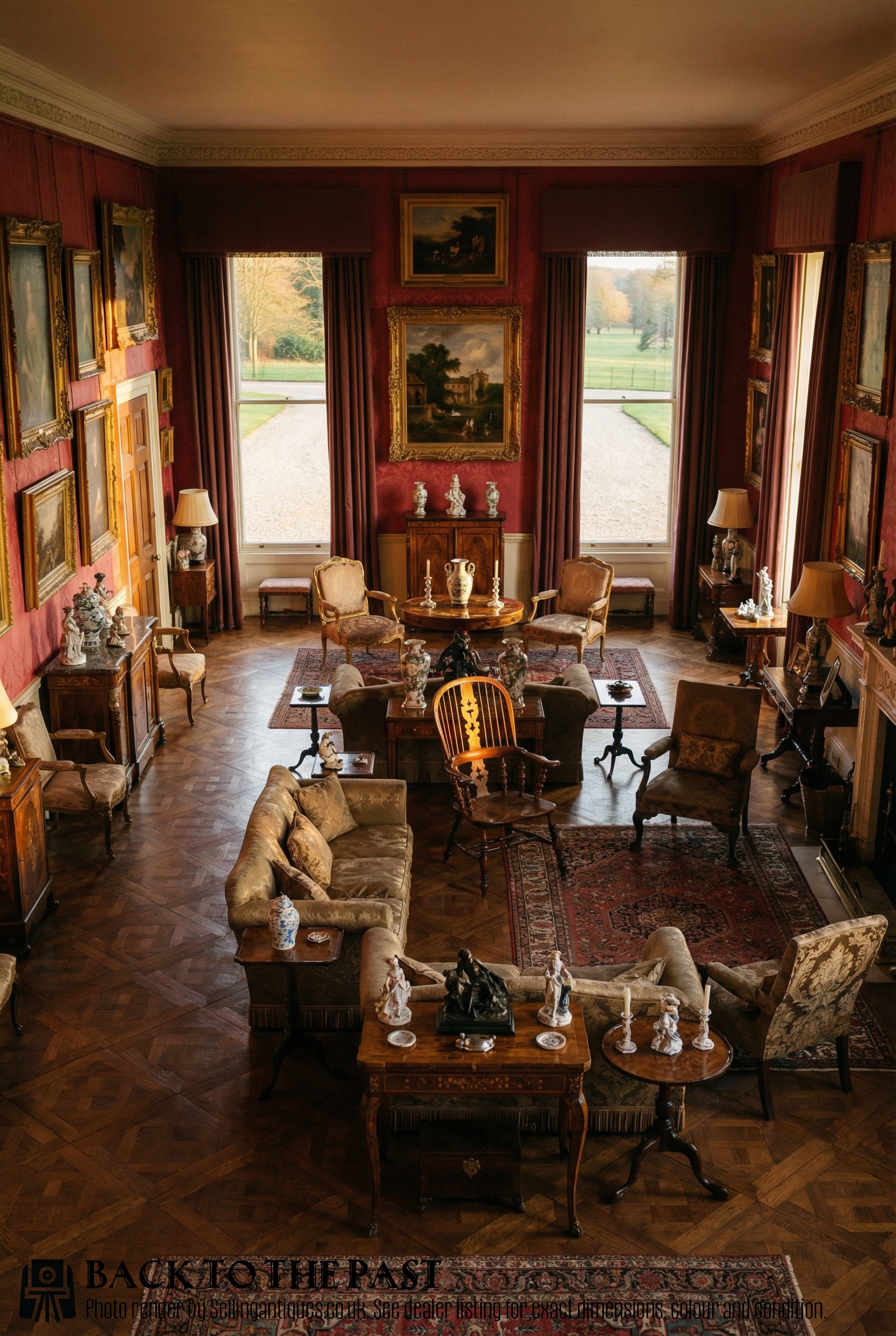
A traditional english country armchair spans robust ash, elm and yew constructions built across the eighteenth and nineteenth centuries. Buyers frequently encounter Windsor forms alongside low back kitchen chairs and sturdy panelled wainscot seats.
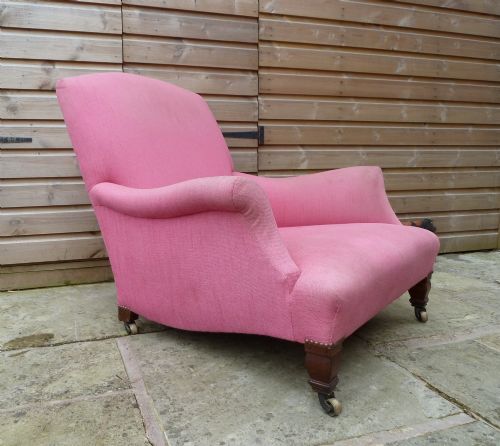
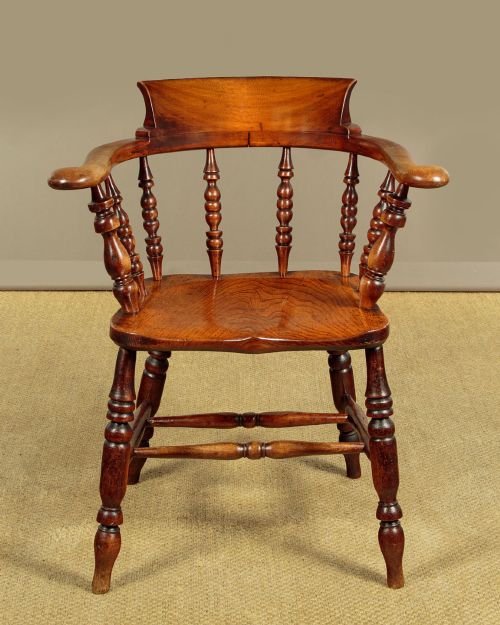
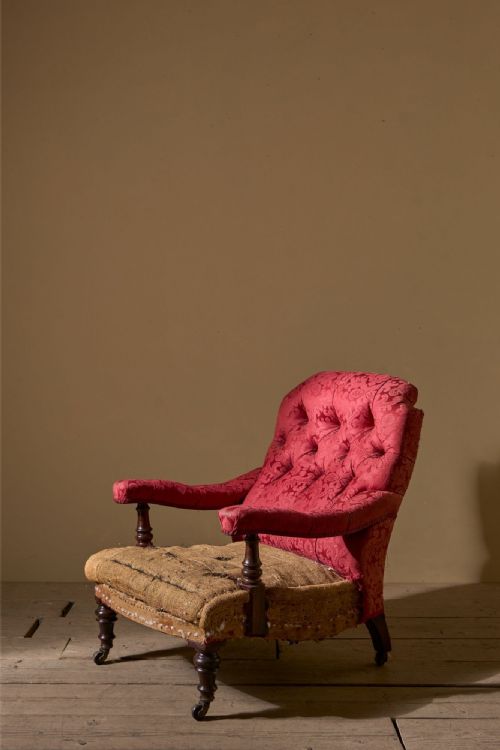
The selection ranges from high comb back Windsors to upholstered lounge pieces reflecting Victorian and Georgian country house tastes. Regional variations include neat Scottish models and classic smokers bows.
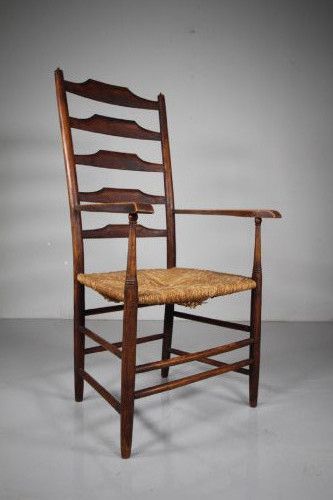
Makers utilised vernacular idioms, combining solid timber seats with turned spindles, steam-bent armbows and occasional ladder backs. These robust seats served kitchens, parlours and libraries alike.
Materials and Construction
Construction relies heavily on contrasting timbers, pairing carved elm seats with ash or yew for bentwood hoops and spindles. Artisans secured components using wedged tenons and traditional dowel joints.
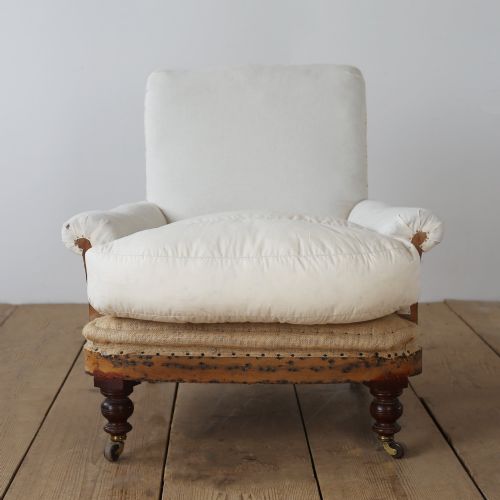
Upholstered variants incorporate stuffed fillings and deep fabric covers on hardwood frames. Turned mahogany or oak supports underpin upholstered lounge chairs with robust internal webbing.
Traditional English Country Armchair Retail Price Guide 2026
Typical asking prices for traditional english country armchair among the pieces listed under this phrase on Sellingantiques today, from the lower quarter to the upper quarter. They describe what is for sale here now, not the wider market.
Listings feature elm, ash, yew and oak across eighteenth and nineteenth century domestic forms.
Material Depth and Joinery
Quality depends upon timber selection, particularly the rich figure found in mature yew wood and deeply grained elm seats. Substantial turnings and crisp spindle details distinguish superior workshop output from utilitarian alternatives.
Structural integrity relies on original wedged joints and minimal timber replacement in the undercarriage. Finer examples retain deep patination and surface wear accumulated over generations of domestic use.
Howard and Sons·Philip Clissett·J Spencer
The Traditional English Country Armchair Glossary
- Windsor chair
- A wooden chair featuring a thick solid timber seat into which the legs and back spindles are directly fitted. These iconic seats developed distinct regional back designs including wheelbacks and comb backs.
- Smoker's bow
- A low-backed Windsor armchair with a continuous curved arm rail resting on short turned spindles. They gained popularity in nineteenth century domestic and commercial settings.
- Wainscot armchair
- An early wooden armchair constructed primarily from panelled oak with carved back support and solid armrests. They represent the heavy timber seating of seventeenth and eighteenth century interiors.
- Comb back
- A Windsor chair variation where the central vertical spindles extend upward to support a horizontal headrest piece. This design provides elevated back support for the sitter.
Traditional English Country Armchair: Frequently Asked Questions
What defines a traditional english country armchair?
These chairs combine solid vernacular timber construction with regional woodworking traditions spanning the eighteenth and nineteenth centuries. Elm, ash and yew feature prominently alongside turned spindles and saddle seats.
They emerged from rural workshops to serve in farmhouse kitchens, country houses and cottages. Their enduring appeal lies in organic materials and functional comfort.
How do I care for antique wooden armchairs?
Maintain stable indoor humidity levels to prevent timber shrinkage and separation in the joints. Apply occasional natural wax to nourish dry grain surfaces.
Avoid placing antique seating near direct heat sources or strong sunlight. Gentle dusting preserves the accumulated patina of the wood.
Are Windsor chairs comfortable for daily use?
Sculpted elm seats distribute weight evenly, making well-designed Windsor chairs surprisingly supportive for long periods. High backs and broad armrests offer reliable posture support.
Upholstered country house models provide deeper cushioning through traditional feather or hair fillings. Both styles suit daily seating when structurally sound.
How can I tell different back styles apart?
Windsor backs vary from low semicircular rails on smoker's bows to tall intersecting spindles on wheelback models. Comb backs feature a distinct raised top rail supported by vertical extensions.
Wingback variations incorporate upholstered side panels designed to block drafts near open fires. Each style reflects specific domestic requirements of its period.