

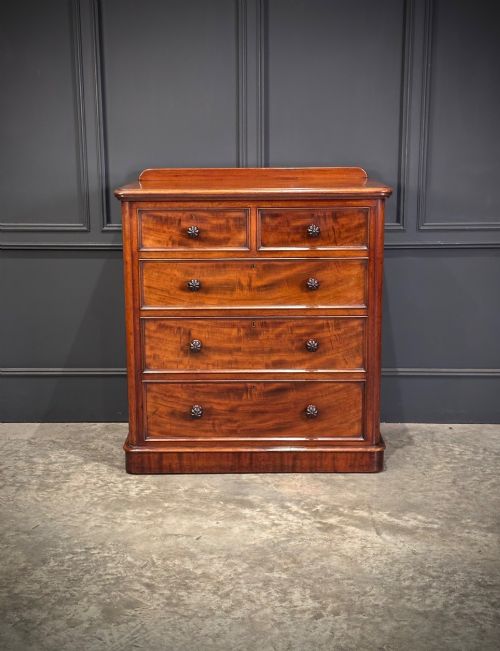
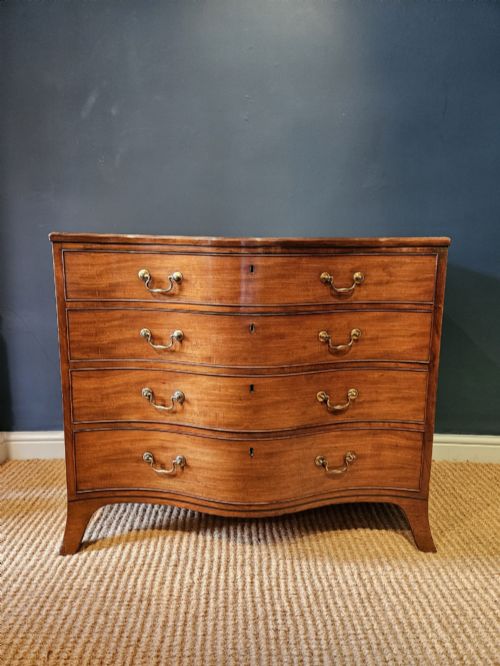
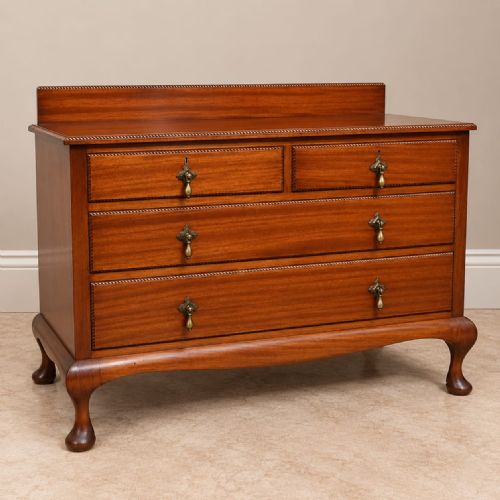
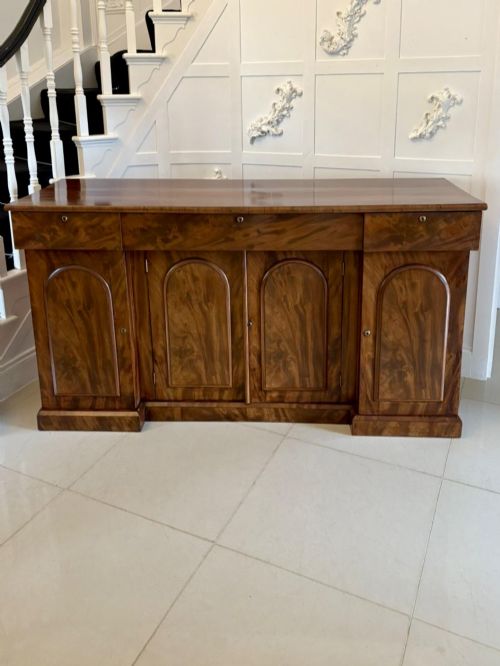

Edwardian Mahogany Dresser
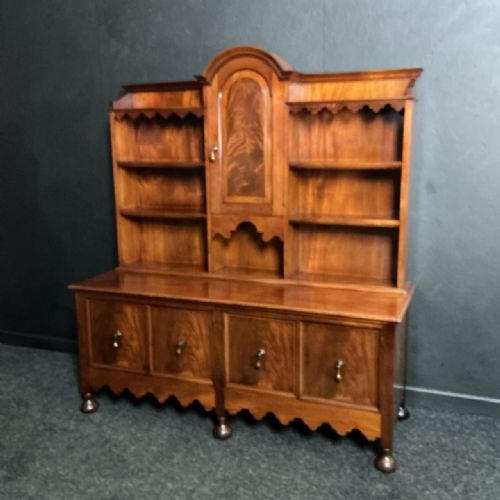
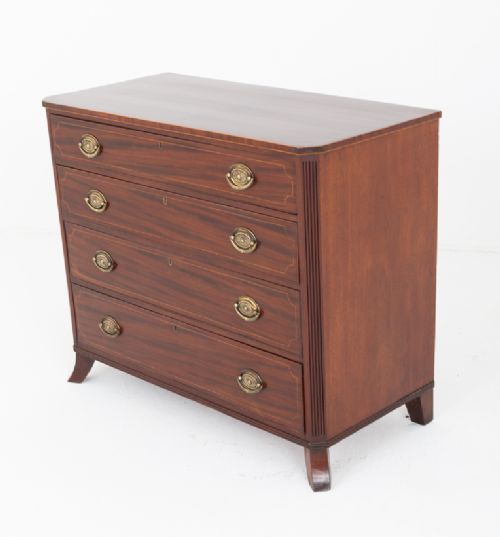
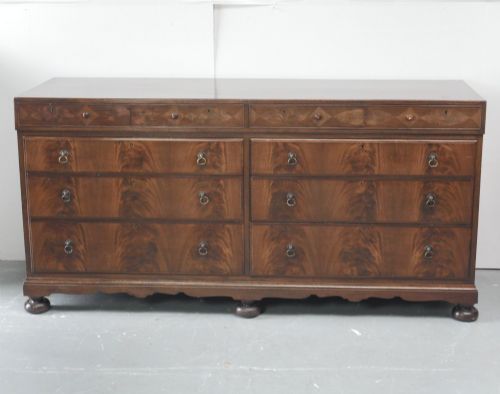
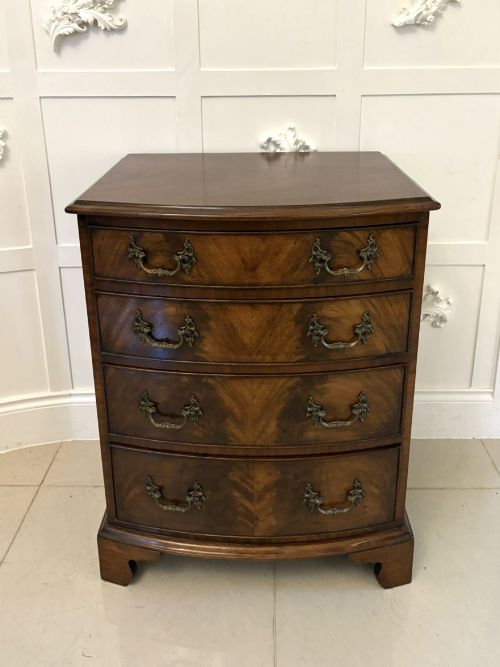
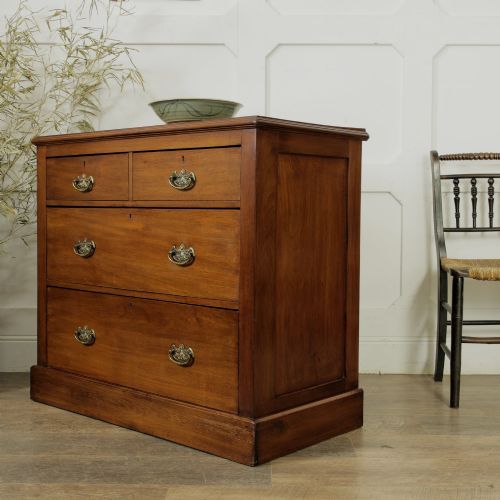
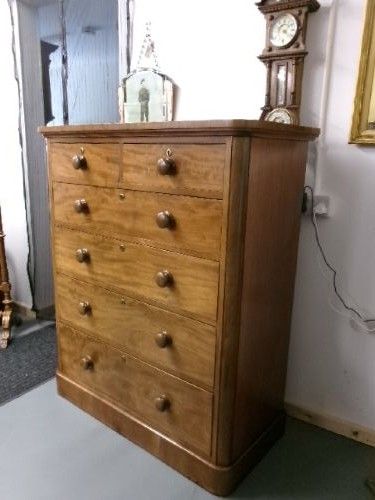
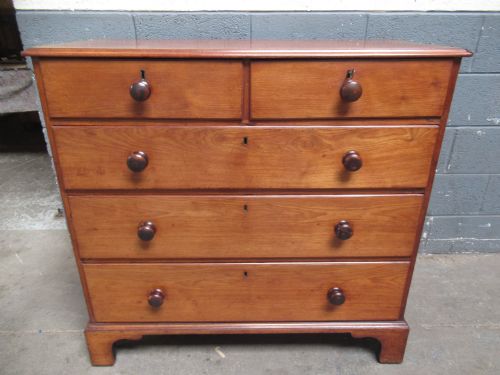
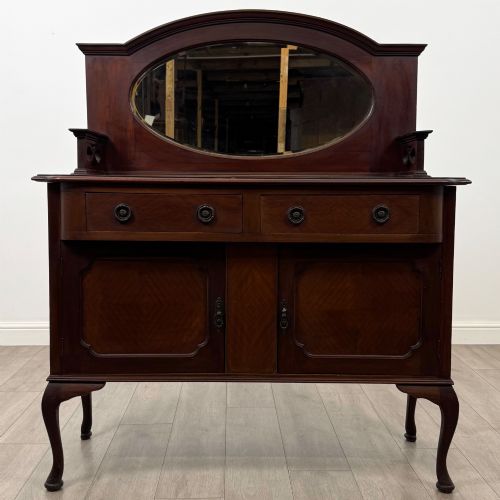
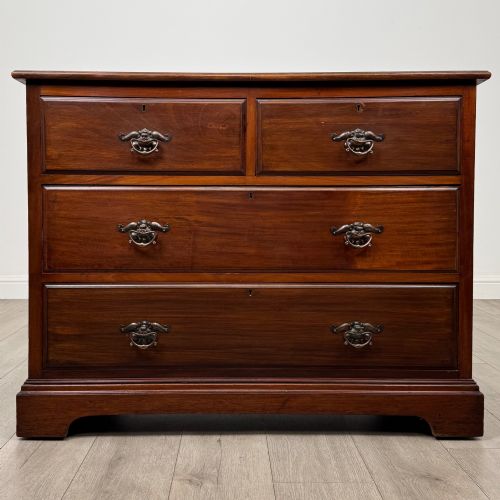
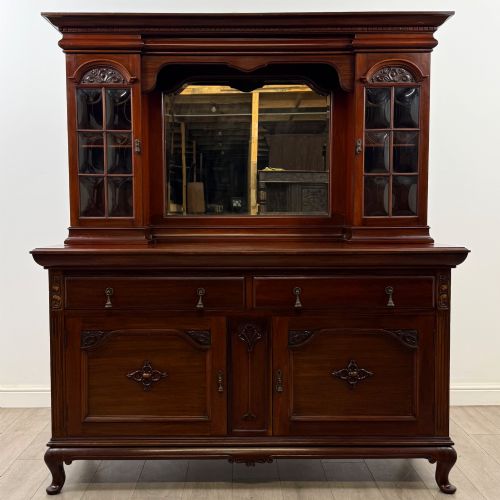
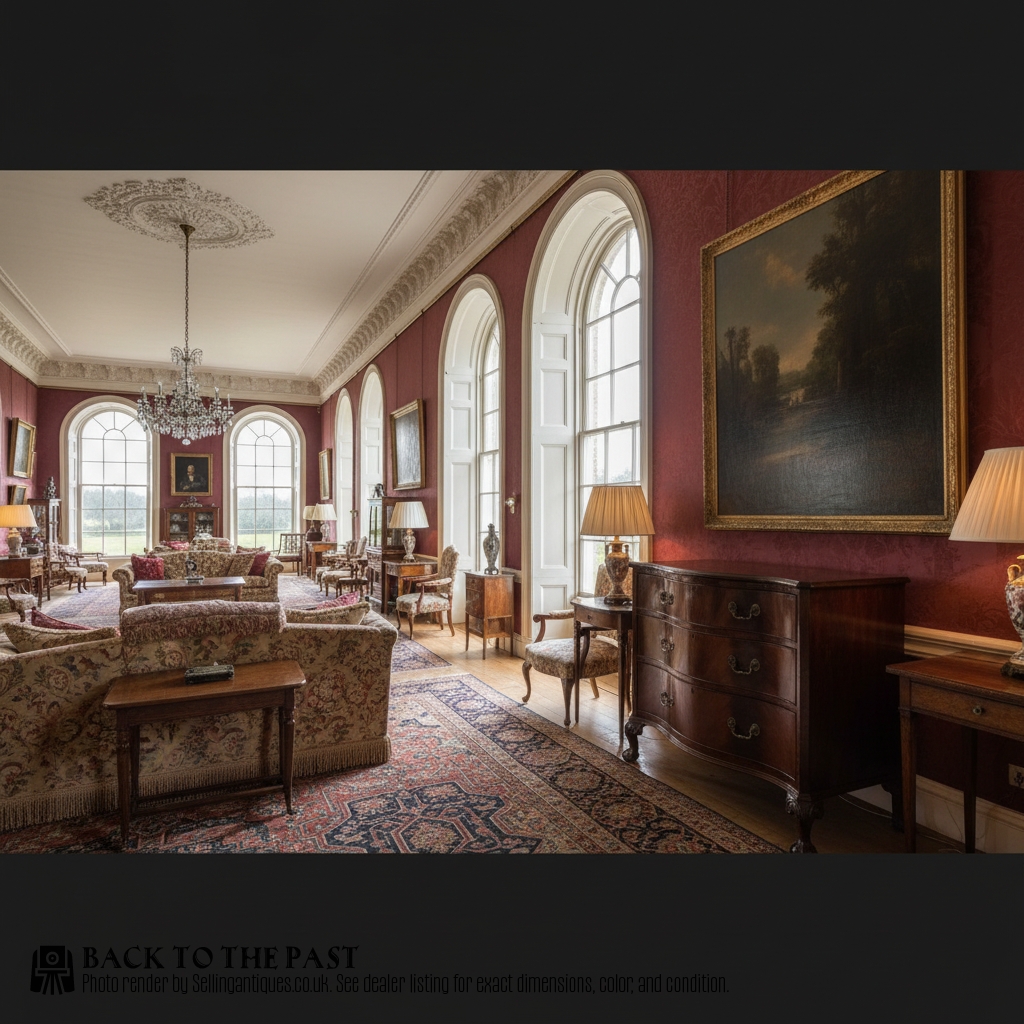
An edwardian mahogany dresser brings the refined proportion and rich timber of the early twentieth century directly into a modern hallway or dining room.
Edwardian Mahogany Dresser
When you search for an edwardian mahogany dresser, you encounter a variety of forms including sideboards, servers, and tall chests of drawers that bridge late nineteenth-century scale with lighter twentieth-century design. The pieces listed span multiple eras such as Victorian, Georgian, and Regency, yet the true Edwardian examples remain central to this group.
These items served primarily for storage and display in period homes, functioning as sideboards for dining rooms or bedroom chests. The typical form on this page combines solid mahogany with veneered surfaces and occasional inlay work.
Makers and workshops of the period utilised traditional cabinet-making methods, producing items that range from simple utilitarian chests to elaborately inlaid servers. Buyers frequently select these pieces for their practical proportions and warm timber tones.
Materials and Construction
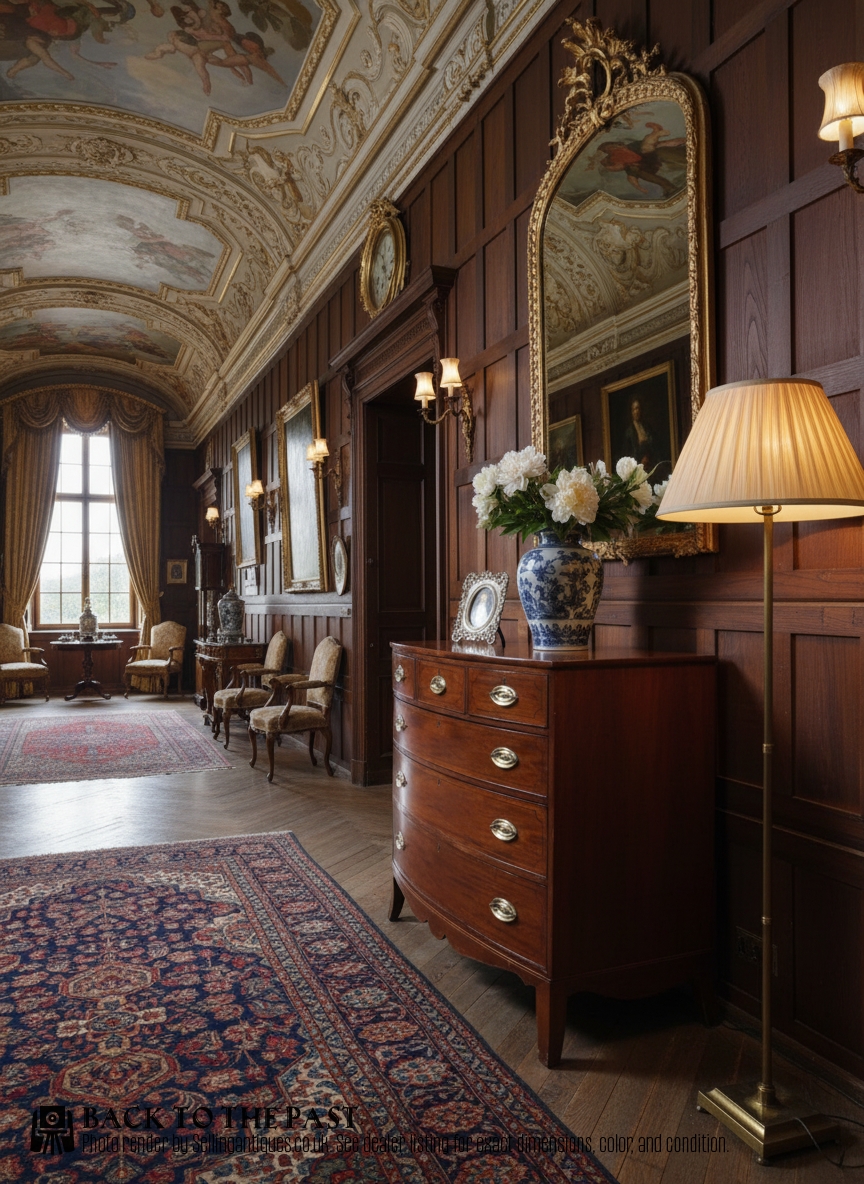
Cabinet makers relied heavily on solid mahogany and flame mahogany veneer, often selecting figured timber for drawer fronts to create striking visual patterns. Secondary woods such as oak and pine appear in drawer linings and internal framing.
Decorative detailing frequently involves satinwood inlay and fine stringing, alongside cast brass handles and occasional glass panels in cabinet doors. These elements reflect both Sheraton and Arts and Crafts design influences common to the period.
Edwardian Mahogany Dresser Retail Price Guide 2026
Typical asking prices for edwardian mahogany dresser among the pieces listed under this phrase on Sellingantiques today, from the lower quarter to the upper quarter. They describe what is for sale here now, not the wider market.
The listings on this site span several decades, featuring Edwardian, Victorian, and Georgian periods alongside materials like brass, oak, and flame mahogany.
Assessing Quality and Craftsmanship
The distinction between standard production pieces and finer examples rests on the selection of timber figures, such as matched flame mahogany veneer, and the precision of the satinwood inlay. Superior pieces exhibit crisp joinery and thoughtful proportions that elevate them above basic utilitarian furniture.
Original hardware, sound drawer construction, and intact polished surfaces separate the better survivors from items that have undergone heavy restoration or alteration. The integration of period-appropriate brass handles and clean internal secondary woods marks the higher tier of these chests and sideboards.
Whytock and Reid·Druce and Co·Maple and Co·Waring and Gillow
The Edwardian Mahogany Dresser Glossary
- Flame mahogany
- A veneer cut from the branch junction of the tree, producing a distinctive fire-like grain pattern. Cabinet makers used this on prominent surfaces like drawer fronts.
- Satinwood inlay
- A contrasting light-coloured timber inserted into recesses in the mahogany surface. This technique created delicate geometric or floral borders.
- Bow front
- A convex curved cabinet or chest front that swells outward in the centre. It became particularly popular during the Georgian and Edwardian periods.
- Brushing slide
- A pull-out shelf integrated above the top drawers of a chest. It provided a temporary surface for folding clothes or brushing garments.
- Graduated drawers
- A set of drawers that decrease in depth from bottom to top. This arrangement creates a balanced visual perspective on tall chests.
Edwardian Mahogany Dresser: Frequently Asked Questions
What is an edwardian mahogany dresser?
An edwardian mahogany dresser or sideboard is a storage piece produced in the early 1900s, typically featuring warm mahogany timber and refined decorative inlay. These items were designed to furnish dining rooms and reception spaces with practical elegance.
They combine traditional proportions with the lighter aesthetic favoured during the Edwardian era, making them adaptable for contemporary interiors.
How do I distinguish Edwardian from Victorian pieces?
Edwardian furniture generally exhibits a lighter, more restrained design aesthetic compared to the heavier and darker styles often associated with the Victorian period. Inlays of satinwood and Sheraton revival motifs are more frequent in Edwardian pieces.
Victorian items tend to rely on massive proportions and deep, dark polishes without the bright stringing characteristic of the subsequent decade.
Where were these pieces used in the home?
These items were primarily situated in dining rooms to serve as sideboards and servers for holding china, linen, and cutlery during meals. Tall chests and drawer units also functioned in bedrooms for garment storage.
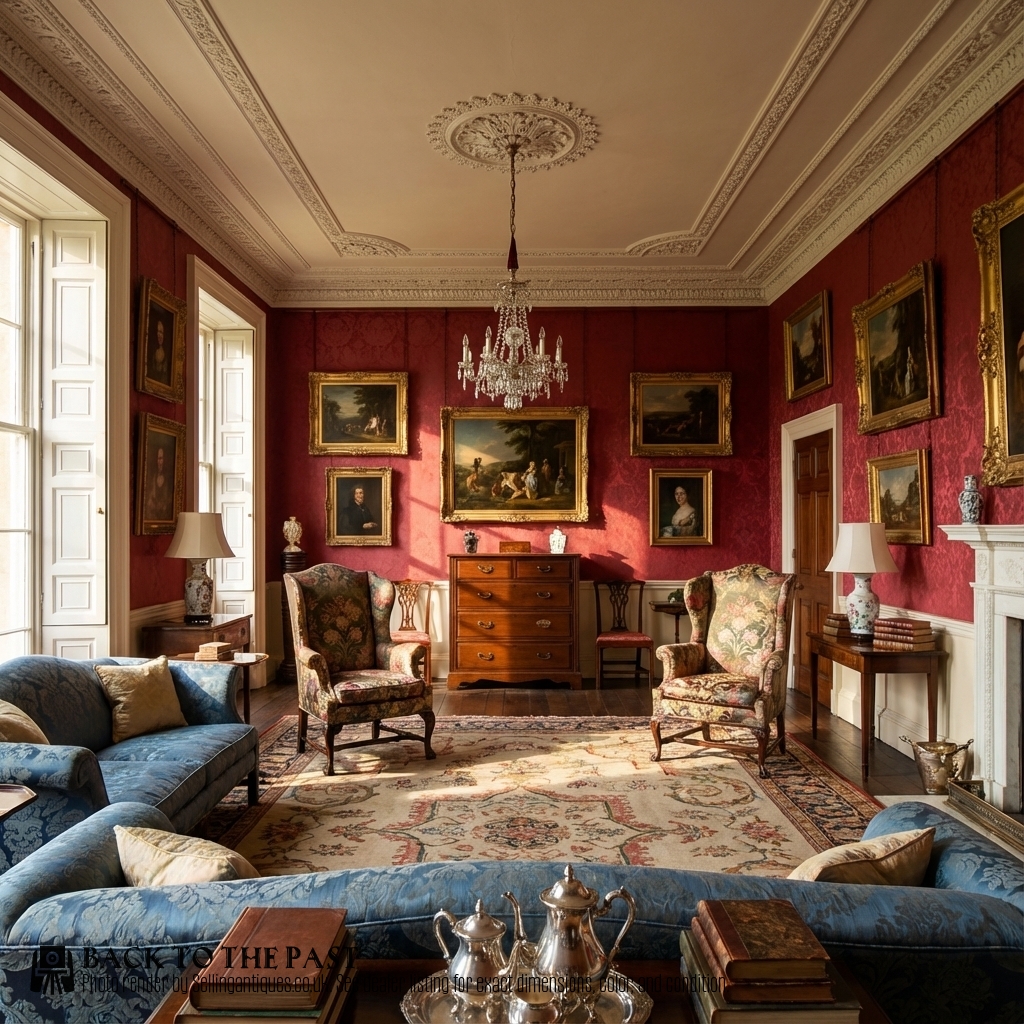
Today, buyers place them in hallways, living rooms, and bedrooms where their surface tops and drawer capacities serve modern storage needs.
What maintenance do mahogany surfaces require?
Mahogany furniture benefits from occasional application of quality beeswax to nourish the timber and maintain a soft lustre. Avoiding direct sunlight and excessive heat prevents the wood from drying out.
Regular dusting with a dry, soft cloth keeps the polished finish free from abrasive particles.