
Edwardian Mahogany Credenza
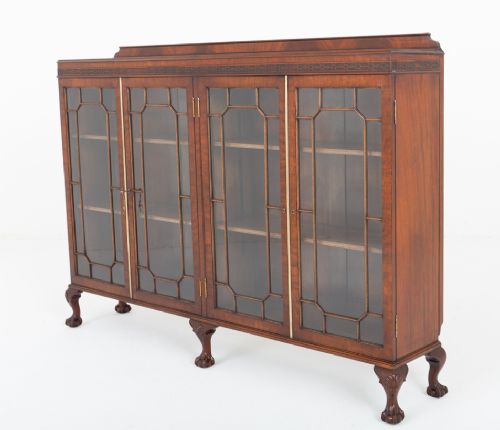
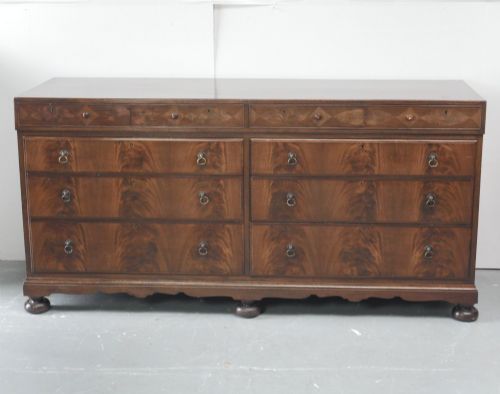
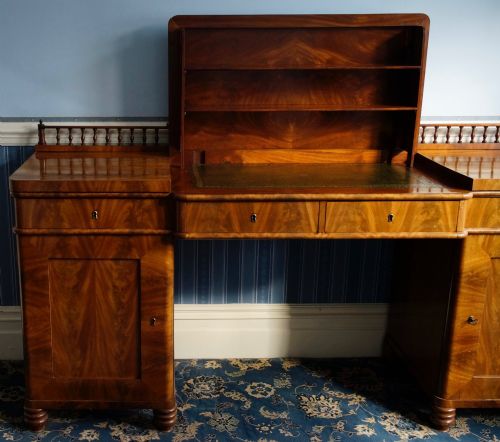
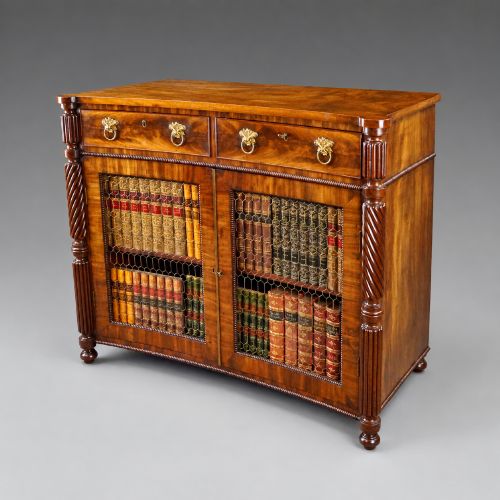
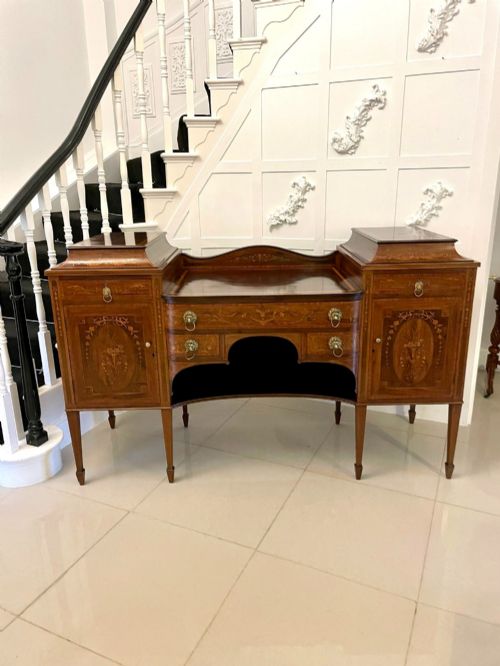
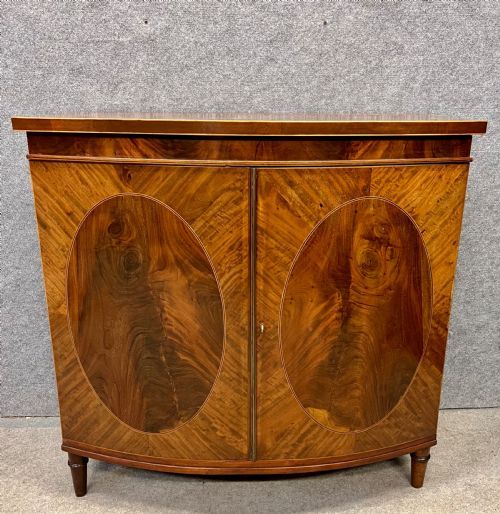
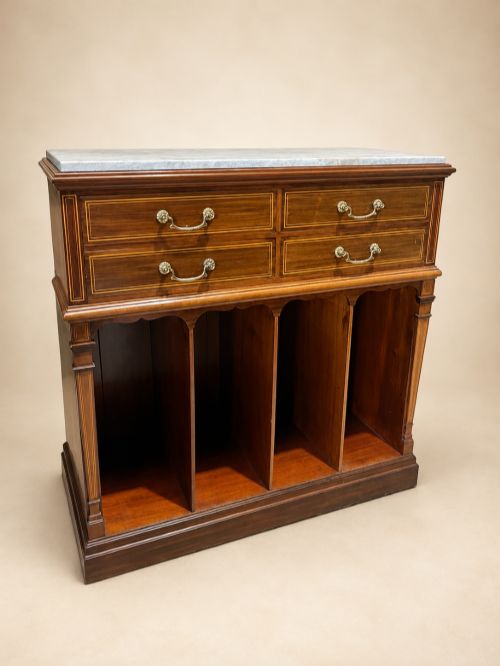
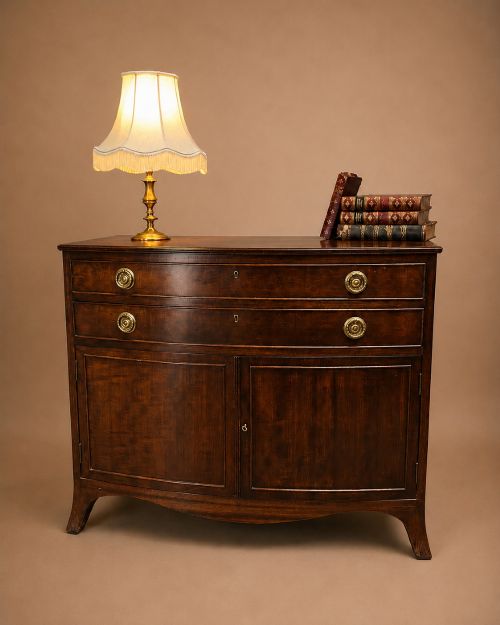
An edwardian mahogany credenza provides substantial storage and display surface, combining timber warmth with delicate revival inlay.
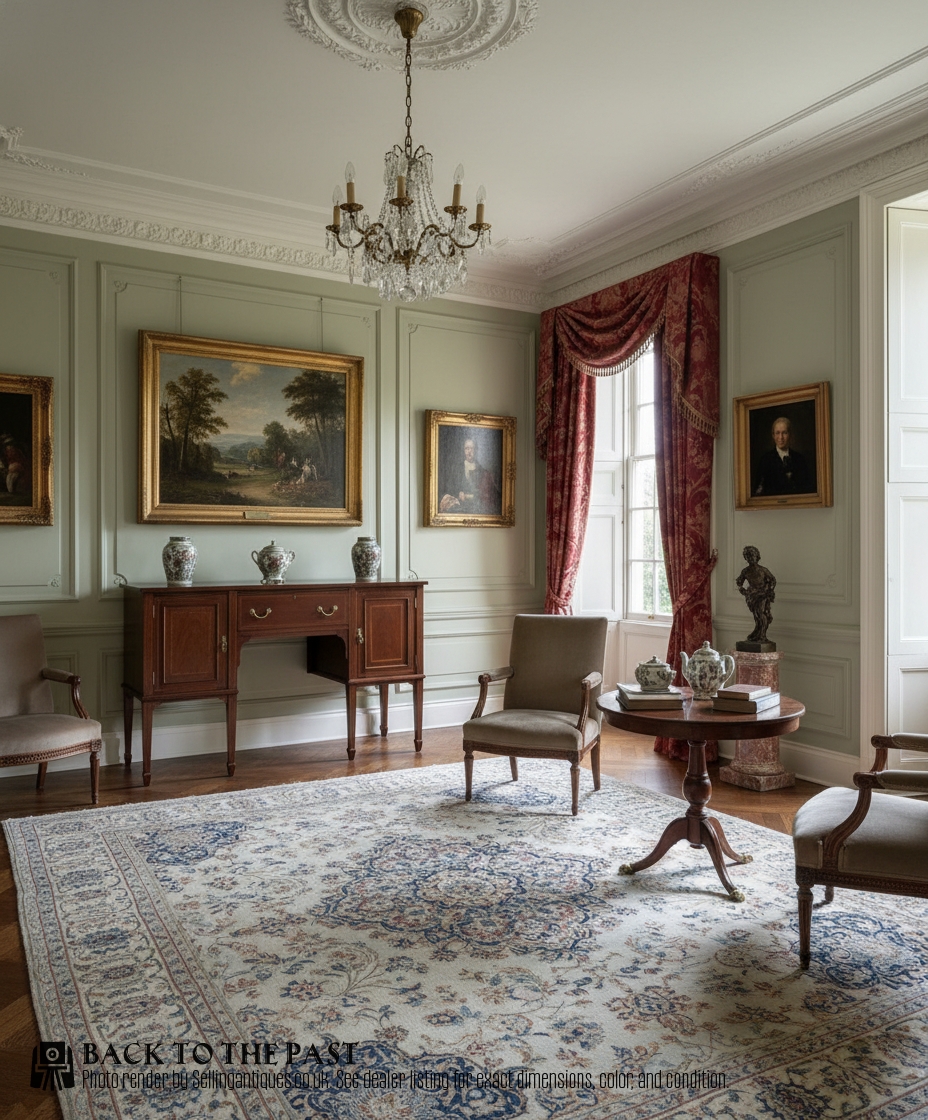
Edwardian Mahogany Credenza
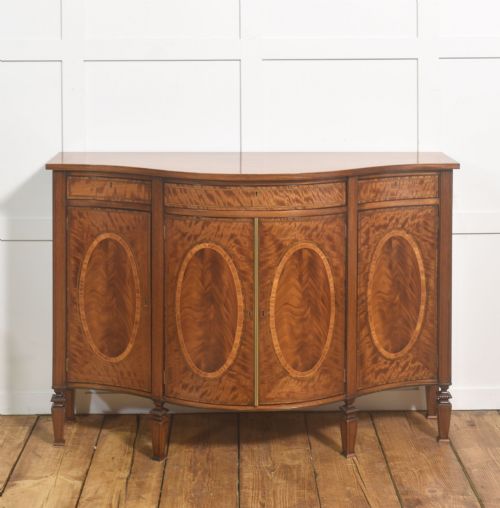
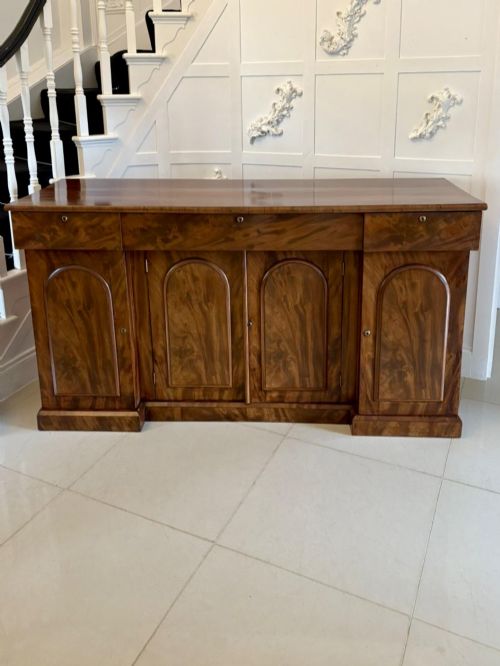
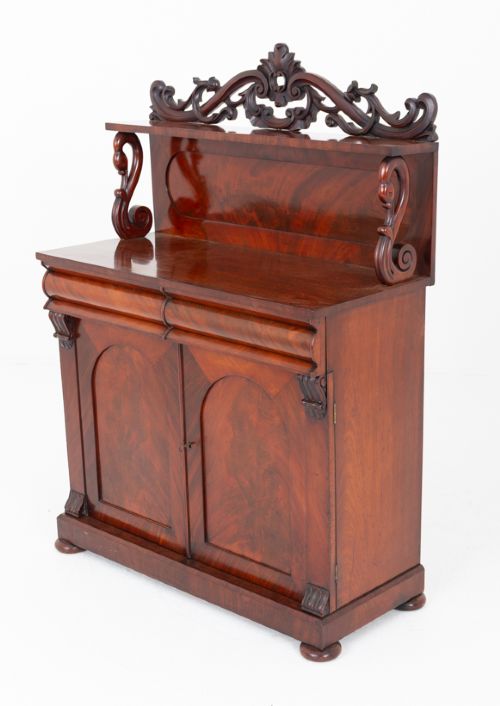
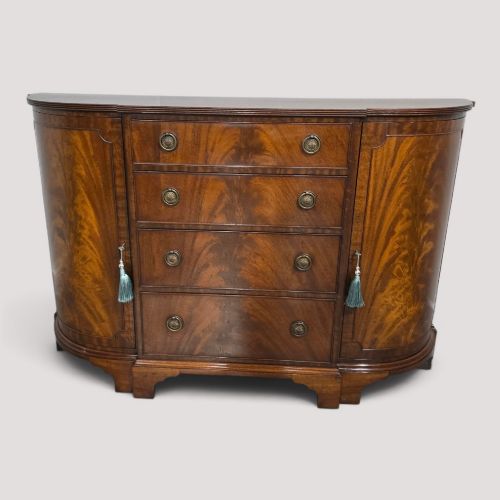
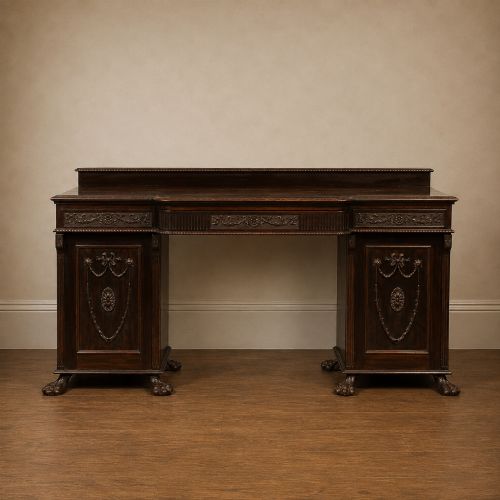
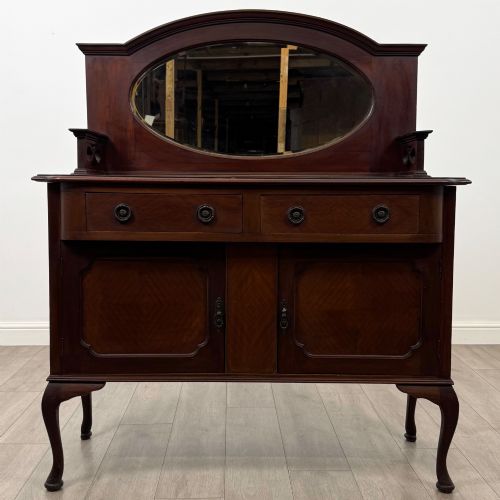
When you search for an edwardian mahogany credenza, you encounter large storage furniture originating primarily from the Edwardian period and the early twentieth century. These pieces encompass sideboards, side cabinets, and display cabinets that served dining rooms and reception spaces.
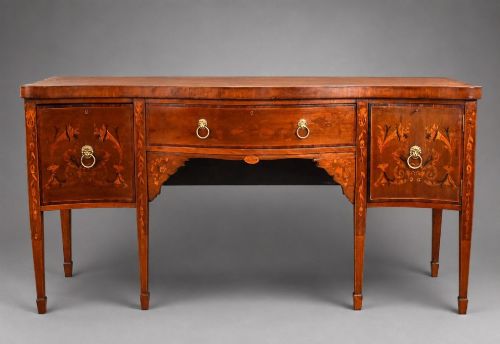
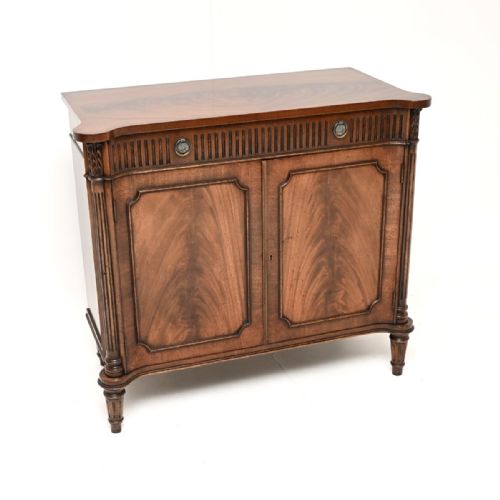
The selection frequently includes Sheraton Revival and Adam Revival interpretations alongside standard Edwardian forms, utilising earlier eighteenth-century design vocabulary. Bowfront, serpentine, and breakfront shapes appear regularly across the inventory.
While the phrase specifies a credenza, the material evidence records closely related sideboards, servers, and side cabinets functioning in similar domestic capacities. These items reflect the era's preference for formal entertaining and organised dining.
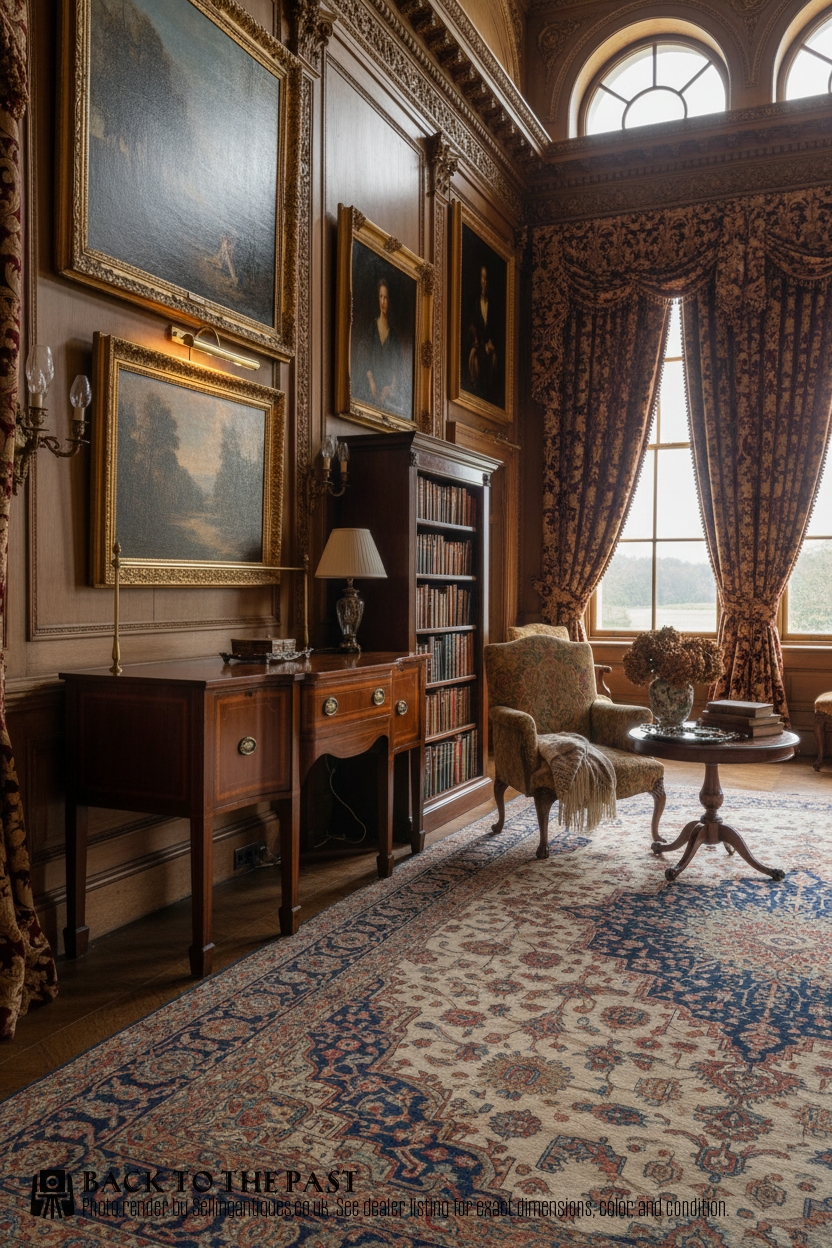
Materials and Construction
Makers utilised solid and veneered mahogany as the primary structural timber, often selecting flame mahogany or curl-mahogany for visible door panels and drawer fronts. Satinwood, boxwood, and marquetry inlay provide contrasting decorative borders and neoclassical motifs.
Secondary structural elements incorporate brass hardware, glass panels for display doors, and integrated mirror-backs on larger sideboard variants. Crossbanding and satinwood inlay define the surface decoration characteristic of the revival styles.
Edwardian Mahogany Credenza Retail Price Guide 2026
Typical asking prices for edwardian mahogany credenza among the pieces listed under this phrase on Sellingantiques today, from the lower quarter to the upper quarter. They describe what is for sale here now, not the wider market.
Makers hid cutlery drawers behind grand facade doors, keeping silver neatly tucked away from sticky fingers.
Craftsmanship and Proportion
The calibre of a piece rests upon timber selection, evident in the choice of figured flame mahogany and the precision of satinwood and boxwood inlay work. Balanced proportions and crisp carving set superior examples apart from plainer utility storage.
Hardware retention and the integration of secondary woods inside drawers indicate the standard of original manufacture. Finer pieces demonstrate careful attention to edge banding and structural joinery that maintains rigidity across wide curved fronts.
Whytock & Reid·Hewetsons London·M D Miller & Sons·Maple & Co
The Edwardian Mahogany Credenza Glossary
- Credenza
- A sideboard or cabinet used for storing and displaying dining ware. It typically sits low against a dining room wall.
- Satinwood
- A lustrous tropical hardwood utilised for contrasting inlay work and banding. Its yellow-gold colour highlights darker mahogany surfaces.
- Marquetry
- Decorative veneer patterns assembled from various woods to form pictorial or geometric designs. It appears on cabinet doors and drawer fronts.
- Serpentine
- A furniture front shaped in a continuous curve with a convex centre flanked by concave ends. This contour requires skilled carpentry.
- Breakfront
- A large cabinet or sideboard whose central section projects forward from the flanking outer cupboards. This layout creates visual depth.
Edwardian Mahogany Credenza: Frequently Asked Questions
What is an edwardian mahogany credenza?
An edwardian mahogany credenza is a large storage and display piece designed for the dining room, constructed from mahogany during the early twentieth century.
These items often incorporate revival styling, satinwood inlay, and brass hardware to suit formal Edwardian interiors.
How do I identify revival styles?
Revival pieces borrow decorative motifs from earlier periods, such as Sheraton or Adam designs, applied to Edwardian forms.
Look for symmetrical satinwood inlay, urn motifs, and tapered legs that imitate eighteenth-century aesthetics.
Where were these pieces used?
They functioned primarily in dining rooms and grand hallways to store silver, linen, and china.
Their upper surfaces also served as a server during meals or a display area for decorative objects.
How do I care for mahogany?
Protect the timber by keeping the piece away from direct sunlight and sudden temperature shifts.
Dust regularly with a dry cloth and occasionally apply appropriate furniture wax to preserve the polish.