
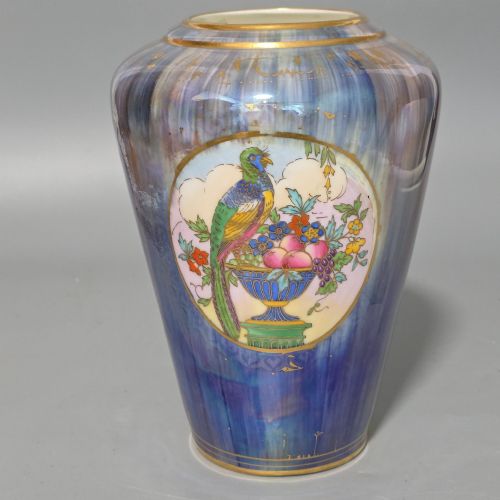


Edwardian Lustre Porcelain
Edwardian lustre porcelain brings together iridescent metallic glazes and delicate ceramic forms that catch the light from every angle.
Edwardian Lustre Porcelain
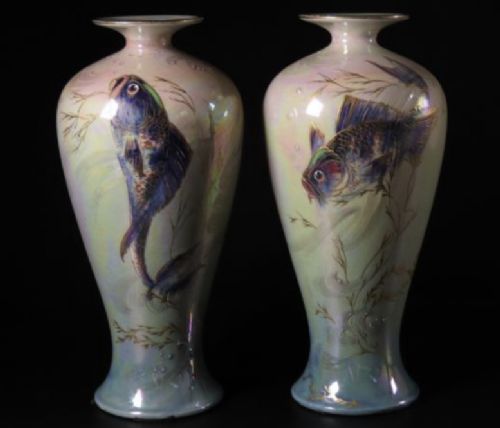
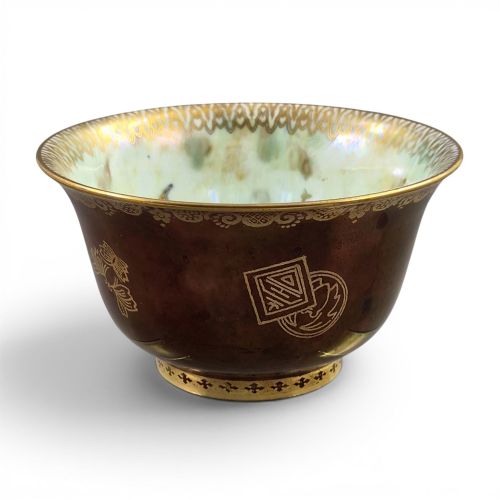
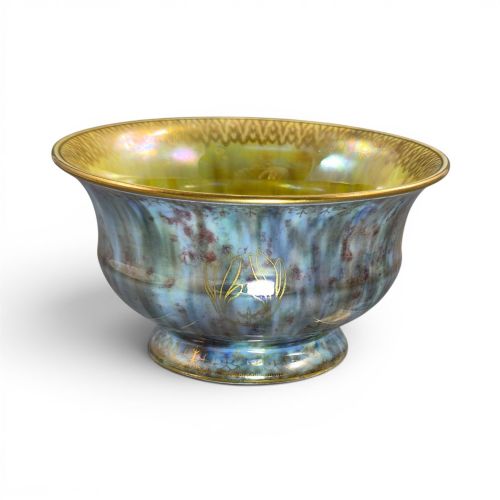
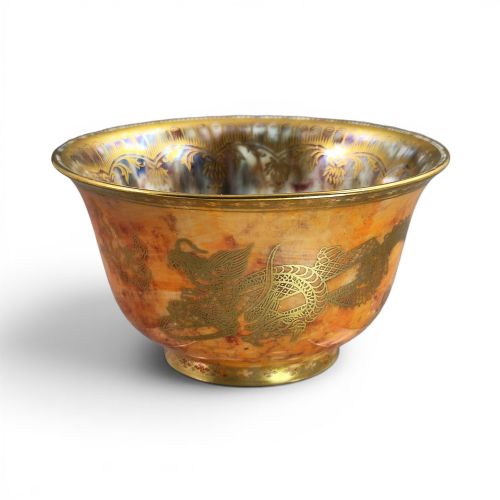
Edwardian lustre porcelain encompasses decorative bowls, vases, miniature cups, and jug and bowl sets originating from the early twentieth century. When searching for Edwardian lustre porcelain, collectors frequently encounter intricate vessels decorated with motifs such as dragons, butterflies, fish, and celestial designs.
The objects displayed here span the Edwardian period into the 1920s, showcasing styles including Art Nouveau and Art Deco alongside traditional forms. Bowls and vases dominate the selection, often featuring octagonal shapes or mottled orange and ruby colourways.
Materials and Techniques
Potters built these pieces using bone china, ceramic, and standard porcelain as a base body before applying specialist glazes. Lustre glaze and metallic glaze created the signature iridescent sheen upon firing, reacting to heat and chemicals to produce shimmering surfaces.
Makers applied gold leaf and gilt detailing over the fired glaze, often combining hand enamelling with transfer printing to build up complex pictorial scenes. The integration of metallic oxides into the glaze layer yielded the characteristic pearlescent finish seen across the bowls and vases.
Listings feature periods spanning from 1900 to 1920, predominantly showcasing porcelain, bone china, and metallic lustre glaze.
Factors Defining Quality
The complexity and crispness of the painted or enamelled design dictate the standing of a piece, particularly where detailed mythological subjects or natural motifs are concerned. Richness in the iridescence of the lustre glaze and the precise application of gold leaf separate standard production items from masterworks.
Overall condition and the preservation of the delicate gilt work heavily influence the merit of each vessel. Pieces that retain vibrant colouration in their mottled or patterned glazes without surface dulling represent the finest examples of the craft.
Walter Slater·Wedgwood·James Hodgkiss·Shelley·Minton
The Edwardian Lustre Porcelain Glossary
- Lustre glaze
- A type of ceramic glaze containing metallic salts that produce an iridescent, pearlescent surface upon firing. This technique reflects light to create a shifting metallic sheen.
- Bone china
- A type of soft-paste porcelain incorporating bone ash, known for its high strength, chip resistance, and translucent quality. It serves as a smooth white canvas for intricate enamelling.
- Gilt
- A thin layer of gold applied to the surface of the ceramic for decorative embellishment. It highlights rims, handles, and specific pictorial motifs.
- Art Nouveau
- An international style of art and architecture characterised by intricate linear designs and flowing organic motifs inspired by natural forms. It heavily influences the decorative aesthetic of this era.
- Hand enamelling
- The meticulous application of coloured glass pigments onto the fired ceramic surface by hand. Artisans use this technique to build up complex narrative scenes and creatures.
Edwardian Lustre Porcelain: Frequently Asked Questions
What is Edwardian lustre porcelain?
Edwardian lustre porcelain refers to ceramic vessels coated in metallic glazes that create an iridescent, shimmering finish. These pieces typically date from the early twentieth century and include decorative bowls, vases, and tea wares.
Potters combined traditional ceramic bodies with advanced glazing techniques to produce surfaces that reflect light in shifting colours. The resulting objects range from simple mottled finishes to highly intricate pictorial designs.
How were lustre pieces decorated?
Decorating these ceramics involved applying metallic oxides and glazes that reacted during the kiln firing process to create a pearlescent sheen. Artisans frequently added hand-painted enamels and gold leaf over the glaze to depict fantastical creatures, dragons, and natural scenes.
The application required immense skill to ensure the metallic lustre set evenly across complex shapes like octagonal bowls and bud vases. Guilds and factories employed specialist designers to map out the elaborate repeating patterns and central motifs.
How do I care for antique lustre porcelain?
These delicate ceramics require gentle handling and should be washed by hand in warm water using mild soap when necessary. Avoid abrasive sponges or harsh chemical cleaners that can wear away the thin metallic lustre and gilt detailing.
Keep pieces away from direct, prolonged sunlight to prevent any fading of the hand-enamelled colours. Displaying them on stable surfaces away from heavy vibrations ensures the older porcelain bodies remain safe from accidental knocks.
How do I identify the period?
Dating these items involves examining the base marks, the style of the lustre glaze, and the overarching artistic movement visible in the design. Pieces from this era often incorporate Art Nouveau curves or early Art Deco geometry alongside Edwardian floral and mythical motifs.
Factory stamps and registration numbers stamped into the ceramic base provide the most reliable clues for narrowing down the exact year of production. Comparing the specific dragon or butterfly patterns against known factory pattern books also helps pinpoint the manufacturing decade.