

Antique Decorative Fruit Bowl
When you search for an antique decorative fruit bowl, you are looking at centrepieces that brought colour and texture to dining tables across the nineteenth and early twentieth centuries.
Antique Decorative Fruit Bowl
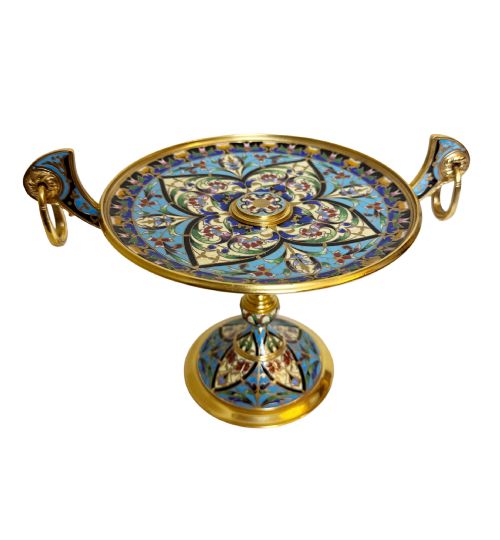
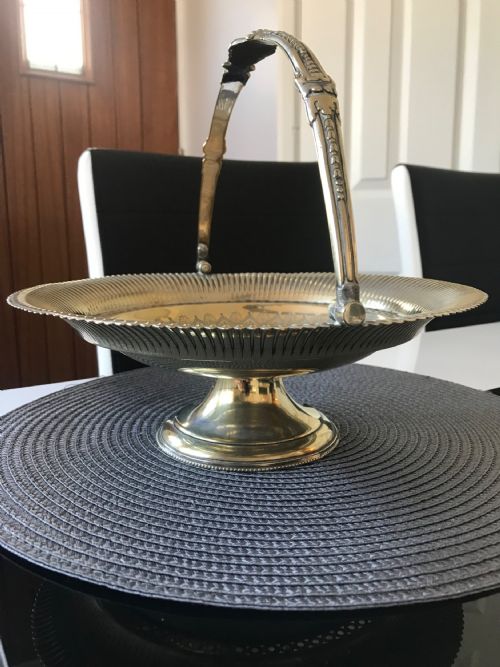
An antique decorative fruit bowl takes many forms across the inventory, appearing as footed tazzas, pedestal bowls, and open dishes designed to hold fruit or stand alone as a table centrepiece. You will frequently encounter nineteenth-century pieces alongside Edwardian and Art Deco examples in ceramic, glass, and metal.
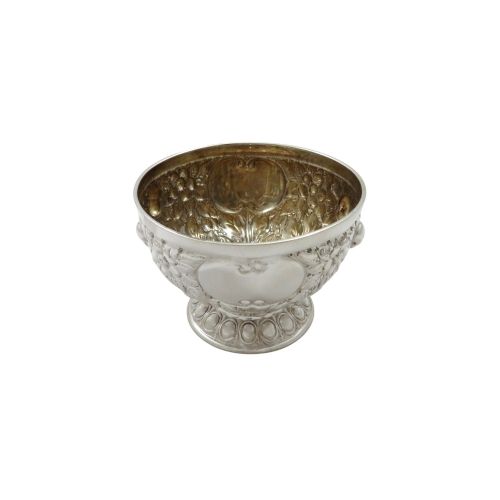
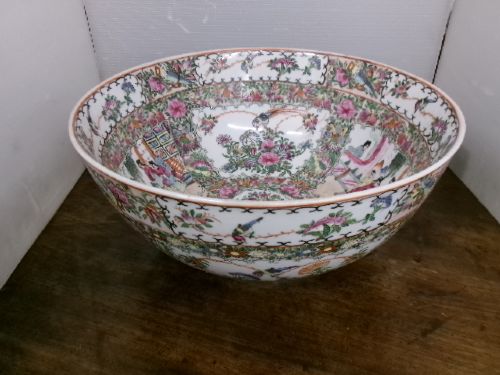
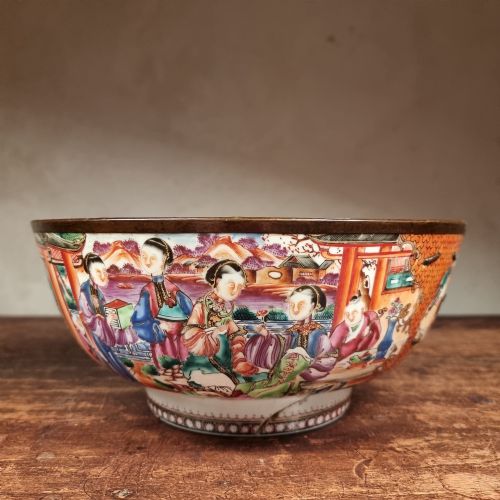
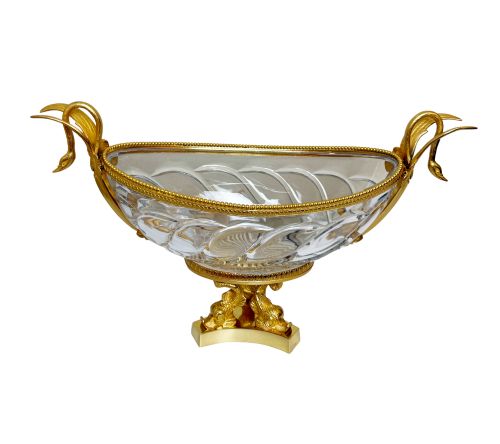
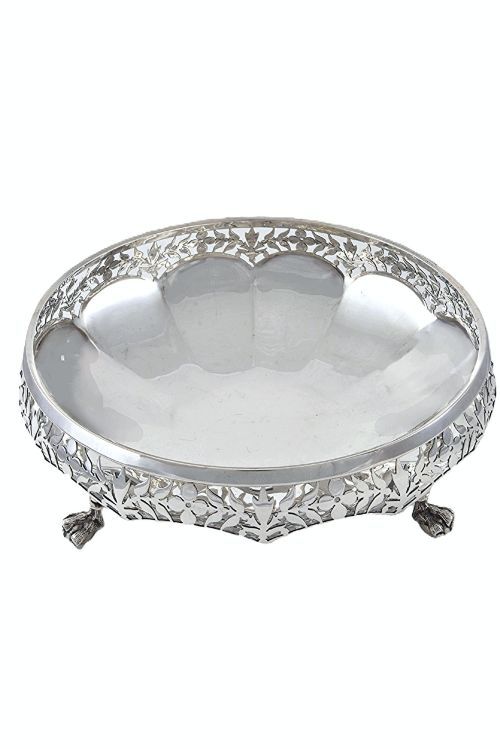
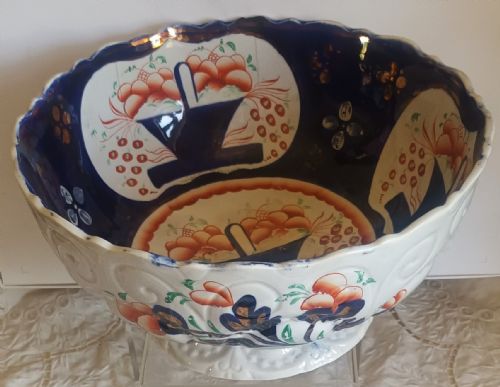
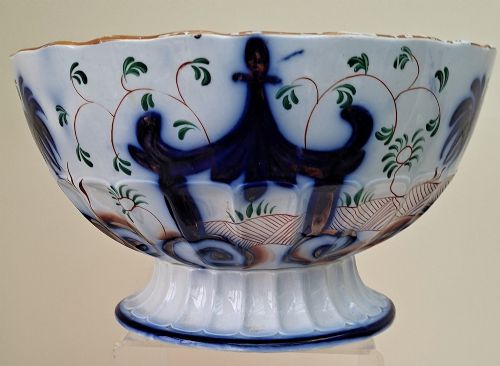
The selection ranges from large Chinese Canton and Japanese Imari porcelain bowls to English earthenware, sterling silver, and French ormolu-mounted glass vessels. These objects served both a practical purpose for dining and a decorative function in drawing rooms and parlours.
How they were made
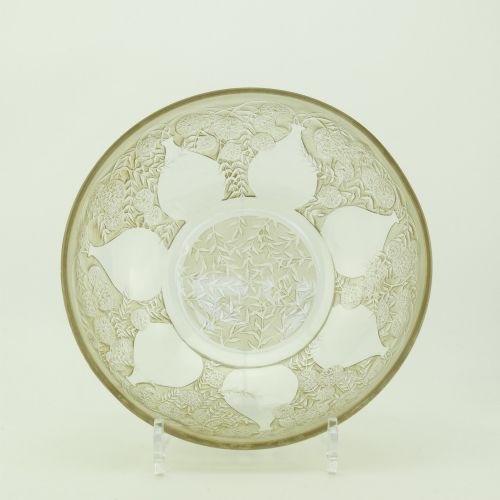
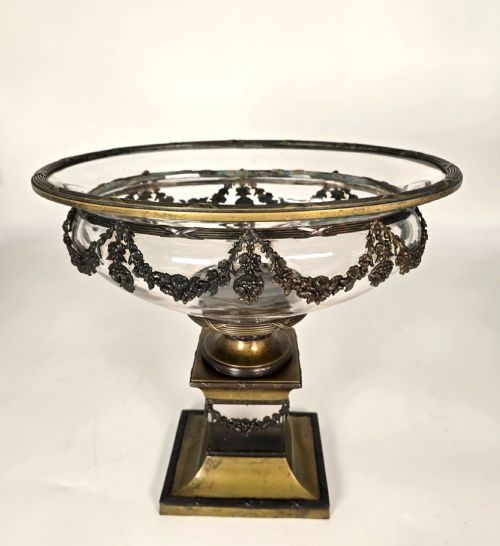
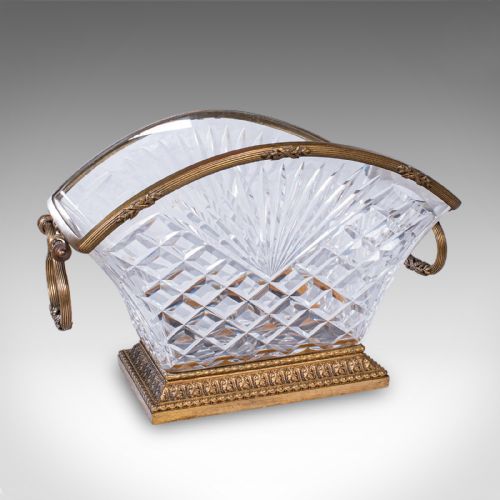
Makers combined contrasting materials, mounting hand-blown crystal and opalescent glass in frames of gilt bronze, ormolu, and cast brass. Ceramic examples display hand-painted enamel decoration, transfer printing, and lustrous glazes fired in kilns.
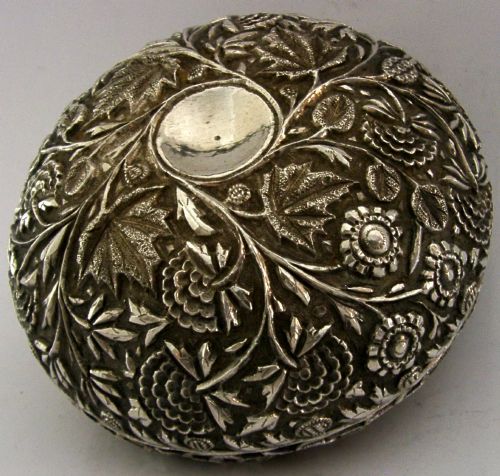
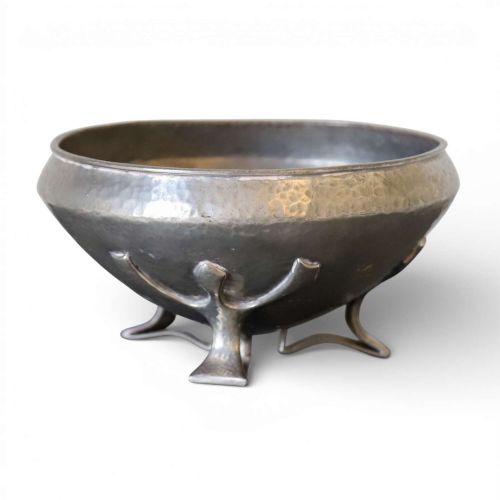
Metal vessels often utilised repoussé techniques, hammering designs into solid silver, pewter, or copper from the reverse, while wooden items received intricate carved ornamentation like fruiting vine motifs.
Bronze winged cherubs and carved wooden fruiting vines ensure these fruit bowls brought plenty of character to the Victorian dining table.
What varies in quality
The distinction between standard domestic items and exceptional pieces rests on the crispness of the casting in metal mounts and the hand-painted detail on porcelain. Heavier gauges of silver, substantial bronze bases, and deeply cut crystal distinguish the finest examples.
Attribution to known designers and potteries elevates a piece, as seen in signed Japanese ceramics or factory-marked European glass and pewter.
Rene Lalique·Liberty and Co·Oliver Baker·Charles Boyton·Kozan·Daisy Makeig Jones·Wedgwood·Joseph Simon·Val St Lambert·David Dewsberry·Doulton Burslem·Royal Doulton
The Antique Decorative Fruit Bowl Glossary
- Tazza
- A shallow bowl or dish mounted on a stem and foot, traditionally used for serving fruit or sweetmeats.
- Ormolu
- Gilt bronze, where a finely ground high-carat gold mercury amalgam is applied to a bronze base and heated.
- Repoussé
- A metalworking technique where the artisan hammers the metal from the reverse side to form a raised design in relief.
- Imari
- A style of Japanese porcelain decorated in underglaze blue and overglaze iron red, gold, and green.
- Comport
- A standing dish or bowl used for fruit or desserts at the centre of a dining table.
Antique Decorative Fruit Bowl: Frequently Asked Questions
What is an antique tazza used for?
A tazza served as a raised display vessel for fruit, nuts, or confectionery during formal dining. Placed in the centre of the table, its elevated form added height and visual interest to the table setting.
Over time, these footed dishes transitioned from dining tables to sideboards and mantelpieces as purely decorative objects meant to showcase fine glass, silver, or porcelain.
How do I identify Japanese Imari bowls?
Japanese Imari pieces are recognisable by their distinct palette of deep underglaze cobalt blue combined with iron red, accented with gilding. The patterns frequently feature floral and panel designs applied to porcelain.
These bowls date largely from the Meiji period and later, reflecting traditional export wares made for Western markets.
What is ormolu?
Ormolu refers to gilded bronze mounts used extensively on nineteenth-century decorative pieces, particularly French centrepieces and glass bowls. The technique involved applying a gold amalgam to cast bronze before heating it to bond the metals.
This process created a durable, rich golden surface that complemented crystal glass and patinated bronze figures.
How do I care for an antique glass bowl?
Antique glass requires gentle cleaning with lukewarm water and a mild detergent, avoiding harsh abrasives or sudden temperature changes. If the glass is mounted in bronze or silver, keep moisture away from the metal joins to preserve the material.
Display these bowls away from direct sunlight to prevent any coloured or opalescent glass from fading over time.