

Edwardian Jewellery Pin
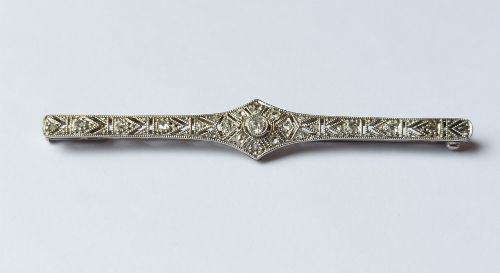
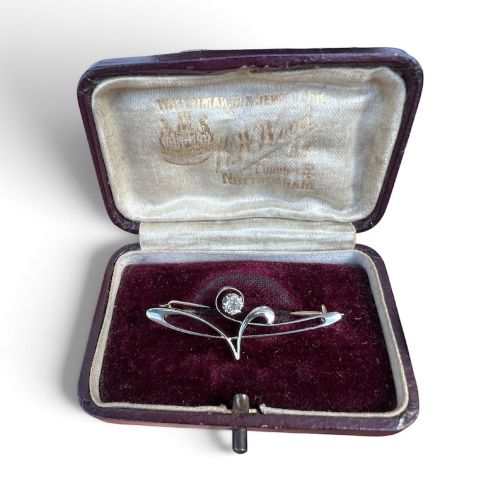
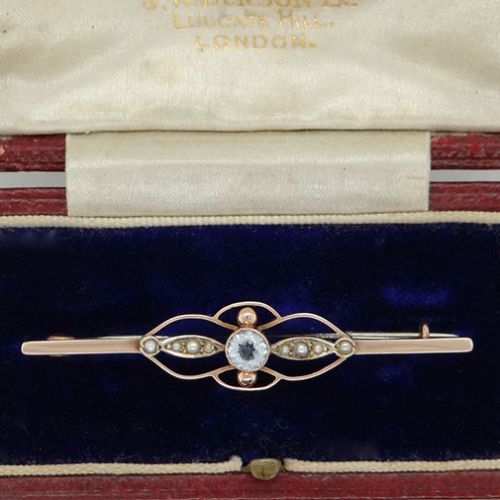
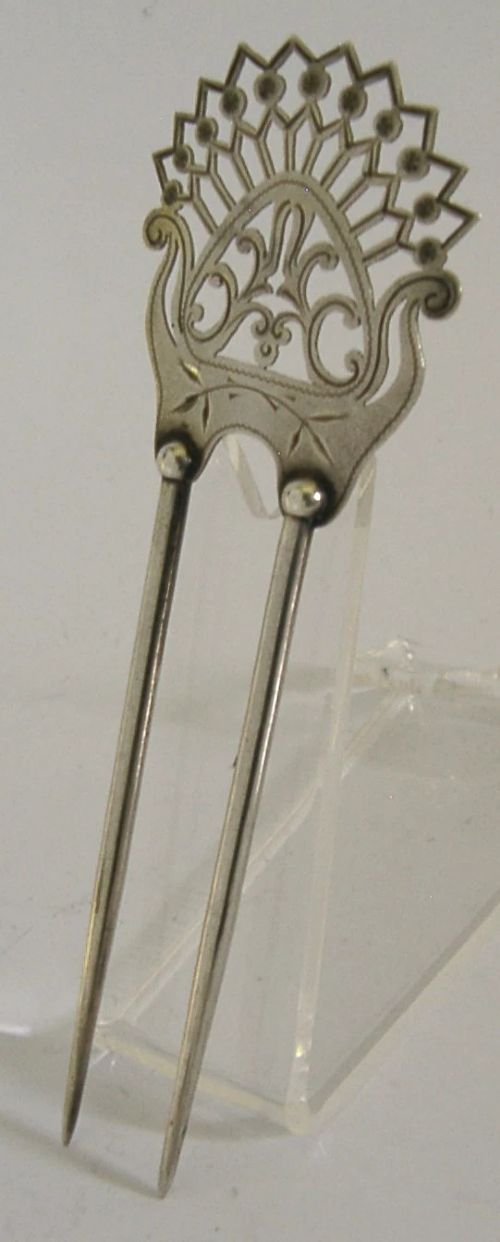
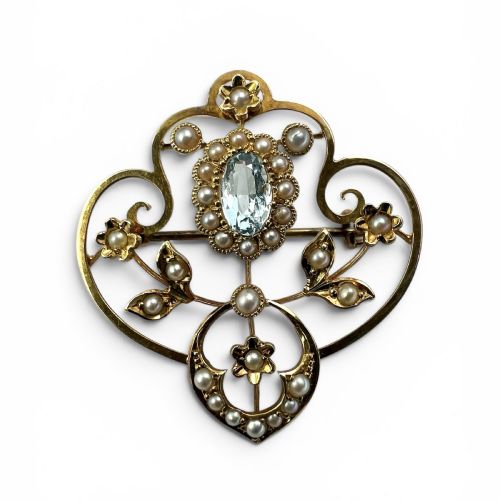
When you search for edwardian jewellery pin, you find delicate brooches, hat pins, and hair accessories set with pearls, diamonds, and coloured stones.
Edwardian Jewellery Pin
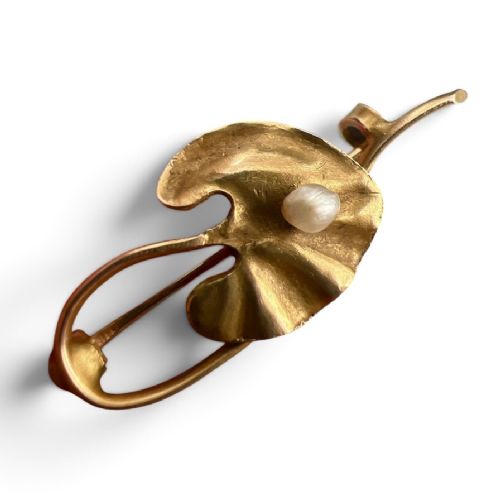
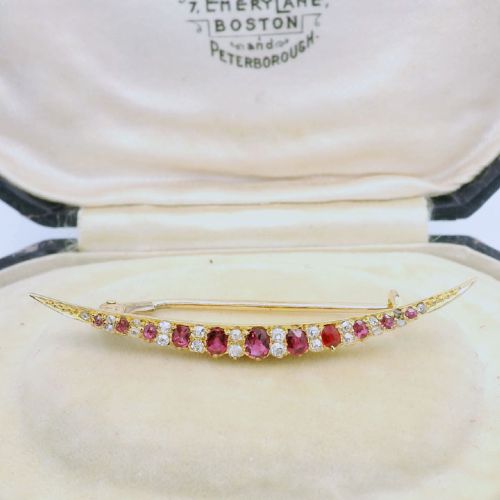
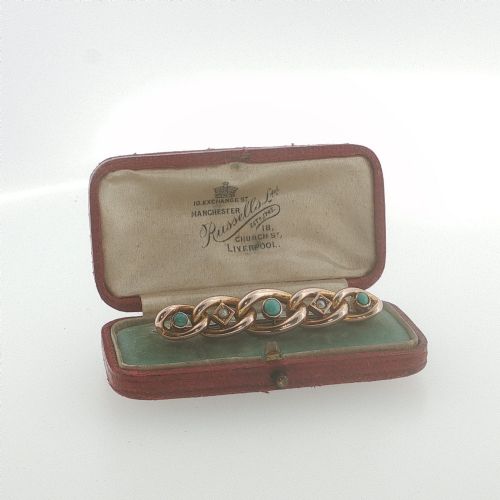
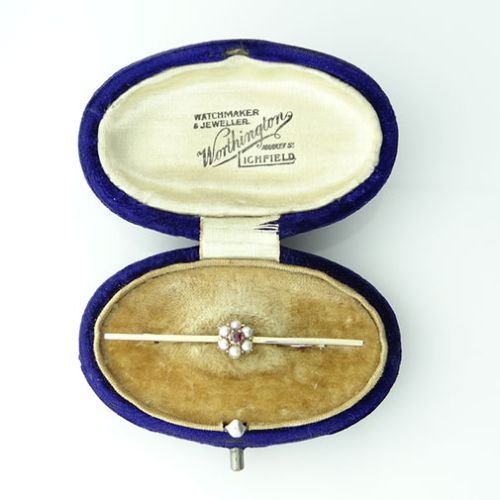
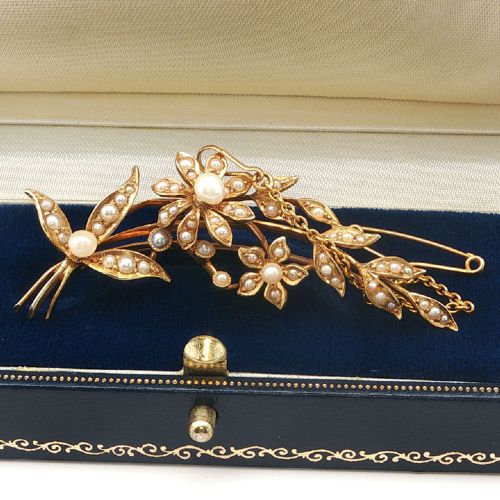
An edwardian jewellery pin encompasses a variety of fastening ornaments, predominantly featuring brooches alongside hat pins, hair accessories, and stick pins. The selections span the Edwardian era, Victorian period, and Art Nouveau styles, capturing an aesthetic of lightness and floral grace.
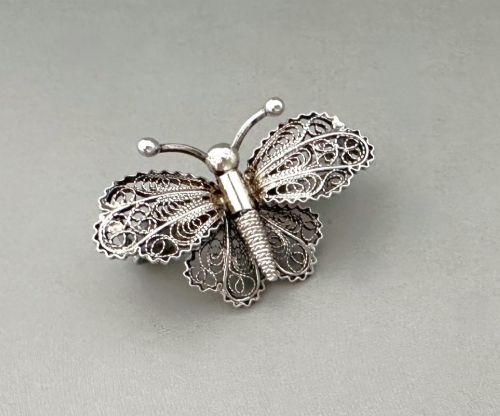
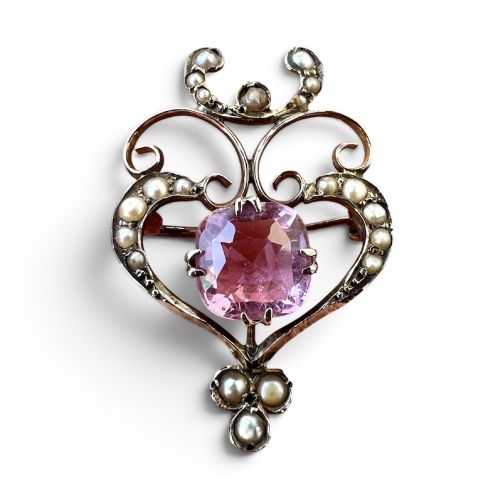
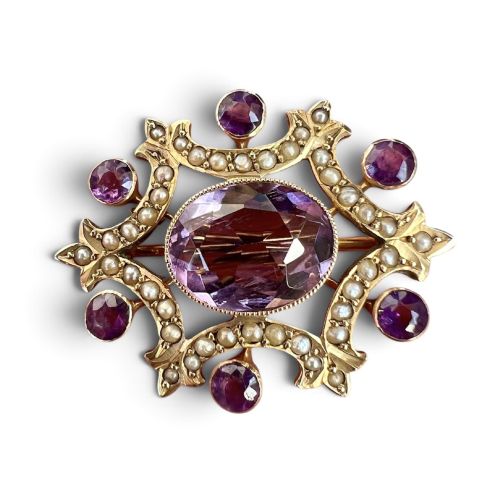
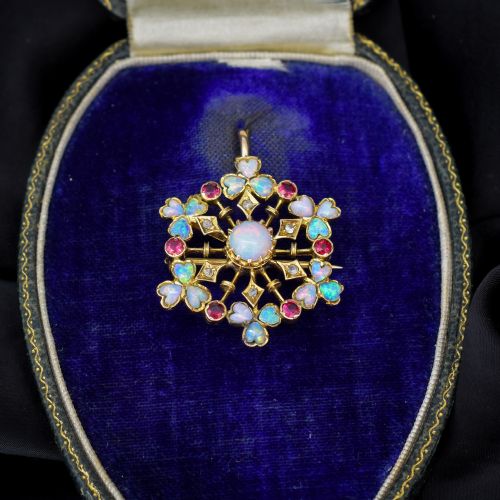
The most common examples on this page are gold and silver brooches set with seed pearls, turquoise, amethyst, and aquamarine. Makers produced these pieces for fastenings and decoration, frequently utilising floral, insect, and geometric motifs.
How they were made
Goldsmiths worked with nine-carat and fifteen-carat gold, silver, and platinum to fabricate light settings that maximise the display of gemstones. Filigree wirework, silver gilt, and pierced metal plates create intricate openwork foundations.
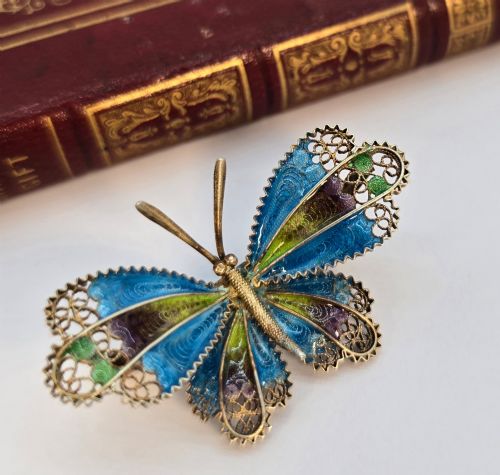
Enamelling techniques, particularly guilloche and coloured enamel flower petals, add vibrant colour to silver and gold bodies. Stones such as seed pearls, turquoise, garnets, and diamonds are bezel set, grain set, or mounted in claw settings.
Listings feature yellow gold, rose gold, white gold, and platinum paired with seed pearls, turquoise, aquamarine, and enamel.
What varies in quality
The distinction between standard examples and finer works lies in the delicacy of the metal fabrication and the matching of stones. Master jewellers achieved precise stone cuts and balanced proportions, especially in complex floral sprays and insect wings.
The integration of enamel work and the crispness of chased or engraved details separate simpler production pieces from superior studio items. Well-preserved original pins retain intact enamel, secure settings, and clean metal finishes without distortion.
Charles Horner·Mappin & Webb Ltd
The Edwardian Jewellery Pin Glossary
- Seed pearl
- A very small, naturally formed or cultured pearl used in clusters or floral arrangements. These tiny pearls define the delicate surface texture of many Edwardian pieces.
- Guilloche enamel
- Decorative enamel applied over engine-turned metal engraving. This technique creates a translucent patterned background beneath coloured glass.
- Stick pin
- A long pin with an ornamental head worn in neckties or lapels. The design ensures the decorative top faces forward during wear.
- Filigree
- Fine wire twisted and soldered into openwork patterns. This delicate metalwork provides a lace-like effect in silver and gold.
- Silver gilt
- Silver covered with a thin layer of gold. This process offers the rich appearance of solid gold while utilising a silver base.
Edwardian Jewellery Pin: Frequently Asked Questions
How do I wear an edwardian jewellery pin?
These pins attach securely to lapels, scarves, hats, and heavy fabrics using traditional pin stems and safety catches. Placing them on thicker weaves provides the necessary support for heavier gold and gemstone settings.
For hat pins and hair accessories, slide the long shaft firmly through the fabric or hair coils to anchor the decorative head in place without bending the metal stem.
What periods do these pins cover?
The inventory spans the late nineteenth century through the Edwardian years and into the Art Deco and Art Nouveau movements. Most pieces originate from the Edwardian and Victorian eras.
Stylistic shifts move from ornate Victorian revival motifs towards the flowing botanical lines of Art Nouveau and the geometric symmetry of the 1920s and 1930s.
How are seed pearls secured?
Seed pearls are typically threaded on fine wire or glued into shallow cups with retaining pegs. This traditional method keeps the tiny spheres aligned in floral clusters and crescent shapes.
Proper care prevents moisture exposure, which weakens the adhesive or silk threads holding each pearl in its delicate setting.