


Edwardian Inlaid Display Cabinet
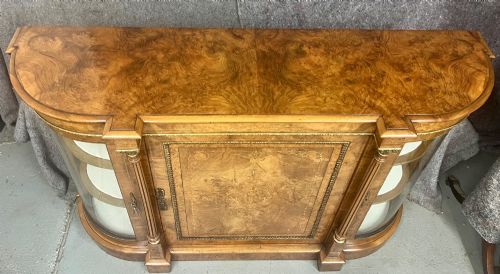
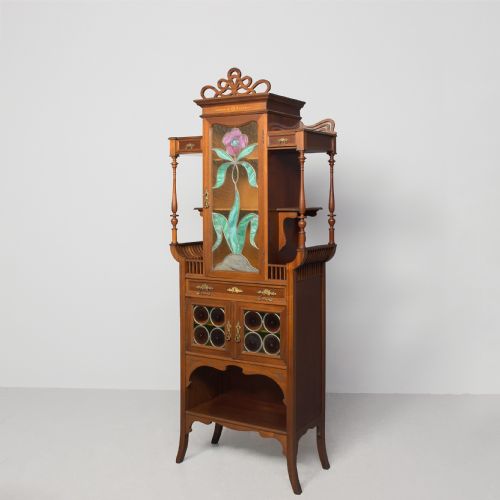
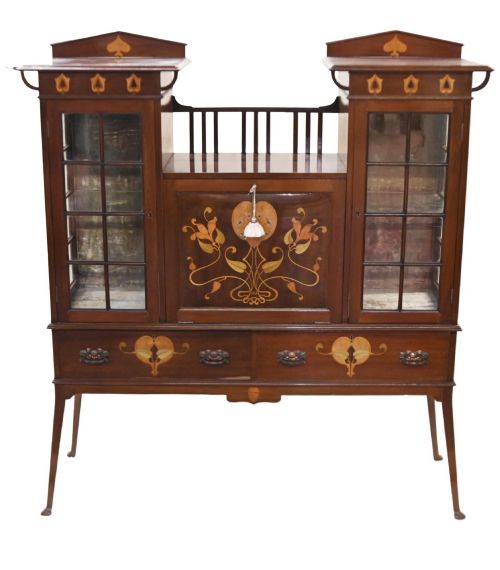
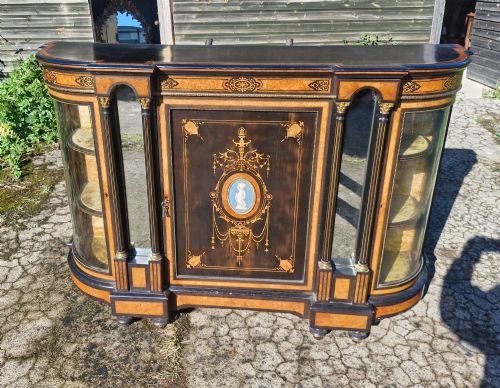
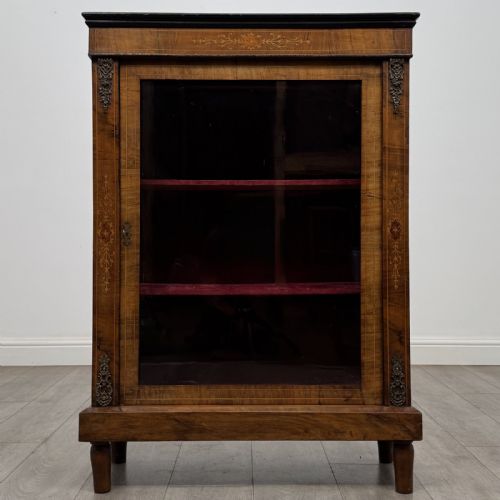
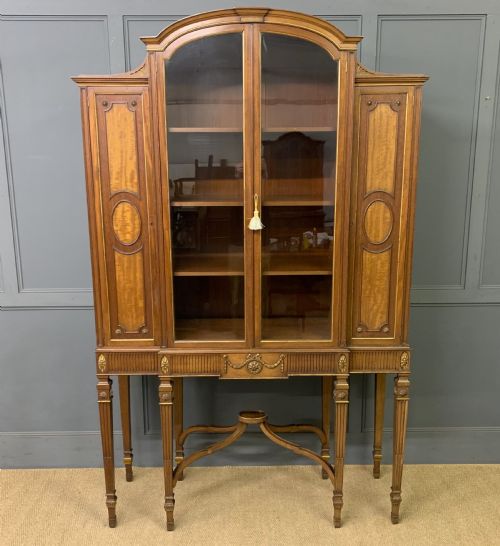
An edwardian inlaid display cabinet brings lightness to a room, framing porcelain and silver behind glazed doors with delicate wood marquetry.
Edwardian Inlaid Display Cabinet
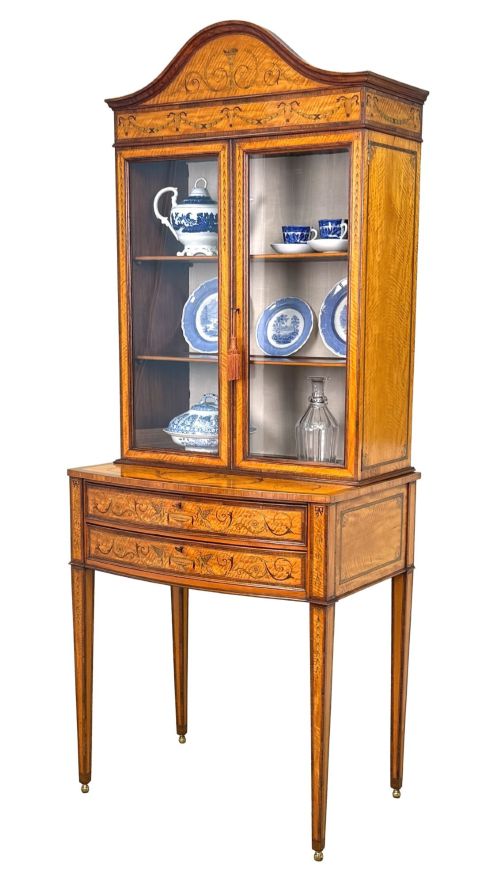
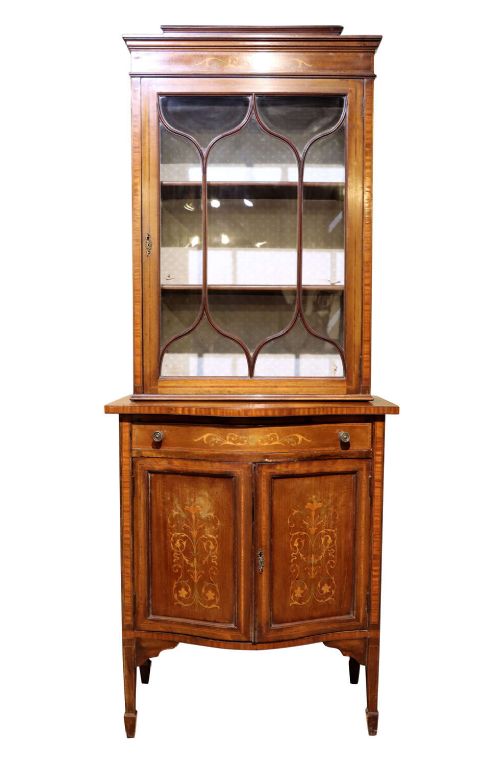
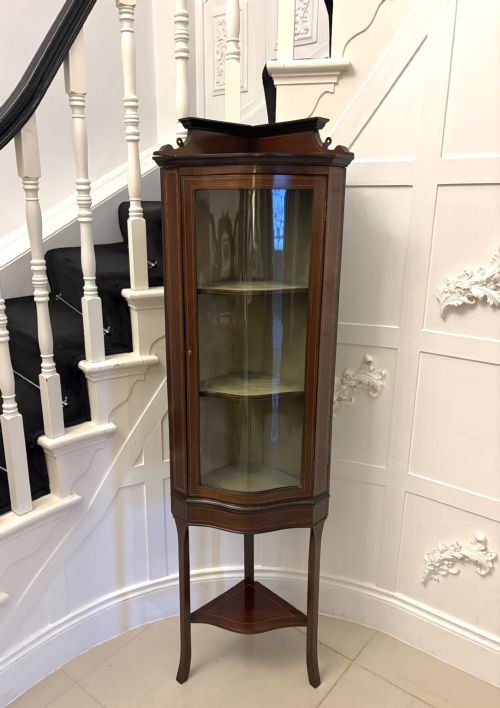
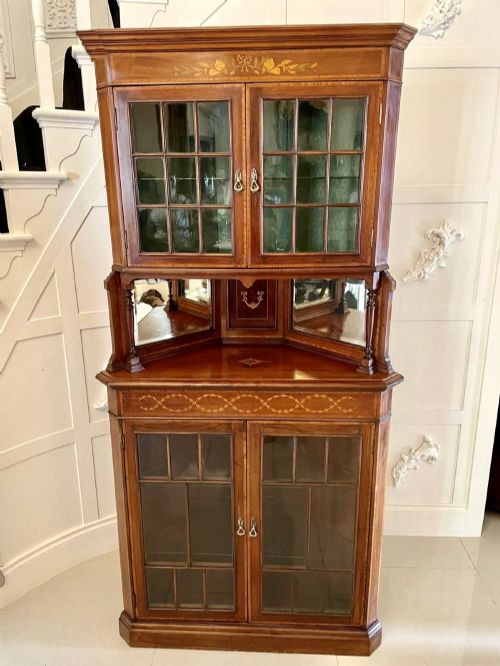
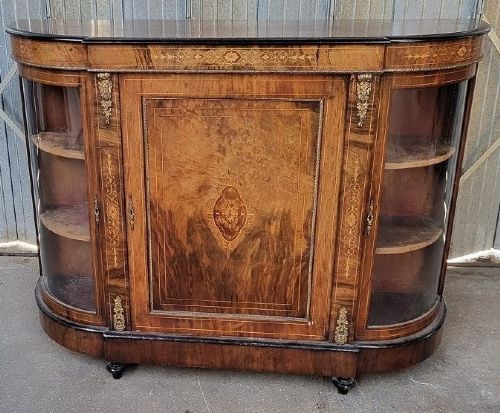
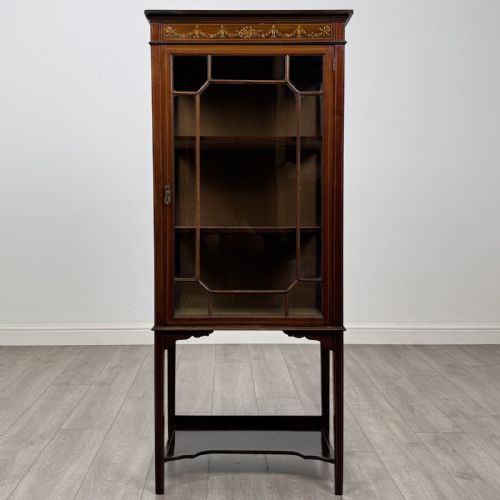
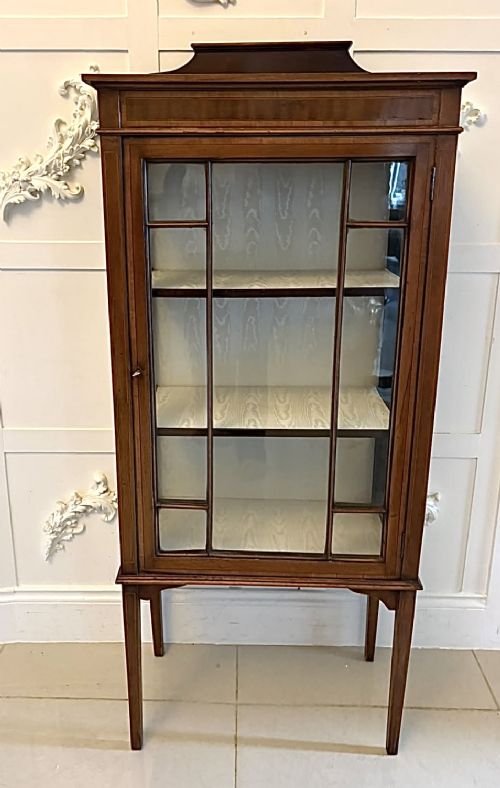
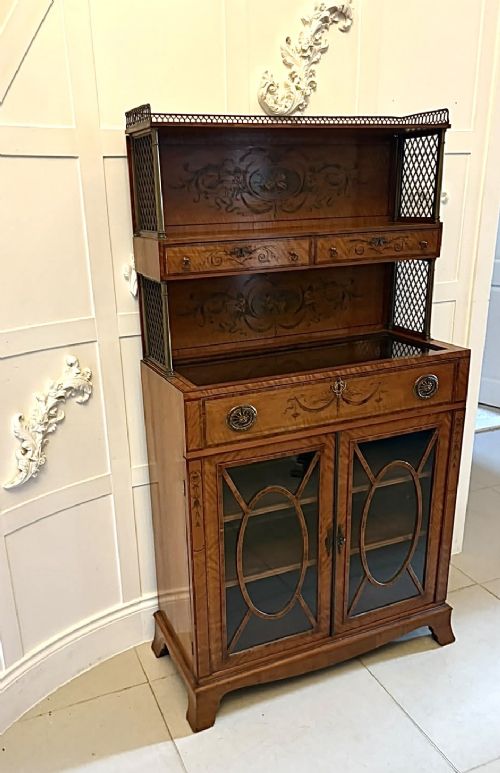
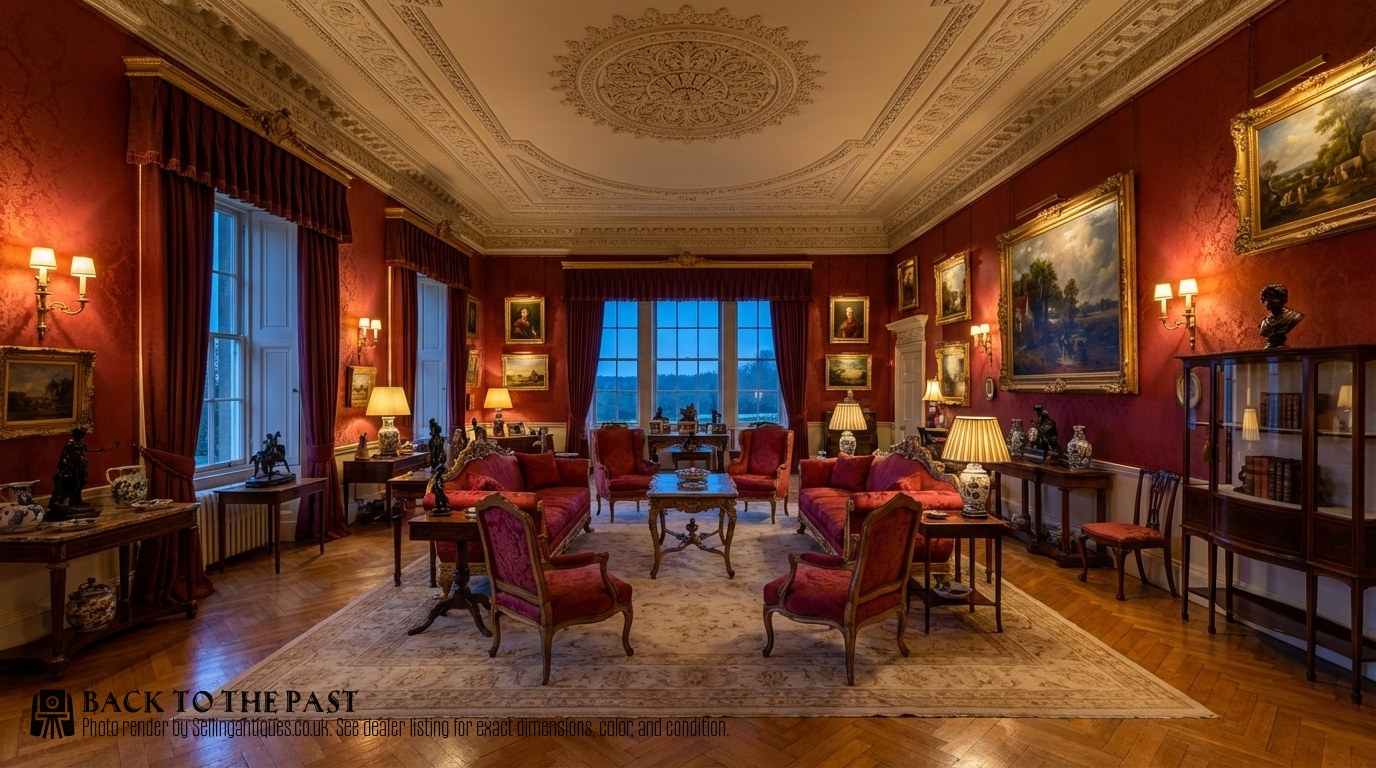
When searching for an edwardian inlaid display cabinet, buyers encounter elegant glazed furniture primarily originating from the Edwardian era and the late nineteenth century. These pieces take various forms, from bow-fronted and shaped floor models to corner cupboards and two-part bookcase combinations designed to showcase precious objects.
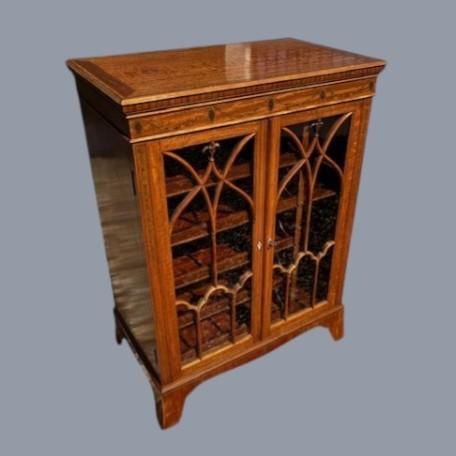
The aesthetic leans heavily on Sheraton Revival influences, bringing restrained classical motifs and balanced proportions into early twentieth-century domestic interiors. While many examples stand on slender legs or pedestal bases, variations include mirror-backed compartments and narrow pier cabinets tailored for smaller spaces.
Materials and Technique
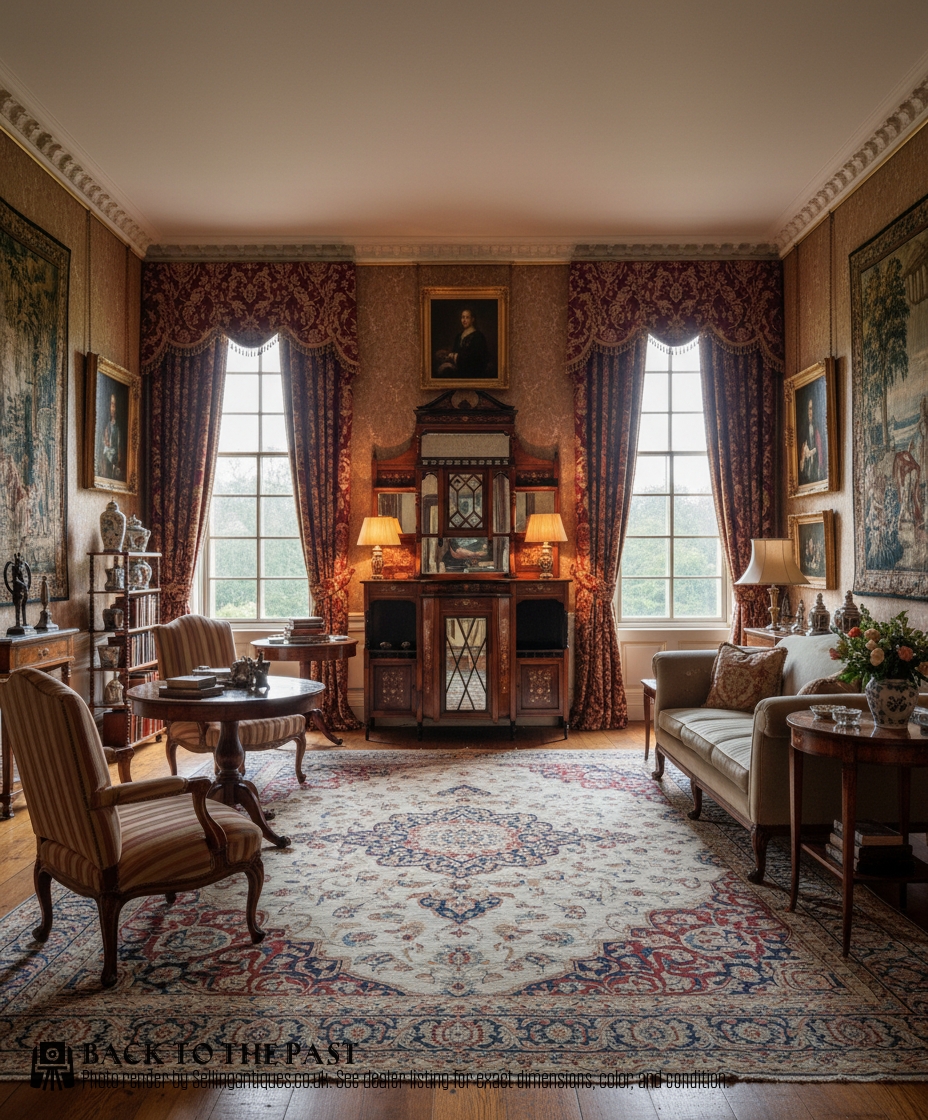
Cabinet makers constructed these pieces predominantly using mahogany frames, often enhanced with contrasting satinwood inlay, marquetry, and delicate wood banding. Glass panels form the main doors and side panels, sometimes supported by mirrored sections and brass fittings.
Surface decoration relies on precise woodworking techniques to insert fine geometric or floral patterns into the primary timber. Structural support beneath smaller tables and cabinets occasionally incorporates brass castors for mobility.
Edwardian Inlaid Display Cabinet Retail Price Guide 2026
Typical asking prices for edwardian inlaid display cabinet among the pieces listed under this phrase on Sellingantiques today, from the lower quarter to the upper quarter. They describe what is for sale here now, not the wider market.
Listings feature mahogany, satinwood, and rosewood cabinets ornamented with intricate wood inlay and glass panels.
Assessing Craftsmanship
The distinction between standard production and superior craftsmanship lies in the crispness of the wood inlay and the choice of timbers. Finer examples display intricate, tightly fitted marquetry and select grains of mahogany or satinwood rather than simple painted lines.
Proportion and execution define the higher tier of these cabinets, where curved glass, serpentine fronts, and balanced brass hardware integrate seamlessly into the overall design.
Edwards and Roberts·Shapland and Petter
The Edwardian Inlaid Display Cabinet Glossary
- Inlay
- A technique where pieces of contrasting wood or other materials are inserted into a recessed surface to form a decorative pattern. This method defines much of the surface ornamentation on Edwardian furniture.
- Marquetry
- Elaborate wood inlay assembled to form pictorial or decorative designs, commonly utilising various tinted veneers. Craftsmen apply this to door panels and friezes.
- Sheraton Revival
- A late nineteenth and early twentieth-century design movement inspired by the neoclassical furniture of Thomas Sheraton. It favours light proportions, tapered legs, and symmetrical stringing.
- Pier Cabinet
- A narrow freestanding cabinet designed to fit against the wall space between windows. These pieces frequently feature glass doors and velvet-lined interior shelves.
Edwardian Inlaid Display Cabinet: Frequently Asked Questions
What is an edwardian inlaid display cabinet used for?
These cabinets were originally designed to protect and exhibit delicate porcelain, glassware, and treasured ornaments behind glass panels. The enclosed shelving kept dust away from fragile collections while allowing natural light to illuminate the interior.
Today, they serve a similar purpose in modern homes, offering a sophisticated way to display curated objects without cluttering living spaces. Their slim proportions make them adaptable for hallways, dining rooms, and drawing rooms alike.
How do I distinguish an Edwardian piece from a Victorian one?
Edwardian furniture generally exhibits a lighter, airier feel with paler timbers and more restrained neoclassical decoration. Victorian pieces often use darker woods like rosewood or burr walnut and tend to have heavier, more robust proportions.
Sheraton Revival influences appear across both late Victorian and Edwardian periods, so examining the secondary woods and construction joints helps clarify the exact date of manufacture.
Are the shelves inside adjustable?
Many period display cabinets feature fixed wooden or glass shelves supported by stationary wooden battens built into the interior frame. Some later or larger variations incorporate simple adjustment notches, but fixed shelving remains standard.
When planning what to exhibit, checking the internal depth and vertical clearance between shelves ensures your specific collection will fit comfortably.
How should I care for the wood and inlay?
Protect the timber and delicate marquetry by placing the cabinet away from direct sunlight and sudden temperature shifts, which can cause wood to warp or veneers to lift. Regular dusting with a soft, dry cloth maintains the polished finish without chemical buildup.
Applying a traditional beeswax sparingly helps nourish antique mahogany and satinwood, preserving the subtle contrast of the inlaid patterns over time.