
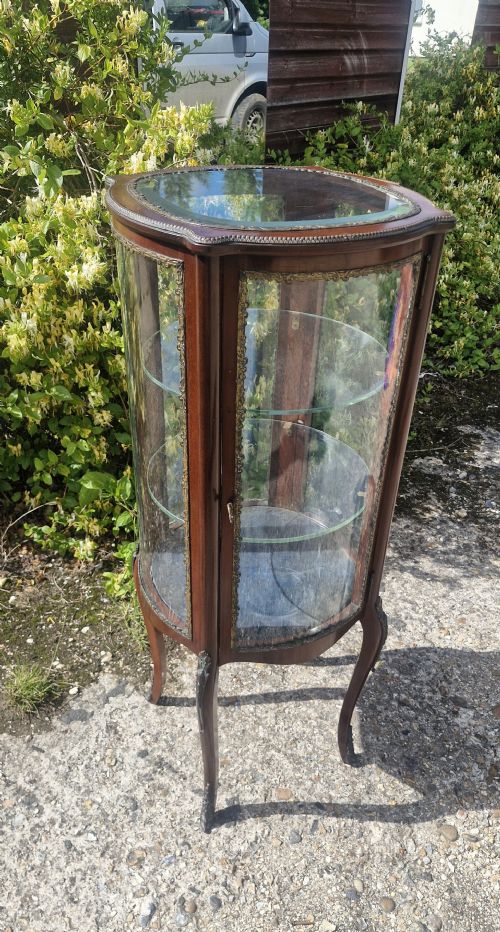
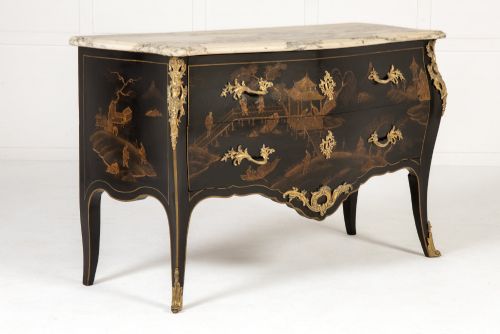
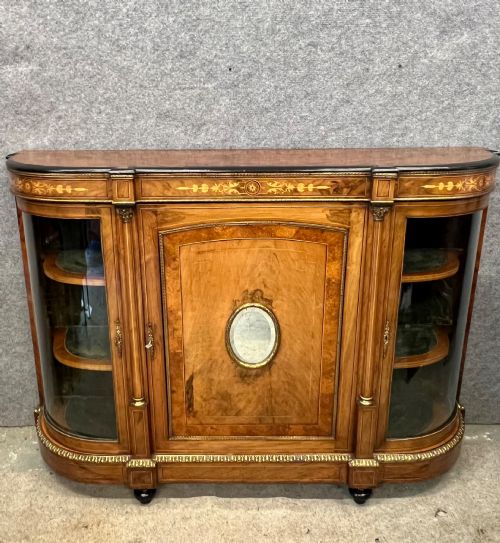
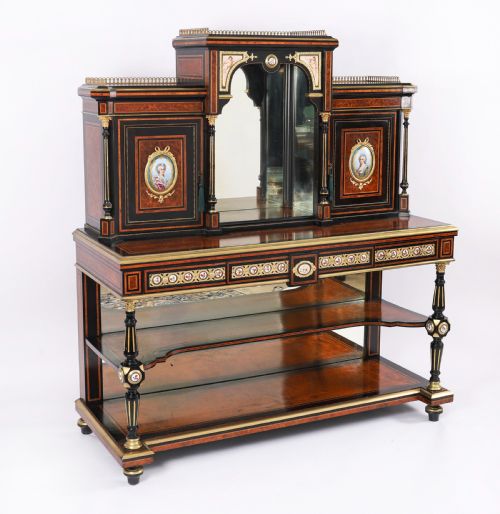
Edwardian French Style Cabinet
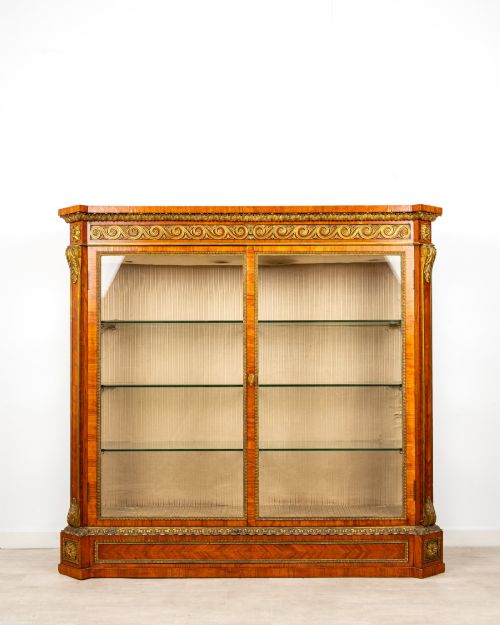
An edwardian french style cabinet brings continental display and storage into a room, offering glazed panels and gilt mounts that catch the eye.
Edwardian French Style Cabinet
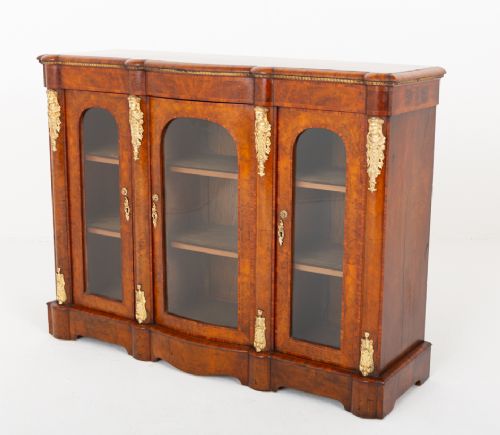
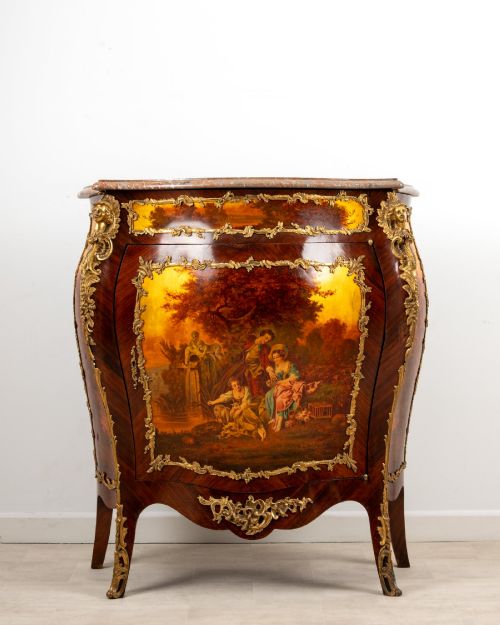
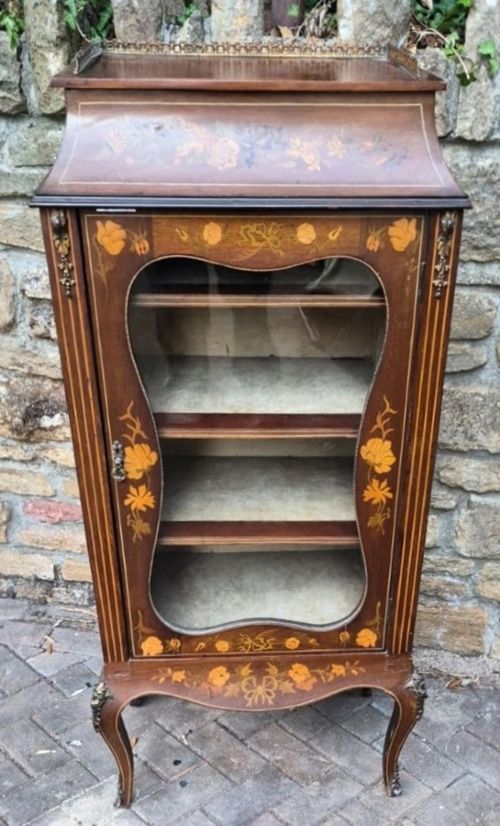
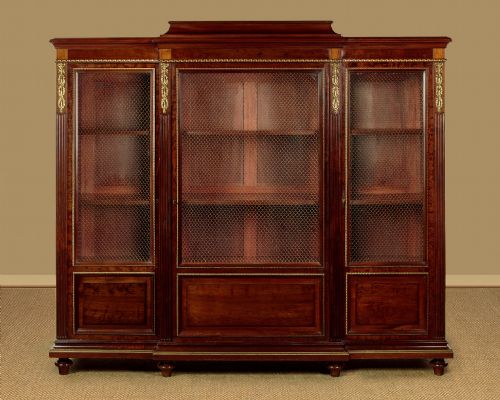
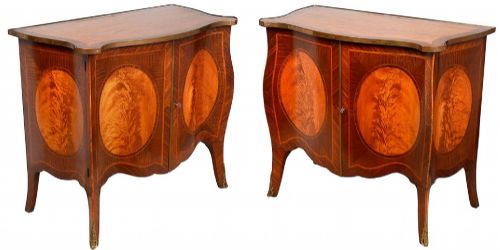
An edwardian french style cabinet encompasses pieces built around the turn of the twentieth century that draw upon Louis XV and Louis XVI revivals, rococo influences, and French chateau aesthetics. These items range from display cabinets and vitrines to side cabinets, credenzas, and serpentine commodes.
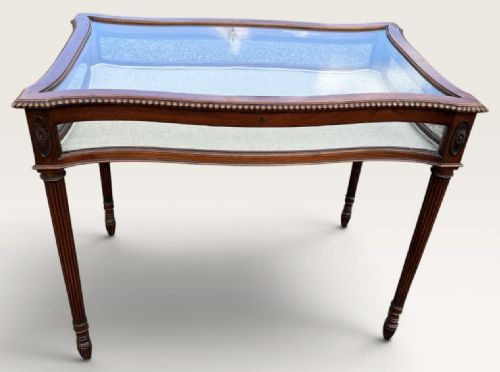
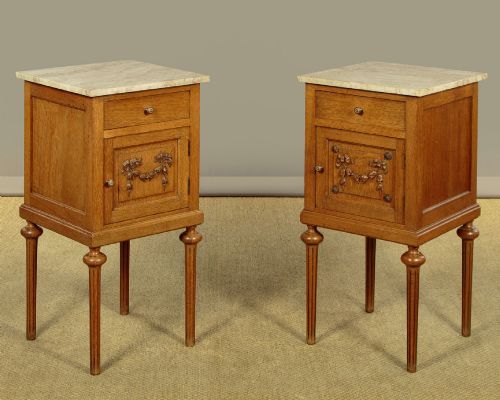
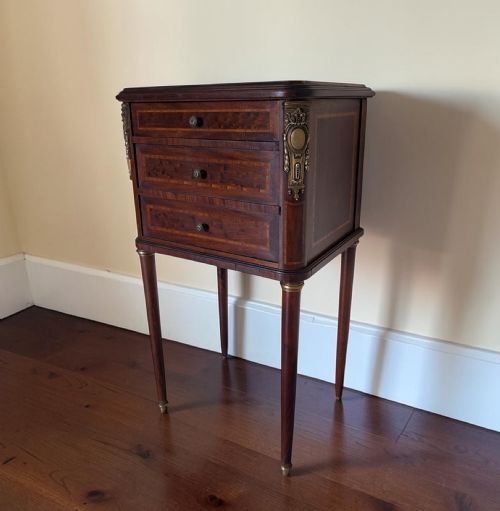
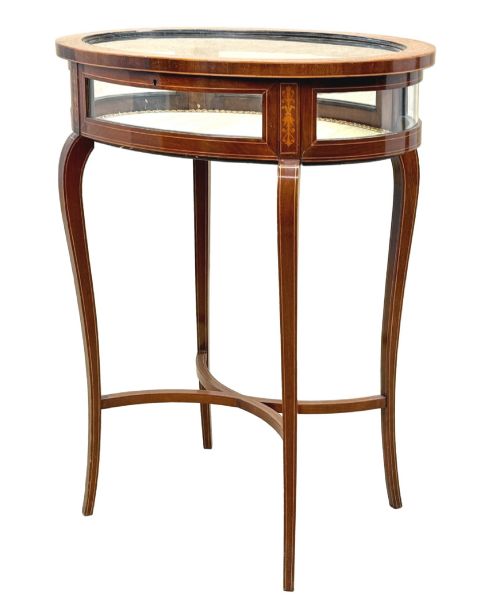
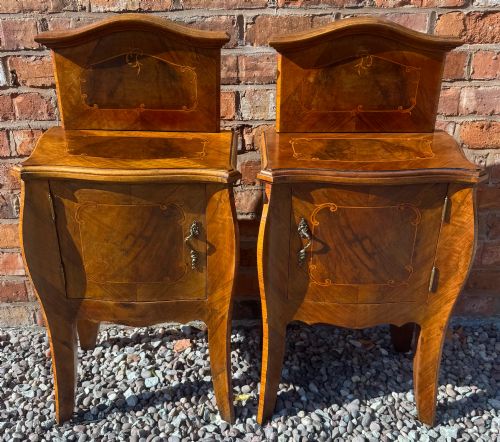
The selection on this page relies heavily on Edwardian and nineteenth-century periods, incorporating formats like bijouterie tables, bedside cabinets, and bonheur du jour writing desks. Buyers encounter pieces finished with marquetry inlay, gilt-bronze mounts, or glass panels designed to showcase collections.
Materials and Construction
Cabinet makers utilised dense hardwoods such as mahogany, walnut, burr walnut, rosewood, and satinwood, often applying intricate marquetry or floral inlay across curved and serpentine surfaces. Frames frequently incorporated satinwood, kingwood, or ebonised timber.
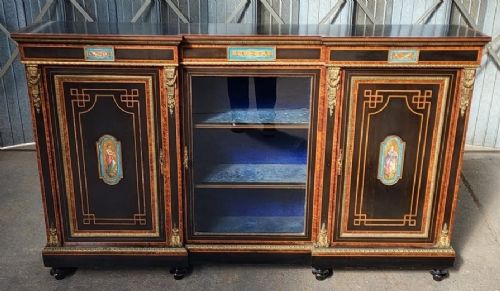
Metalwork played a defining role in construction, with brass, ormolu, and gilt-bronze mounts fixed around glazed doors and marble tops. Vernis Martin lacquer finishes and hand-painted panels appeared on specific bombe and vitrine forms.
Some bijouterie tables were lined with velvet specifically to keep ladies' fans and calling cards from sliding about.
Evaluating Craftsmanship
Quality rests upon the precision of the cabinet maker's joinery, particularly in the alignment of serpentine doors, curved bombe sides, and integrated marquetry patterns. Finer examples display crisp casting in the ormolu and gilt-bronze mounts rather than simplified brass stampings.
The choice of primary timber and veneer selection dictates the depth of the piece, with well-chosen burr walnut, kingwood, and amboyna offering richer grain movement. Original marble tops, intact hand-painted lacquer, and signed maker mounts elevate the standing of a cabinet.
H. J. Hatfield & Sons·Edwards & Roberts
The Edwardian French Style Cabinet Glossary
- Ormolu
- Gilded bronze mounts applied to furniture. This technique provides ornamental detail around the corners, feet, and key escutcheons of cabinets.
- Marquetry
- Inlaid wood veneers arranged in pictorial or geometric patterns. Craftsmen use contrasting timbers to create decorative scenes across door fronts and tops.
- Bombe
- A swollen or bulging outward shape found on commodes and cabinet sides. This curved contour requires skilled carpentry to follow the sweeping profile.
- Bijouterie table
- A glass-topped display table intended for small valuables and trinkets. These tables often feature hinged lids and velvet-lined interiors.
- Credenza
- A low sideboard or cabinet used for display and storage. Nineteenth-century versions frequently incorporate glazed side doors and porcelain plaques.
Edwardian French Style Cabinet: Frequently Asked Questions
How do I style an edwardian french style cabinet?
Position the piece where natural light strikes the glass panels and ormolu mounts to highlight the timber grain and marquetry. These cabinets suit drawing rooms or dining spaces when paired with complementary antique seating.
Keep the surrounding decor restrained to let the curved lines and gilt details remain the focal point of the room.
Were these cabinets used for display or storage?
Many examples combine both functions by featuring enclosed lower cupboards alongside glazed upper sections for displaying porcelain and glass. Vitrines and display cabinets prioritized visibility.
Side cabinets and credenzas offered deeper enclosed space for household items while maintaining a decorative surface top.
How do I care for marble-top cabinets?
Wipe the marble surface regularly with a soft, damp cloth to prevent dust accumulation and staining. Avoid using acidic cleaning agents that can etch the polished stone.
Treat the surrounding mahogany or walnut timber with a quality furniture wax periodically to preserve the finish.
How can I tell a revival piece apart?
Examine the interior construction methods, secondary timbers, and the style of the hardware and locks. Revival pieces from the Edwardian era often blend Louis XVI proportions with early twentieth-century manufacturing techniques.
Check for maker stamps or retail tags located inside drawers or along the back edges of the cabinet.