
Edwardian Dining Server
Edwardian dining servers are substantial period storage pieces designed for the dining room, bringing practical surface space and refined proportions to modern interiors.
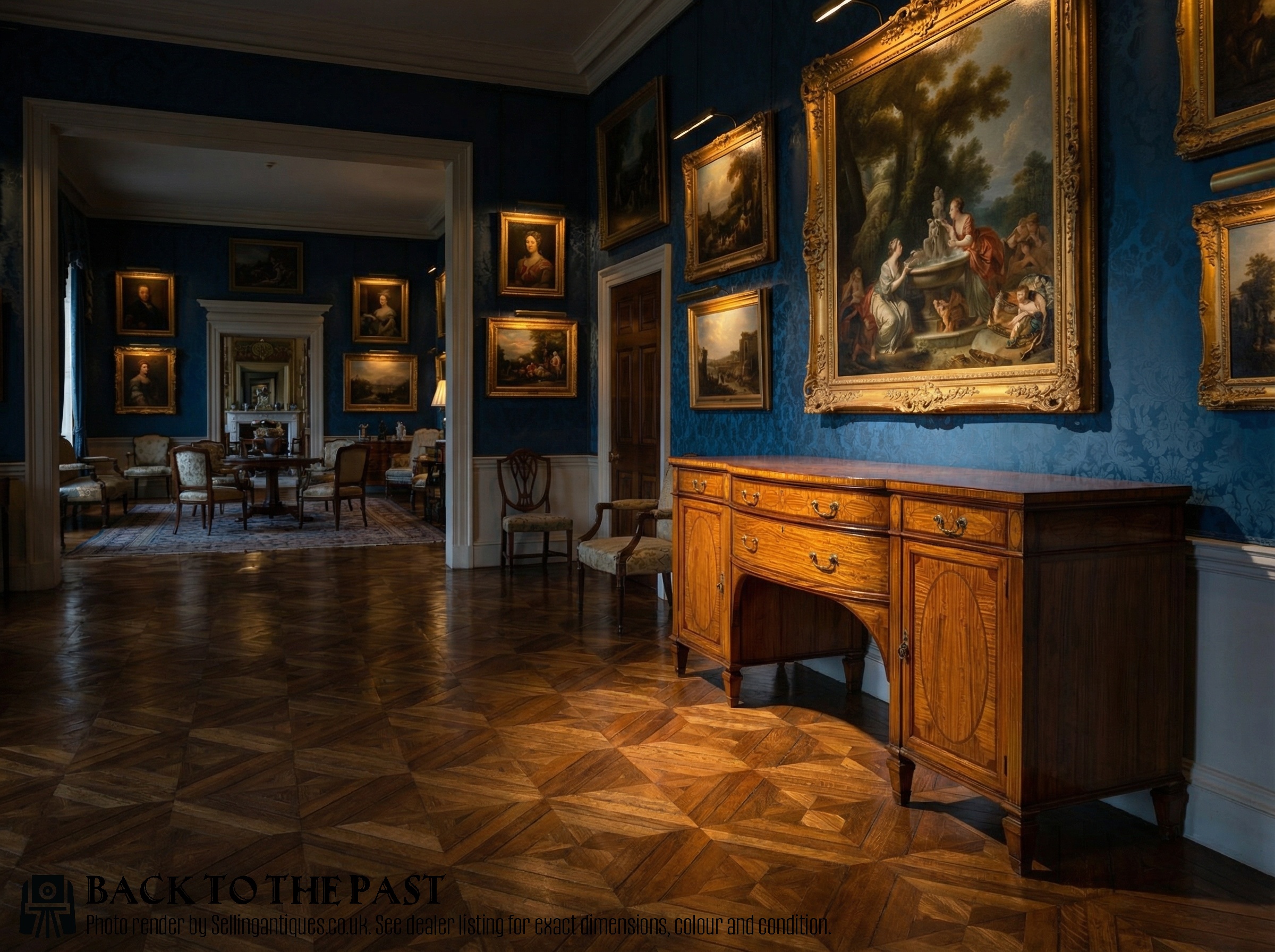
Edwardian Dining Server
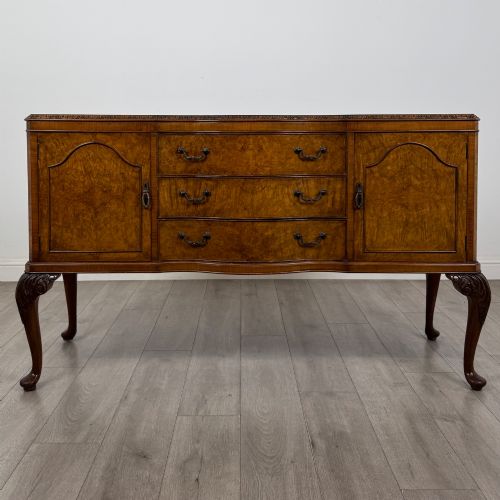
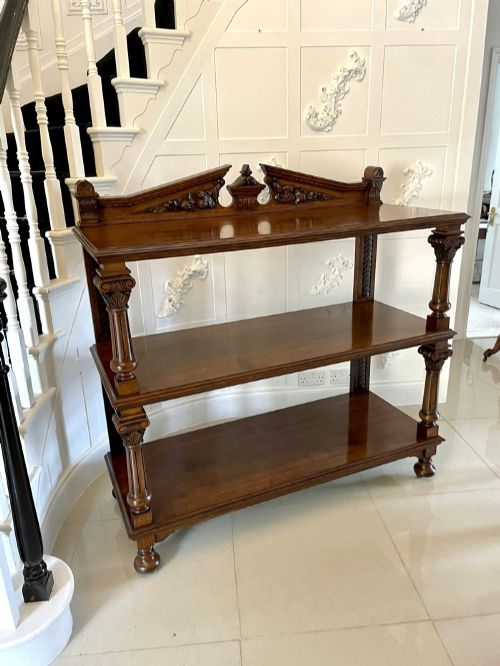
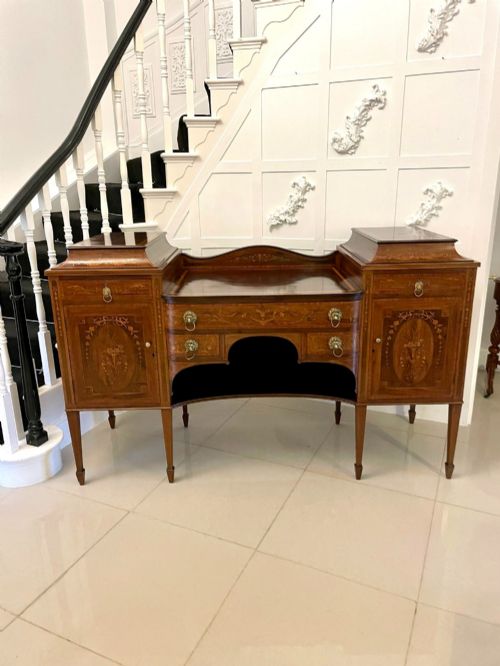
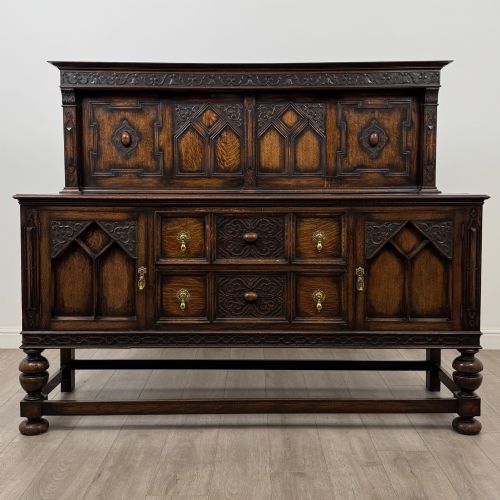
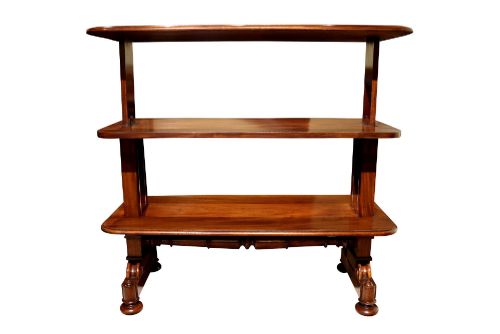
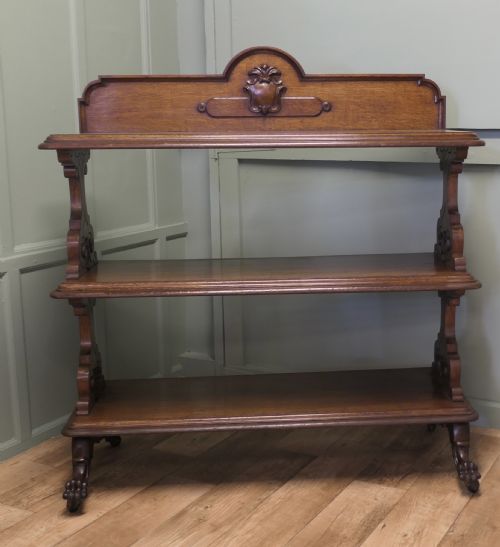
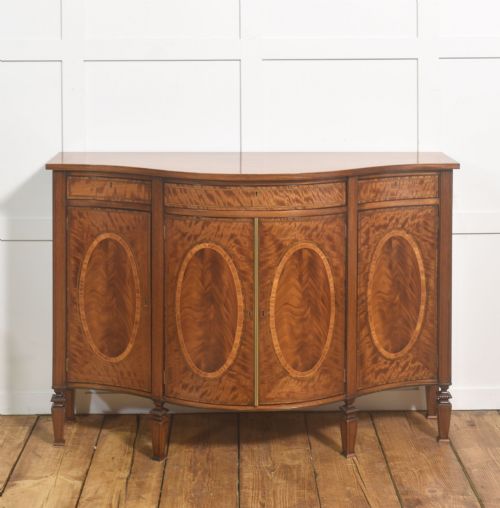
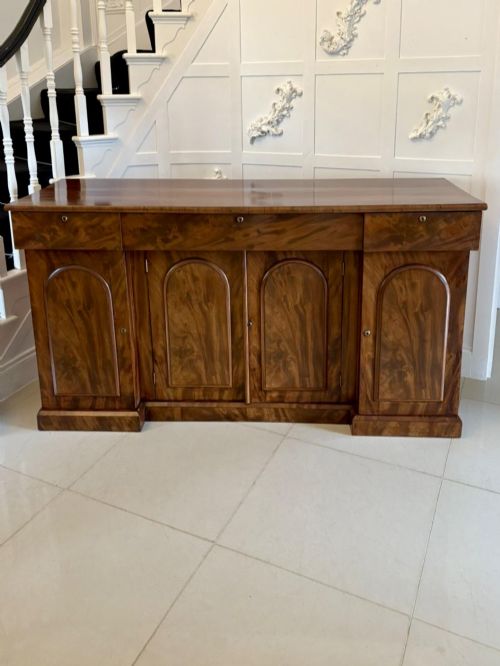
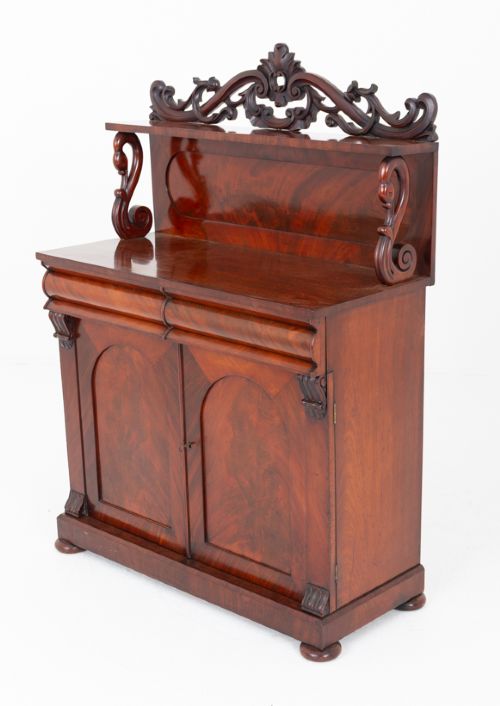
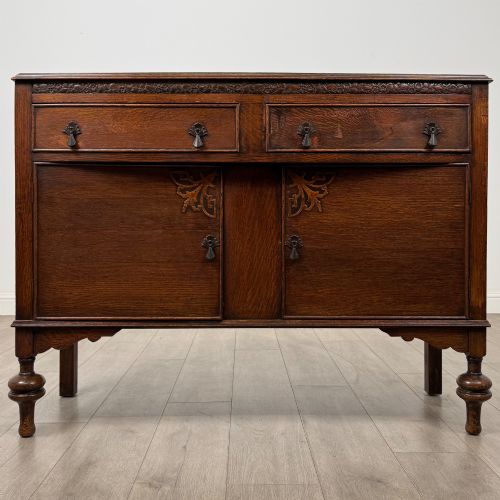
When you search for an edwardian dining server, you encounter a variety of substantial timber sideboards, buffets, and serving cabinets dating from the early twentieth century. These domestic items provided essential storage for dining silver, linen, and glassware while offering a wide surface for food service during formal meals.
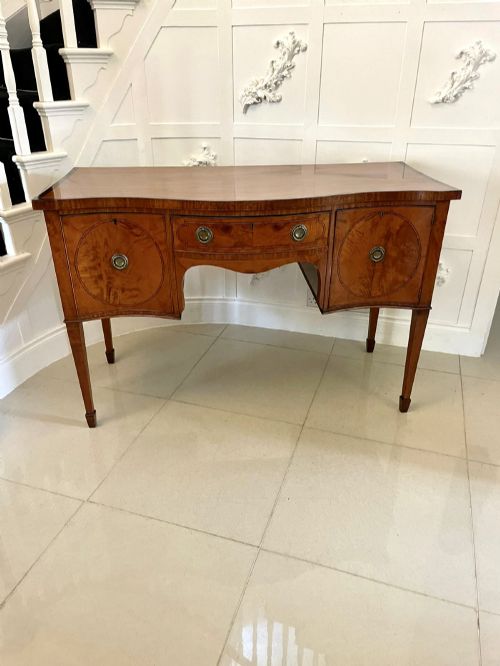
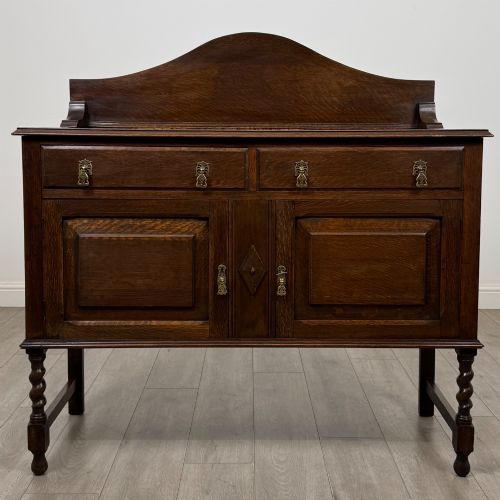
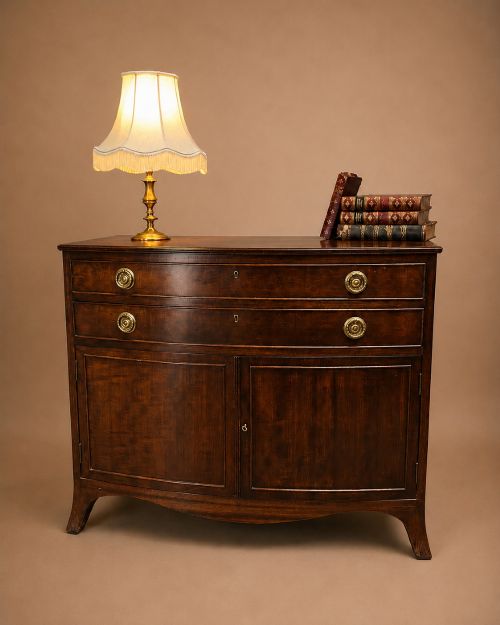
The selections span distinct stylistic revivals, with Edwardian Sheraton Revival satinwood and mahogany pieces sitting alongside solid oak examples influenced by earlier Jacobean and Arts and Crafts traditions. Bow-front and serpentine shapes frequently appear, reflecting the period's preference for graceful curved lines over strict rectilinear geometry.
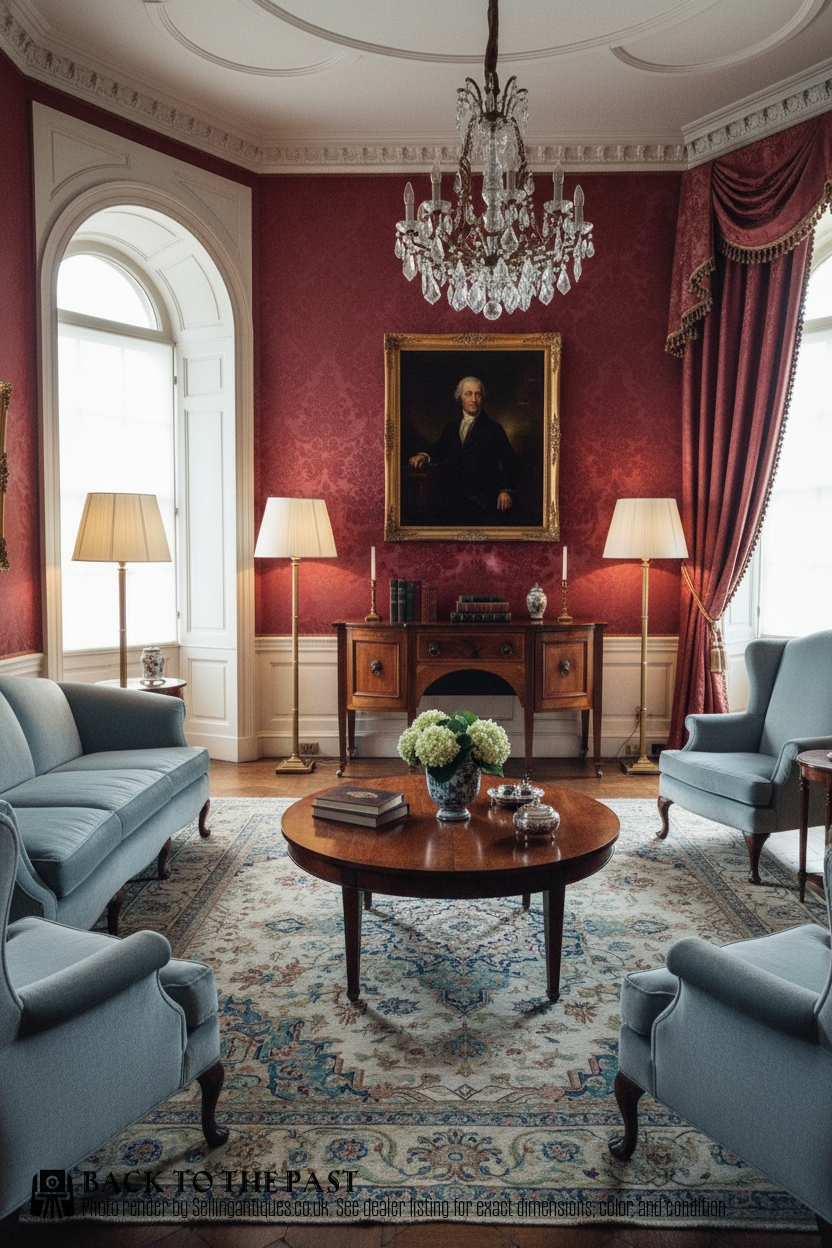
Materials and construction methods
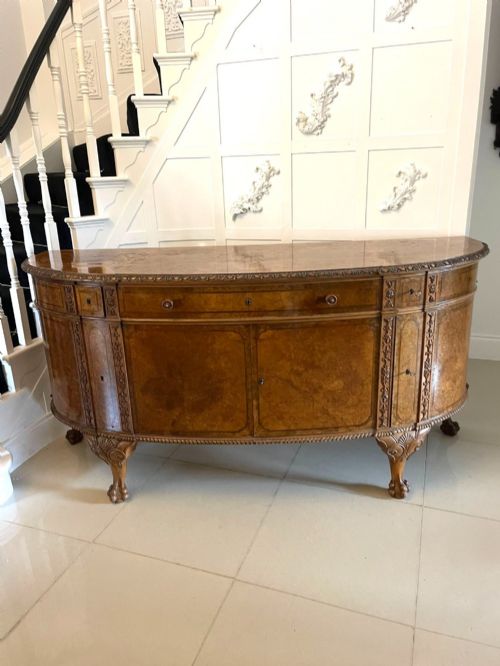
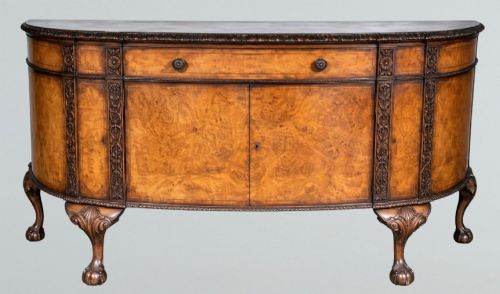
Cabinet makers utilised choice hardwoods, predominantly working with mahogany, oak, and satinwood, often enhanced by contrasting boxwood stringing and elaborate marquetry inlays. Burr walnut and flame mahogany veneers provided striking figured surfaces on drawer fronts and cupboard doors, showcasing the natural grain patterns.
Structural integrity relied on traditional joinery techniques, complemented by decorative carving, barley twist supports, and cast brass hardware. Crossbanding and specialised timber selections defined the visible exterior, while internal shelves and drawers utilised secondary softwoods.
Edwardian Dining Server Retail Price Guide 2026
Typical asking prices for edwardian dining server among the pieces listed under this phrase on Sellingantiques today, from the lower quarter to the upper quarter. They describe what is for sale here now, not the wider market.
Some dining servers hid unexpected twelve-piece cutlery sets within their fitted drawers, ready for sudden afternoon tea emergencies.
Assessing craftsmanship and finish
The standard of an edwardian dining server rests largely on the quality of its timber selection, the crispness of its marquetry inlay, and the precision of its joint construction. Finely figured veneers and delicate crossbanding indicate a higher grade of manufacture than plain, unadorned surfaces.
Attention to detail in the secondary woods, the weight and original state of the brass handles, and the smooth operation of drawers and doors distinguish workshop output. Pieces bearing recorded maker signatures or sophisticated revival detailing generally command greater attention from discerning collectors.
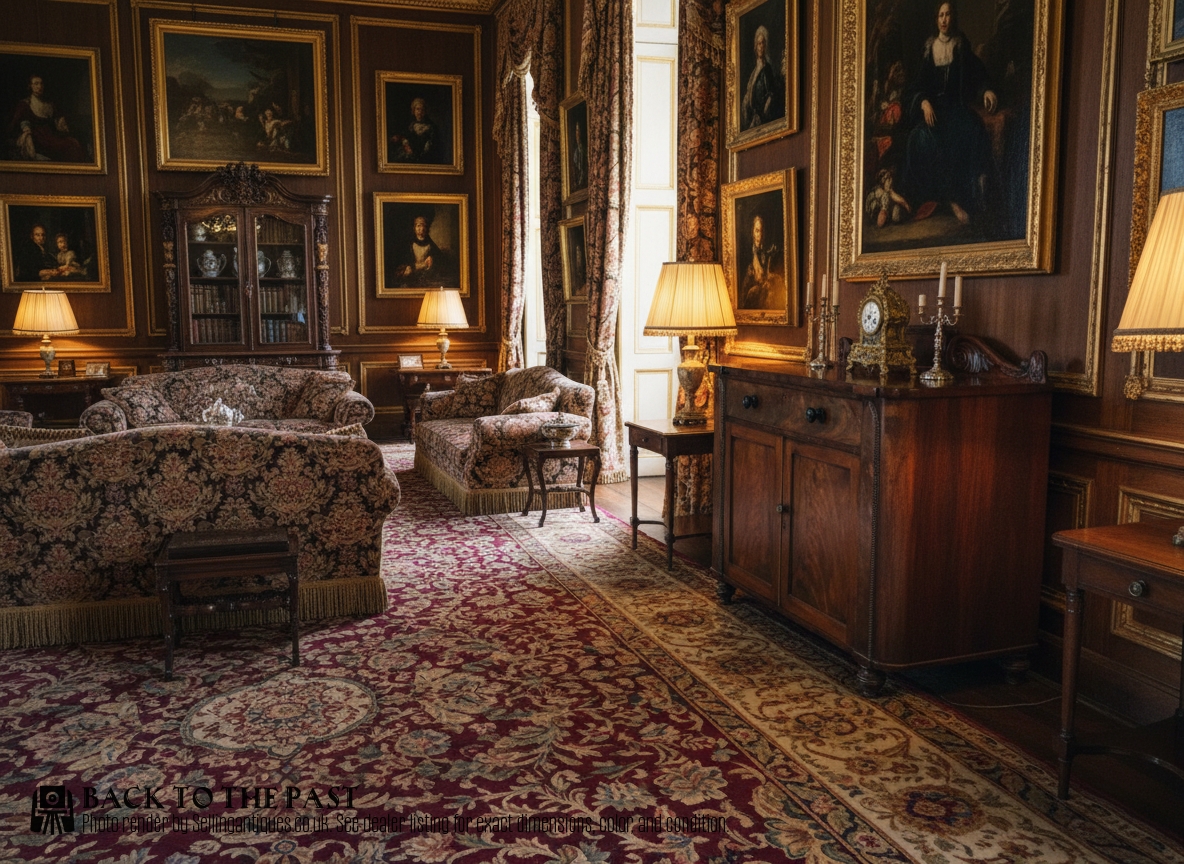
Hewetsons London·M. D. Miller & Sons
The Edwardian Dining Server Glossary
- Serpentine
- A furniture front characterised by a undulating shape with a convex centre flanked by concave curves. This contour requires skilled cabinet making to execute cleanly across drawer fronts.
- Crossbanding
- A narrow strip of veneer applied perpendicularly to the grain of the main surface to form a decorative border. It often frames the primary wood of table tops and drawer faces.
- Marquetry
- The art of applying pieces of veneer to a structure to form decorative patterns and pictures. Craftsmen used various tinted woods to create complex floral or geometric motifs.
- Bow-front
- A convex curved cabinet or drawer front shaped like the bend of an archer's bow. This form became particularly popular during the Sheraton and Edwardian revival periods.
- Barley twist
- A turned wooden column carved in a spiral resembling a stalk of barley. This decorative structural element frequently appears on the legs of oak furniture from revival periods.
Edwardian Dining Server: Frequently Asked Questions
What is an edwardian dining server used for?
These pieces served as functional dining room furniture designed for storing tableware, cutlery, and linens. They also provided a convenient surface for presenting dishes and serving food during meals.
Today, they function similarly in modern homes while serving as decorative focal points in dining spaces or large hallways.
How do I identify an edwardian dining server?
Look for characteristic Edwardian design markers such as Sheraton Revival satinwood inlay, boxwood stringing, and lighter proportions than heavy Victorian predecessors. Mahogany and oak remain the primary woods utilised during this era.
Examine the construction methods, hardware, and interior timber to confirm the period of manufacture aligns with the early twentieth century.
How should I clean a mahogany server?
Dust the surfaces regularly with a soft, dry cloth to prevent the accumulation of grit. Avoid modern silicone-based polishes that can damage the traditional wax finish over time.
Apply a quality beeswax periodically to nourish the timber and maintain the natural lustre of the mahogany grain.
Where should I place a large sideboard?
Position the piece against a primary wall in a dining room, large hallway, or spacious living area where its length can be appreciated. Ensure it sits away from direct heat sources and strong sunlight to protect the wood and veneer.
Allow sufficient clearance around doors and drawers to ensure comfortable everyday access.