


Edwardian Decorative Pottery
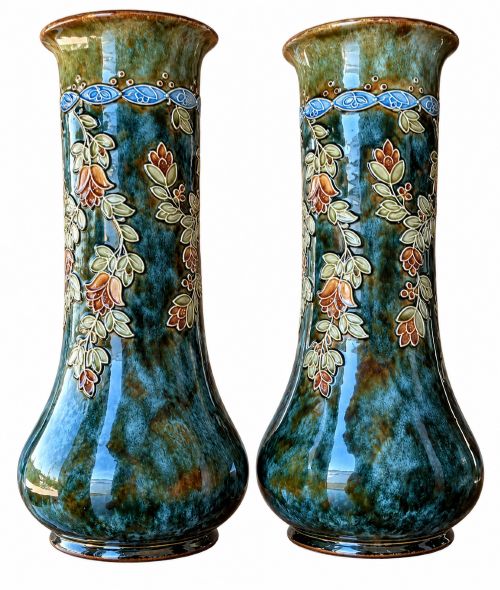
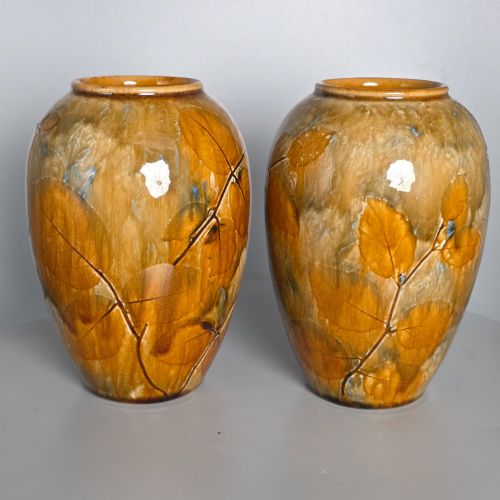
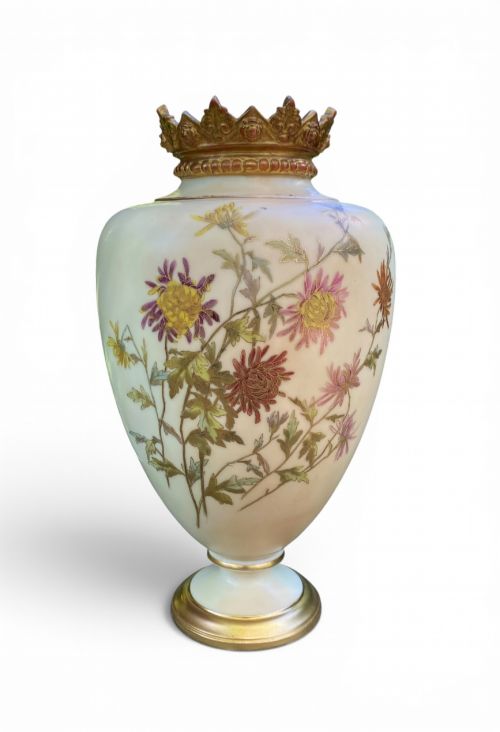
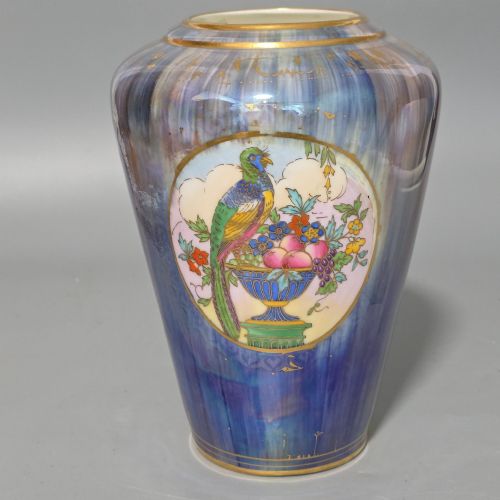
Edwardian decorative pottery brings together flowing forms and rich glazes from the turn of the twentieth century that collectors prize for their distinct character.
Edwardian Decorative Pottery
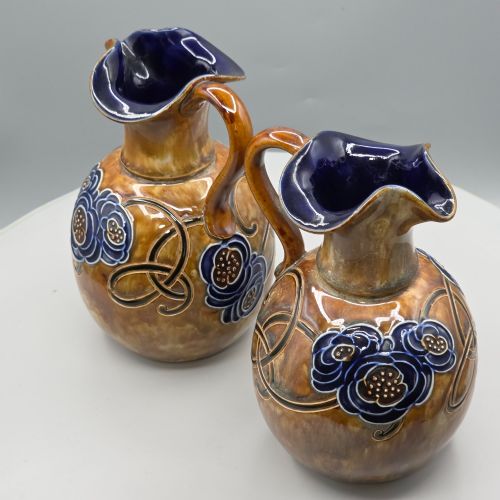
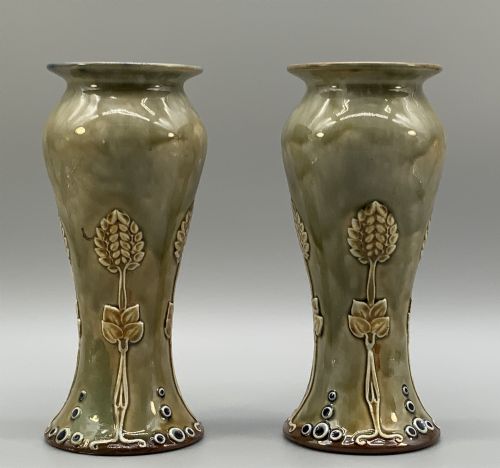
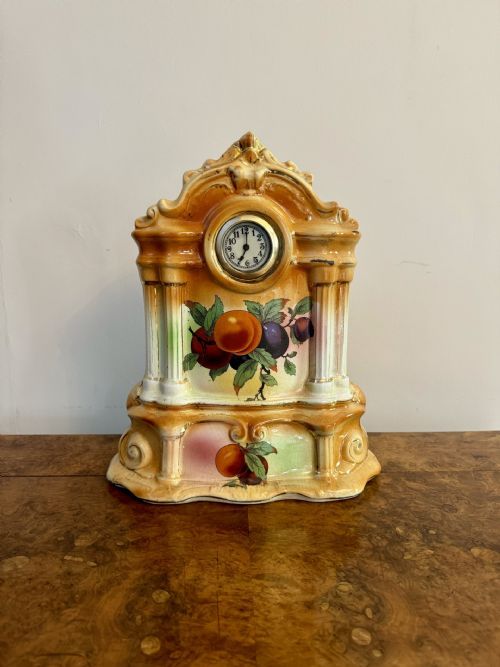
Vases and ewers dominate the selection, often found in pairs or striking standalone forms. Alongside these, buyers encounter decorative bowls, biscuit barrels, mantel clocks, and chargers that show the aesthetic ambitions of British and international potteries during the early twentieth century.
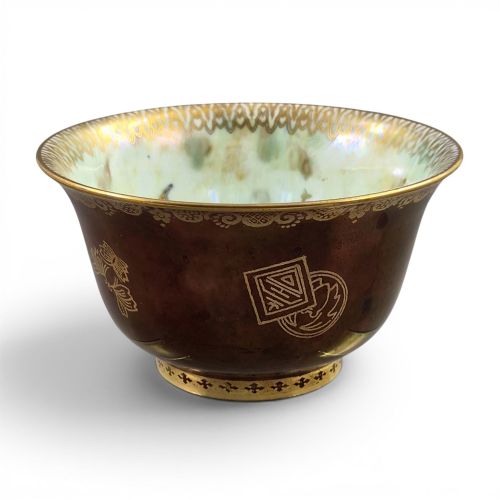
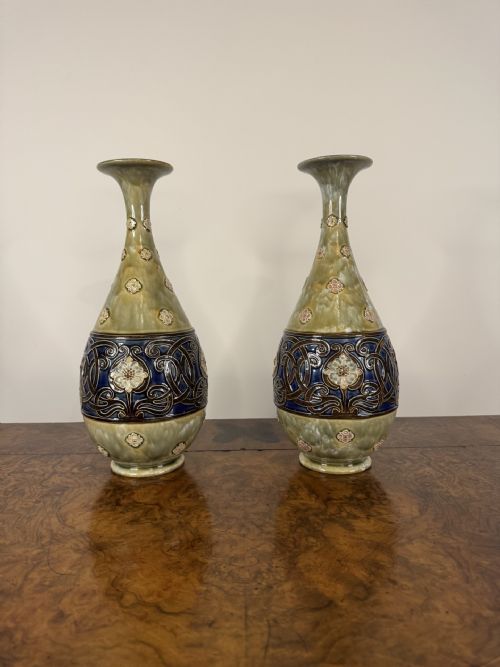
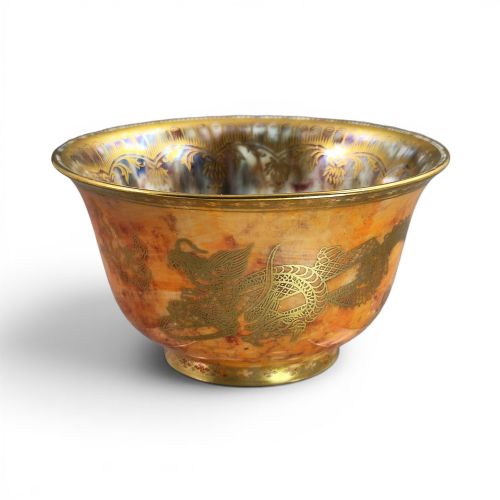
The objects frequently carry specific stylistic markers such as tube-lined floral motifs, metallic lustre finishes, and rich glazes. They reflect a period when domestic interiors celebrated artistic expression through everyday ceramic items.
How they were made
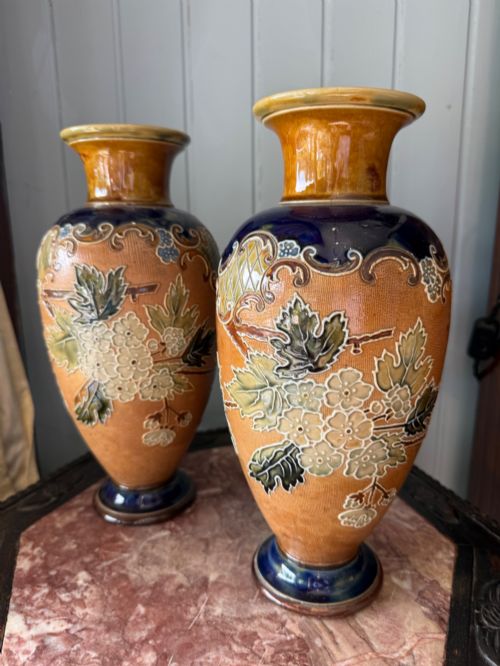
Potters utilised earthenware, stoneware, and porcelain bodies, shaping them on the wheel or casting them in moulds before applying detailed surface decoration. Stoneware pieces often rely on textured salt-glazes or applied slip, whilst finer porcelain and earthenware bodies provide a smooth ground for hand-painted enamel and lustre work.
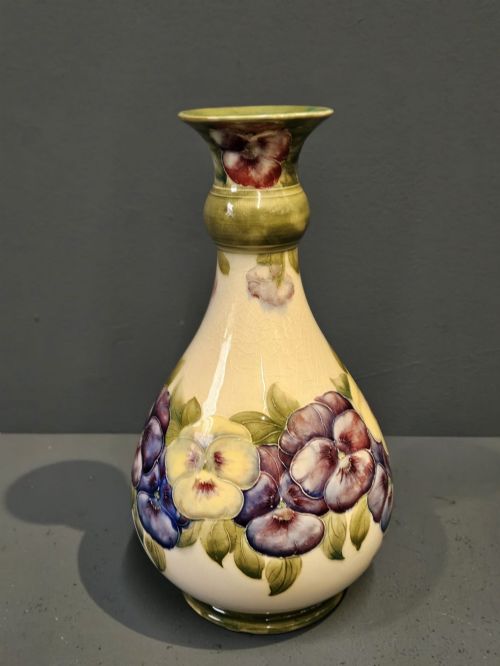
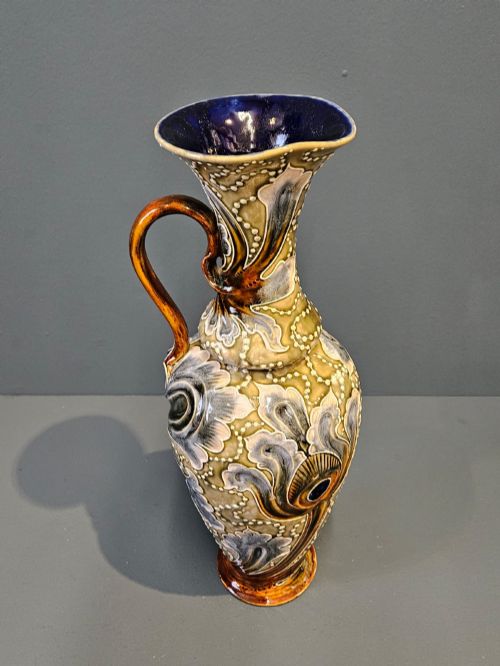
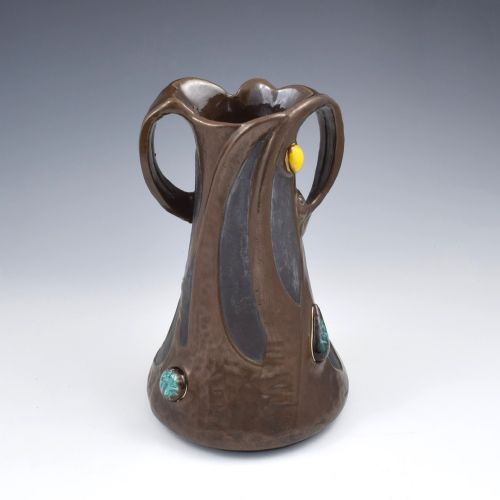
Glazing techniques define much of the visual appeal, ranging from mottled and matte finishes to iridescent lustre surfaces enriched with gold leaf. Specialist decorators built up designs using tube-lining, where raised clay lines contain pools of vibrant coloured glaze, or applied cabochons to create tactile relief.
The selection spans Victorian, Edwardian, and Art Deco periods through significant British potteries.
What varies in quality
Quality rests upon the ambition of the design and the sureness of the execution, distinguishing standard commercial output from pieces shaped by recognised artists. Hand-painted lustre work and complex tube-lined patterns demand high technical control in the kiln to achieve depth of colour without running or distortion.
The handling of form and glaze separation dictates the overall success of a piece. Superior examples display crisp definition in moulded or incised details, alongside well-balanced colour palettes that elevate functional ceramic shapes into notable decorative works.
Royal Doulton·Moorcroft·Wedgwood·Minton·Royal Crown Derby·Royal Worcester·Bretby Pottery·Royal Lancastrian·Longwy
The Edwardian Decorative Pottery Glossary
- Lustre
- A ceramic glaze containing metallic salts that produce an iridescent, shimmering surface upon reduction firing. This technique creates a rainbow-like sheen prized in decorative bowls and vases.
- Stoneware
- A robust, vitrified ceramic fired at high temperatures until non-porous. It provides a durable body often used for salt-glazed and heavy relief-decorated vessels.
- Tube-lining
- A decorative method where a thin trail of liquid clay is squeezed through a nozzle onto the ceramic body to outline patterns. The resulting compartments are subsequently filled with coloured glazes.
- Earthenware
- A porous pottery body fired at lower temperatures, requiring a glaze to achieve water resistance. It serves as the base for much painted and enamelled domestic pottery.
- Slater's Patent
- A Doulton technique involving the impression of lace, matting, or textiles into the damp clay body to create textured backgrounds. These textured areas are often contrasted with smooth glazed surfaces and enamel highlights.
Edwardian Decorative Pottery: Frequently Asked Questions
How do I identify Art Nouveau pottery?
Art Nouveau pieces feature organic, whipping lines, stylized floral motifs, and asymmetrical forms inspired by natural growth. Makers often utilised flowing glazes and iridescent finishes to enhance the fluid movement of the design.
Look for motifs such as seed pods, peacocks, and intertwined stems executed in stoneware or glazed earthenware from the turn of the century.
What is lustre ware?
Lustre ware is pottery finished with a metallic glaze that reflects light with a distinctive rainbow or pearlescent sheen. Artisans achieved this effect by introducing metallic elements into the kiln during firing.
These pieces were prized for their rich, glowing surfaces and were frequently produced in bold colours like ruby, orange, and deep green.
Where were these pieces displayed in Edwardian homes?
Decorative ceramics occupied prominent positions in the Edwardian interior, sitting on mantelpieces, side tables, and within specialised display cabinets. Vases held seasonal blooms, while ewers and decorative bowls served as focal points on sideboards.
Tiles were incorporated into fireplaces and wall decorations, bringing colour and pattern into everyday living spaces.
How do I care for antique pottery?
Antique ceramics require gentle maintenance, keeping them away from direct sunlight to prevent glaze fading and thermal shock from rapid temperature changes. Dusting with a soft, dry cloth is usually sufficient for regular upkeep.
Avoid submerging pieces with delicate enamel or gold leaf in water, as moisture can compromise vulnerable surface decorations over time.