




Edwardian Cobalt Blue Dish
An edwardian cobalt blue dish brings rich depth and historical character to a table, combining striking glaze work with period form.
Edwardian Cobalt Blue Dish
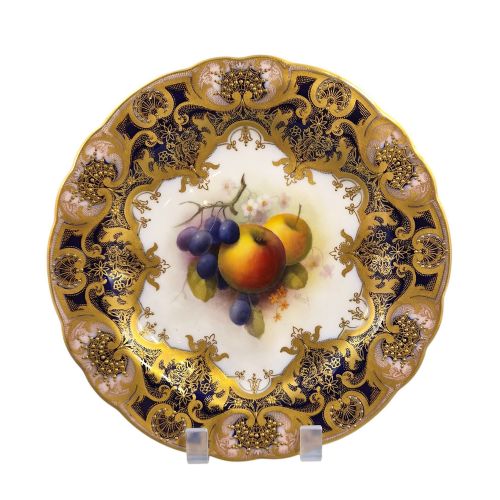
When you search for an edwardian cobalt blue dish, you encounter a selection of decorative ceramics, porcelain, glass, and silver-mounted pieces originating primarily from the early twentieth century and the Victorian era. These items take the form of cabinet plates, serving trays, bowls, and baskets designed for display or formal dining.
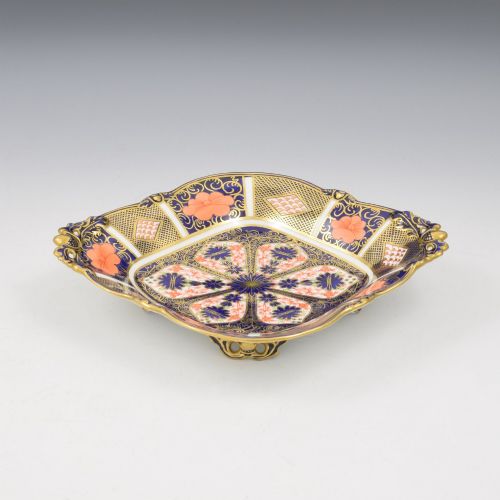
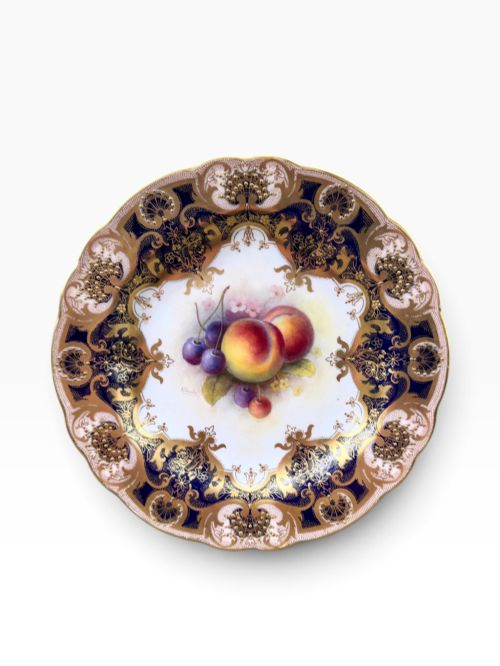
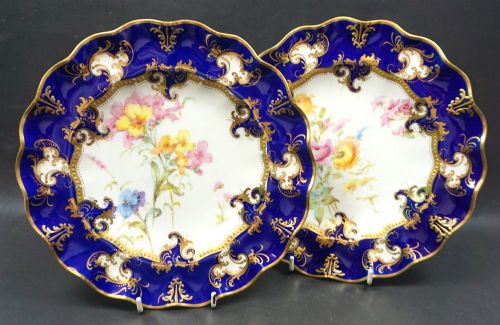
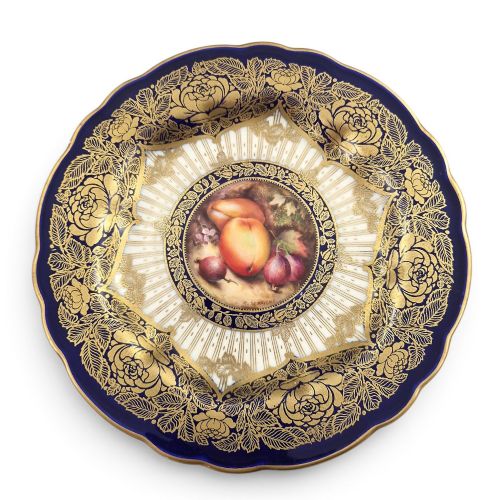
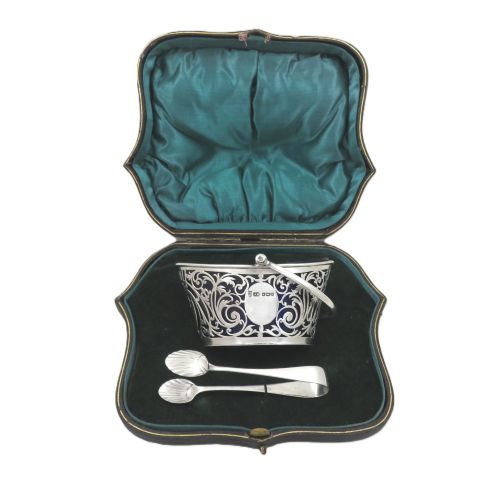
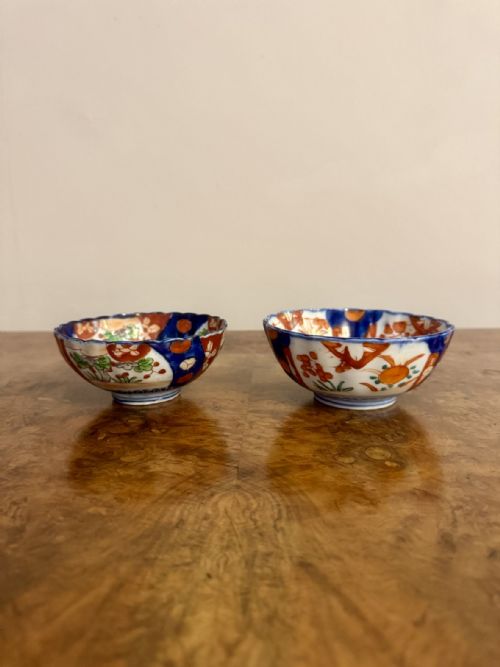
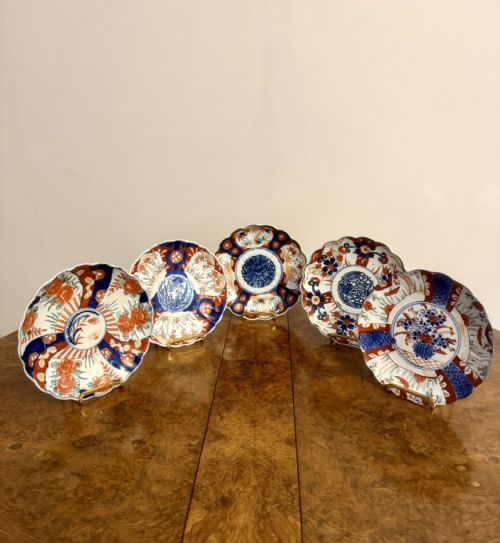
The objects span multiple aesthetic traditions, incorporating Japanese Imari and English Imari patterns alongside hand-painted florals, fruit studies by notable artists, and pierced silver frameworks. Porcelain and bone china dominate the selection, often enriched with gilding and deep blue glaze.
While the search targets the Edwardian era specifically, the listings extend across the nineteenth century into the nineteen-twenties, reflecting the longevity of cobalt decoration and Imari palettes in domestic interiors.
Materials and methods of construction
Potters and artisans utilised porcelain, bone china, and glass as the foundational bodies for these pieces, applying rich cobalt blue glazes before secondary firings. Gilding and gold leaf accent the surfaces, while painted floral and fruit motifs require careful brushwork by studio artists.
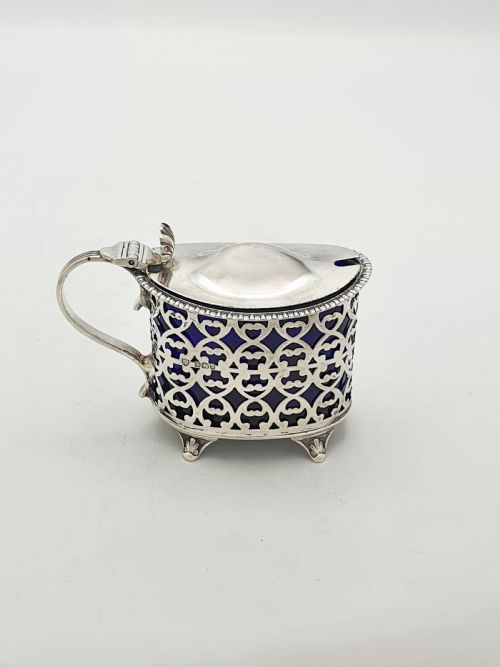
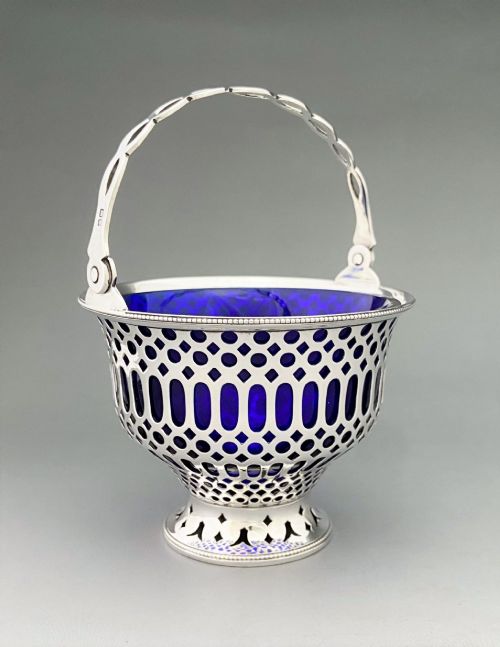
Silver components involve sterling silver, frequently pierced or worked into swing handles and fitted baskets to enclose glass liners. Enamel and glaze finish the decorative surfaces, binding the colour palette to the ceramic or metallic base.
Some pieces require a silver swing handle just to carry a handful of sweets.
Distinctions in craftsmanship and design
The standard of execution in hand-painted details separates standard production items from masterworks signed by prominent porcelain painters. Precision in the application of gold leaf and the crispness of pierced silver or ceramic work indicate the level of labour invested in the object.
Complexity of form also defines the tier of a piece, with scalloped edges, hexagonal profiles, and fitted sterling silver cases representing more demanding manufacturing processes than plain circular vessels.
Royal Crown Derby·Royal Worcester·Grainger and Co·Moorcroft
The Edwardian Cobalt Blue Dish Glossary
- Cabinet plate
- A decorative ceramic plate intended for display in a cabinet rather than for everyday dining. These pieces often feature elaborate hand-painted scenes and rich gilding.
- Imari
- A style of ceramic decoration originating in Japan and later copied in Europe, characterised by a palette of cobalt blue, iron red, and gold. The style appears across nineteenth-century and early twentieth-century porcelain.
- Gilding
- The application of gold leaf or powdered gold to the surface of porcelain or metal. It provides metallic contrast against the deep cobalt blue glaze.
- Pierced work
- Openwork patterns cut into ceramics or silver before firing or assembly. This technique creates delicate borders on baskets and serving dishes.
- Bone china
- A type of soft-paste porcelain containing bone ash, known for its high strength and milky white appearance. It forms the base of many early twentieth-century plates.
Edwardian Cobalt Blue Dish: Frequently Asked Questions
How do I display an Edwardian dish?
Cabinet plates and decorative bowls suit plate stands or wall mountings where the cobalt blue glaze and gilding catch the light. Silver baskets and bon bon dishes function well as centrepieces on wooden sideboards.
Ensure placement avoids direct, harsh sunlight to protect any hand-painted enamel or gilt surfaces over extended periods.
Were these dishes used for food?
Many cabinet plates and decorative trays served primarily for visual display or specialised dessert service in formal households. Utilitarian items like mustard pots and sugar baskets held specific dry goods or condiments.
Modern owners generally treat these antique pieces as decorative art rather than everyday tableware.
How do I identify the period?
Makers' marks, registration numbers, and artist signatures stamped or painted on the reverse of porcelain pieces provide the most reliable dating evidence. Stylistic indicators like Edwardian silver hallmarks and Neo-Rococo shaping also help narrow the decade of manufacture.
Comparing the pattern style against known production years clarifies whether a piece belongs to the nineteenth or twentieth century.
What is Japanese Imari?
Japanese Imari refers to porcelain decorated in deep cobalt blue and iron red, frequently enhanced with gold, which influenced English potteries during the Victorian and Edwardian eras. British makers produced their own interpretations of these geometric and floral motifs.
These pieces combine Eastern-inspired colour schemes with traditional European ceramic shapes.