

Edwardian Ceramic Dish
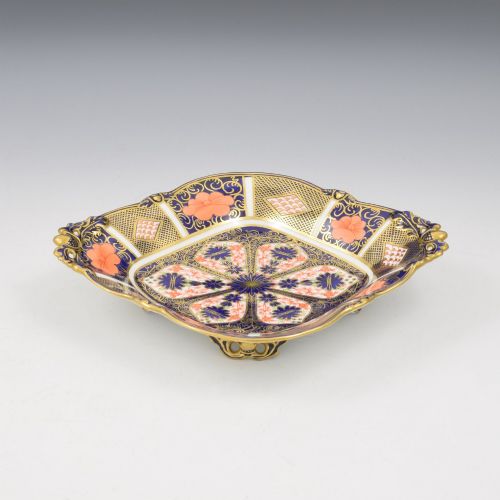
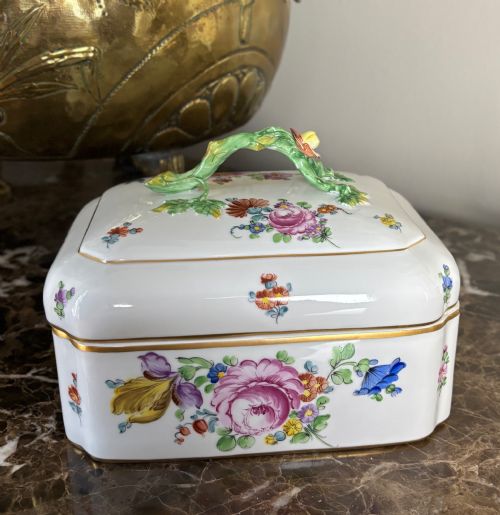
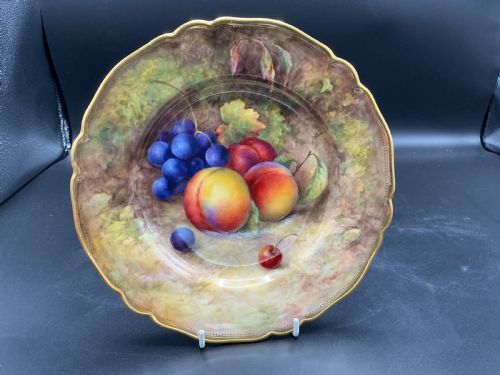
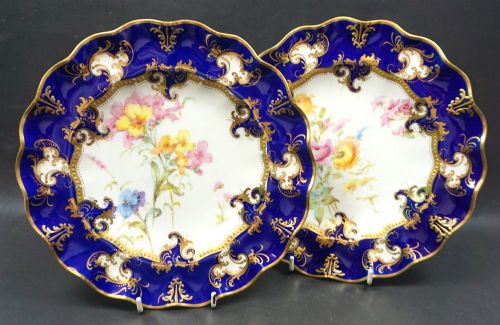
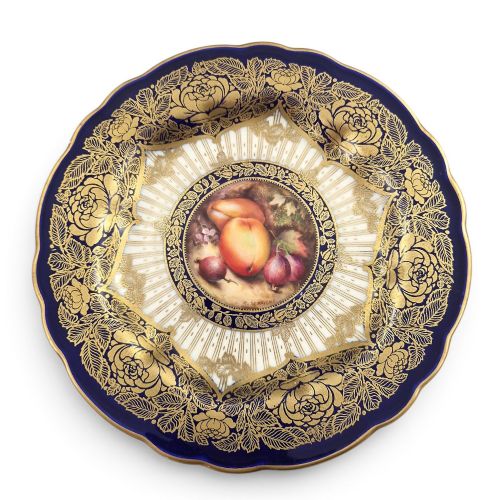
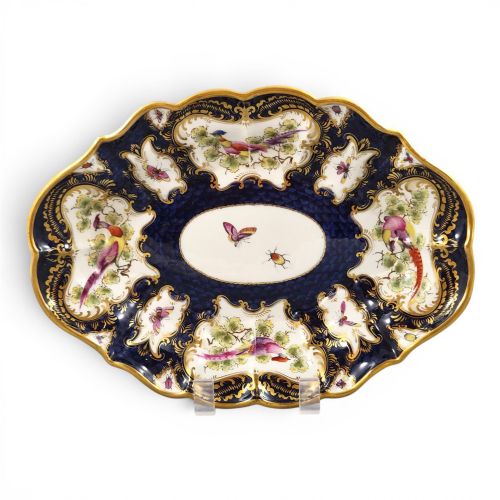
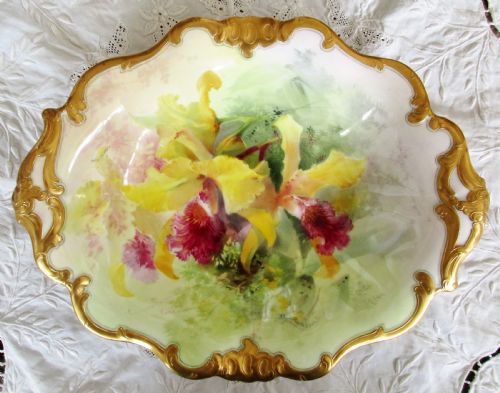
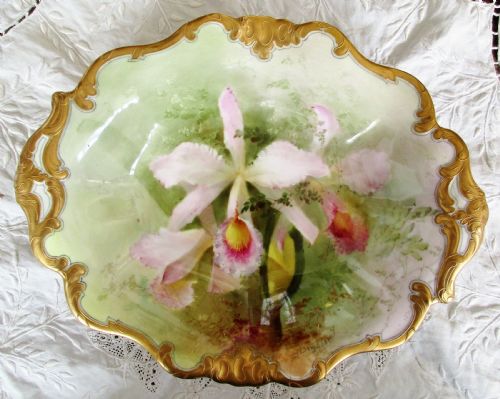
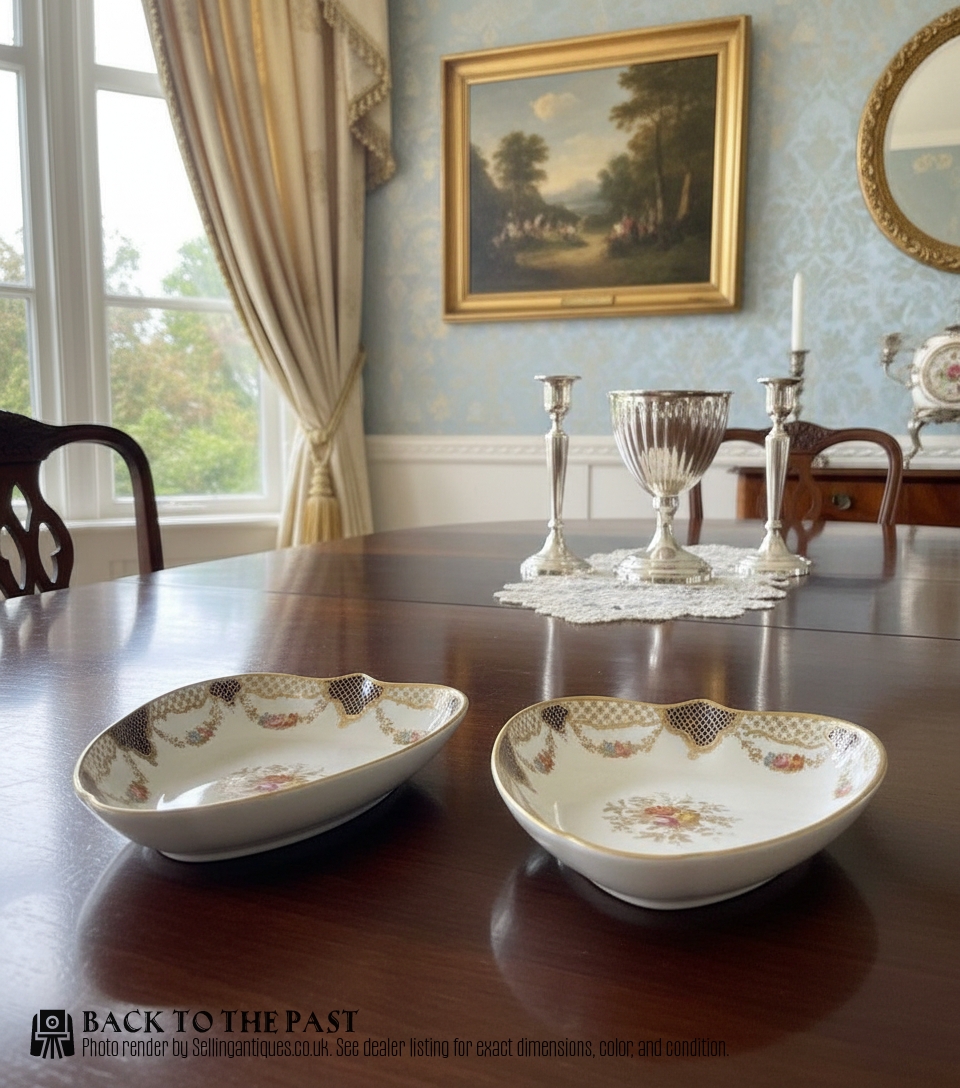
An edwardian ceramic dish brings painted fruit, gilt edges, and transfer-printed florals to the table.
Edwardian Ceramic Dish
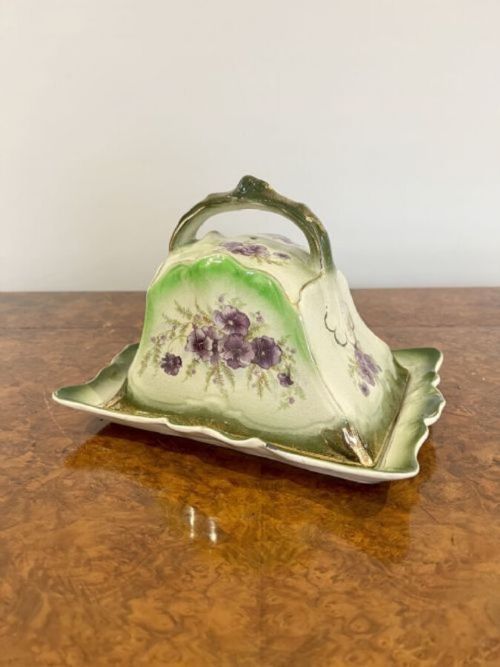
An edwardian ceramic dish encompasses decorative bowls, cabinet plates, and lidded cheese covers produced in porcelain, bone china, and ironstone. These pieces date predominantly from the early twentieth century, reflecting domestic tastes in presentation and dining.
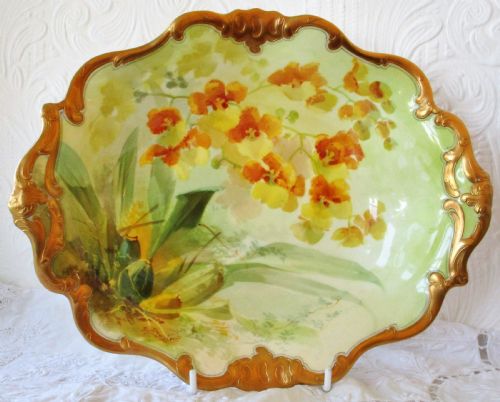
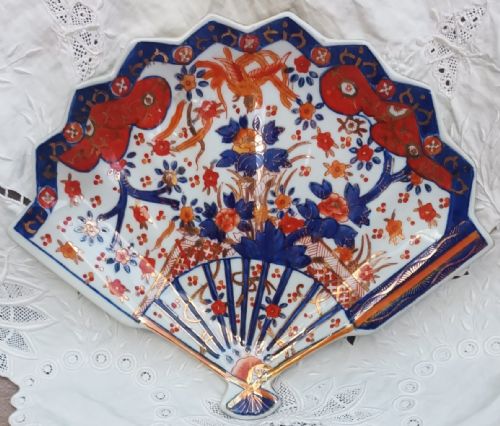
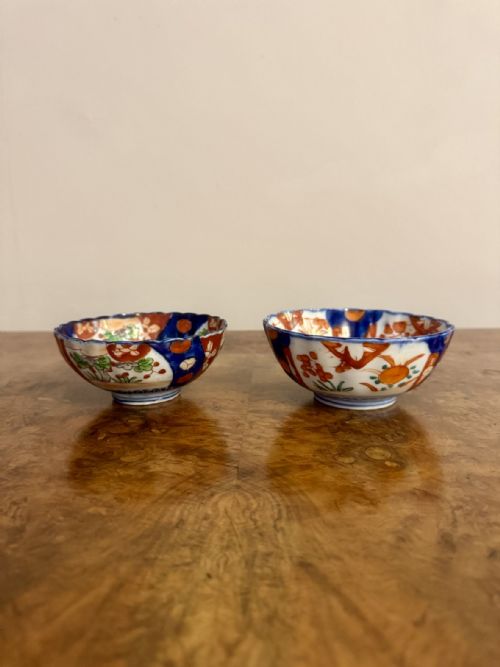
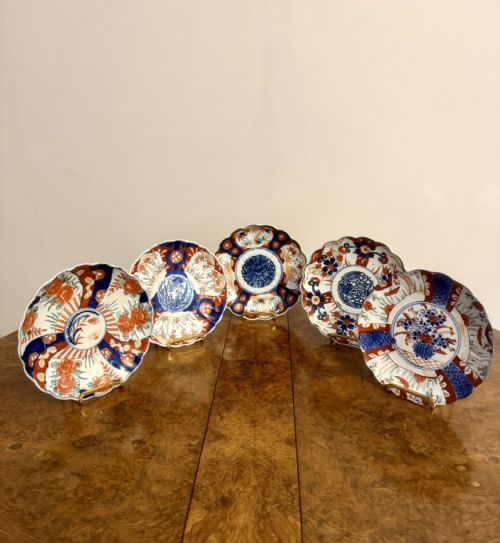
Buyers encounter serving trays, fruit plates, and centrepieces decorated with hand-painted subjects or transfer prints. Styles range from traditional English floral sprays to Japanese Imari patterns and Art Nouveau motifs.
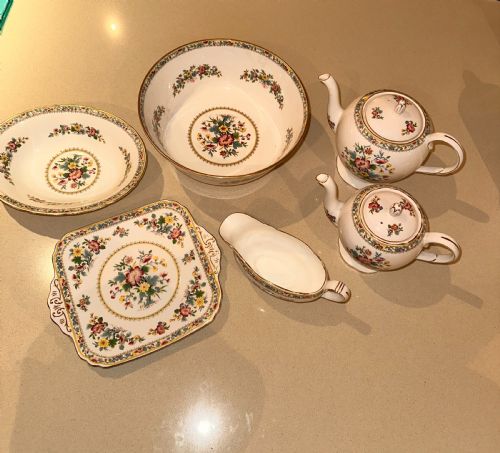
The selection includes functional items like cheese keepers and wash sets alongside purely decorative cabinet pieces. Makers utilised bone china and porcelain bodies finished with gilding, enamel, and glaze.
Materials and production methods
Potteries shaped porcelain and bone china bodies before applying fluid glazes and firing the ware in kilns. Many items received hand-painted details by named artists, while others utilised transfer printing for repeating patterns.
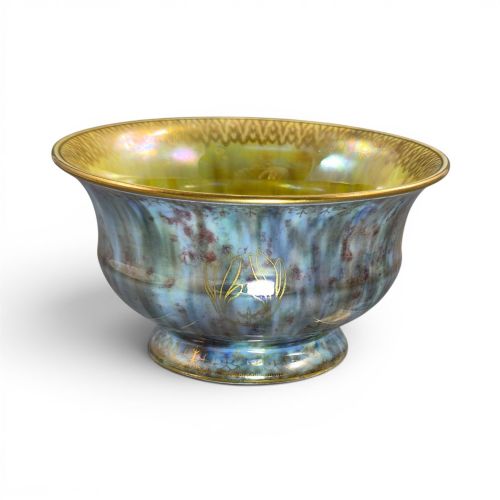
Gilding and gold leaf were applied to rims and handles, often fired on to create a metallic sheen against white or coloured grounds. Lustre glazes introduced iridescent finishes through metallic oxides.
Makers such as Royal Worcester and Wedgwood combined ironstone or porcelain with enamel colours, fixing the pigments through high-temperature kiln firings.
Listings feature porcelain, bone china, and ironstone across periods from the nineteenth century through the nineteen forties.
Factors of distinction and merit
Quality rests upon the crispness of the porcelain body, the control of the glaze, and the skill evident in hand-painted decoration. Signed pieces by recognised artists demonstrate superior craftsmanship compared to standard transfer-printed wares.
The precision of the gilding and the complexity of moulded forms distinguish finer centrepieces and cabinet plates from utilitarian items. Preservation of enamel colours and gold leaf without rubbing indicates careful handling over time.
Royal Crown Derby·Royal Worcester·Royal Doulton·Wedgwood·Schierholz Plaue
The Edwardian Ceramic Dish Glossary
- Bone china
- A type of soft-paste porcelain incorporating animal bone ash, producing a durable ceramic body with high whiteness and translucency.
- Cabinet plate
- A decorative plate intended for display in a cabinet rather than for serving food at the table.
- Gilding
- The application of gold leaf or powdered gold to ceramic surfaces, usually along rims and handles for decorative emphasis.
- Imari
- A style of Japanese porcelain featuring underglaze blue and overglaze red, gold, and green, which inspired European imitations.
- Lustreware
- Pottery featuring a metallic glaze that creates an iridescent sheen through the reduction of metallic oxides.
Edwardian Ceramic Dish: Frequently Asked Questions
How were cabinet plates displayed?
Cabinet plates were mounted on walls using wire hangers or set upon plate stands within glass-fronted furniture. They served as decorative accents rather than functional tableware.
Their intricate painted scenes and gilt borders made them focal points in Edwardian drawing rooms and parlours.
How do I identify an Edwardian piece?
Identification relies on factory backstamps, registry numbers, and stylistic markers typical of the period from nineteen hundred to nineteen ten. Soft pastel palettes, blush ivory grounds, and Art Nouveau influences frequently appear on wares from this era.
Comparing ceramic bodies and glaze characteristics against documented factory marks confirms the production date.
Can these dishes be used daily?
Most antique cabinet pieces and hand-painted plates are best reserved for display or light service due to delicate enamel work and worn gilding. Hand washing in warm soapy water preserves the painted surfaces and metallic finishes.
Harsh detergents and modern dishwashers will damage historical glazes and gold leaf over time.