



Edwardian Brass Metal Bed
Edwardian brass metal bed frames combine sturdy iron foundations with gleaming brass mounts to anchor a bedroom with period warmth.
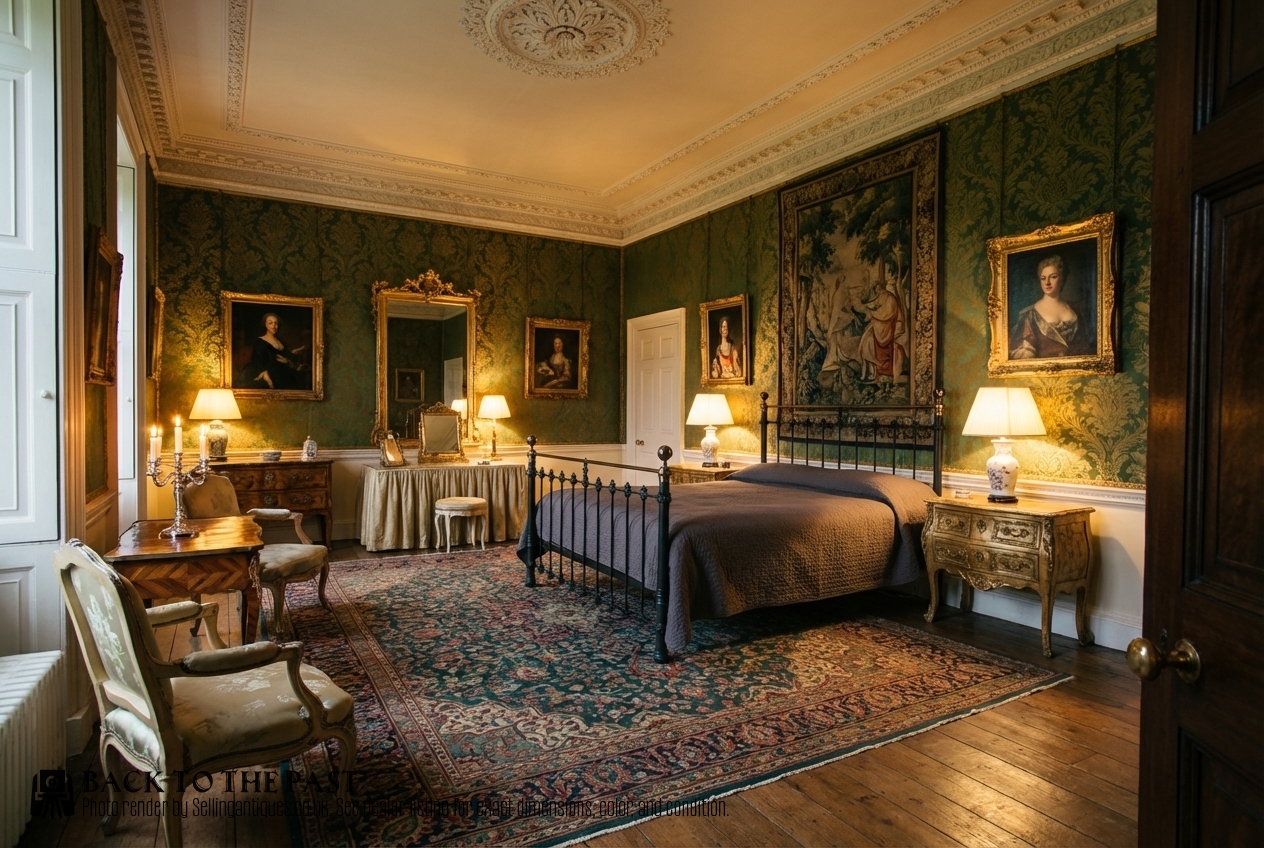
Edwardian Brass Metal Bed
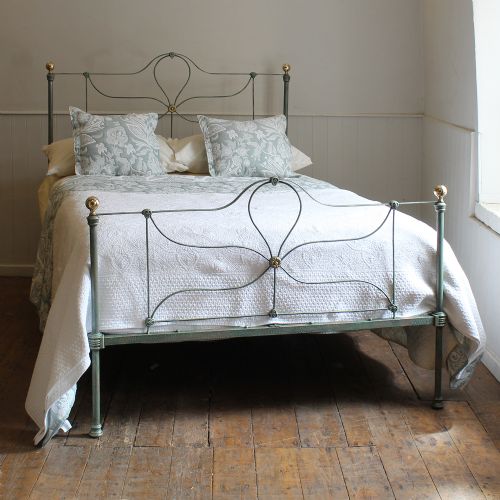
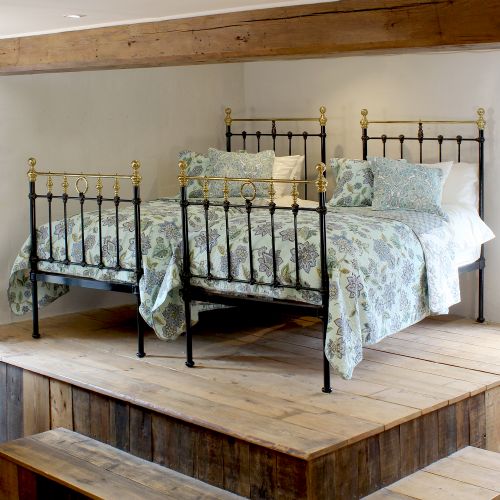
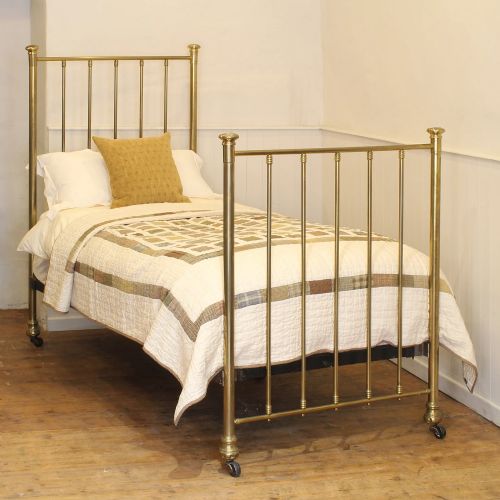
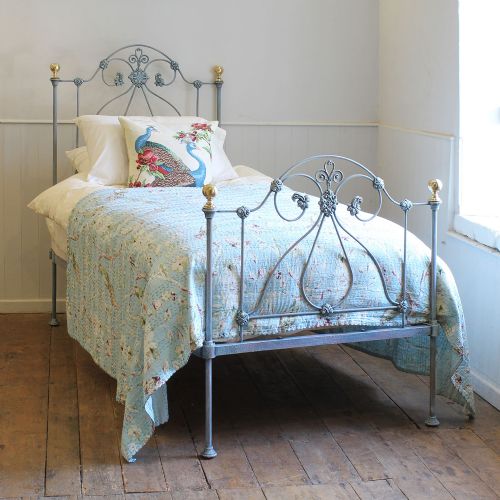
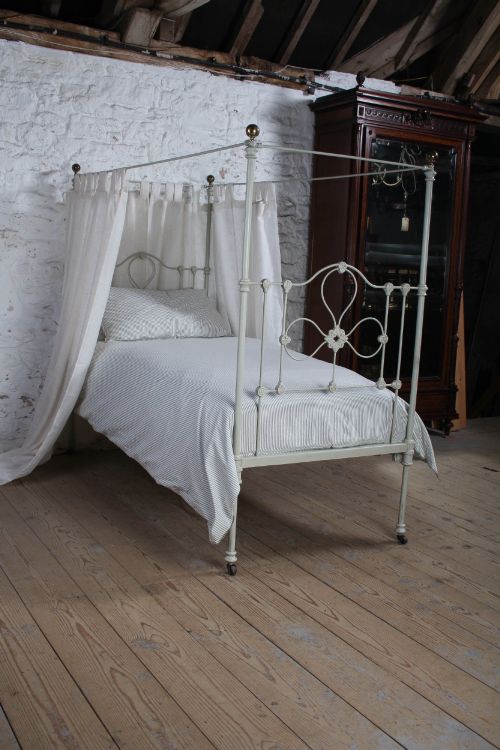
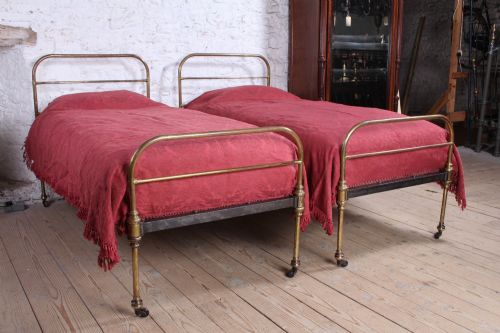
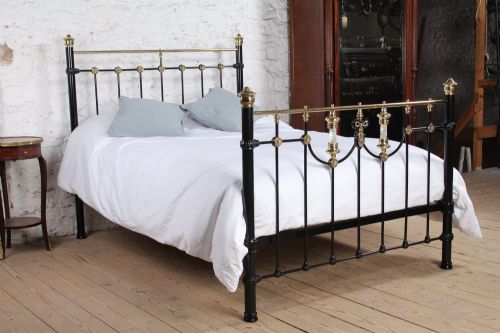
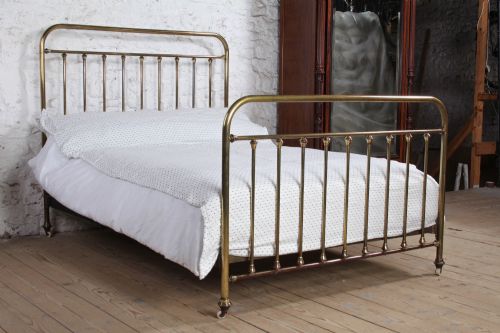
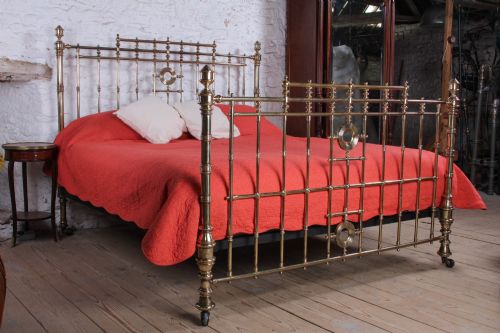
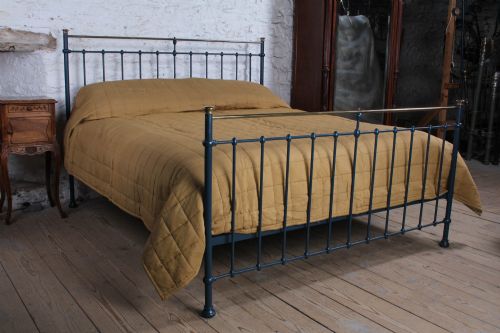
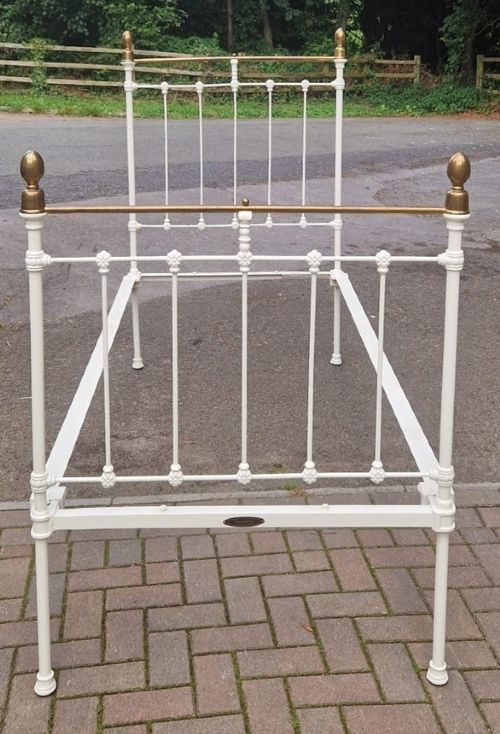
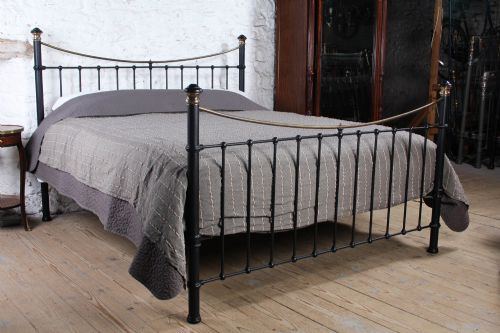
When you search for an edwardian brass metal bed, you encounter robust sleeping furniture produced across the late nineteenth and early twentieth centuries. These pieces typically combine structural iron work with polished brass components, taking forms ranging from simple single frames to grand super king sizes.
The versions most common on this page span the Victorian and Edwardian eras, incorporating stylistic touches like dip rails, square tubes, and mother of pearl inlays. Makers such as Winfield and Maple & Co contributed to a landscape of designs that includes French provincial aesthetics alongside straightforward British domestic frames.
How they were made
These bedsteads rely on a combination of cast iron, wrought iron, and brass tubes or castings to achieve their structural integrity and decorative presence. Iron provides the load-bearing strength for the frames and side rails, while brass mounts, knobs, and rails deliver the polished visual finish.
Makers utilised hand forging for iron components and applied japanned lacquer finishes on specific models to achieve deep, durable black coatings. Selected pieces incorporate mother of pearl details set directly into the metal framework for ornamental contrast.
Listings feature items spanning the Victorian era through the 1920s, constructed from cast iron, wrought iron, and polished brass.
What varies in quality
The distinction between standard domestic frames and superior examples rests on the complexity of the brass casting and the integrity of the original joints. Heavy gauge tubing and substantial brass mounts separate high-end pieces from lighter, mass-produced alternatives.
The presence of retained original elements, such as maker stamps, authentic castors, and intact japanned finishes, defines the upper tier of surviving examples. Structural robustness in the iron framing ensures the bed handles modern mattress weights without compromising its historical proportions.
Winfield·Maple and Co
The Edwardian Brass Metal Bed Glossary
- Dip rail
- A headboard or footboard rail that curves downwards in the centre to create a lower profile. This shape allows better visibility of the pillows and bedding.
- Japanned lacquer
- A heavy, glossy dark finish applied to iron surfaces in imitation of Asian lacquerwork. It provides a hardwearing protective coating with a deep lustre.
- Bedstead
- A framework of wood or metal designed to support a mattress and springs. In antique terminology, it often denotes the complete standing structure without bedding.
- Mother of pearl
- An iridescent inner layer of mollusc shell used for decorative inlay work on select bed frames. It catches the light against dark iron or polished brass.
- Four poster
- A bed with four vertical columns supporting an upper canopy frame. These substantial architectural pieces represent the grandest scale of bedroom furniture.
Edwardian Brass Metal Bed: Frequently Asked Questions
How do I clean brass beds?
Polished brass components benefit from gentle dusting and occasional wiping with a soft, dry cloth to prevent tarnish accumulation. Avoid harsh chemical polishes that can strip thin protective lacquers applied during earlier restorations.
Preserving the original patina involves leaving aged metal surfaces largely untouched rather than striving for a bright, mirror-like shine. Regular maintenance simply requires keeping the iron and brass free from moisture.
Will modern mattresses fit antique beds?
Many older bed frames measure slightly differently from standard modern mattress sizes, particularly pieces built before standardisation took hold. Checking the exact internal length and width dimensions of the frame prevents sizing mismatches.
Custom mattresses or supportive slatted bases can be commissioned to fit unique historic proportions securely. Ensuring the side rails sit square allows standard modern bedding to sit correctly.
How do I assemble metal beds?
Most antique metal frames utilise wedge-fit side rail connections or heavy iron bolts to join the headboard and footboard securely. Assembling the components on a flat surface ensures the frame squares up properly before tightening.
Enlisting a second person helps support the heavy cast iron side rails while aligning the corner slots. Checking that the castors or feet remain level prevents any rocking motion once the bed stands upright.
How do I date an antique bed?
Dating relies on observing construction methods, tube profiles, and decorative motifs characteristic of specific manufacturing decades. Simpler straight rails often point towards the Edwardian era, while heavy crestings and ornate castings frequently indicate Victorian origins.
Maker stamps or registration marks stamped into the iron components offer precise clues to the origin and date of production. Comparing the decorative style against documented trade catalogues confirms the likely period of manufacture.