


Victorian Iron Super King Bed
A victorian iron super king bed brings robust metal construction and generous scale to a modern bedroom, pairing lasting durability with period character.
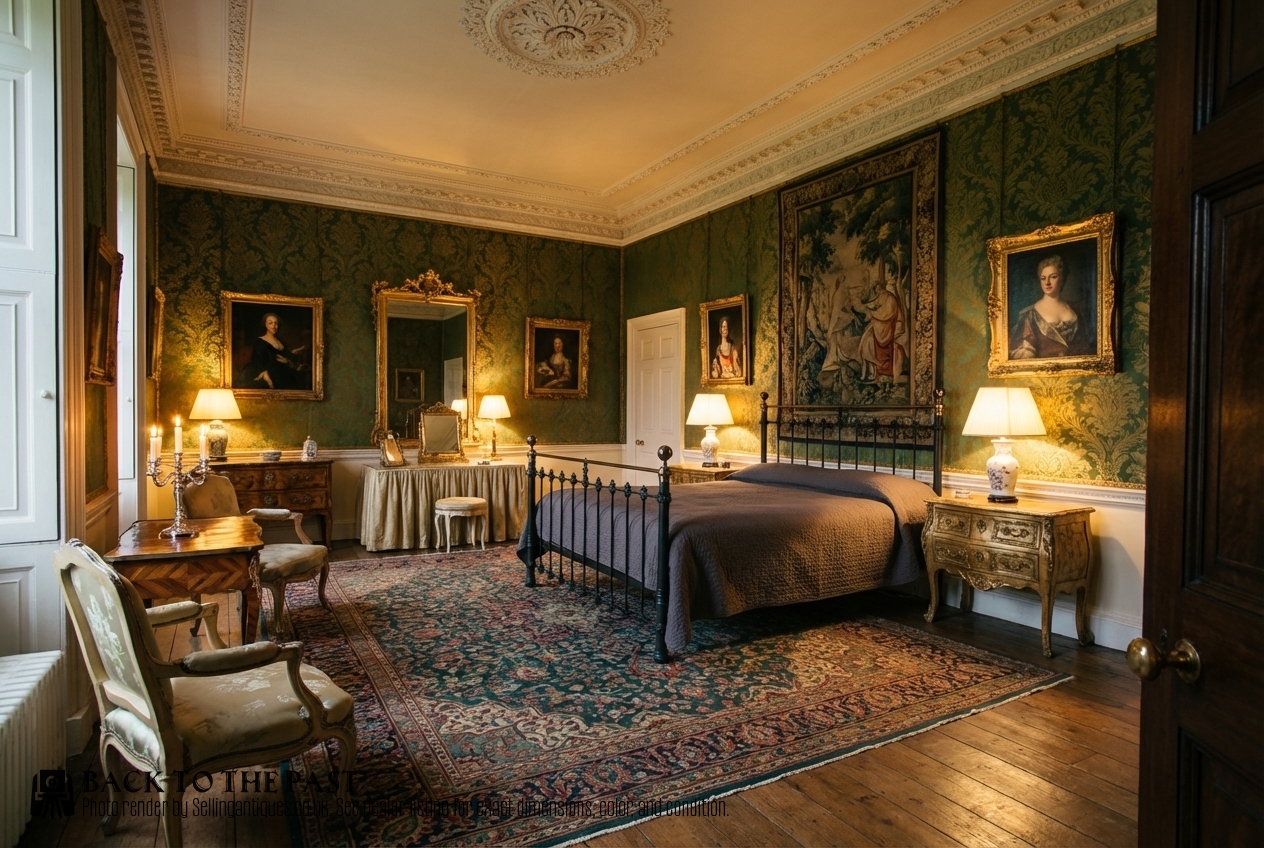
Victorian Iron Super King Bed
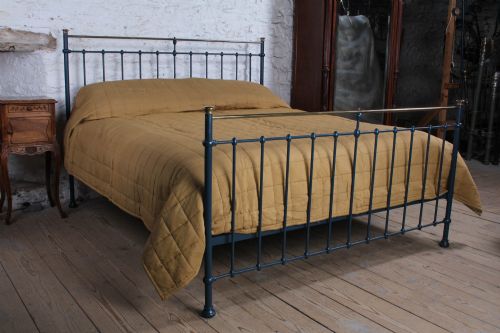
When you search for a victorian iron super king bed, you encounter substantial metal bedframes designed for wide sleeping quarters. These pieces originate primarily from the Victorian and Edwardian eras, spanning the latter half of the nineteenth century into the early twentieth century.
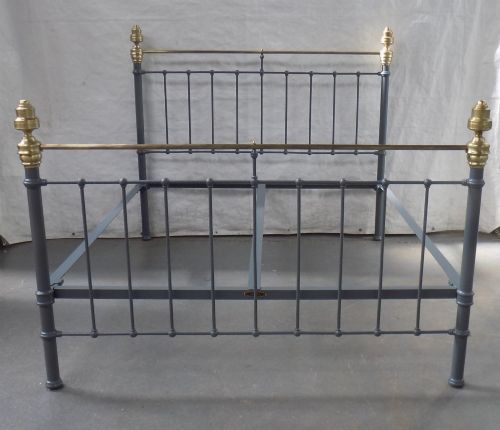
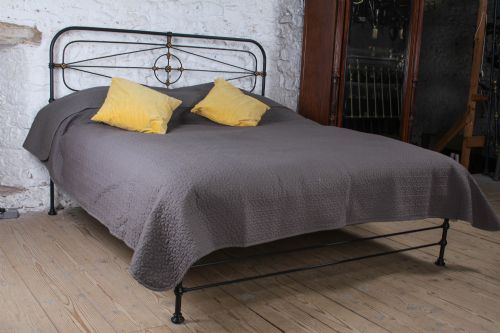
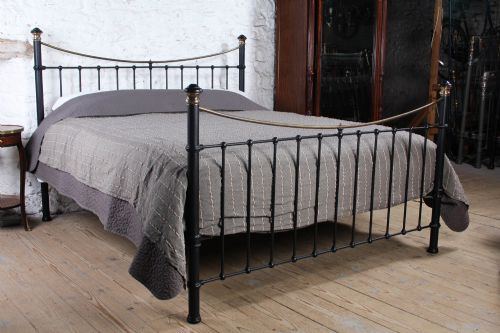
The most common examples you meet on this page combine cast and wrought iron frameworks with polished brass components. Formats include traditional footboards as well as no end configurations that suit rooms with limited vertical clearance.
The evidence shows diverse proportions, including extra wide king sizes and six-foot widths. Makers applied finishes ranging from black and cream paint to exposed polished metal.
How they were made
Makers constructed these bedframes using durable cast iron and wrought iron for the structural load-bearing elements. Metal casting allowed workshops to produce ornate decorative junctions and sturdy side rails.
Brass elements such as top rails, knobs, and mounts were incorporated to contrast with the dark or painted iron body. Painted metal finishes provided both decoration and protection against rust on the iron surfaces.
Materials recorded across the archive include brass, cast iron, wrought iron, plain iron, and painted metal finishes.
What varies in quality
The sophistication of the brass and iron detailing largely separates standard bedframes from superior examples. Elaborate castings, maker marks, and specific rail configurations indicate higher workshop ambition.
The presence of original painted finishes or carefully preserved brass components influences the visual hierarchy of these large bedframes. Structural integrity depends on the original weight and thickness of the iron used by the maker.
Winfield·Maple and Co.
The Victorian Iron Super King Bed Glossary
- Cast iron
- A sturdy iron-carbon alloy poured into moulds to create rigid structural frames and ornate decorative components. It provides the heavy foundation for these large bedsteads.
- Wrought iron
- A tough, malleable iron form hammered into shape by blacksmiths for structural stretchers and supports. It offers high tensile strength within the frame.
- Brass
- A yellow copper and zinc alloy used for decorative rails, finials, and knobs. It adds a bright metallic contrast to the dark iron structure.
- Dip rail
- A horizontal top rail curved downward in the centre of the headboard or footboard. This contour softens the rectangular profile of the bedstead.
Victorian Iron Super King Bed: Frequently Asked Questions
Will a modern super king mattress fit?
These historical bedframes were built to accommodate wide sleeping formats, with many historical examples measuring six feet across. Modern mattress dimensions generally align well with these generous proportions.
It remains wise to check the exact internal runner dimensions of an individual bedstead before purchasing a mattress. Custom slatted bases often provide the ideal support platform for modern bedding within these antique frames.
How do I assemble an antique iron bed?
Most antique metal bedframes utilise wedge-fitting side rails that slot directly into the corner posts of the headboard and footboard. Gravity and a firm tap from a mallet secure these tapered joints firmly in place.
Modern wooden slats or metal support bars then rest across the side rails to carry the mattress weight. This modular construction allows for straightforward dismantling when moving rooms.
How should I clean the brass and iron?
Painted iron surfaces benefit from gentle dusting with a dry cloth and protection from excess moisture. Harsh chemical solvents can damage original painted finishes.
Brass components can be polished lightly with a non-abrasive metal cleaner if a bright shine is preferred over a patinated look. Regular gentle maintenance preserves both the metal and any decorative coatings.