




Edo Period Porcelain Bowl
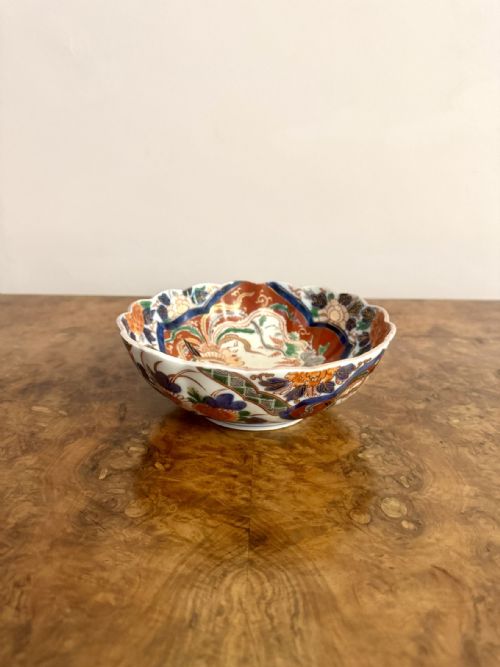
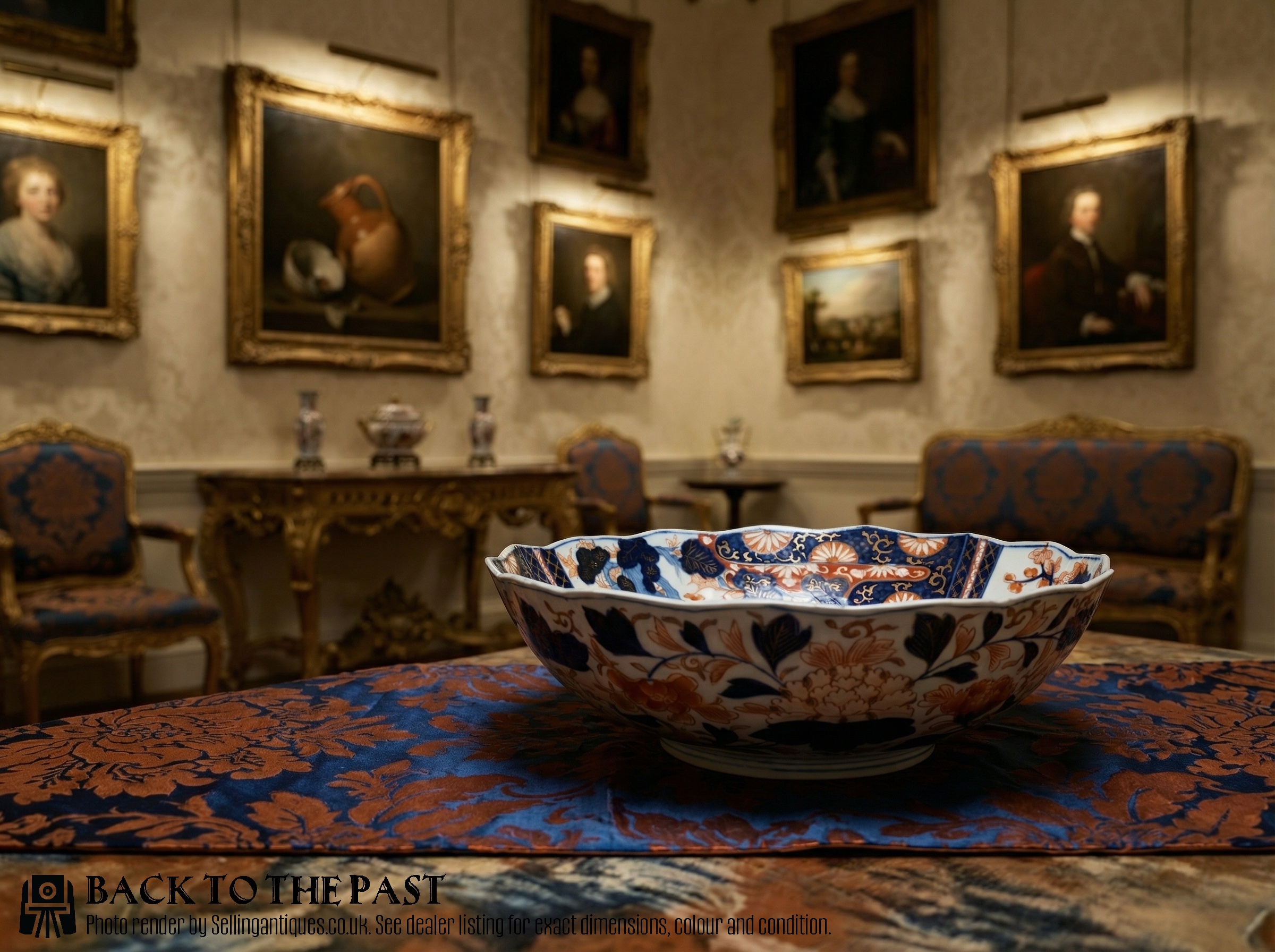
An edo period porcelain bowl brings centuries of Japanese artistry to a room, offering rich painted palettes and refined ceramic forms.
Edo Period Porcelain Bowl
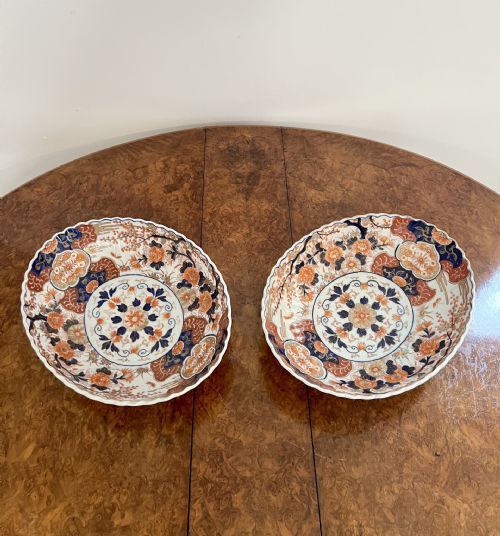
The objects stem from production centres like Arita and Hizen, showing influences from the Genroku period as well as later transitional eras into the Meiji period. Buyers will encounter both deep bowls intended for display and shallow dishes decorated with motifs such as cranes.
A significant portion of the items available on this page date to later decades including the nineteenth and twentieth centuries, whilst earlier examples trace back to the seventeenth and eighteenth centuries.
Materials and construction
Potters shaped these vessels from ceramic and porcelain, often applying cobalt underglaze to create striking blue and white designs. Artisans then enriched the surfaces using colourful enamel paints alongside delicate applications of gold leaf and gilding.
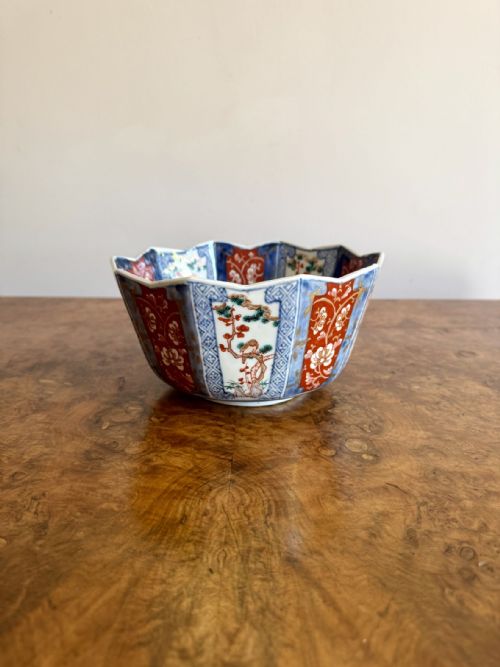
Techniques varied from standard circular throwing to moulding complex shapes like hexagonal edges, clam shell forms, and scalloped profiles. Firing took place in regional kilns, producing durable bodies that held intricate painted scenes and protective glazes.
Edo Period Porcelain Bowl Retail Price Guide 2026
Typical asking prices for edo period porcelain bowl among the pieces listed under this phrase on Sellingantiques today, from the lower quarter to the upper quarter. They describe what is for sale here now, not the wider market.
Listings feature items spanning from the seventeenth century through the twentieth century, incorporating materials like cobalt blue, enamel, and gold leaf.
Judging quality and execution
The refinement of the painted decoration dictates much of the visual appeal, separating standard production ware from finely executed pieces with precise brushwork. The clarity of the cobalt blue underglaze and the crisp application of enamel and gold leaf reveal the skill of the original maker.
Form also plays a role, as unusual shapes like hexagonal structures, tripod bases, and scalloped edges demand greater technical mastery during the forming and firing stages than simple round bowls.
The Edo Period Porcelain Bowl Glossary
- Aka-e
- Red-painted Japanese porcelain decoration. This technique uses iron-red enamel as the dominant colour in the palette.
- Imari
- Japanese porcelain decorated in underglaze blue, iron red, and gold. This style originated in Arita and gained immense popularity for export.
- Arita
- Japanese town and ceramic centre in Hizen province. Kilns here produced the vast majority of exported porcelain during the seventeenth and eighteenth centuries.
- Jardiniere
- Large ornamental pot designed to hold a plant. These robust vessels often feature rich Imari palettes and substantial proportions.
- Genroku Period
- A Japanese era lasting from sixteen eighty-eight to seventeen00. Ceramics from this time are noted for particularly vibrant decoration.
Edo Period Porcelain Bowl: Frequently Asked Questions
How do I date an antique porcelain bowl?
Dating relies on examining the painting style, glaze characteristics, and regional production markers recorded in the evidence. Pieces attributed to the seventeenth century often show specific Arita body traits compared to later nineteenth or twentieth-century interpretations.
Changes in the enamel brightness and the execution of cobalt underglaze also provide clues to the era of manufacture. Comparing the form against documented examples helps confirm whether a piece belongs to the Edo period or subsequent decades.
What is an Imari palette?
The Imari palette typically combines underglaze cobalt blue with iron red and supplementary gilding over the glaze. This distinctive combination created rich contrast and vibrant patterns that defined Japanese export porcelain.
Master potters applied these colours in layered motifs featuring floral or pictorial elements. The style remained influential across multiple centuries of Japanese ceramic production.
How should I display my bowl?
Displaying these pieces involves placing them on stable surfaces where their decorative interiors can be easily observed. Bowls with scalloped edges or hexagonal shapes benefit from open placement that highlights their unusual outlines.
Larger vessels like jardinieres or deep dishes serve well as standalone centrepieces on sturdy furniture. Keeping them away from high-traffic edges protects their glazed and gilded surfaces.