


Ebonised Wood Display Cabinet
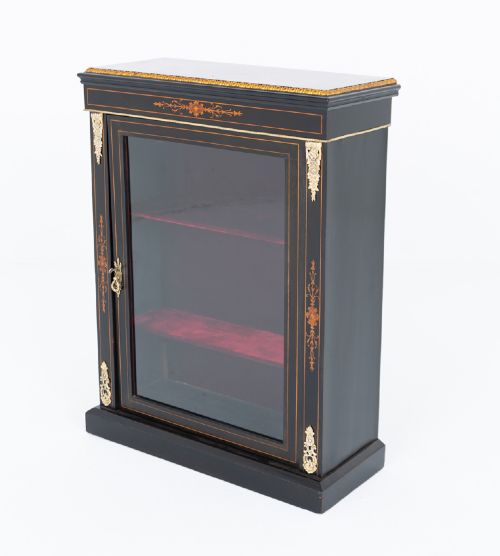
An ebonised wood display cabinet brings dark elegance to a room, turning ceramics and curios into striking focal points.
Ebonised Wood Display Cabinet
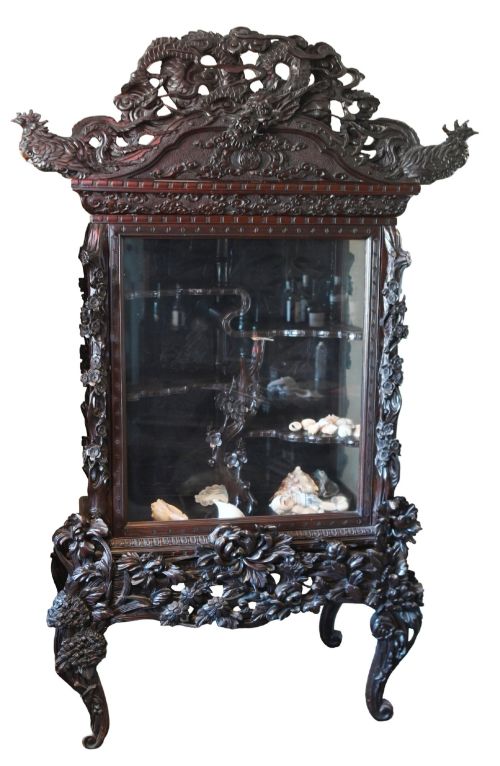
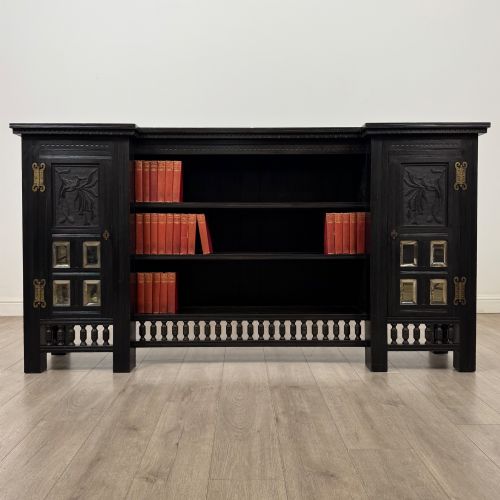
An ebonised wood display cabinet is designed to showcase prized possessions behind glass panels while offering enclosed storage beneath. When exploring this selection, buyers frequently encounter pieces from the Victorian era and the later nineteenth century, alongside occasional early twentieth-century examples.
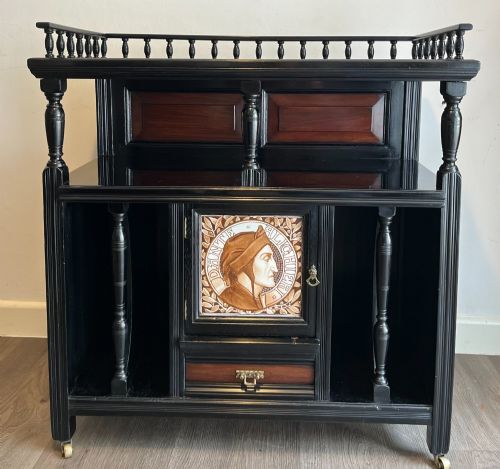
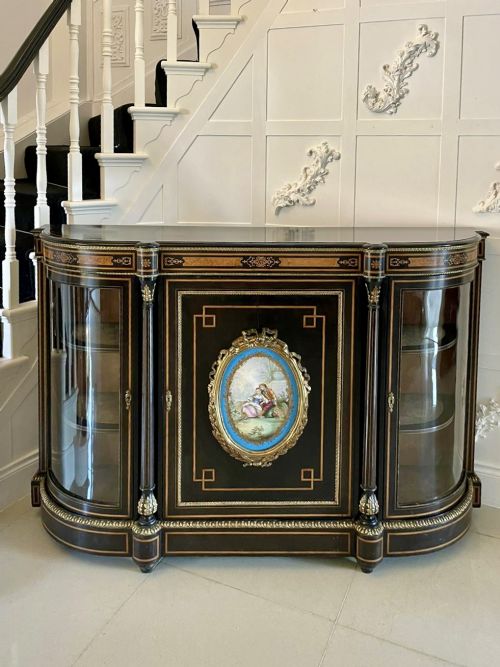
The forms range from compact pier cabinets and corner units to elaborate credenzas, sideboards, and towering display cases. These pieces stem from various design traditions, including Aesthetic Movement, Napoleon III, and Dutch Colonial styles.
Makers often utilised contrasting timbers, incorporating burr walnut, amboyna, or satinwood alongside the blackened finish. This creates an optical depth that highlights the glazed doors and internal shelving intended for decorative objects.
Materials and Construction Techniques
Cabinet makers achieved the characteristic dark finish by staining timber, often fruitwood or mahogany, to imitate expensive ebony. This ebonisation process required careful sealing and polishing to produce a smooth, light-absorbing surface.
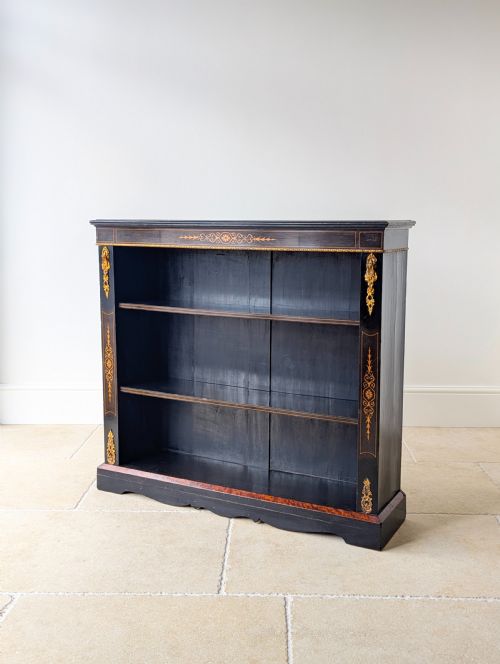
Many cabinets incorporate elaborate decorative elements, such as cast brass or ormolu mounts, porcelain plaques, and intricate floral marquetry. Glazed doors are framed in solid timber, while interiors frequently feature velvet linings or mirrored backs to enhance the display of items.
Structural integrity relied on traditional joinery, with specific forms featuring architectural cornices, plinths, and glazed side panels designed to maximise light penetration.
The listings span the nineteenth and early twentieth centuries, featuring Victorian, Aesthetic Movement, and Taisho period forms.
Distinctions in Execution and Detail
The refinement of the surface finish and the crispness of the ebonisation set finer examples apart from simpler utilitarian pieces. High-grade cabinets display a deep, even lustre rather than a flat, painted appearance.
The sophistication of the secondary materials dictates the tier of the piece. Finer cabinets integrate finely chased ormolu mounts, hand-painted porcelain plaques, and precise floral marquetry in contrasting woods like satinwood or amboyna, rather than relying on painted decoration alone.
Structural harmony also defines quality, where proportion, balanced symmetry, and the integration of mirrored backs or velvet linings demonstrate the original maker's ambition.
James Gardner·Quincy Showcase Works
The Ebonised Wood Display Cabinet Glossary
- Ebonised
- Wood treated with stain, polish, or paint to simulate solid ebony. This technique gained immense popularity during the nineteenth century to create dramatic contrast against gilt mounts and colourful inlay.
- Credenza
- A low cabinet or sideboard, frequently fitted with doors and glazed side compartments. Originally intended for serving food or displaying plate, it evolved into a principal drawing-room display piece.
- Ormolu
- Gilded bronze used for decorative mounts, feet, and key escutcheons on nineteenth-century furniture. It provides a bright metallic contrast against dark ebonised wood.
- Marquetry
- Decorative veneer applied to furniture in geometrical patterns or pictorial designs. Craftsmen used various contrasting timbers, including satinwood and walnut, to create floral and botanical motifs.
- Pier Cabinet
- A slender cabinet designed to fit the wall space between windows. These pieces often feature a single glazed door and flat sides to suit narrower rooms.
Ebonised Wood Display Cabinet: Frequently Asked Questions
What fits inside an ebonised wood display cabinet?
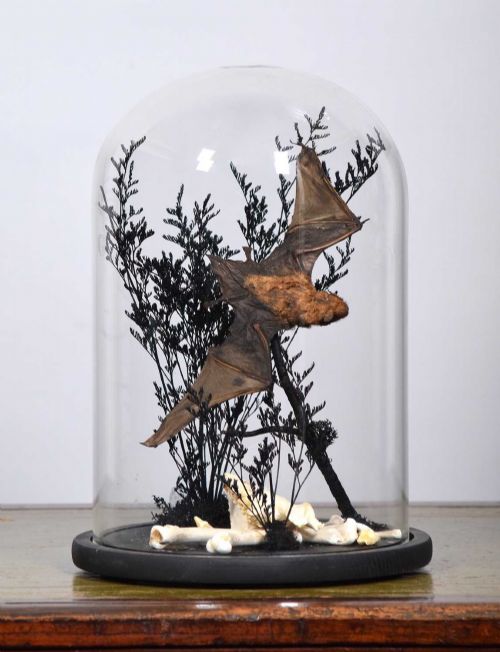
These cabinets suit porcelain, glassware, small sculptures, and curated collections of natural history specimens. The glazed doors protect delicate objects from dust while allowing full visibility.
Interior mirrored backs and velvet linings help reflect light through the shelves, making the contents stand out against the dark timber frame.
How do I date a Victorian ebonised cabinet?
Dating relies on examining the construction methods, secondary timbers, and decorative vocabulary. Mid-nineteenth-century examples often incorporate elaborate amboyna panels and hand-chased ormolu mounts.
Later Victorian and turn-of-the-century pieces frequently show different proportions, simplified brass inlay, or influences from the Aesthetic Movement and Japanese design.
How do I care for the ebonised finish?
Maintain the surface with a soft, dry cloth to remove dust without abrasive action. Avoid placing the cabinet in direct sunlight or near heat sources to prevent timber movement.
Periodic application of appropriate wax polish preserves the deep lustre of the dark finish and protects the underlying wood.