
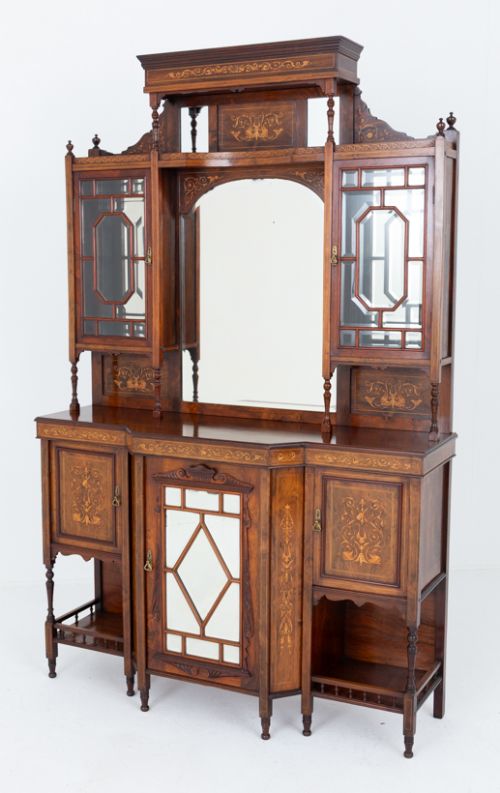


Aesthetic Movement Chiffonier
An aesthetic movement chiffonier brings together rich ebonised timber, delicate inlay, and characteristic late nineteenth-century form to anchor a room.
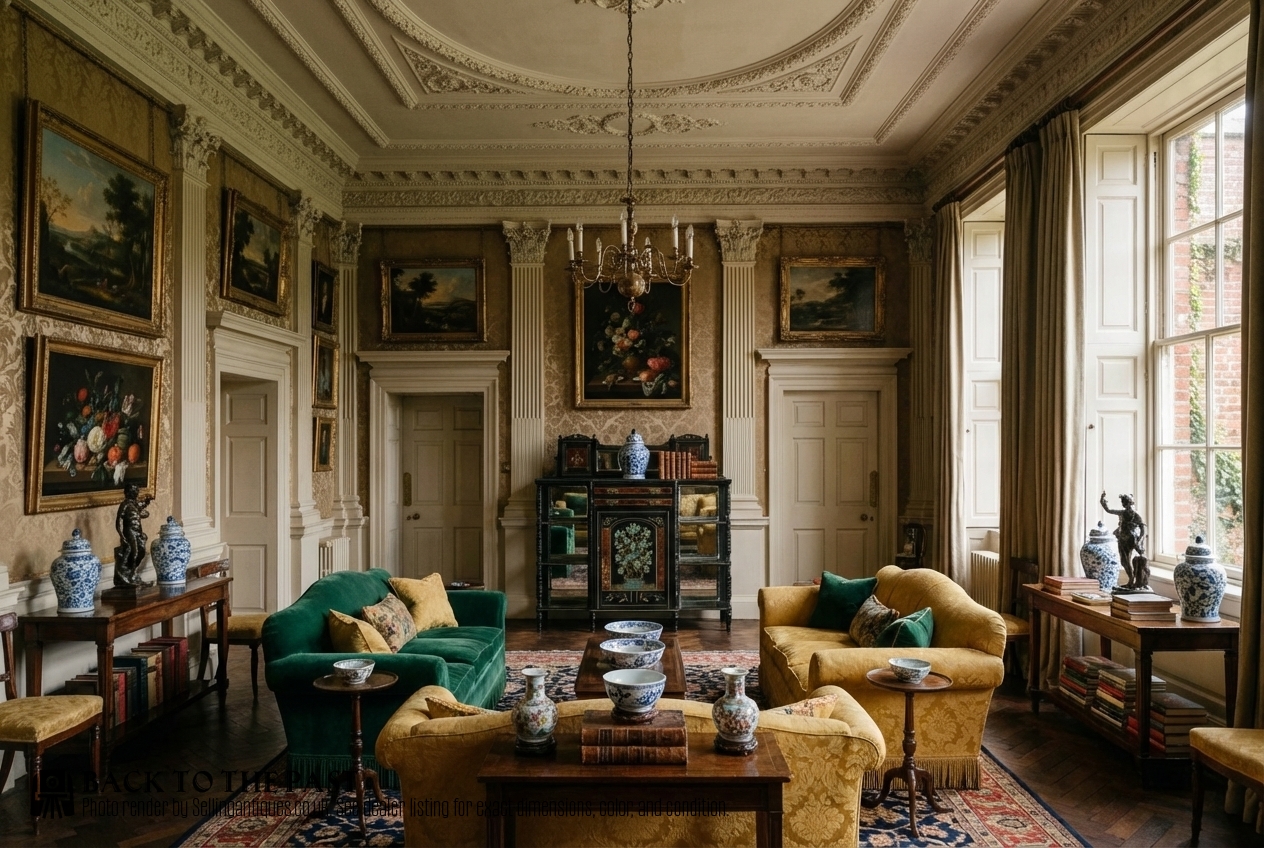
Aesthetic Movement Chiffonier
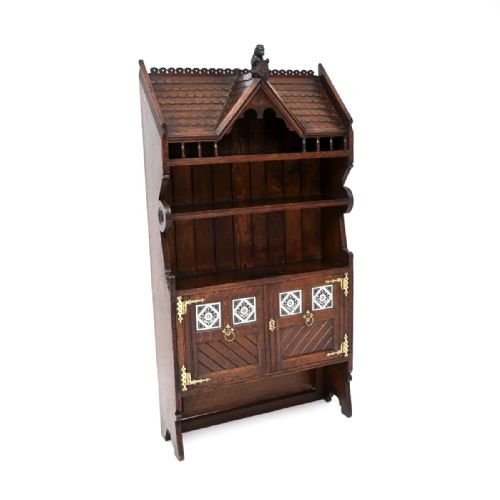
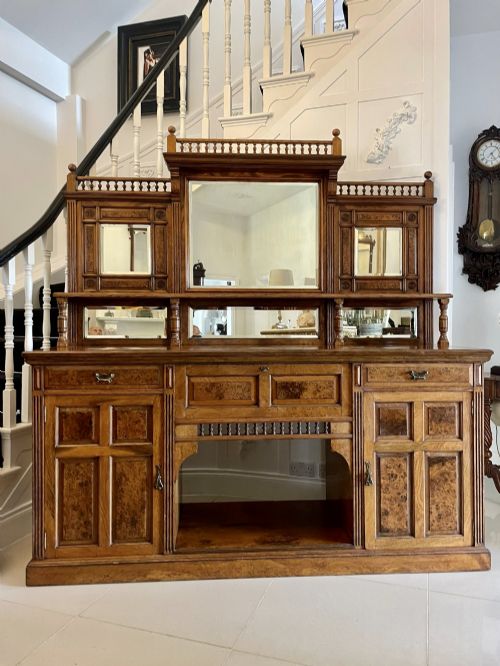
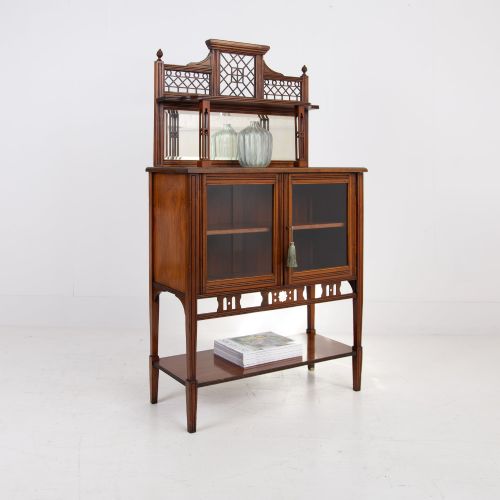
When you examine an aesthetic movement chiffonier, you are looking at nineteenth-century storage pieces that depart from heavy Victorian revivalism in favour of lighter, more refined lines and artistic decoration. These low cabinets often incorporate mirrored backs, open display shelves, and glazed or panelled doors to balance utility with decorative impact.
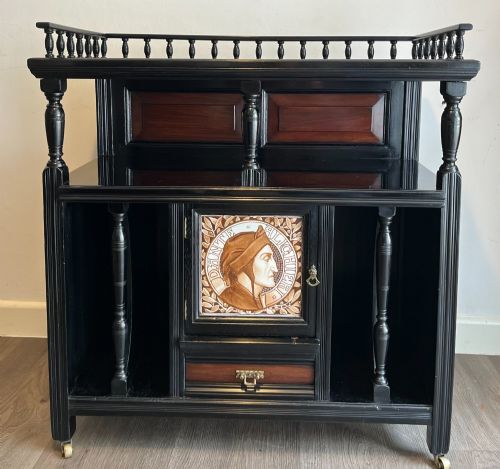
The versions you meet most frequently on this page span the Victorian era, particularly the eighteen-eighties and eighteen-nineties, drawing on diverse timbers and inlay techniques. Makers of the period utilised ebonised wood alongside rosewood, walnut, and mahogany, often enhanced by gilt highlights, boxwood inlay, or painted panels.
These pieces function as credenzas, side cabinets, and low display units, serving as focal points within reception rooms and drawing rooms. The evidence records examples originating across the nineteenth century and into the early twentieth century, showing a sustained taste for artistic cabinet making.
What varies in quality
The calibre of a piece rests in the ambition of its design and the execution of its decorative details, from the sharpness of the marquetry to the selection of primary timbers. Cabinets bearing attribution to known workshops or incorporating complex painted panels and bespoke brass mounts command attention for their superior craftsmanship.
Construction methods also distinguish the range, with finer examples showing meticulous joinery in delicate galleries, turned spindle supports, and fitted interior shelving. The integration of materials like pollard oak, burr yew, or majolica panels elevates a standard side cabinet into a work of art furniture.
Recorded forms include sideboards, credenzas, and display cabinets incorporating brass, glass mirrors, and boxwood inlay.
Garnett & Sons·Lamb of Manchester·Collinson & Lock·James Plunckett·Stephen Webb·Bruce Talbert
The Aesthetic Movement Chiffonier Glossary
- Ebonised
- Wood treated to resemble ebony through staining or painting. This finish was widely favoured by aesthetic movement designers to achieve a sleek, uniform dark surface.
- Marquetry
- The art of applying pieces of veneer to a structure to form decorative patterns. Craftsmen utilised various coloured woods to create intricate floral or geometric motifs.
- Credenza
- A low dining-room or drawing-room cabinet. In nineteenth-century usage, the term often overlaps with side cabinets and chiffoniers featuring central cupboards and side display sections.
- Majolica
- Opaque tin-glazed earthenware decorated with brightly coloured metal oxides. These ceramic panels frequently appear inset into late Victorian cabinet doors.
- Coromandel
- A dense, heavily figured timber imported from Asia. Its dark brown colour and dramatic black grain made it a prized material for high-end Victorian cabinets.
Aesthetic Movement Chiffonier: Frequently Asked Questions
What is an aesthetic movement chiffonier?
An aesthetic movement chiffonier is a low nineteenth-century cabinet designed to display ornamental objects while offering enclosed storage space. These pieces typically feature ebonised wood, fine inlay, and artistic painted or glazed details.
They emerged as part of the late Victorian push for artistic reform in home interiors, moving away from heavy classical revival styles toward lighter, more eclectic forms.
How were these cabinets used originally?
Original owners placed these cabinets in drawing rooms and reception spaces to display porcelain, books, and decorative art pieces. The enclosed cupboards provided discreet storage for household items.
Mirrored backs and open shelves allowed light to reflect around the room while showcasing prized possessions to visiting guests.
Where should I place one at home?
These cabinets work well as focal points in living rooms, hallways, or dining spaces where their decorative fronts can be fully appreciated. Their relatively low profile means they fit beneath wall art or mirrors without overwhelming the room.
Ensure the piece sits away from direct heat sources and strong sunlight to protect the polished wood surfaces and delicate veneers.
How do I identify the period?
You can identify the period by examining the timbers, construction methods, and decorative motifs used on the cabinet. Pieces from the eighteen-eighties and eighteen-nineties often feature ebonised finishes, marquetry, and distinctive aesthetic movement hardware.
Later Victorian examples may incorporate majolica panels or specific maker signatures that anchor them firmly within the late nineteenth-century design movement.