







Black Painted Credenza
A black painted credenza brings architectural presence and dark surface drama to a room, offering practical storage through low-slung cabinetry.
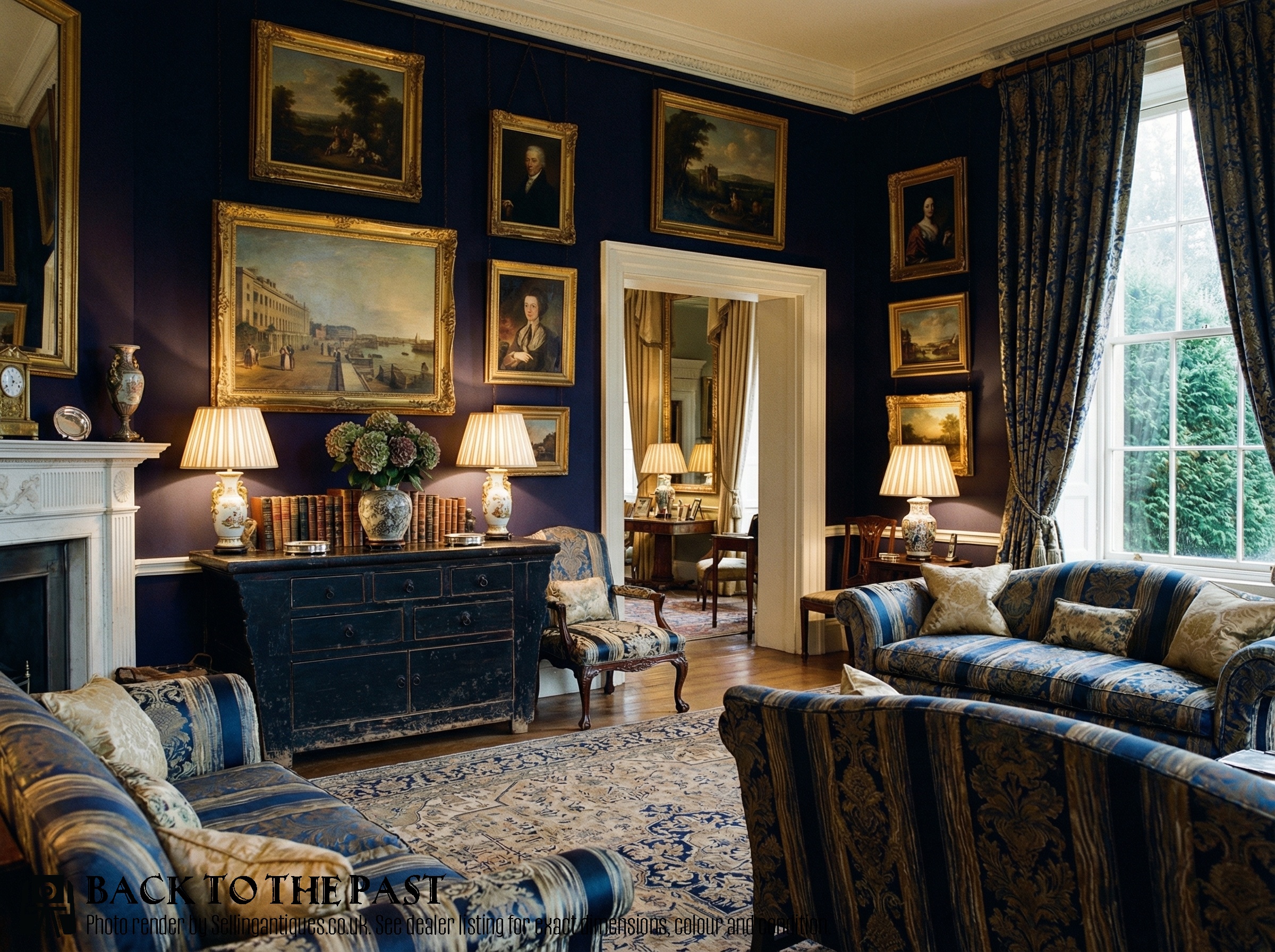
Black Painted Credenza
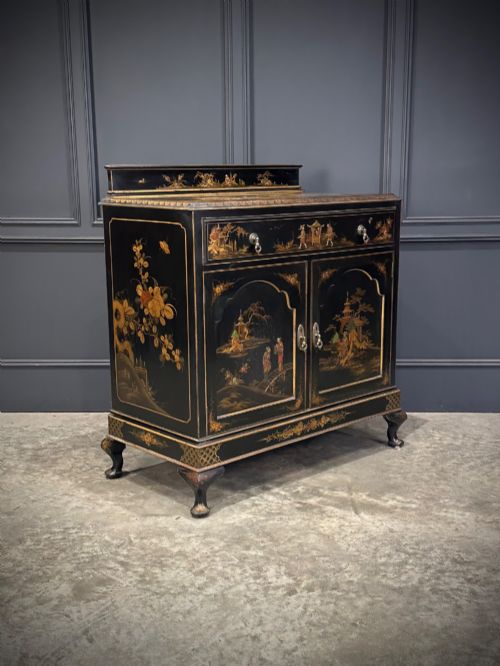
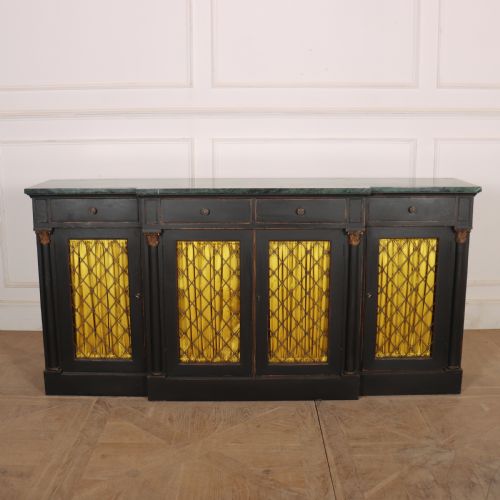
When buyers search for a black painted credenza, they encounter a diverse selection of low storage forms spanning multiple centuries and stylistic traditions. The pieces gathered here range from Georgian and Regency cabinetwork to Victorian ebonised sideboards and later Chinoiserie japanned designs.
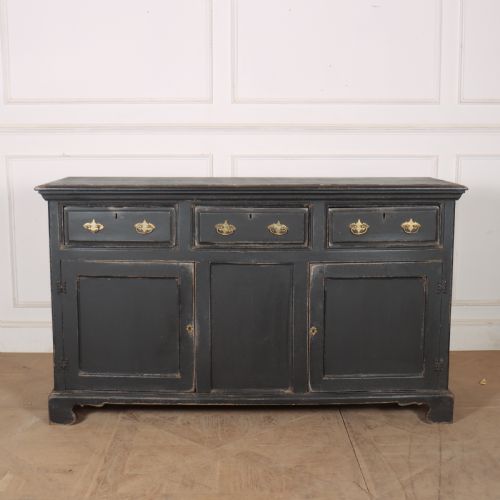
You are most likely to meet painted dresser bases, side cabinets, and low buffet forms rather than strictly catalogued mid-century office credenzas. These older low-slung timber units share the functional profile of the modern credenza while carrying traditional hand-painted and lacquered surfaces.
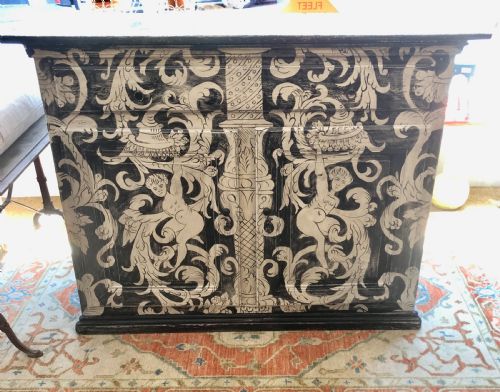
Origins stretch across English country workshops, French revival studios, and Hungarian folk traditions, providing distinct regional interpretations of dark painted furniture. Whether rendered as an Aesthetic Movement ebonised cabinet or an 18th-century painted base, each piece relies on a dark or black primary ground.
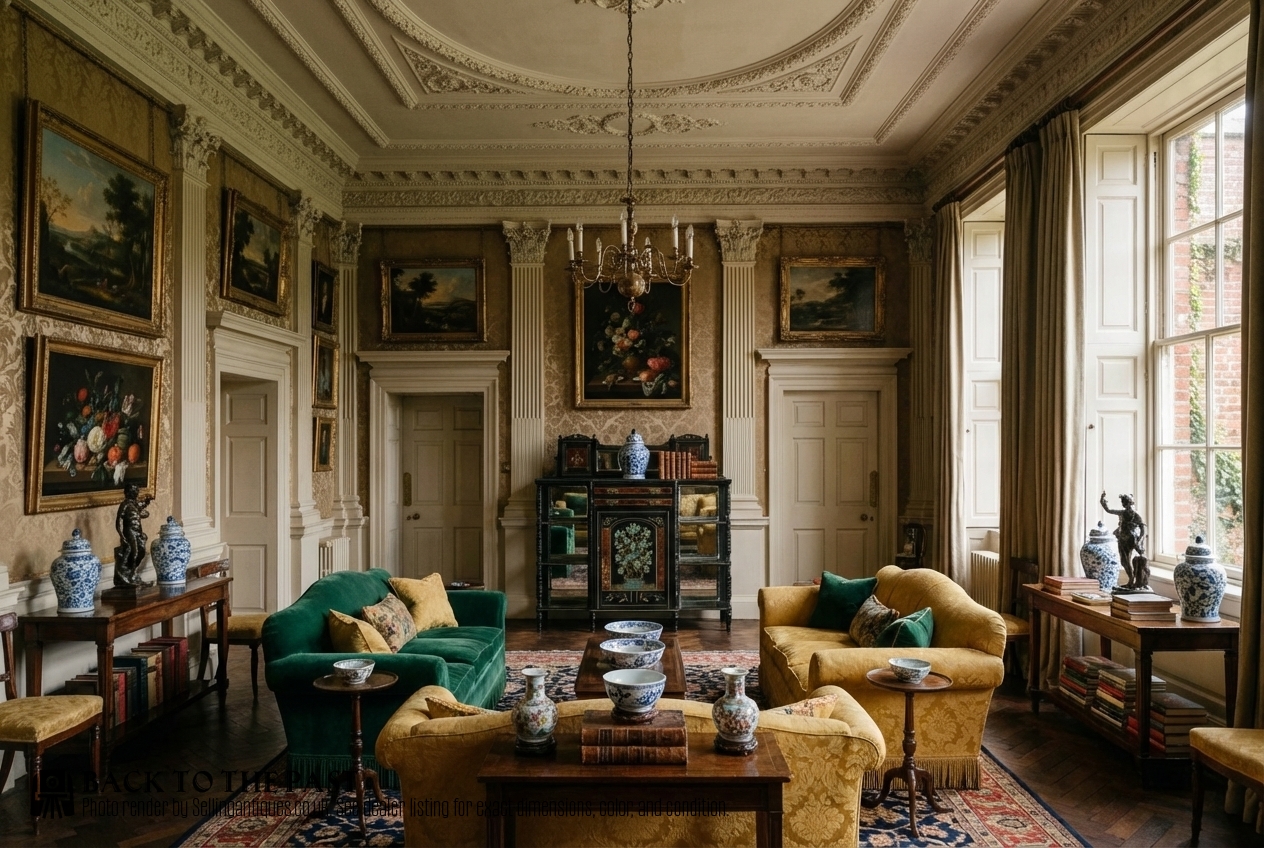
Materials and construction methods
Construction relies on solid wood and timber framing finished with oil-based paint, lacquer, or ebonisation to achieve the characteristic dark surface. Cabinetmakers utilised traditional joinery for the underlying carcase before applying decorative paint layers, gilt highlights, or intricate pen-work.
Decorative techniques vary from orientalising Chinoiserie japanning to hand-painted folk motifs and grotesque French imagery executed by specialist artists. Brass mounts, handles, and occasional silk linings complete the construction of these decorative storage pieces.
Listings feature periods spanning the eighteenth century through to the 1920s, utilising wood, paint, lacquer, brass, and gilt materials.
Evaluating craftsmanship and condition
Quality reveals itself in the integrity of the timber carcase and the skill behind the surface decoration, whether in fine pen-work or layered lacquer. Superior examples display harmonious proportions and original painted surfaces that have aged with the underlying wood over generations.
The distinction between standard utility furniture and high-end decorative pieces rests on the execution of the ornamentation and the retention of period mounts. Finer cabinets integrate carved stands, gilt detailing, or specialised artistic hands that elevate simple storage into high stylistic expression.
Melissa White
The Black Painted Credenza Glossary
- Japanning
- European imitation of East Asian lacquerwork using resin varnishes and raised metallic details. This technique gained popularity on cabinets and side units during various revival periods.
- Ebonisation
- The process of treating timber, typically fruitwood or hardwoods, to resemble ebony through chemical staining or pigmented finishes. Victorian cabinetmakers utilised this method to create dramatic dark surfaces.
- Dresser base
- A lower storage unit featuring cupboards or drawers beneath a flat top, historically used in kitchens and dining rooms. These sturdy timber bases form a large portion of early painted low cabinetry.
- Breakfront
- A piece of furniture where the central section projects forward from the flanking sections. This architectural arrangement adds depth and visual interest to larger sideboards and cabinets.
- Pen-work
- A meticulous decorative technique utilising ink or paint applied with a fine pen to create intricate line drawings on a prepared ground. Regency pieces occasionally feature this labor-intensive surface detail.
Black Painted Credenza: Frequently Asked Questions
What is a black painted credenza?
A black painted credenza is a low storage cabinet or sideboard finished with a dark painted, lacquered, or ebonised surface. These pieces combine practical surface area and interior storage with striking visual presence.
They serve as focal points in dining rooms, hallways, or living spaces, providing both utility and historical decorative character.
How do I style a black painted credenza?
Pair the dark, moody finish of the cabinet with contrasting lighter walls or complementary metallic accessories such as brass lamps and mirrors. The flat top surface accommodates lamps, ceramics, and books while keeping the room grounded.
Allow the painted or lacquered grain to catch natural light by avoiding heavy clutter, letting the craftsmanship of the cabinet remain the primary visual feature.
How do I date a painted cabinet?
Dating relies on examining the construction of the drawers, the type of timber used in the carcase, and the ageing patterns of the paint or lacquer. Stylistic cues such as Regency pen-work or Victorian ebonisation point to specific decades of production.
Hardware styles, backboards, and interior fixings also help determine whether a piece originates from the eighteenth century or later revival periods.
Are these cabinets practical for daily use?
These historical storage pieces offer functional cupboards and drawers suitable for modern dining rooms, living areas, or entryways. Their robust timber construction accommodates contemporary storage needs while adding traditional charm.
Care should be taken to protect antique painted and lacquered surfaces from excessive moisture, direct heat, and sharp impacts during daily use.